Constipation affects millions of people, it can be uncomfortable, even painful, it can impact appetite, cause bloating and if persists can contribute to haemorrhoids, anal fissures, fecal impaction and a whole host of other problems.
We all think that constipation can be caused by lack of water and fiber in our diets. Although these are common causes there are so many other reasons it can be a problem for you.
Globally, constipation is quite common. Estimates vary depending on the population studied and the definition used, but generally About 12–19% of the general population report chronic constipation.
Women are affected more than men, with prevalence around 16–25% in women versus 5–15% in men and older adults have higher rates, with up to 25–30% of those over 60 experiencing constipation. In children, prevalence ranges from 3–16%.
What Causes Constipation?
From a diet perspective common contributors include low fiber intake, inadequate fluid consumption, dehydration, and a high intake of processed or refined foods. Of course, low intake of fruits and vegetables, excessive dairy for some individuals, inadequate dietary fat, and electrolyte imbalances such as low magnesium or potassium can also be a factor.
Certain lifestyle and behaviors can also be a contributing factor such as a sedentary lifestyle, lack of physical activity, poor sleep quality, changes in routine or travel, and ignoring the urge to have a bowel movement can also disrupt normal bowel habits.
Digestive and gut-related factors play a significant role as well. These include slow gut motility, weak intestinal or abdominal muscle tone, pelvic floor dysfunction, low stomach acid, low bile flow, gut microbiome imbalances, food sensitivities or intolerances, chronic inflammation, infections or post-infectious gut changes, and pain with bowel movements such as hemorrhoids or fissures. Overuse of laxatives can further impair the body’s natural bowel signaling over time. If you find you are consuming enough fluids and fiber then you may need to explore the above to see if these are issues too.
Hormonal, medical, and neurological factors may also contribute to constipation. Aging, pregnancy, menopause, thyroid dysfunction (especially hypothyroidism), blood sugar imbalances, stress and anxiety, and neurological conditions such as Parkinson’s disease or multiple sclerosis can all affect bowel function. Certain medications, including opioids, antidepressants, antacids, iron, and calcium, as well as structural issues like strictures or adhesions, can further interfere with regular bowel movements.
What are Common Symptoms of Constipation?
- Infrequent bowel movements (typically fewer than three per week)
- Hard, dry, or lumpy stools
- Straining or pain during bowel movements
- Feeling of incomplete evacuation after a bowel movement
- Abdominal bloating or discomfort
- Cramping or stomach pain
- Rectal blockage or a sensation of blockage
- Need for manual maneuvers to pass stool (in severe cases)
- Reduced appetite
- Nausea (occasionally)
Discover the top 8 natural, science-supported remedies to relieve constipation without medications. Simple strategies, easy habits, and evidence-based home treatments that really work.
1) Add More Soluble Fiber (Especially Psyllium)
Why it works:
Soluble fiber absorbs water, creating a gel-like texture that softens stool and makes it easier to pass. Psyllium is the most researched natural fiber and is consistently shown to improve stool frequency and comfort. Psyllium is one of the most effective non-pharmacological treatments for chronic constipation in clinical trials. Increase slowly to prevent gas. Always pair fiber with extra fluids.
Best natural options:
- Psyllium husk (1–2 tsp daily, gradually increased)
- Ground flaxseed (1–2 tbsp daily)
- Chia seeds
- Oats
- Lentils and beans
- Fruits like apples, pears, berries
2) Boost Hydration — Water + Electrolytes Work Better Than Water Alone
Why it works:
Stool becomes hard and difficult to pass when the colon pulls too much water out of it. Proper hydration is essential for soft, easy-to-pass stools. Studies show low fluid intake is strongly associated with constipation, especially when fiber intake is also low. You need to aim for consistent daily intake rather than a large amount at once.
Natural ways to increase hydration:
- Water infused with lemon
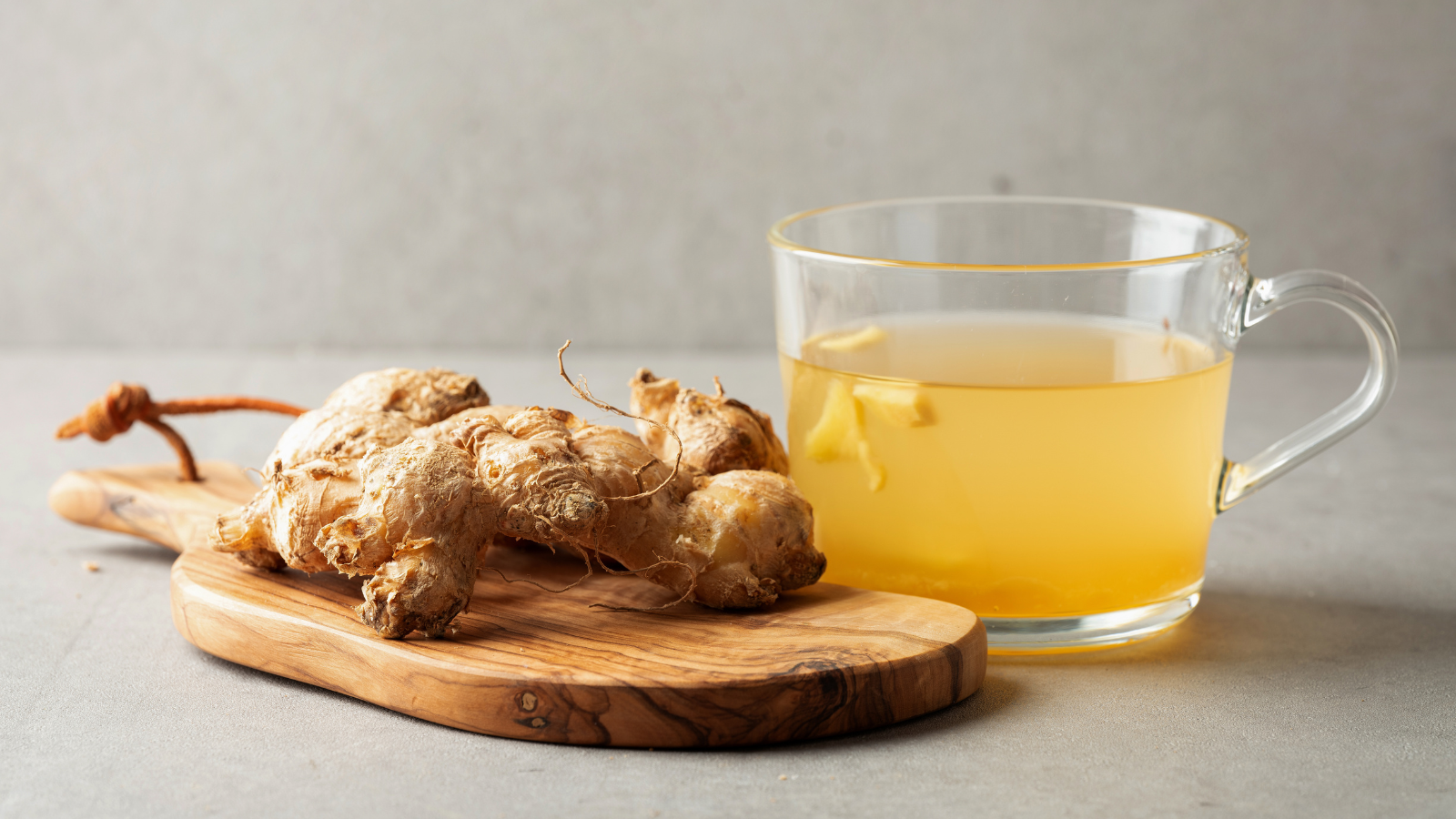
- Warm herbal teas (ginger, peppermint, chamomile)
- Coconut water (natural electrolytes)
- Fruits with high water content (melon, oranges, grapes, cucumber)
3) Eat More Natural Prebiotics and Probiotics
Why it works:
Gut bacteria influence stool consistency, gut motility, and bowel frequency. Natural probiotic foods and prebiotic fibers can improve regularity. Multiple studies show probiotic foods can reduce intestinal transit time and increase stool frequency.
Natural probiotic sources:
- Kefir
- Yogurt with live cultures
- Sauerkraut
- Kimchi
- Miso
- Kombucha
Natural prebiotic sources:
- Garlic
- Onions
- Leeks
- Bananas
- Asparagus
- Oats
- Flaxseed
Use Natural GI-Stimulating Herbs:
Several herbs have mild, natural stimulating effects on digestion — gentler than stimulant laxatives and backed by research. Botanical medicine research supports the motility-enhancing effects of ginger, peppermint oil, and several bitter herbs. Start with 1 cup of herbal tea daily and adjust based on your body’s response.
Most effective natural herbs:
- Aloe vera juice (inner fillet only) — helps soften stool
- Ginger — increases gastric emptying and motility
- Peppermint — relaxes intestinal muscles and eases cramping
- Dandelion root tea — mild natural digestive bitter
- Slippery elm — adds mucilage, soothing the digestive tract
5) Increase Magnesium-Rich Foods (or Use Natural Magnesium Forms)
Why it works:
Magnesium helps relax intestinal muscles and draws water into the stool — a natural softening effect. Magnesium intake is associated with improved stool frequency and softer stools in dietary studies. You need to choose Magnesium citrate (a naturally occurring mineral compound) as this is the magnesium that helps to relax the intestinal muscles. Natural calm is a great option to add in water and take
Best food sources:
- Pumpkin seeds
- Almonds
- Spinach
- Avocado
- Quinoa
- Black beans
- Dark chocolate
6) Move Your Body in Ways That Stimulate Gut Motility
Why it works:
Movement activates the digestive tract and reduces sluggish bowel transit time. Physical activity significantly reduces constipation risk and improves bowel motility in clinical reviews.
Best natural activities for constipation:
- A 10–20 minute walk after meals
- Light yoga (especially twisting poses)
- Rebounding on a mini-trampoline
- Core-strengthening exercises
- Squatting stretches
7) Support Healthy Bowel Reflexes With Daily Rhythm + Proper Toilet Positioning
Why it works:
Your colon has a built-in reflex in the morning (gastrocolic reflex). Using it daily trains your bowels to stay regular — naturally. Toileting posture and regular timing significantly improve stool passage and ease of evacuation.
Do this daily:
- Sit on the toilet 15–30 minutes after breakfast
- Do not rush or strain
- Use a footstool (like a “squatty potty”) to raise your knees above hips
- Practice deep belly breathing to relax pelvic muscles
8) Address Pelvic-Floor Dysfunction Naturally
Why it works:
Up to 30% of chronic constipation comes from pelvic-floor muscles not relaxing properly during a bowel movement. Pelvic-floor therapy and relaxation exercises are among the most effective natural treatments for functional constipation.
Natural strategies:
- Diaphragmatic breathing
- Pelvic-floor relaxation (reverse Kegels)
- Stretching the hips, low back, and abdominal area
- Belly-massage techniques (clockwise large-circle abdominal massage)
- Working with a pelvic-floor physiotherapist
Your Simple 7-Day Natural Relief Plan
Day 1–2: Add psyllium or ground flax + increase water
Day 3–4: Add probiotic foods and a daily walk
Day 5: Try herbal teas (ginger or peppermint)
Day 6: Introduce magnesium-rich foods
Day 7: Focus on morning toilet rhythm + a footstool
Many people feel relief within the first week using this stepwise approach.
Summary
Constipation can be a pain in the butt, literally! About 12–19% of the general population experience chronic constipation, with women and older adults struggling more with this. Causes of constipation can be varied and not just limited to lack of fiber and fluid intake, lifestyle factors, various digestive and gut imbalances, hormone imbalances, and medications can all influence how easy or not it is to have that regular daily bowel movement.
Following the 8 strategies above to help relieve your constipation can be very helpful. But if you are still struggling with going after implementing the above then there may be other factors at play that you may want to explore. Getting to the root cause of your constipation can help create a more individualised and targeted treatment approach.
Completing gut microbiome testing might be one option. Reach out to us today for a 10 minute free consult to see if we can help.