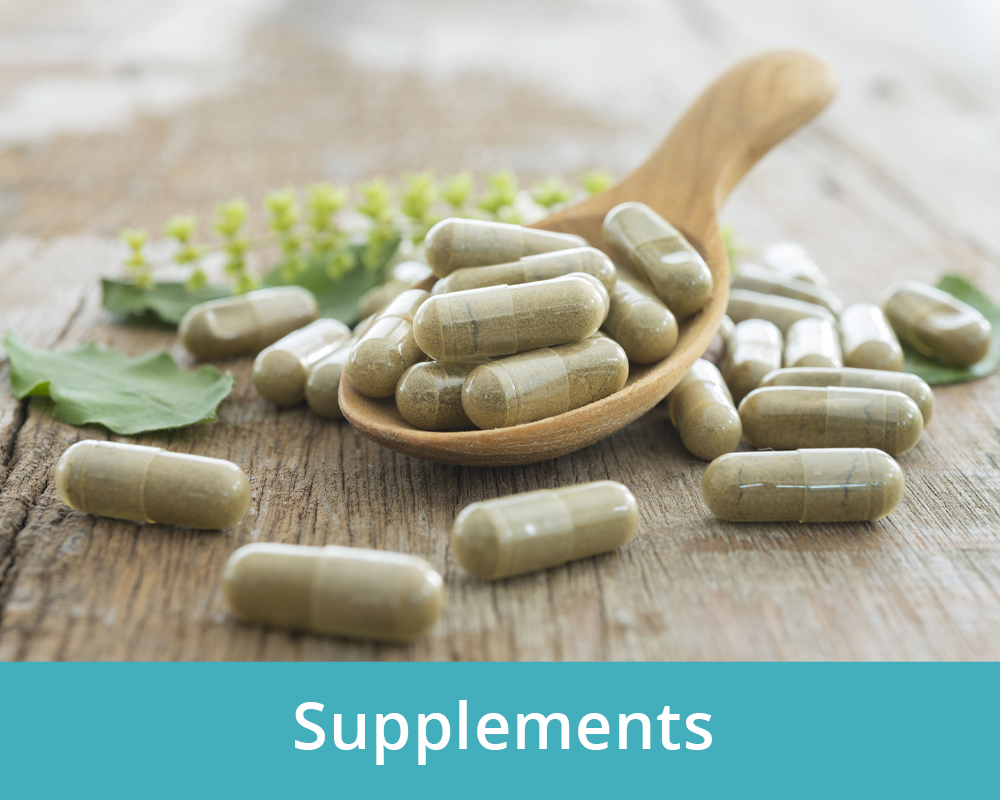
Supplements for anxiety are becoming increasingly popular as more people seek natural ways to manage stress and improve their mood. Therapy and lifestyle changes remain foundational, but targeted nutrition also plays a powerful role.
Supplements for anxiety can play an important role in supporting mental health. Anxiety is one of the most common mental health concerns today, affecting millions of people. Anxiety rates have roughly doubled In Canada from 2012 to 2022 from 2.6% to 5.2% and this increase is highest in youth, especially young women, where rates have tripled in some groups.
Anxiety often shows up as persistent worry, restlessness, poor sleep, and difficulty concentrating. Therapy and lifestyle changes are foundational, although research increasingly supports the role of targeted nutrition and nutritional supplements. Certain nutrients and herbs have been shown to help regulate the nervous system, support stress hormones, and promote a sense of calm. From nutrients that support neurotransmitter balance to herbs that help the body adapt to stress, the right supplements can be a valuable addition to managing anxiety naturally and effectively.
GABA
GABA is a neurotransmitter that helps send messages throughout the central nervous system. It functions as an inhibitory neurotransmitter by blocking certain nerve transmissions, which prevents those messages from passing to other neurons. This slowdown in messaging can produce a calming effect, potentially helping to control anxiety, stress, and fear.
A study of 30 people suggested GABA-enriched oolong tea was linked with lower short-term stress scores than regular oolong tea. Although GABA can be taken in pill form best results are seen when taken sublingually through a spray or a powder on the tongue.
Holy Basil
Holy basil (Ocimum tenuiflorum) — also known as tulsi — is a staple herb in Ayurveda, an ancient Indian form of medicine still practiced today.
Some research shows that holy basil may help lower anxiety and stress. One study found that people taking holy basil reported better mood and also had lower levels of the stress hormone cortisol. It can also helps to balance blood sugars which is another factor that can increase cortisol.
Ashwagandha
Ashwagandha (Withania somnifera) is another herb in Ayurvedic medicine. Research shows it may lower anxiety and reduce stress hormones (like cortisol). It may also improve sleep quality, which is often affected when someone has anxiety.
A 2023 study examined the effects of Ashwagandha root extract (500 mg daily), combined with a small amount of piperine, for 60 days in healthy people who had mild to moderate stress or anxiety. The researchers found that people reported feeling less stressed and anxious, and an improved quality of life, focus, and multitasking skills. They also had lower levels of the stress hormone cortisol and higher levels of serotonin, compared to those taking a placebo. Similarly, a 2022 study claimed supplementation has a beneficial effect on both stress and anxiety. For anyone seeking effective supplements for anxiety, ashwagandha shows strong promise in the research.
One 2019 small double-blind study in 60 adults with insomnia and anxiety found that taking 600 mg of ashwagandha daily for 10 weeks resulted in significant improvements in anxiety and insomnia scores, compared with the placebo.
Another recent small study found that healthy adults taking 600 mg of ashwagandha daily for 8 weeks had significantly lower cortisol (stress hormone) levels, perceived stress scores, and anxiety levels compared with those taking a placebo or a lower dose. These results show why ashwagandha is a trusted supplement for anxiety and overall stress management.
Chamomile
Chamomile is one of the most widely used herbal remedies worldwide. There are two main types: Roman and German chamomile. They share many similarities. But German chamomile (Matricaria chamomilla) has higher levels of active compounds thought to contribute to its anti-anxiety effect.
There’s evidence that chamomile has calming and antidepressant effects. It appears to be safe for long-term use as a tea or supplement. In one review, 9 out of 10 studies found that chamomile was helpful for anxiety.
Chamomile may be calming because it contains a chemical called apigenin, which binds to gamma-aminobutyric acid (GABA) receptors in the brain. It has a similar effect to benzodiazepines.
Chamomile may cause allergic reactions in people sensitive to ragweed. It can also interact with some medicines, such as cyclosporine and warfarin. You should talk to a healthcare professional before using chamomile if you’re taking any medications.
Passionflower
Passionflower (Passiflora incarnata) is a plant with an edible fruit that may have some natural benefits for anxiety. In some studies, passionflower was comparable to two prescription medications — oxazepam or midazolam — in treating anxiety. This herb is also considered safe, with minimal side effects.
In one study, 40 participants were given either passionflower or midazolam (an anti-anxiety drug) 30 minutes before a tooth extraction. The study found that passionflower and midazolam reduced symptoms of anxiety about the same. Additionally, unlike midazolam, passionflower did not cause negative side effects, like amnesia, after the operation.
Like chamomile, the active components of passionflower are thought to interact with GABA receptors in the brain, producing a calming effect. In addition to anxiety, passionflower may also reduce symptoms like neuropathic pain, depression and insomnia.
Lemon Balm
Lemon balm is an oil derived from the leaves of a perennial shrub (Melissa officinalis). It has been used as a muscle relaxant and sedative worldwide for hundreds of years. Research shows that lemon balm improves anxiety and depression symptoms, cognition, and other mood disorders and is generally safe to use.
Studies suggest that supplements containing 1,000–500 mg of lemon balm may help ease symptoms of anxiety.
One study in 67 adults with insomnia found that taking a supplement containing 1,000 mg of lemon balm and 400 mg of lavender every night for 4 weeks resulted in significant improvements in insomnia symptoms and anxiety and depression scores.
Omega-3 Fatty Acids
Omega-3 fatty acids are a type of healthy fat that support heart health and are important building blocks for cells throughout the body.
There is good evidence that omega-3 fatty acid supplements can help improve anxiety symptoms. Studies suggest that around 2 g per day is most effective, while lower doses may not provide the same benefit.
You can also increase your omega-3 intake through your diet. Some rich sources of omega-3s are fatty fish, chia seeds, flaxseeds and walnuts
Magnesium
Magnesium plays a key role in the nervous system and has been studied as a natural option for reducing anxiety symptoms. A systematic review of clinical trials suggests that magnesium supplementation may benefit people with subjective anxiety, particularly in individuals who are vulnerable to stress or have mild anxiety.
Some research also indicates that combining magnesium with vitamin B6 may enhance its effects on anxiety and perceived stress, possibly by improving cellular uptake and neurotransmitter balance.
Magnesium bisglycinate is the best form of magnesium to take for anxiety, promote relaxation and is generally gentle on digestion.
For example, a 2024 systematic review of 15 studies found that magnesium supplements are likely effective in easing mild anxiety, particularly in individuals with low magnesium levels to start.
Vitamin D
Many people are deficient in or have suboptimal levels of vitamin D, a fat-soluble nutrient that’s essential for brain function and mood regulation.
Studies show that vitamin D inadequacy or deficiency is particularly common in people with mental health conditions, including anxiety disorders. Indeed, a 2024 study found that having higher vitamin D levels in your blood was associated with a lower risk of anxiety. However, this does not prove that vitamin D reduces anxiety, only that they are linked.
Keep in mind that while higher dose vitamin D supplements may be necessary to treat deficiency, for people who simply want to maintain healthy vitamin D levels, a supplement that provides 1,000–3,000 IU per day may be more appropriate.
Summary
Supporting anxiety naturally is important, combining lifestyle changes with supplements such as magnesium, omega-3s, vitamin D, and adaptogenic herbs that help regulate the nervous system and stress response. Many of these supplements for anxiety work by nourishing the nervous system and balancing stress hormones.
Choosing the right supplements for anxiety depends on your individual needs. A personalized approach is essential, as what your body requires may differ from someone else’s. Always consult a healthcare professional to determine the most appropriate options for you.