5 Steps To Support Your Immune System
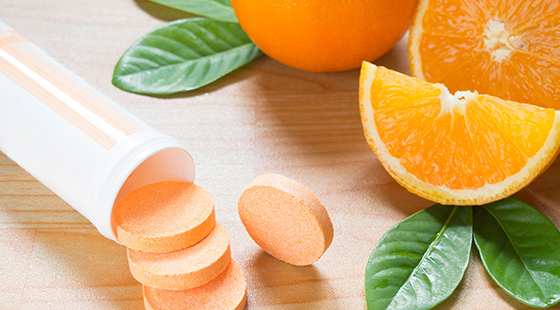
You aren’t alone right now in trying to find ways to keep you and your family healthy and your immune systems strong. Individuals and families have been stocking up on their vitamin C and other immune boosting supplements. This is a great step, but there are many other things that you can be doing , or not doing, to optimize your immunity.
5 Steps To Support Your Immune System:
#1. Reduce Sugar Consumption
Comfort foods is what we tend to gravitate too in the winter months such as chocolate, pastries, and sweets? Although these foods may feel comforting in the moment, sugar has a detrimental effect on the immune system.
Sugar can suppress the immune system (by altering the function of specific immune cells, called neutrophils) for up to 5 hours after ingestion. (Sanchez A. et al, 1973) Because the effect lasts for many hours, if you eat sweets several times a day, your immune system may be perpetually operating at a distinct disadvantage (1). In contrast, the ingestion of complex carbohydrates, or starches, has no effect on the immune system.
Sugar triggers low-grade inflammation in the body and inflammation is also an immune suppressant.
Studies have found that excessive amounts of sugar, or glucose, in the body can inhibit the absorption of Vitamin C (2). Vitamin C is extremely important for boosting the immune system and fighting off infections. In the 1970s, researchers established that Vitamin C has a similar structure to sugar and therefore can compete for absorption. So, if you are taking vitamin C supplements or trying to consume foods high in vitamin C if you are consuming alot of sugar then you are not getting the benefits of your vitamin C foods and supplementation.
As an antioxidant, it is the job of Vitamin C to neutralize free radicals. By consuming sugar with Vitamin C, you are introducing more free radicals that Vitamin C may then needs to sacrifice itself to neutralize the free radical instead of being available to support your immune system.
For more information, check out our article on the best sugar alternatives.
#2. Reduce Alcohol Consumption
The Cleveland clinic reported that If you drink every day, or almost every day it can weaken the immune system and make the body more susceptible to infections, such as colds, flu or other illnesses more frequently than people who don’t drink. Many people may have increased their alcohol consumption, over the winter months which is not good for immunity!
Alcohol alters the makeup of your gut microbiome, which is the home to trillions of microorganisms performing several crucial roles for your health, including supporting your immune system. Infact 70-80% of your immune system is in the gut. Research shows that drinking alcohol may also damage the immune cells that line your intestines, which serve as the first line of defense against bacteria and viruses. By damaging those cells in your intestines, it can make it easier for pathogens to cross into your bloodstream (4).
Excessive drinking reduces the number and function of three important kinds of cells in your immune system–macrophages, T and C cells. Macrophages are the first line of defense against disease. They gobble up anything that’s not supposed to be there, including cancerous cells, and they sound the alarm if pathogens are present. T cells are antibodies to specific pathogens. They are the reason vaccines work and why you can’t get chicken pox twice. Your T cells already know how to kill those specific kinds of viruses. B cells are white blood cells that secrete cytokines that attack bacteria. When B and T cells are suppressed, your immune system is less efficient at identifying and destroying invading pathogens.
#3. Manage Stress
Unfortunately, stress plays a major role in compromising our immune system. In short spurts, our stress hormone, cortisol, can boost immunity by limiting inflammation. But over time, your body can get used to having too much cortisol in your blood and this opens the door for more inflammation. This can weaken your immune system, leaving you more vulnerable to viral infections and frequent illnesses.
In addition, stress decreases the body’s lymphocytes — the white blood cells that help fight off infection. The lower your lymphocyte level, the more at risk you are for viruses.
The brain and the immune system are in constant communication in this delicate balance that can be disrupted by any kind of physical or emotional stress. Some experts claim that stress is responsible for as much as 90% of all illnesses and diseases.
For more information, please check out our article for nutrition strategies to help manage stress.
#4. Get a Good Night’s Sleep
The Mayo Clinic reported that studies show that people who don’t get quality sleep or enough sleep are more likely to get sick after being exposed to a virus. Lack of sleep can also affect how fast you recover if you do get sick.
During sleep, your immune system releases proteins called cytokines, some of which help promote sleep. Certain cytokines need to increase when you have an infection or inflammation, or when you’re under stress. Sleep deprivation may decrease production of these protective cytokines. In addition, infection-fighting antibodies and cells are reduced during periods when you don’t get enough sleep.
How much sleep do you need to bolster your immune system? The optimal amount of sleep for most adults is 7.5-9 hours of good sleep each night, while teenagers need 9-10 hours of sleep, and school-aged children may need 10 or more hours of sleep per day.
For more information check out or article on nutrition for better sleep.
#5. Not Eating Enough Fresh Fruit and Vegetables
Our immune system relies on a number of nutrients to help it function properly and work at its optimal level. Key nutrients include vitamin C, iron, Vitamin D, folate, Vitamin A, selenium and zinc. It is difficult to intake adequate amounts of these nutrients from processed foods, but you will get them from fresh fruits and vegetables. Unfortunately, many North Americans are not getting enough fruits and vegetables into heir diet, nor are they consuming enough variety.
Canadian Community Health Survey (CCHS) indicate that approximately 70% of children aged 4 to 8 years and 65% aged 9 to 13 years do not consume the recommended minimum five servings of fruits and vegetables (FV) daily. Health Canada recommends a minimum of 7-8 servings of fruits and vegetables a day for adults, and this is rarely achieved.
Unfortunately, with high stress, poor sleep, diseases and illnesses our body’s demand for nutrients becomes higher. This would only be compounded by an already compromised diet with processed foods, pizzas, and frozen dinners; consumption of sugar-laden foods and beverages; and limited intake of fresh fruits and vegetables in the diet. These societal dietary habits put us at huge risk of nutrient deficiencies, and subsequently a compromised immune system, which impacts our ability to help protect ourselves against viruses and infection.
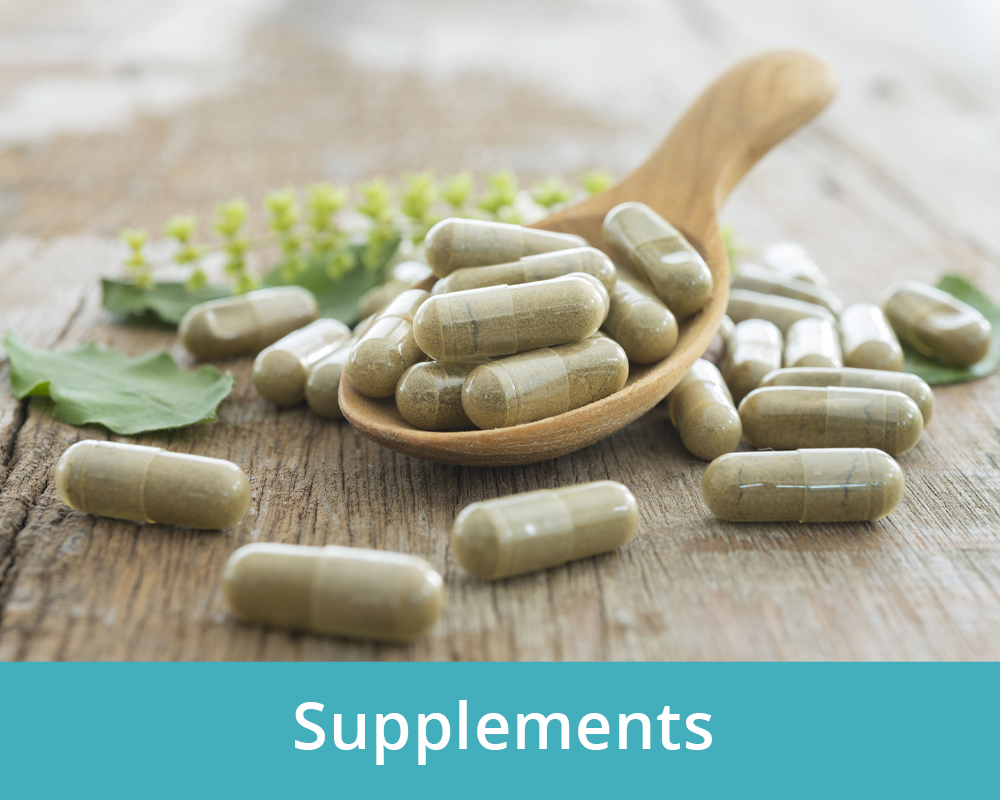
If you are struggling to get enough fruits and vegetables into your diet you can explore supplementing with a whole food supplement which contains 30 fruits and vegetables. Separate studies were conducted on healthcare professionals with direct patient contact, young law school students, an elderly population, and athletic men. The combined results of those studies show that a combination of orchard, vegetable and berry capsules, “Reduces the severity of upper respiratory challenges, reduces missed work days, and increases the number and activity of immune cells circulating in the body”. British Journal of Nutrition (2011) Journal of Nutrition (2007) Medicine & Science in Sports & Exercise (2006) Journal of Nutrition (2006) Integrative Medicine (1999).
To get your whole food supplements click here.
SUMMARY
Flu season is an annoying time for everyone – missed work and school days, used tissue papers piled high and aches and pains all over. Reducing sugar consumption, limiting alcohol intake, practicing stress management techniques, getting adequate sleep, and ensuring an adequate intake of fresh fruits and vegetables are e ways that you can help support your immune system and avoid getting sick this season!
References
- Sanchez, A., et al. 1973 “Role of Sugars in Human Neutrophilic Phagocytosis,” American Journal of Clinical Nutrition. 26:1180-1184 http://ajcn.nutrition.org/content/26/11/1180.full.pdf+html (accessed July 27, 2015)
- https://www.ncbi.nlm.nih.gov/pubmed/16118484
- https://www.huffingtonpost.ca/entry/sugar-weaken-immune-system_l_5e74ca2cc5b6f5b7c542a3be
- https://www.insider.com/does-alcohol-weaken-the-immune-system