
The Amazing Health Benefits of Eggs

The Amazing Health Benefits of Eggs

the amazing health benefits of eggs Koru Nutrition

Eggs are not only delicious, but are extremely nutritious. They are easy to digest, inexpensive, and suitable for every meal, but they also have impressive health credentials. Eggs contain the highest biological value for protein and offer all nine essential amino acids that cannot be made by humans and therefore must come from our diets.

A single large boiled egg contains:

  • 77 calories, 6 grams of protein, and 5 grams of healthy fats
  • Vitamin A: 6% of the RDA
  • Folate: 5% of the RDA
  • Vitamin B5: 7% of the RDA
  • Vitamin B12: 9% of the RDA
  • Vitamin B2: 15% of the RDA
  • Phosphorus: 9% of the RDA
  • Selenium: 22% of the RDA
  • Eggs also contain vitamin D, vitamin E, vitamin K, vitamin B6, calcium and zinc (i)

How to Buy Eggs

Shell colour depends on the breed of the chicken and has very little to do with nutritional content of an egg. However, a hen’s diet and environment can affect an egg’s nutrition. Eggs from hens that were raised on pasture and/or fed omega-3 enriched feeds tend to be much higher in omega-3 fatty acids. Omega-3 fatty acids positively impact many aspects of our physical and mental health and are known to reduce blood levels of triglycerides (ii). Some of the more common labels you may see on egg cartons include:

Cage-free eggs
The term “cage-free” may be misleading. It means hens are not confined to cages, but conditions are often still very crowded, with no access to the outdoors. As well, there are no assurances about what they are fed or what kinds of medications they are given.

Free-Range eggs

“Free-range” means hens have some form of continuous access to the outdoors.

Organic eggs

Organic eggs are certified and are from chickens given only organic feed without growth hormones or antibiotics. They must also have year-round access to the outdoors. A certified organic hens’ quality of life is better and contain higher levels of vitamin D since they are exposed to sunlight.

Benefits of Eggs

  1. Eggs rank high on the Satiety Index scale which means they may help you feel fuller for longer, mainly because of their high protein content. Foods high in protein have been known to reduce appetite, and increase fullness, compared to foods that contain less protein (iii).
  2. Eggs are an excellent source of choline which plays an important part in many body functions including cell structure, metabolism, DNA synthesis, muscle movement, brain development and memory (iv).
  3. Egg yolks contain large amounts of lutein and zeaxanthin which are very important for eye health and can help prevent macular degeneration and cataracts (v).

But what about cholesterol?

After years of being vilified for their high cholesterol content, overwhelming scientific evidence now suggests dietary cholesterol has little, if any impact on blood-cholesterol levels and that saturated and trans fat are the bigger culprits when it comes to raising blood cholesterol levels. As eggs are low in saturated fats, one egg per day been shown to be safe (vi) (vii). So feel free to enjoy eggs as part of a healthy, fibre rich diet which includes plenty of fruits and vegetables.

cheesy egg muffins recipe koru nutrition

Start your day off right with these grain-free egg muffin cups.They can easily be made in advance – perfect for busy mornings or as grab and go snacks.

CHEESY EGG MUFFINS RECIPE

Ingredients

  • 4 large eggs
  • 2 tablespoons of full fat Greek yogurt
  • Kosher salt
  • 3 tablespoons coconut flour
  • ¼ teaspoon baking powder
  • ½ cup of shredded Cheddar cheese
  • Freshly ground black pepper
  • 1-2 Tablespoons chopped fresh chives or herbs of choice (optional)

Instructions

  1. Preheat oven to 375 F. Line a muffin tray with parchment cupcake liners.
  2. In a medium sized bowl, whisk together eggs, yogurt, black pepper, and a dash of salt until blended.
  3. Add the coconut flour and baking powder and mix the batter until smooth.
  4. Mix in the cheese and fresh herbs (if using).
  5. Divide the batter into the 6 prepared muffin cups.
  6. Bake for approximately 20 minutes, rotating the tray halfway though the cooking time. (The tops of the muffins should spring back when you poke them with your finger.)

Recipe adapted from nomnompaleo.com

[su_spacer]

References:

i. nutritiondata.self.com

ii. Effects of omega-3 fatty acids on serum markers of cardiovascular disease risk: A systematic review
Balk, Ethan M. et al. Atherosclerosis , Volume 189 , Issue 1 , 19 – 30

iii. High protein diets and weight control. Clifton, P. Nutrition, Metabolism and Cardiovascular Diseases , Volume 19 , Issue 6 379 – 382

iv. J Inherit Metab Dis. 2011 Feb;34(1):3-15. doi: 10.1007/s10545-010-9088-4. Epub 2010 May 6. Choline and betaine in health and disease. Ueland PM1

v. Effect of Lutein and Zeaxanthin on Macular Pigment and Visual Function in Patients with Early Age-related Macular Degeneration Ma, Le et al. Ophthalmology , Volume 119 , Issue 11 , 2290 – 2297

vi. Rong Ying, Chen Li, Zhu Tingting, Song Yadong, YuMiao, Shan Zhilei et al. Egg consumption and risk of coronary heart disease and stroke: dose-response meta-analysis of prospective cohort studies BMJ 2013; 346 :e8539

vii. Jyrki K Virtanen et al; Associations of egg and cholesterol intakes with carotid intima-media thickness and risk of incident coronary artery disease according to apolipoprotein E phenotype in men: the Kuopio Ischaemic Heart Disease Risk Factor Study, The American Journal of Clinical Nutrition, Volume 103, Issue 3, 1 March 2016, Pages 895–901

[su_spacer]

For more information please contact us at:

[email protected] or call us 1855 385 5678 ex 801

To make a referral, please complete our online referral form

Boost Your Immune System Superpowers

Boost Your Immune System Superpowers

how to boost your immune system superpowers koru nutrition blog

With the arrival of fall and cooler temperatures, comes the onset of the dreaded cold and flu season. Cold weather means spending more time indoors with people – which means spending more time with germs. But have no fear you can build up your body’s immunity through choosing the right kind of immune boosting foods using these 6 powerful super food boosters:

Chicken Soup:

Chicken soup isn’t just comfort food- It helps improve symptoms from a cold and can also protect you from getting sick in the first place. Chicken soup contains gelatine, chondroitin and other nutrients beneficial for gut healing and boosting your immunity (i).

Green Tea:

Green Tea is packed with antioxidants such as flavanoids, and epigallocatechin gallate (EGCG) that have been shown to boost immune function. It also contains L-theanine, an amino acid that may aid in the production of germ-fighting compounds in T-cells (ii) (iii).

Ginger:

Ginger has been used across the globe as a natural remedy due to its medicinal properties. Ginger is antibacterial which supports the immune system. It also acts as an anti-inflammatory thanks to gingerol- a phenolic compound (iii) (iv).

ginger boost immune system superpower booster koru nutrition
Garlic:

Garlic contains several compounds, including allicin, that have antiviral, antifungal, and antibacterial properties that can fight infections (iii) (v).

Onions:

Onions are filled with immune boosting vitamins and minerals such as selenium, zinc, and vitamin C. They also have antioxidant and antiviral properties thanks to their abundant plant compounds including sulfur, quercetin, and anthocyanins (vi).

Turmeric:

Turmeric contains bioactive compounds with powerful medicinal properties. Curcumin is the main active ingredient in turmeric and It is rich in antioxidants and has strong anti-inflammatory properties (vii).

garlic boost immune system superpowers koru nutrition

As well, follow these other tips to keep your immune system in top shape:

Handwashing:

This really cannot be stated enough! Practicing good hygiene goes a long way when it comes to preventing colds and the flu. When soap and water are not available, use a hand sanitizer to help reduce the number of germs on your hands.

Stay Hydrated:

Drinking water helps keep the mucous membranes in your nose and eyes moist so they are more effective at catching and sweeping viruses out of the body. It also helps in the production of lymph in the body. Lymph carries white blood cells and other cells that are part of the immune system.

Sleep:

Lack of sleep compromises your immune system. Aim for at least 7-8 hours of sleep and take naps if necessary.

Exercise:

Get your heart rate going and blood pumping. Exercise not only gets you in shape and keeps your body strong, it also improves the body’s circulation and boosts your immune system.

Eat Right:

Include whole, nutrient dense foods high in antioxidants such as fruits and vegetables to boost your overall health and strengthen your immunity. Avoid sugar which can cause inflammation and actually depress your immune system by decreasing the ability of white blood cells to fight infection.

golden milk boost your immune system superpowers koru nutrition

GOLDEN MILK RECIPE

Try this creamy anti-inflammatory, and antioxidant rich drink to give your immune system a boost!

Ingredients

  • 2 cups coconut milk (can sub part or all with almond or other milks)
  • 1 tsp turmeric
  • ½ tsp cinnamon powder
  • Pinch of ground black pepper
  • ¼ tsp ginger powder
  • Pinch of cayenne pepper (optional)
  • 1 tablespoon coconut oil
  • 1 tsp raw honey, maple syrup or stevia to taste (optional)

Instructions

  1. Blend all ingredients in a high-speed blender until smooth.
  2. Pour into a small saucepan and heat for 3-5 minutes over medium heat until hot, but not boiling.
  3. Drink immediately and enjoy.

Recipe adapted from wellnessmama.com

[su_spacer]

References:
i. Chicken Soup Inhibits Neutrophil Chemotaxis In Vitro Rennard, Barbara O. et al. CHEST , Volume 118 , Issue 4 ii. Alexopoulos, N., Vlachopoulos, C., Aznaouridis, K., Baou, K., Vasiliadou, C., Pietri, P. … Stefanadis, C. (2008, June). The acute effect of green tea consumption on endothelial function in health individuals. European Journal of Preventive Cardiology, 15(3), 300-305 iii. Immunity: plants as effective mediators. iv. Ginger–an herbal medicinal product with broad anti-inflammatory actions. v. Preventing the common cold with a garlic supplement: a double-blind, placebo-controlled survey. vi. Onions–a global benefit to health. vii. Role of curcumin in systemic and oral health: An overview

[su_spacer]

For more information please contact us at:

[email protected] or call us 1855 385 5678 ex 801

To make a referral, please complete our online referral form

Intermittent Fasting

Intermittent Fasting

Intermittent fasting is currently becoming one of the most popular health and fitness trends. Intermittent fasting (IF) is being used to help lose weight, improve health, and to live longer.  IF is not about following a diet, but more about following a diet pattern. 

The idea of IF isn’t as far-fetched as one may think.  Humans have evolved to withstand short periods of time without food.  Our hunter-gatherer ancestors naturally fasted when they couldn’t find anything to eat. 


Basic Principles

The most common methods involve eating all your meals in an 8, 6, or even 4-hour window while fasting the rest of the day, or fasting for 24 hours, twice per week.  Water, tea, and coffee without added sweeteners or milk are fine while fasting but no calories are allowed.  

IF is not that difficult to achieve.  Many people may already be doing it naturally without even realizing it. If you stop eating at 7pm and don’t eat breakfast until 10am the following day, you have already achieved 15 hours of fasting. Consider the term “break fast”. This refers to the meal that breaks your fast – which you already do daily.

IF is associated with many health benefits…..  

  1. Lowers insulin levels and increased growth hormone levels which assists with fat loss and muscle gain resulting in weight loss.  Lower insulin levels protect against insulin resistance and the development of type 2 diabetes.  
  2. Increases the release of the fat burning hormone norepinephrine (noradrenaline). Short-term fasting may increase your metabolic rate by 3.6–14%
  3. Reduces levels of LDL cholesterol, triglycerides, and oxidative stress which all reduce the risk of heart disease and many chronic diseases (i, iii).  
  4. Some studies in rats showed that IF can extend lifespan (ii).  Although humans are not the same as rats, the results combined with the known benefits on other health markers are quite promising. 
  5. Reduces Inflammation in the body
  6. Improves mental clarity and concentration
  7. Cellular repair: When fasted, your cells initiate cellular repair processes. This includes autophagy, where cells digest and remove old and dysfunctional proteins that build up inside cells.
  8. Another benefit of IF is that it simplifies our lives since there are fewer meals to prepare and to clean up and less meals to buy means more money left in your pocket at the end of the day.  


For more information on the benefits of Intermittent Fasting… Check out this video from Dr. Axe :
https://www.youtube.com/watch?v=8xv2cWhnkPU

Precautions with Intermittent Fasting
Not everyone will react the same to intermittent fasting. Listen to your body and pay attention to any changes you may experience. 


Who should NOT fast?

You should not fast if you are:

  • Underweight (BMI < 18.5)
  • Pregnant – you need extra nutrients for your child.
  • Breastfeeding – you need extra nutrients for your child.
  • A child under 18 – you need extra nutrients to grow.

You can fast, but may need supervision, under these conditions:

  • If you have diabetes mellitus – type 1 or type 2.
  • If you take prescription medication.
  • If you have gout or high uric acid.

Women in particular tend to respond differently due to metabolic and hormonal differences.  IF can mess up women’s hormones and affect menstruation, fertility, and can worsen eating disorders.  It should not stop your cycle or cause more stress.  If you experience these changes, it is likely a sign that IF does not work for you.  

Some women find fasting a few days a week instead of every day works best for them.  For example, they would fast 16 hours on Monday, Wednesday, and Friday while eating normally on the other days.  Experiment and see what works best for you.  

People with diabetes, hypoglycemia and other blood sugar regulation disorders should also check with their doctor before trying IF.

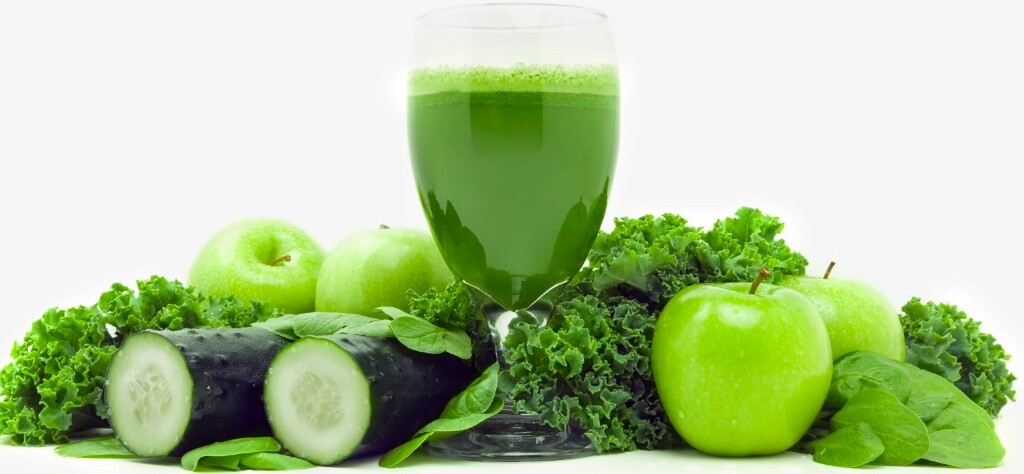
After fasting, try easing into eating with a green smoothie to keep blood sugar from spiking.  Try the recipe below:


GREEN SMOOTHIE

Ingredients

  • ¼ c frozen pineapple
  • 1 c kale or baby spinach
  • 1 tsp coconut oil or MCT oil
  • Juice from 1/2 a lime (or to taste)
  • 1 c almond milk or coconut milk

Instructions

  • Place all ingredients in a blender and blend until smooth. Add ice if desired. 

[su_spacer]

References:
i. “Effects of dietary restriction on adipose mass and biomarkers of healthy aging in human”
https://www.ncbi.nlm.nih.gov/pubmed/27899768
 ii. “Influence of short-term repeated fasting on the longevity of female mice”
http://www.sciencedirect.com/science/article/pii/S0047637400001093
iii. “Fasting enhances growth hormone secretion and amplifies the complex rhythms of growth hormone secretion in man.”
https://www.ncbi.nlm.nih.gov/pmc/articles/PMC329619/

[su_spacer]

For more information or to make a referral please contact us at:

[email protected] or call us 1855 385 5678 ex 801
Or go on to our website www.korunutrition.com to complete our online referral form

Best Sugars to Use

Best Sugars to Use

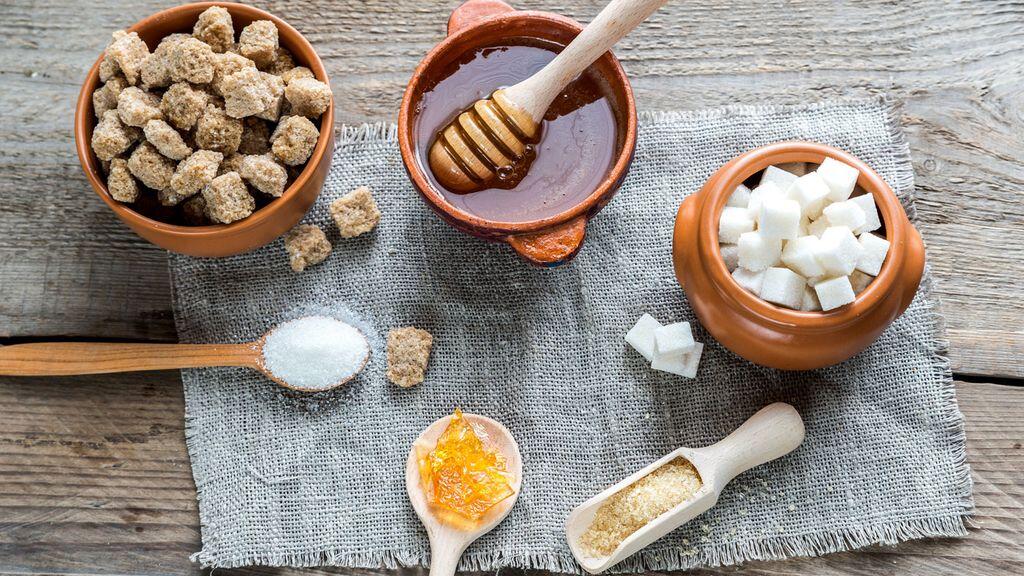
Help! I am ADDICTED TO SUGAR!!!  Is There Any Type of Sweeteners I Can Use?

Ohh sugar… it is just so yummy and delicious! How could anything that tastes so good be so bad for us?

Do you have a sweet tooth? Do you “need” to have something sweet each day?

Sugar is considered to be as addictive as cocaine, which is why so many of us find it so hard to resist. The problem with sugar is that it linked to numerous health problems from diabetes, heart disease, and obesity to depressed immune systems, cancer and tooth decay (i). 

While it is best to keep sugar to a minimum in your diets, when that sweet craving does hit, you will be happy to know that there is some sweeteners that can be better choices for you to help minimize calories and blood sugar spikes. These are Swerve, Erythritol, Monk Fruit and Stevia. 

Swerve:

One tablespoon of Swerve

  • Glycemic Index of 0
  • O Calories 
  • 0 grams of carbohydrates
  • 0 grams of sugar

Swerve is a natural sweetener made from non-GMO ingredients. It contains 2 natural sweeteners, erythritol and oligosaccharides. Oligosaccharides (Inulin) is a type of prebiotic fibre which naturally occurs in various plants and has 0 calories. Randomized controlled trials show that inulin reduces inflammation, and improves intestinal permeability and overall gut health (ii). 

The oligosaccharide, Inulin may also hold promise for reducing insulin levels. In a double-blind, randomized controlled trial, participants supplementing inulin at 10g per day had significantly reduced fasting insulin levels. Another study also shows that inulin had a significant effect on decreasing fasting glucose levels in forty-four subjects with pre-diabetes. 

Swerve works well as an all-purpose sugar substitute in baking because it measures cup for cup and it doesn’t have the bitter after taste that stevia has. 

Erythritol (alcohol sugar):

One tablespoon of Erythitol

  • Glycemic index of 0
  • 0 calories
  • 0 grams of carbohydrates
  • 0 grams of sugar

Despite their name there is no alcohol in sugar alcohols. Sugar alcohols can however cause stomach upset and have a laxative effect (which might be helpful for some of you) so use with caution.

The reason why it doesn’t provide calories  to its consumer is because the body actually can’t break it down! That’s right — even though erythritol travels through your body, it doesn’t get metabolized.  

Erythritol can cause side effects such as diarrhea, headache, and stomach ache in some people and/or when consumed in large doses. Erythitol naturally occurs in some fruits and fermented foods, but the variety being added to food and beverages today is typically man-made from GMO cornstarch, resulting in an ultra-processed food — very far from a natural sweetening agent. So if you chose this product please chose NON GMO and start with smaller doses to monitor for side effects.   

Additionally, unlike natural sugars, erythritol appears to have a positive impact on dental health. Studies show that it inhibits harmful bacteria and reduces plaque – even more so than xylitol does (iii).

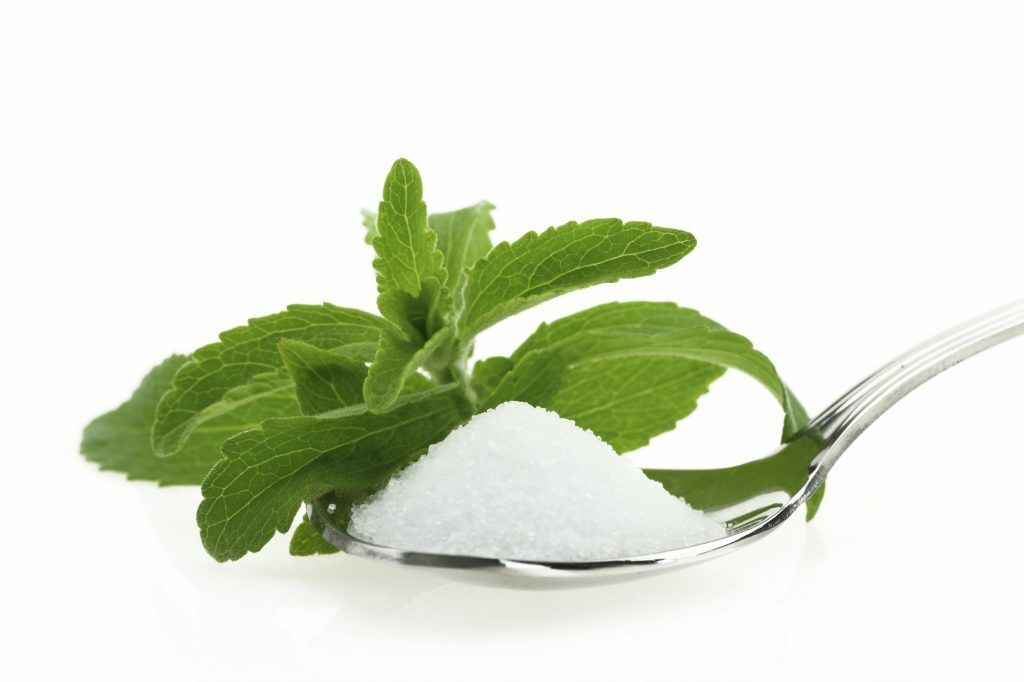
Stevia:

One tablespoon of Stevia

  • Glycemic Index of 0
  • 12 Calories
  • 0.8 grams of carbohydrates
  • 0.8 grams of sugar

Stevia is an extract from a plant which is approximately 200 to 300 times sweeter than sugar. Stevia has gained popularity in the last few years and is becoming more widely available at local stores across North America.

Stevia has a glycemic index of zero, which means it does not affect your blood sugar (insulin) at all.  

One thing to be wary when purchasing stevia is that the product may be mixed with other forms of sweeteners or bulking agents such as maltodextrin (which has a whopping glycemic index of 110!) which will definitely have an impact on your blood sugar levels. 

We recommend purchasing Stevia in either it’s powdered form (rather than granular) or as liquid drops to reduce the chances of having it mixed with other ingredients. The only downside, with Stevia, is that it tends to carry an after taste, but this can be mitigated with the liquid drops.


Monk Fruit:

One tablespoon of Monk fruit

  • Glycemic Index of 0
  • 6 Calories
  • 1.2 grams of carbohydrates
  • 1.2 grams of sugar

Monk fruit (also known as Luo Han Guo) is a fruit from Southeast Asia and looks almost like a lime or melon combination. The fruit is usually dried and then used to make medicinal drinks (Liang Cha).

The extract is about 150 to 200 times sweeter than sugar and contains minimal calories as well. You can purchase the dried fruit at Chinese herbal stores, but if you want to put it in your coffee, you’ll probably want an extract powder or liquid form. Monk fruit’s mogrosides, the compounds that give it its intense sweetness, are also powerful antioxidants. Using monk fruit sweetener can help those already suffering from obesity and diabetes from furthering their condition because it works as a natural obesity treatment.

Using monk fruit is a natural way to fight inflammation (iv). Many studies prove its anti-inflammatory powers are most likely the reason it’s able to positively affect so many other diseases and disorders. Aside from being a proven antihyperglycemic (which helps bring down the blood glucose levels in the body), studies have also shown targeted antioxidant abilities toward pancreatic cells, allowing better insulin secretion in the body. Thus, monk fruit works well as a natural diabetes treatment.

References:

i. Mokdad AH, Bowman BA, Ford ES, Vinicor F, Marks JS, Koplan JP: The continuing epidemics of obesity and diabetes in the United States. Jama. 2001, 286: 1195-1200.

ii. Belorkar SA, Gupta AK. Oligosaccharides: a boon from nature’s desk. AMB Express. 2016;6:82. doi:10.1186/s13568-016-0253-5.

iii. De Cock P, Mäkinen K, Honkala E, Saag M, Kennepohl E, Eapen A. Erythritol Is More Effective Than Xylitol and Sorbitol in Managing Oral Health Endpoints. International Journal of Dentistry. 2016;2016:9868421. doi:10.1155/2016/9868421.

iv. Anti-inflammatory Activities of Mogrosides from Momordica grosvenori in Murine Macrophages and a Murine Ear Edema Model, Rong Di, Mou-Tuan Huang, and Chi-Tang Ho

Journal of Agricultural and Food Chemistry 2011 59 (13), 7474-7481

DOI: 10.1021/jf201207m

v. Identification and Quantification of Antioxidant Components of Honeys from Various Floral Sources, Nele Gheldof,Xiao-Hong Wang, and, and Nicki J. Engeseth*

Journal of Agricultural and Food Chemistry 2002 50 (21), 5870-5877

DOI: 10.1021/jf0256135

[su_spacer]

For more information or to make a referral please contact us at:

[email protected] or call us 1855 385 5678 ex 801

Or go on to our website www.korunutrition.com to complete our online referral form

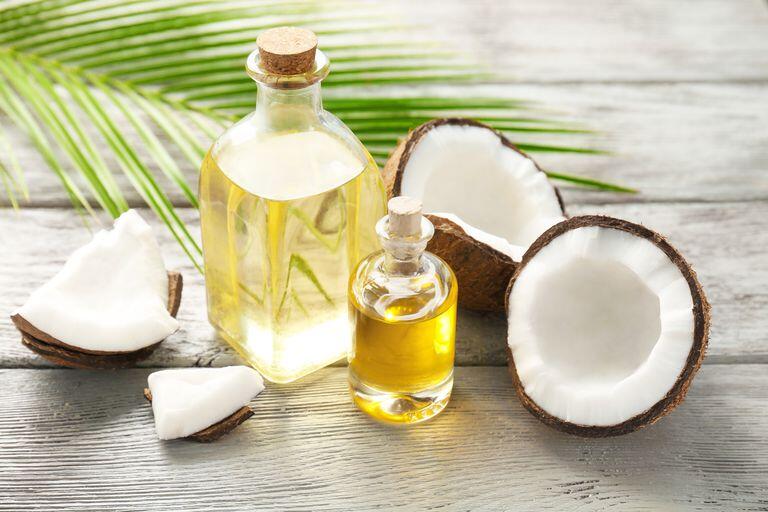
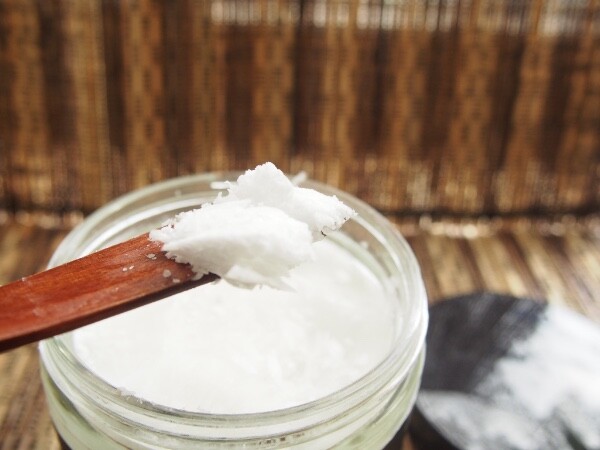
Should you stop consuming coconut oil?

Should you stop consuming coconut oil?

You many have heard about the report put out by the American Heart Association (AHA) last year recommending coconut oil be avoided to decrease your risk of heart disease. This report has left people more confused than ever about coconut oil, but don’t throw out your coconut oil just yet!

The AHA report focused on 4 core studies published between 1969 and 1979 to base their recommendations on. Not surprisingly, this was a time when the “low-fat” theory materialized. Most of the early studies used partially hydrogenated coconut oil and not unrefined virgin coconut oil. There is a huge difference between the two.

Furthermore, the AHA report looked only at cardiovascular health and the role of cholesterol. More and more science is debunking the claim that high cholesterol foods should be avoided. The truth is we do need some saturated fat and cholesterol. From cell membranes, to brain function, to immune function, saturated fats and cholesterol play essential and important roles in our bodies (i, ii).

There are numerous studies that have found benefits to using unrefined virgin coconut oil (i, ii, iii). These benefits include:

  • raises HDL, or “good” cholesterol levels
  • promotes weight loss
  • anti-inflammatory properties
  • anti-microbial properties
  • improves memory and brain function
  • provides energy
  • increases metabolism


There are several flaws with the AHA report. The studies recommend replacing saturated fats with corn and soy oil. These vegetable oils are high in omega 6 fats which our diets are already too high in, and we are too low in omega 3 fats. An unbalanced ratio of omega 6 to omega 3 will increase inflammation and can lead to a whole host of health issues such as obesity, diabetes, rheumatoid arthritis, irritable bowel disease and cardiovascular disease. The focus needs to be less on cholesterol and more on reducing inflammation which is one of the root causes of heart disease (iv).

Another major flaw: Corn and soy oil come from crops that are over 90% genetically modified and contain extremely high levels of glyphosate, the main ingredient in Roundup that has been classified as a probable carcinogen.

Use caution when interpreting results of a study. Industries often influence nutritional sciences. Although the AHA is a nonprofit organization, it does receive funds from companies including the United Soybean Board, and the US Canola Association. It would make sense that the reports they put out would support consumption of these products.

In spite of the flaws of this report, there was one positive recommendation. The AHA also mentioned the benefits of following a Mediterranean diet. This diet is high in healthy fats such as fish, olives, nuts, seeds, and avocados. All great foods that promote heart health. Continue to enjoy your unrefined virgin coconut oil in moderation, increase your intake of omega 3 fats, eat more whole unprocessed foods, and include lots of greens.

Wondering how to get coconut oil into your diet? You can add it to your morning smoothie, as a spread on whole grain toast, you can cook and bake with it and is great in a bulletproof coffee. Try this recipe below to charge up your morning coffee.


Coconut Milk Coffee Creamer 

  • One 13.5 ounce can full fat coconut milk
  • 2 tablespoons vanilla extract
  • 2 tablespoons coconut oil, melted or MCT oil
  • Honey or stevia, to taste
  • Pinch of sea salt


Put all ingredients in a blender and mix until well-combined. Use in coffee as desired.
Recipe adapted from draxe.com

[su_spacer]

References:
i. “A Coconut Extra Virgin Oil-Rich Diet Increases HDL Cholesterol and Decreases Waist Circumference and Body Mass In Coronary Artery Disease Patients”.  https://www.ncbi.nlm.nih.gov/pubmed/26545671
ii. “Inflammatory Cytokines and Risk of Coronary Heart Disease: New Prospective Study and Updated Meta-Analysis”. https://www.ncbi.nlm.nih.gov/pubmed/24026779
iii. “Antimicrobial effects of virgin coconut oil and its medium-chain fatty acids on Clostridium difficile”. https://www.ncbi.nlm.nih.gov/pubmed/24328700
iv. “Healthy intakes of n-3 and n-6 fatty acids: estimations considering worldwide diversity”. http://ajcn.nutrition.org/content/83/6/S1483.abstract

[su_spacer]

For more information or to make a referral please contact us at:

[email protected] or call us 1 855 385 5678 ex 801
Or go on to our website www.korunutrition.com to complete our online referral form