Squash Pancakes

Squash Pancakes

Smoked Salmon Avocado Toast

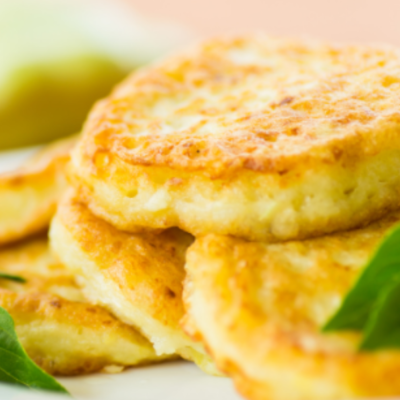
This recipe is gluten free, dairy free, nut free and adheres to the GAPS diet, paleo diet, low salicylates diet, and a low oxalate diet – which are many diets often recommended for children with autism. For families with an autistic child, the child’s symptoms, food cravings and blood work will determine which diet is the most appropriate.

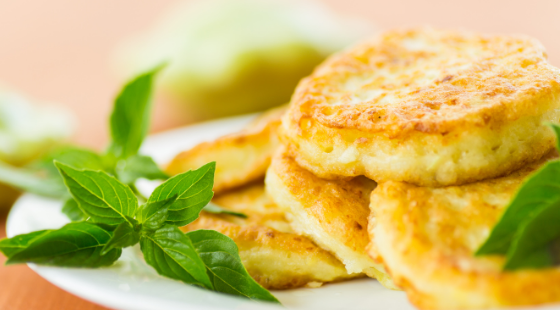
Whether you and your family are affected by autism, are navigating a specialized diet, or are just looking for a healthy breakfast recipe that is gluten and dairy free – this quick and easy-to-prepare pancake recipe is simple to integrate into your diet, even if food choices are limited. And if you aren’t restricting any foods for health reasons, these pancakes are still delicious!

Pureed squash are low in calories but rich in nutrients such as Vitamin A, Vitamin B6 and over 50% of the Recommended Daily Intake of Vitamin C in just one cup. Squash also contains anti-stress minerals like calcium and magnesium. Plus, one cup of squash contains 7 grams of dietary fibre.

We wrote more about eggs on Facebook and Instagram, but some of the benefits include 40% of the Recommended Daily Intake of Vitamin D, choline and omega 3 to support brain function, and loads of protective antioxidants.

The last of the ingredients in this recipe is coconut oil, which is loaded with healthy fats that not only help you feel satisfied and fuller for longer, but also benefit brain health, weight management, immunity and more!

Give these tasty squash pancakes a try, and let us know what you think!

Squash Pancakes

Whether you and your family are affected by autism, are navigating a specialized diet, or are just looking for a healthy breakfast recipe that is gluten and dairy free – this quick and easy-to-prepare pancake recipe is simple to integrate into your diet, even if food choices are limited. And if you aren’t restricting any foods for health reasons, these pancakes are still delicious!
Prep Time 5 minutes
Cook Time 10 minutes
Total Time 15 minutes
Servings 2 servings

Ingredients
  

  • 1 cup Pureed squash acorn or butternut if on a low oxalate diet
  • 4 Eggs
  • 1 tbsp Coconut oil

Instructions
 

  • Heat pan over medium-low heat. Add oil to melt and coat the pan.
  • While waiting for the pan to heat, mix pureed squash and eggs in a food processor or stand mixer (or by hand, in a large bowl, beating with a whisk).
  • Pour dollar-pancake sized dollops of the batter into the heated and oiled pan.
  • With a flipper, flip the pancakes then the edges begin to crisp. Be sure to cook the pancakes until they are golden on both sides and are fully cooked all the way through.
  • Enjoy topped with fruit, nut or seed butter, a drizzle or maple syrup, or your pancake topping of choice!

Notes

Nutritional information per serving:
Calories: 257
Carbs: 12g
Fibre: 3g
Sugar: 3g
Protein: 13g
Fat: 18g

Holy Basil Pesto

Holy Basil Pesto

Smoked Salmon Avocado Toast

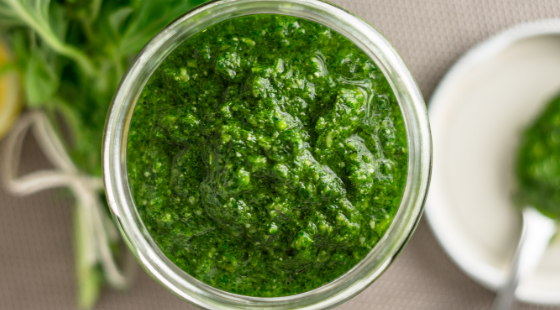
Pesto is super quick to make and a great option for switching out sugar-loaded sauces, with all their nasty additives and preservatives, for a nutrient dense sauce that can be added to a variety of dishes. Pesto is a wonderful addition to pasta or zucchini noodles, omelettes or scrambled eggs, as part of a salad dressing, as a topping to your chicken, or even just as a healthy spread on toast.

It is so simple – just place all the ingredients in a food processor and process until smooth!

Not only is holy basil pesto very quick and easy to make, but it has a lot of therapeutic properties!

As we wrote about in detail in our Top 5 Health Benefits of Holy Basil blog post, holy basil is chock-full of nutrients such as calcium, magnesium, zinc, Vitamin A, Vitamin C and antioxidants like chlorophyll. Holy basil is best known for its adaptogenic properties, in short meaning it assists humans in adapting to stress. As a therapeutic herb, holy basil promotes a sense of calmness and relaxation, which can be helpful if you’ve been feeling stressed out or frazzled.

Don’t let the small size of pine nuts deceive you… they pack a nutrient punch! Pine nuts are rich in nutrients such as vitamin E, vitamin K, copper, iron, and manganese. Believe it or not, Ancient Greeks and Romans, traditionally used pine nuts as an aphrodisiac. Pine nuts contain pinolenic acid, which recent research has found to be an effective appetite suppressant as it triggers hunger suppressant hormones in the gut. Plus, pine nuts are an excellent source of monounsaturated fatty acids, which have been linked to lower cholesterol levels and a lower risk of heart attack.

Most of us know garlic is a superfood! It is antibacterial, anti-fungal, anti-viral, and supports the immune system and cardiovascular system. Plus, it adds a ton of flavour to this pesto!

The olive oil in this recipe contains lignans, which are powerful antioxidants that can help protect against breast, colon and prostate cancer by suppressing early cancer changes in cells. Olive oil also contains vitamin E, which can help combat oxidative stress and free radical damage. Oxidative stress and free radical damage are caused where there are too many potentially harmful compounds circulating in the body, and not enough protective compounds (like vitamin E) to counteract them. Of course, olive oil, is a staple in the Mediterranean Diet, which is well-known to promote a healthy weight and benefit heart health!

Adapted from The Backyard Homestead.

Holy Basil Pesto

Pesto is super quick to make and a great option for switching out sugar-loaded sauces, with all their nasty additives and preservatives, for a nutrient dense sauce that can be added to a variety of dishes. Pesto is a wonderful addition to pasta or zucchini noodles, omelettes or scrambled eggs, as part of a salad dressing, as a topping to your chicken, or even just as a healthy spread on toast.
Prep Time 10 minutes
Total Time 10 minutes
Servings 2 cups

Ingredients
  

  • 2 cups Holy basil leaves fresh
  • 1 Garlic clove crushed or finely minced
  • 1 pinch Sea salt
  • ½ cup Parmesan cheese grated or substitute nutritional yeast for dairy free option
  • ½ cup Extra virgin olive oil
  • cup Pine nuts or substitute walnuts

Instructions
 

  • Add basil leaves, garlic, and salt to the bowl of your food processor.
  • Using the S-blade, pulse until a paste begins to form. You may need to stop and scrape down the sides of the food processor bowl to incorporate all the ingredients well.
  • Add the Parmesan cheese (or nutritional yeast) and pulse again to incorporate.
  • Then, with the food processor running, pour in the olive oil in a thin, steady stream.
  • Finally, add the pine nuts and continue processing until the pesto is a smooth desirable texture.

Notes

Nutritional information per 1/4 cup serving:
Calories: 185
Carbs: 1g
Fibre: 1g
Sugar: 0g
Protein: 3g
Fat: 19g
 

Top 5 Health Benefits of Holy Basil

Top 5 Health Benefits of Holy Basil

Mental Health Gut Article

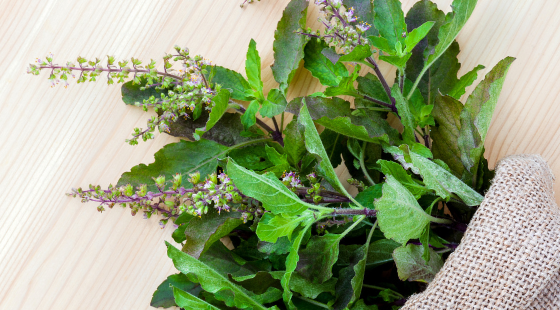
Holy basil, also known as tulsi, is a plant that is native to India but now also grows in Australia, West Africa, and some Middle Eastern countries. Holy basil has been utilized in Ayurvedic medicine for millennia, using the leaves, stems, and seeds to make remedies. As a member of the mint family, holy basil has a spicy, slightly bitter taste, though most varieties also have a hint of sweetness. For culinary uses, holy basil can be consumed as part of a meal or in teas. In modern times, it can also be taken in a variety of supplement forms.

Holy basil contains many nutrients including, but not limited to, vitamins A and C, zinc, and antioxidants. It contains fair amounts of the “anti-stress minerals” such as calcium and magnesium. Plus, the deep green colour indicates it is  also rich in chlorophyll, which can help combat fatigue. (1)

Health Benefits of Holy Basil 

#1. Reduce Stress and Anxiety

Holy basil is best known as an adaptogen. In fact, all parts of the holy basil plant are adaptogenic. In simple terms, an adaptogen is a natural substance that helps the human body adapt to stressors. 

The concept of adaptogens is deeply rooted in several ancient holistic approaches. But, with the help of modern scientific research (2) we’ve learned that holy basil has “pharmacological properties” that promote mental balance, help individuals cope with stress, and even reduce feelings of anxiety. Some research demonstrates that taking holy basil leaf extract twice per day “reduces anxiety, stress, and depression” in individuals previously diagnosed with Generalized Anxiety Disorder (3). In general, adaptogens support resilience.

Further studies reported reduced problems with stress, sexual function, sleep, forgetfulness and exhaustion. As published in the Journal of Ayurveda and Integrative Medicine, holy basil leaves have antidepressant and anti-anxiety properties (4) that compare to diazepam and other antidepressant drugs.

#2. Reduce Pain and Inflammation 

As an adaptogen with known anti-inflammatory and analgesic (pain-killing) properties, holy basil has been studied for use in reducing both pain and inflammation. Holy basil has proven beneficial for wound healing and reducing swelling, but also for more chronic inflammatory conditions such as arthritis and fibromyalgia. (5)

#3 Boosts the Immune System

Holy basil is well documented to benefit immune function. Holy basil is naturally antibacterial, antiviral, and anti-fungal. Even more amazing, holy basil leaf extract is proven to increase T-helper cells and natural killer (NK) cell activity. These immune cells are important not just for fighting off infections, but also for preventing cancer formation. 

#4. Support Cardiovascular Health

In studies it has been demonstrated that holy basil supports improvements in cardiovascular risk factors. In one study, this included reducing fasting blood glucose by 60 percent in the study group as compared to 10 percent in a control group after thirteen weeks of administering a holy basil extract. It was reported that, for those in the treated group, body weight, serum total cholesterol, and low-density lipoprotein (“bad”) cholesterol decreased, while serum high-density lipoprotein (“good”) cholesterol increased (6).

#5 Protect Your Stomach

Many ulcers are stress-induced. Holy basil can help increase your stomach’s natural defences to the effects of stomach acid by stimulating the production of more mucous in the stomach. Plus, holy basil itself contains anti-ulcer compounds.

How To Use Holy Basil

There are many ways to incorporate holy basil into your daily life.

Holy basil can be used as you would any other mint by incorporating it into soups, stir fries, in salads, as a garnish, or by making a pesto sauce.

It is also both traditional and popular to make tea with holy basil using the leaves, flowers, or a dried leaf powder. 

As mentioned, holy basil is also available in supplement form, and it is available as an essential oil. Although holy basil has not shown any negative side effects in studies, it is always recommended to speak to your doctor or health care practitioner prior to starting any new supplements, as it could interact with medications you’re already taking.


So, whether you’re interested in the various benefits including reducing stress and anxiety, reducing pain and inflammation, boosting the immune system, supporting cardiovascular health, and protecting the stomach; or you’re just looking for a delicious new herb to spice up your meals holy basil is an awesome choice!


References

  1. https://www.ncbi.nlm.nih.gov/pmc/articles/PMC3249909/ 
  2. https://www.hindawi.com/journals/ecam/2017/9217567/ 
  3. https://www.webmd.com/vitamins/ai/ingredientmono-1101/holy-basil
  4. https://www.ncbi.nlm.nih.gov/pmc/articles/PMC4296439/
  5. Nyarko, et al., “Aqueous extract of Ocimum canum.”
  6. http://ispub.com/IJGE/11/1/14310

Autism and Nutrition: Where To Start?

Autism and Nutrition: Where To Start?

Mental Health Gut Article

It can be overwhelming and challenging having a child on the Autism Spectrum. As parents it can be hard to see your child struggle with communication and behaviour challenges, difficulties socially interacting with their peers, and/or the ability to concentrate and focus in school. 

Meal times can be especially stressful if your child is picky and refuses to eat; sometimes limiting their foods to just a couple of different items. Then you go and see a health professional, and they may recommend you remove certain triggers, thereby  restricting their food intake even more…aaarrgh!!

So, where do you start? 

First, let’s backtrack a bit and explore what causes Autism…

What Causes Autism?

Autism is a neurological condition where body chemistry influences brain chemistry. Diet and nutrition are the building blocks that affect this biochemistry. 

There is not one single cause of autism. In fact, there are quite a number of different reasons that your child may present with the symptoms or behaviours that they do. 

Autistic people have a higher likelihood of having problems with detoxification in relation to environmental pollutants; artificial colourings, flavourings, and other additives in foods (which are so common in a North American diet); and/or a decreased ability to detoxify the body of these. This can be due to a compromised immune system from gut inflammation, food allergies and intolerances, invading gut pathogens, microflora imbalances, or digestive issues such as “leaky gut”. This could also be due to oxidative stress, or differences in certain chemical pathways in the body, such as methylation and sulfation. 

The above potential variance in detoxification and metabolism in people with autism are just the tip of the iceberg when it comes to innate biochemical differences that may be present. That is one reason why having a key focus on determining which underlying cause or causes (as often it can be more than one) there are for your child’s symptoms and behaviours.

So, where to begin?

Often, the first step is to determine underlying triggers, which may mean having blood work or other laboratory testing completed by a health professional that is specialized in autism.

Laboratory testing done by an autism specialist, such as an experienced Naturopathic Doctor, can provide valuable information including identifying nutrient deficiencies, food allergies and intolerances, gut issues, microbiome imbalances, immune problems and biological differences with certain biochemical pathways. 

As Nutritionists we can then help create strategies for your day-to-day life, in a hands-on way, that assist in the implementation of recommendations made by your Naturopathic Doctor or Functional Medicine Practitioner after testing. We have experience collaborating with other specialists to support the overall treatment plan required. Of course, we’re happy to offer our food or nutrient specific expertise as well!

What happens after lab tests have identified underlying issue(s)?

There are many potential options that would be evaluated on an individual basis including:

  • Supplement recommendations, as nutrient deficiencies are common due to several factors including poor diets (from being picky eaters) and imbalanced digestive systems affecting the ability to break down and absorb food. 
  • A specialized diet may be recommended for your child. Making dietary changes can promote systemic healing and help improve mood, learning and behaviour. We recognize that dietary changes in itself come with their own set of challenges.

Autism and Special Diets

Gluten and Dairy Free Diets

There is an abundance of diets that have been shown to help children with Autism. The most common and ideal starting point is going gluten and dairy free, as so many children on the spectrum are often sensitive to the proteins gluten and casein. 

In fact, a AIR Survey of parent ratings on treatment success of implementing a gluten and dairy free diet with kids on the spectrum showed that 55% of children experienced improvements on a casein free diet (based on 6950 children), 55% experienced improvements on a wheat free diet (based on 4340 children), and 69% of children experienced improvements on the combined casein and gluten free diet (based on 3593 children). It was also found that children experienced improvements on a casein free diet within a month, and that it took 1-3 months of elimination to see improvements on a gluten free diet. 

Implementing a gluten and dairy free diet can be challenging. But, working with an experienced Nutritionist to help guide you on your child’s journey through these changes can be very helpful. 

Why are gluten and casein so harmful for children with autism?

As mentioned above many children have problems with gluten and casein due to food sensitivities (IgG, IgM, IgA) or food allergies (IgE). They may lack the DPP-IV enzyme (the enzymes that helps to breakdown gluten and casein in the body) or lack digestive abilities to break down the gluten and casein proteins and absorb them. Unfortunately, these proteins can create an opioid-like response in the brain, similar to a drug addiction. If your child craves breads and dairy it may be part of that opioid-like response, where their addiction is so strong they refuse to eat other food groups, resulting in being a very picky eater. 

Gluten can create gastrointestinal inflammation and damage to the intestines resulting in “leaky gut” (or intestinal permeability, if you want to get fancy). Enzymes are diminished and nutrients are not absorbed properly leading to nutrient deficiencies which will affect mood, behaviour and cognition. This process leads to systemic inflammation, which taxes the immune system, and may result in autoimmune responses. Gluten issues and inflammation can cause depression, anxiety, and ADHD symptoms.

It is important to understand that if you implement a gluten-free, casein-free (GF, CF) diet that a child may experience a worsening of symptoms initially, due to the opioid-like withdrawal effect of removing these foods (proteins) from the diet, before they experience improvement.

Food Addictions & Autism

As mentioned above, one of the reasons why so many autistic people are picky eaters is because of food addiction. When the individual gets a “high” from a problematic food (which has shown to be similar to morphine), it can be so strong that they refuse to eat other foods and food groups. This is one reason why you may notice kids on the spectrum gravitating to food such as cheese and bread, but it could be anything. 

Symptoms and signs of a food addiction include:

  • Addicted and crave certain foods to the point that they can have temper tantrums if they don’t get it
  • High pain tolerance
  • Inattention and spacey behaviour
  • Aggression (to self and others)
  • Stimming
  • Mood changes
  • Poor eye contact
  • Difficulty speaking
  • Anxiety, depression and irritability 

Other Special Autism Diets

Although the GF,CF diet is a great starting point, there are many more diets that have been proven to be effective with improving day-to-day life and the health of kids on the spectrum. Based on laboratory test results you might be asked to explore one of the following diets or a combination of them including: 

Specific Carbohydrate Diet (SCD), GAPS Diet, low FODMAP diet, low phenols diet, low oxalate diet, low salicylate diet, ketogenic diet, paleo diet, low carbohydrate diet, candida diet, Failsafe diet, Feingold diet, Body Ecology diet, or a diet to support methylation and sulfation.

Do special diets for autism really work?

It is important to understand the goal of the diet, how to begin, and then progress from there with implementation of the special diet to help ensure the effectiveness of it. And although it might seem intimidating and overwhelming, it can be worth it! 

Based on surveys of parents with children on the spectrum that have implemented a special diet, they have reported the following improvements:

  • Gastrointestinal problems relieved
  • Diarrhea & constipation lessens/resolves
  • Improved language skills and learning
  • Greater focus and attention
  • Reduced hyperactivity
  • Improved eye contact
  • More appropriate behaviour
  • Aggressive behaviour and tantrums improve
  • Better sleeping
  • Easier toilet training
  • Skin rashes or eczema clear up
  • General health & happiness has improved

How to implement a special diet?

We highly recommend being supported by a qualified dietitian or nutritionist with specific experience addressing autism. It is likely they will work together with a Naturopathic Doctor to complete laboratory testing. Having someone to guide the foods to have and avoid in a way that is practical for your family is key. Having someone to turn to for recipes and ideas that are kid friendly, as well as strategies on how to introduce new foods, especially if your child is a picky eater is very important. Having a professional to work with will help take out the guesswork and stress off you to enable a successful outcome for your child. 

Remember you don’t have to do it alone. We know how challenging and overwhelming dietary and lifestyle change can be. But, it’s worth it!

The SuperPowers of the Superfood Jicama

The SuperPowers of the Superfood Jicama

Mental Health Gut Article

What is Jicama?

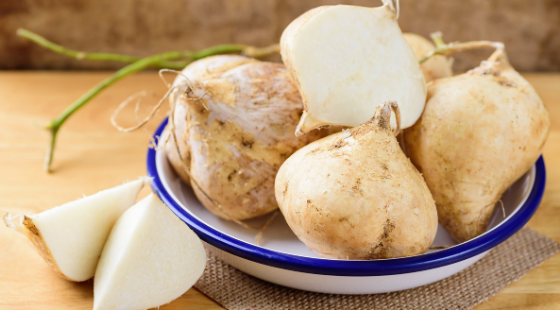
The Jicama looks similar to a potato. It is a bulbous root vegetable with golden-brown skin and starchy white flesh. Jicama is much healthier and has far fewer carbohydrates than your average potato, however.

The jicama plant grows mainly in Mexico and Central America, but can also be grown in the Philippines and many other regions of Asia. 

The white interior flesh of a jicama is juicy and crunchy, with a slightly sweet and nutty flavor. Some say it tastes like an apple, but not as sweet. Others think of the flavour as a cross between a potato and a pear.

Nutritional Value of Jicama

One cup (130 grams) of jicama contains the following nutrients:

  • Calories: 49
  • Carbs: 12 grams
  • Protein: 1 gram
  • Fat: 0.1 gram
  • Fiber: 6.4 grams
  • Vitamin C: 44% of the RDI
  • Folate: 4% of the RDI
  • Iron: 4% of the RDI
  • Magnesium: 4% of the RDI
  • Potassium: 6% of the RDI
  • Manganese: 4% of the RDI

Jicama is gaining popularity within western cultures, and there’s good reason for that! 

Below we share  8 health and nutrition benefits of jicama:

1. Jicama Promotes Good Digestion

One cup (130 grams) of jicama contains 6.4 grams of fiber, which can help you meet your daily fiber needs (1). This is the equivalent of 17% of the Recommended Daily Intake (RDI) for fiber for men and 23% of the RDI for women. Dietary fiber helps increase the bulk of stool, allowing food and waste to move more efficiently through your digestive tract (2).

Moreover, icama contains a specific type of fiber called inulin. Studies show that inulin can increase the frequency of bowel movements by up to 31% in those with constipation (3).

2. Jicama Supports Healthy Gut Bacteria

As noted above, jicama is a dense source of a soluble fiber. When this soluble fiber is consumed, it results in something known as a “stagnant carbohydrate”. In the case of jicama, this “stagnant carbohydrate” is the oligofructose inulin that was mentioned above. What’s unique about “stagnant carbohydrates” is that they are not broken down to  sugar while passing through the human digestive system.. These carbohydrates are then able to ferment in the lower digestive system, feeding good bacteria such as bifidobacteria, and aiding in the growth of their probiotic colonies. Over 75 percent of our immune system in the gut. So, by helping  promote healthy gut bacteria growth, and balancing the flora in the digestive system, jicama can support overall health and immunity function.

3. Jicama Can Help Balance Blood Pressure

Jicama contains potassium, a mineral known as a vasodilator, which lowers the pressure in the circulatory system. The high potassium levels in jicama act as an electrolyte promoting hydration and fluid/sodium balance, which in turn may help keep blood pressure at a healthy level.

4. Jicama Is Loaded With Antioxidants

Antioxidants are vital to combat free radical damage within the body. In short, free radicals are molecules with unpaired electrons that bounce around the body and can “steal” electrons from cells, resulting in molecular damage. Free radical damage is implicated in a variety of diseases such as cancer, cardiovascular disease, diabetes and cognitive decline. 

One cup of jicama provides 40%  of the Recommended Daily Intake (RDI) of the antioxidant vitamin C. It also contains the antioxidants vitamin E, selenium and beta-carotene (2). 

5. Jicama Is Rich In Water

Jicama is 85% water. Foods with a high water content can help you meet your daily fluid needs (4). Because jicama is also dense in minerals, which act as electrolytes, it further promotes hydration and fluid balance in the body. Similar to watermelon or cucumber, you can use it to help you stay hydrated, especially when it’s hot outside. 

6. Jicama May Promote Blood Sugar Balance

Jicama is an ideal food for people with diabetes because it does not break down into simple sugars during digestion. If you have diabetes or blood sugar problems, jicama is a safe snack or side dish. So although jicama may have all of the comforting starchy flavour and feel of a potato, and it does contain carbohydrates; unlike potatoes the carbohydrates in jicama have a low glycemic load, which means the carbohydrates don’t affect your blood sugar very much. (5,6)

7. Jicama and Weight Loss

As explained above, this root vegetable is low in calories and high in fiber and water, making it a weight loss-friendly food. Jicama has been found to help regulate metabolic processes, and promote the balance  of hormones.

Unlike many other root veggies, jicama is also keto-friendly! It’s also a natural source of nitrates, which have been shown to amp up your body’s natural ability to burn fat faster. (7) 

8. Jicama Can Strengthen Bones

The inulin produced during the digestion of jicama allows the body to absorb minerals more efficiently. Oligofructose inulin keeps bones healthy by slowing the rate at which you lose bone density while enabling the absorption of calcium and other minerals. Calcium is one of the more difficult-to-absorb minerals, so help boost your absorption by including jicama in your meals or snacks a couple times during the week! 

Jicama Risks

Jicama is a delicious, inexpensive, low calorie, and low-fat food that is high in fiber, water, and minerals.  BUT only the white flesh of the root vegetable is safe to eat. Jicama’s skin, stem, leaves, and seeds are poisonous.

How To Eat Jicama

Traditionally, jicama is eaten raw in slices with salt, lemon or lime juice, and chilli powder sprinkled on top. 

You can also:

  • Pickle jicama
  • Grate it into a slaw with cabbage, carrots, apple and/or onion
  • Use it in place of (or along with) carrots as a crunchy salad topping 
  • Serve it on veggie platters slices like cucumber or celery
  • Add it to stews, soups, or stir-fries
  • Boil and mash it like potatoes
  • Cut into thin strips, coat with oil, and bake or fry it


References:

1 https://nutritiondata.self.com/facts/vegetables-and-vegetable-products/2727/2#ixzz377hOonGG

2 https://www.ncbi.nlm.nih.gov/pmc/articles/PMC3544045/

3 https://pubmed.ncbi.nlm.nih.gov/25208775/

4 https://pubmed.ncbi.nlm.nih.gov/21737769/

5 https://pubmed.ncbi.nlm.nih.gov/26175995/

6 https://pubmed.ncbi.nlm.nih.gov/26798198/

7 https://www.firstforwomen.com/posts/diet/how-to-increase-nitric-oxide-weight-loss-165737