by Kylie James | Mar 23, 2026 | Health & Wellness, Lunch, Recipes, snack, Uncategorized

Pâté is a nutrient-dense food that can provide several health benefits when consumed in moderation. Traditionally made from liver—such as chicken, duck, or pork—pâté is particularly rich in high-quality protein and essential micronutrients. Protein is important for maintaining muscle mass, supporting immune function, and helping the body repair tissues. Because pâté is concentrated and nutrient-dense, even a small portion can contribute meaningful amounts of protein and nutrients to the diet.
One of the most notable benefits of pâté, especially liver pâté, is its high content of iron. Liver contains heme iron, the form of iron that is most easily absorbed by the body. Adequate iron intake is essential for the production of hemoglobin, which carries oxygen in the blood. The prevalence of iron deficiency and iron-deficiency anemia globally affects about 20–25% of people, making it the most common nutritional deficiency worldwide.
In Canada, most of the population has adequate iron status, but deficiency still occurs in specific groups. Data from the Canadian Health Measures Survey suggest that about 5% of Canadians aged 3–79 have low iron stores, with the prevalence higher in females (around 8%). Adolescents and women are particularly vulnerable due to menstrual blood loss and increased iron requirements during growth. Consuming foods rich in heme iron can help prevent or address iron deficiency, support energy levels, and reduce the risk of fatigue or anemia, particularly in individuals with increased iron needs.
Pâté is also an excellent source of several important vitamins, particularly vitamin A, vitamin B12, and folate. Vitamin A plays a critical role in vision, immune health, and skin integrity. Vitamin B12 supports nerve function, red blood cell production, and cognitive health, while folate is necessary for DNA synthesis and cell division. Because these nutrients are found in high concentrations in liver, pâté can be a valuable addition to the diet for individuals who may struggle to obtain adequate amounts through other foods.
In addition, pâté provides beneficial fats that help support nutrient absorption and overall health. Many versions contain monounsaturated and saturated fats that can help provide sustained energy and contribute to satiety, helping people feel full after meals. The fat content also aids in the absorption of fat-soluble vitamins such as vitamin A.
Iron Rich Pate
This recipe is high in iron, B2, B12, folate, zinc, selenium, and copper, as well as protein. Which are all key nutrients to support healthy hair and manage stress?Quick and easy to put on toast, cucumbers, or as a dip for raw vegetables. Can't go wrong! Prep Time 10 minutes mins
Cook Time 10 minutes mins
Course Appetizer, Side Dish, Snack
Cuisine Mediterranean
- 6 slices bacon
- 1 yellow onion minced
- 4 garlic cloves minced
- 1 1/16 lbs beef liver
- 2 tbsp dried thyme
- 1/2 cup coconut oil melted
- 1/2 tsp sea salt
- 1 cucumber sliced
In a cast-iron pan, cook the bacon slices until crispy. Set the bacon aside and reserve the grease.
Add the onion, garlic, liver, and thyme to the pan. Cook over medium heat until the liver is cooked through, about 5 minutes per side.
Remove from heat and transfer to a blender or food processor along with the bacon. Add the coconut oil and salt and blend until a smooth paste forms.
Spread onto cucumber slices and enjoy.
by Kylie James | Mar 12, 2026 | Health & Wellness, Koru Nutrition Blog, Uncategorized
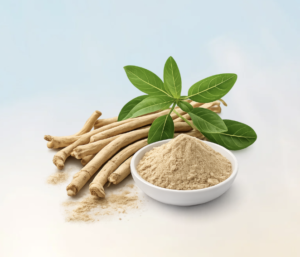
What Is Ashwagandha?
Ashwagandha (Withania somnifera), also known as Indian ginseng or winter cherry, is a traditional Ayurvedic herb that has been used for thousands of years to support overall health and well-being.
Ashwagandha has also been associated with improved cognitive function, including memory and focus, as well as enhanced energy and physical performance. In addition, research suggests it may support immune function, reduce inflammation, and help regulate blood sugar levels (3,4). Some studies also indicate potential benefits for hormone balance and reproductive health.
Ashwagandha is best known for its ability to support resilience to physical and mental stress by lowering levels of the stress hormone cortisol, which can inturn help to adress other stress related problems such as mood, reduce anxiety, and support better sleep. In Ayurvedic medicine, it is considered the one of the best adaptogens.
Unlike synthetic medications that target a single pathway, adaptogens like ashwagandha work more broadly, helping regulate the body’s stress response and improve resilience during periods of physical or emotional stress. Ashwagandha contains a variety of bioactive compounds — most notably withanolides — which have antioxidant, anti-inflammatory, and neuroprotective properties. These compounds play a key role in balancing and regulating our stress hormones.
Ashwagandha can help regulate the hypothalamic-pituitary-adrenal (HPA) axis, which controls the body’s stress response. By supporting healthy cortisol levels — the body’s primary stress hormone — ashwagandha can help the body better adapt to physical and mental stress. (2) Because stress plays a major role in many modern health concerns, adaptogen herbs such as ashwagandha are increasingly being used as part of holistic wellness programs.
Top Health Benefits of Ashwagandha
1. Stress Reduction & Anxiety Relief
One of the most well-studied benefits of ashwagandha is its ability to reduce stress and anxiety. Some evidence suggests that ashwagandha may influence neurotransmitters such as GABA and serotonin, which are involved in mood regulation and stress resilience. (3)
Several clinical trials have shown that daily supplementation — particularly at doses between 500–600 mg per day — can significantly lower perceived stress, anxiety scores, and cortisol levels compared to placebo. (2) This adaptogenic effect makes it one of the most popular herbal options for individuals experiencing chronic stress, workplace burnout, or anxiety-related symptoms.
2. Improved Sleep Quality
Ashwagandha may also help support better sleep. Small studies involving individuals with insomnia or poor sleep patterns have shown that supplementing with ashwagandha can help people fall asleep faster, sleep more deeply, and wake less frequently during the night.
A 2021 review found that taking at least 600 mg daily for eight weeks significantly improved sleep quality and reduced anxiety in individuals experiencing chronic stress. (5)
3. Enhanced Immune Function
Emerging evidence suggests that ashwagandha may support immune system activity. In one study, participants taking ashwagandha extract for 1 month showed improvements in markers of both natural and adaptive immune responses, suggesting enhanced defences against infections. (6)
Supporting the immune system also involves a strong nutritional foundation. Foods rich in antioxidants and anti-inflammatory nutrients play an important role in maintaining immune resilience.
4. Hormonal & Reproductive Health
Ashwagandha has also been studied for its potential effects on hormonal balance — particularly testosterone and reproductive health in men. Research suggests that doses in the 300–600 mg range may increase testosterone levels, sperm count, and motility in men with suboptimal reproductive markers. (7)
5. Cognitive Function & Memory
Preliminary research suggests that ashwagandha may support brain health, including memory, focus, reaction time, and cognitive performance. These benefits are thought to be related to the herb’s antioxidant effects and potential influence on neuronal signalling pathways. However, larger human studies are still needed. (8)
6. Anti-Inflammatory & Antioxidant Effects
Chronic inflammation is associated with aging and a variety of health concerns, including cardiovascular disease, arthritis, and metabolic disorders. Ashwagandha’s anti-inflammatory and antioxidant properties may help reduce inflammatory markers and support overall cellular resilience. (9)
Health Conditions Ashwagandha May Help With
Although research is still evolving, ashwagandha is commonly used — under professional guidance — to support individuals experiencing:
• Chronic stress and anxiety
• Insomnia or poor sleep quality
• Reduced immune resilience
• Hormonal imbalance
• Mild cognitive decline
• Inflammatory conditions
It’s important to remember that not all of these uses have strong clinical evidence. Many benefits are based on traditional use and smaller human studies. Always consult a healthcare professional before starting a new supplement regimen.
Who Should Not Take Ashwagandha?
Although ashwagandha is generally well tolerated for most healthy adults when used short-term (typically up to three months), certain individuals should avoid it or consult a healthcare provider first. These include
• Pregnant or breastfeeding individuals
• People with autoimmune conditions such as lupus, rheumatoid arthritis, or multiple sclerosis
• Individuals with thyroid disorders
• Those with hormone-sensitive cancers
• Individuals with liver disease
Ashwagandha may also interact with medications, including:
• Sedatives or anti-anxiety medications
• Blood pressure medications
• Diabetes medications
• Immunosuppressants
• Thyroid hormone treatments
• Benzodiazepines or anticonvulsants
It should also be discontinued at least two weeks prior to surgery due to potential interactions with anesthesia and blood pressure regulation.
Side Effects & Safety
Most people tolerate ashwagandha well at recommended doses. However, some mild side effects may occur. These can include:
• Gastrointestinal discomfort (nausea or diarrhea)
• Drowsiness
• Headache or dizziness
Although rare, isolated cases of liver injury have been reported, emphasizing the importance of using high-quality supplements and professional guidance, particularly for long-term use.
Optimal Ashwagandha Dosing
There is no universally established dose for ashwagandha because research varies depending on extract type and intended health outcome. However, common evidence-based guidelines include:
Stress & Anxiety: 225–600 mg per day of standardized extract, often taken as 300 mg twice daily for 6–8 weeks.
Sleep Support: Around 600 mg per day, typically taken in divided doses or before bedtime.
Immune Support: Lower doses, such as 60 mg per day, have shown improvements in certain immune markers in smaller studies.
Hormonal & Performance Support: 300–600 mg twice daily has been used in studies examining testosterone levels, fertility, and physical performance.
Most clinical studies evaluate supplementation for 8–12 weeks, and experts generally recommend limiting use to short-term periods unless supervised by a healthcare professional.
How To Take It
You can take Ashwagandha in a capsule or powder form and can incorporate it into your hot drinks or smoothies. An example of incorporating it into a hot drink as part of a calming evening routine is to make this simple Ashwagandha Moon Milk Recipe
Ashwagandha is generally considered safe for many people when taken in moderate doses for short- to medium-term use, and several clinical studies have used it safely for 8–12 weeks. Some people do continue taking it longer under professional guidance, but long-term use is still being studied, so many practitioners recommend periodic breaks. This is mainly because most research has focused on shorter durations, meaning there is less data on safety beyond several months of continuous use.
One reason to be cautious with long-term use is its potential effects on hormones and the endocrine system. Ashwagandha can influence cortisol levels and may also affect thyroid hormones by increasing T3 and T4 in some individuals. While this can be beneficial for some people, those with thyroid conditions—particularly hyperthyroidism—could experience unwanted effects if the herb is taken continuously without monitoring.
For many people, a common approach is to take ashwagandha for 8–12 weeks and then take a break for several weeks before resuming if needed. This allows the body to reset and helps reduce the chance of tolerance or unwanted effects. Overall, long-term use may be appropriate for some individuals, but it is generally best done with periodic breaks and guidance from a qualified healthcare practitioner.
Summary
Ashwagandha is an adaptogenic herb widely used in traditional Ayurvedic medicine and increasingly supported by modern research for its potential health benefits. Evidence suggests that ashwagandha may help reduce stress and anxiety by lowering cortisol levels and supporting the body’s resilience to physical and psychological stress. It has also been associated with improvements in sleep quality, cognitive function, mood, energy levels, physical performance, and muscle strength, while others suggest it may support healthy blood sugar levels, reduce inflammation, and enhance immune function. Additionally, emerging research shows potential roles in supporting male fertility.
Overall, ashwagandha is considered a versatile botanical that may promote overall wellbeing, particularly in individuals experiencing chronic stress or fatigue.
If you want more strategies on how to manage your stress please check out our article Best Foods to Manage Stress
References
- Kubala, J., & Spritzler, F. (2023). Health benefits of ashwagandha, based on research. Healthline.
- Office of Dietary Supplements. (2023). Ashwagandha Fact Sheet for Consumers. National Institutes of Health.
- Cleveland Clinic. (2025). What Is Ashwagandha? Uses and Potential Benefits.
- National Center for Complementary and Integrative Health. (2023). Ashwagandha: Usefulness and Safety.
- Salve, J., et al. (2019). Effect of Ashwagandha (Withania somnifera) extract on sleep: A systematic review and meta-analysis. PubMed Central.
- Wankhede, S., et al. (2015). Immunomodulatory effect of Withania somnifera (Ashwagandha) extract—A randomized, double-blind, placebo-controlled trial. MDPI.
- Dongre, S., et al. (2015). Effects of Withania somnifera on reproductive system: A systematic review of available evidence. PubMed Central.
- WebMD. (2024). Ashwagandha: Uses, benefits, and side effects.
- Grover, A., et al. (2012). Tackling chronic inflammation with withanolide phytochemicals—A Withaferin A perspective. PubMed Central.