
Healthy Lunch Box Challenge

Healthy Lunch Box Challenge

Mother and son preparing lunchbox in kitchen

It has been a long time since our kids were at school and going back to school this year will not be the typical back-to-school experience. With staggered classes, online learning, COVID-19 looming, as well as kids adjusting to a “new normal” after 6 months off, it’s making for a stressful time. 

But putting lunches together should not be stressful! At Koru Nutrition we want to make sure you have the tools and some lunch ideas to help give your child a solid nutritional foundation, whether they are learning from school or at home. Healthy lunches are not only conducive to optimizing their learning experience, but also help to support healthy immune systems! 


Lunch Box Goals

#1. Eat the Rainbow

Health Canada recommends that children 11 and under should be consuming 5 servings of fruit and vegetables daily. If your children are 12 to 13 years, they require 6 servings of fruits and vegetables daily, and for teens 14+ females require at least 7 servings of fruits and vegetables daily and males 14+ need 8 servings of fruits and vegetable a day. 

Canadian Community Health Survey (CCHS) indicates that approximately 70% of children aged four to eight years, and 65% aged nine to 13 years, do not consume the recommended minimum five servings of fruits and vegetables daily (11). Fruits and vegetables contain fiber to help regulate the bowels and support a healthy gut flora. They contain a variety of vitamins, minerals, antioxidants, phytonutrients to support brain health, mood, and immune system. So, it is vital that we ensure our kids are getting these foods into their diet—ideally at every meal!

If your kids don’t like vegetables, it is amazing where you can hide them. Check out these “Green Monster Muffins”.

Goal: Incorporate at least one fruit and one vegetable into your child’s lunch box each day.


#2. Choose Healthy Carbohydrates

It’s important to avoid the temptation of putting sugar-laden processed treats into our child’s lunch box. Your kid might be happy in the moment, but you are not doing them any favours with their ability to remain focused, learn and maintain a stable mood throughout the day. Blood sugar imbalances can occur leading to behavioural and emotional challenges both during school hours and after school, which can make it tough on everyone.

Complex carbohydrates not only include the fruits and vegetables above, but they also include whole grains, legumes and lentils. Some healthy options include roasted chickpeas, a whole grain sandwich or wrap, whole grain muffin sweetened with apple sauce (not sugar), left over dinner of brown rice or whole grain pasta, brown or basmati rice (not white rice), or vegetable chilli in a thermos. You can even make some healthy sweet treats from these ingredients such as black bean brownies or chickpea blondies. Complex carbohydrates will help fuel your child’s brain during the day.

Goal: Incorporate 1-2 complex carbohydrates into your child’s lunch box.


#3. Don’t Forget Good Fats

We can’t emphasize enough the importance of healthy fats in your child’s diet and avoiding the bad fats, such as saturated fats and trans fats, because these bad fats can displace the good fats from your child’s brain. Healthy fats make up 60% of your brain and are critical to support healthy brain function. Research shows that good fats such as omega-3 can help boost memory and cognition and help support a healthy mood. Healthy fats include raw nuts and seeds, nut/seed butters, eggs, coconut oil, ketogenic recipe snacks, raw energy balls, avocado, and olives, although you may need to avoid nut-based products on days your child is at school. The standard western diet does not tend to provide enough healthy fats for our health, but we can change this!

Goal: Incorporate at least one healthy fat into your child’s lunch.


#4. Eat Clean & Lean Protein Sources

Protein has many important functions for the body and the brain. It helps to make neurotransmitters to help us focus, stay motived, plan and problem solve. However, so much of our children’s options for protein are highly processed and loaded with hidden sugars, artificial colourings and preservatives that only serve to hinder their brain function and health as opposed to help it. Examples of these “unhelpful” protein foods include processed deli meats, luncheon meats, hotdogs, processed cheeses, and Cheez Whiz.

Alternatively, healthy proteins include a boiled egg, left over dinner such as chicken, steak, salmon, cans of tuna, seeds, chickpeas, hummus, seaweed, quinoa, non GMO soy, plain Greek yoghurt, kefir, hormone free sausages, protein powder etc. 

Goal: Include a healthy protein into your children’s lunch each day.


#5. Stay Hydrated

We all hear that we need to drink water, but it helps to know why. Just a 2% drop of hydration can cause fuzzy short-term memory and a 5% drop in water levels in the body can cause 25- 30% loss of energy. But it is important to consider what your child is drinking as most people, including children, are consuming their excess sugar intake from sugar-sweetened beverages. There is no need to pack juice boxes for kids’ lunches as the health benefits of the fruit juice has been lost in processing leaving a sugar-loaded drink with limited nutritional value. Just stick to good old plain water!

Goal: Have a water bottle packed each day for your child. If they are not partial to plain water, you can use stevia-sweetened flavourings or cut up fruit in it. If it is a hot day add in ice cubes. 


Putting It All Together

Following these guidelines, will be a great start to help give your child the nutrients and fuel they need to stay focused and engaged in learning as well as support a healthy immune system, which in these current times is just as important.

So, each day in your child’s lunch aim to include:

      • At least one fruit
      • At least one vegetable
      • 1-2 complex carbohydrates
      • A good fat
      • A healthy protein
      • Water

With these nutritional bases covered, not only will you be providing your child with the foundation for optimal physical functioning, but you may find other improvements such as improved mood, less tantrums, better sleep and better interactions with their peers and family members. 

All the best during this back-to-school season, and good luck with your lunch box challenge!

Top 5 Foods To Boost Your Libido

Top 5 Foods To Boost Your Libido

Woman Eating Chocolate

    Lack of libido can create problems for relationships and couple’s ability to feel connected. There can be a number of factors that impact a person’s desire to “get frisky”; including psychological reasons such as stress, depression, and anxiety, medications, self-esteem, and so on. Low libido may also be due to hormones being out of balance, or circulatory problems such as poor blood flow.

    Consuming a diet high in healthy fats, whole fruits and vegetables, and antioxidants is a good start to supporting a healthy libido; and avoiding trans fats and saturated fats, sugar, and processed foods can help too. But are there any foods that can specifically help boost your sex drive and performance?

    Yes!

    Here are our top 5 foods that you might want to incorporate into you and or your partner’s diet to help keep the “fire” going or to get that “spark” started.

    #1. Ginkgo Biloba

    Ginkgo Biloba is a a tree, native to China, that has been grown for thousands of years for a variety of uses. Ginkgo has the ability to improve blood levels of nitric oxide, which improves circulation via the dilation of blood vessels (1).

    As a result, ginkgo biloba may also be useful for treating various symptoms of sexual dysfunction by improving blood flow to those areas of the body.

    Research has been done on the use of ginkgo biloba for antidepressant-induced sexual dysfunction. After consuming 60–120 mg of ginkgo biolba daily both male and female participants said they experienced positive effect on all 4 phases of the sexual response cycle: desire, excitement (erection and lubrication), orgasm, and resolution (afterglow), although effects appeared stronger in female participants (2). This herb can be consumed in capsule, tablet, liquid extract, and dried leaves/tea form (2).

    #2. Eat Chocolate

    Throughout history, chocolate has been a symbol of desire. Not just because of its delicious taste, but because of its power to improve sexual pleasure.

    Dark chocolate increases serotonin and dopamine levels in the brain, making us happy and help put us in the ‘mood’. Chocolate also contains phenylethylamine, which is a compound that we have been shown to produce when we are in love. Given that low mood and stress can be strongly linked with lower sex drive, a few squares of dark chocolate daily is a good way to pump up the passion. Plus, cocoa increases blood flow, which aids in stimulation during sex. 

    As a result, chocolate can produce some aphrodisiac feelings of love and mood-lifting effects. Although the role it plays in boosting a healthy libido may be more psychological than physical (3,4).

    #3 Pistachio Nuts

    Pistachios may have a variety of health benefits, including helping lower blood pressure, control weight and reduce the risk of heart disease (5,6,7).

    Moreover, they may also help reduce symptoms of erectile dysfunction. In one small study, men who consumed 3.5 ounces (100 grams) of pistachio nuts per day for three weeks experienced increased blood flow to the penis and firmer erections (8).

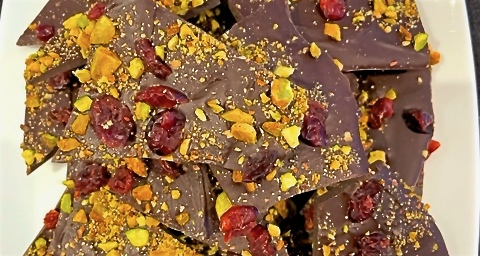
     You can try our Cranberry Pistachio Bark for inspiration!

    #4 Oysters

    Research shared at a 2005 conference of the American Chemical Society that oysters, clams, and scallops contain compounds that raise testosterone and estrogen levels. This is due in part to their vitamin D and zinc levels (9). A boost in healthy hormone production translates into heightened sexual desire in many cases.

    As noted above, oysters are an excellent source of zinc and vitamin D. Six raw oysters contain 32 mg, or 291% of the Daily Value for zinc, and 269 IU or 67% of your Recommended Daily Intake for vitamin D; both of which can help boost testosterone levels, and subsequently aid in blood flow to sexual organs in both genders.

    Don’t care for mollusks? Feast on lobster or crab instead. Both types of shellfish are loaded with zinc too (9).

    #5 Maca

    Maca (Lepidium meyenii) is a root vegetable that mainly grows in the Andes of central Peru. Maca is a cruciferous vegetable related to broccoli, cauliflower, cabbage and kale. It has been used for years to enhance fertility and sex drive.

    A 12-week study noted that 42% of men who took 1,500–3,000 mg of maca daily experienced an increased sex drive (10). Furthermore, in a review of 4 studies in 131 people, taking maca consistently for at least 6 weeks improved sexual desire. It also helped treat mild erectile dysfunction in men (11).

    Additionally, some evidence suggests that maca may help combat the loss in libido that may occur as a side effect of certain antidepressant medications (12).

    Most studies found that taking 1.5–3.5 grams daily for at least 2–12 weeks was sufficient to boost libido (13, 14). You can buy supplements in various forms including powders, capsules, and liquid extracts.


    So, eat a whole foods-based diet with lots of fresh fruits and vegetables, incorporating our top 5 foods to boost your libido, to kick your sex drive into overdrive. Feel the love!


    References

    1. https://pubmed.ncbi.nlm.nih.gov/18446847/
    2. https://pubmed.ncbi.nlm.nih.gov/9611693/
    3. https://works.bepress.com/emmanueloheneafoakwa/90/
    4. https://onlinelibrary.wiley.com/doi/abs/10.1111/j.1743-6109.2006.00236.x
    5. https://pubmed.ncbi.nlm.nih.gov/24980134/
    6. https://pubmed.ncbi.nlm.nih.gov/20833992/ 
    7. https://pubmed.ncbi.nlm.nih.gov/21228801/
    8. https://www.eurekalert.org/pub_releases/2005-03/acs-oc030805.php
    9. https://pubmed.ncbi.nlm.nih.gov/12472620/
    10. https://pubmed.ncbi.nlm.nih.gov/20691074/
    11. https://pubmed.ncbi.nlm.nih.gov/25954318/
    12. https://pubmed.ncbi.nlm.nih.gov/12472620/
    13. https://pubmed.ncbi.nlm.nih.gov/20691074/ 


    Top 10 Health Benefits of Sex

    Top 10 Health Benefits of Sex

    Ketogenic Meal

    cOutside of the probable immediate pleasure, sexual activity (especially on a regular basis) has some other surprising health benefits! Sexual activity, whether intercourse or masturbation, can offer many benefits to all facets of your life – Including physical, intellectual, emotional, psychological and social advantages.

    So, here are the top 10 health benefits of having sex, whether it is by yourself or with a partner!


    #1. Can Improve Your Cardiovascular Health

    One great thing about sex is that it can improve your cardiovascular health by not only lowering your blood pressure but strengthening muscles, burning calories and increasing heart health. Overall, it helps reduce risk of heart disease, stroke and hypertension. (1)

    Individuals with active sex lives tend to exercise more frequently and have better dietary habits than those who are less sexually active. Research shows that physical fitness may also improve sexual performance overall (1). So to support a healthy heart and great sex, remember to exercise regularly.


    #2 Burn Calories

    If you are someone that doesn’t like working out at the gym, maybe “working out in the bedroom” might be a better and more fun approach! In a 2013 study, 21 heterosexual couples were asked to wear SenseWear fitness trackers during their lovemaking to determine how many calories were burned. The results concluded that men burn 100 calories during the average sex session (about 25 minutes), while women burn about 69 calories (2). Harvard medical school reported that sex burns about five calories per minute


    #3 Reduce Pain

    Believe it or not, sex can help relieve pain. A review of peer‐reviewed literature on the associations between distinct sexual activities and various factors of psychological and physical function found having an orgasm increases blood flow, and releases endorphins and other natural pain-relieving chemicals (3).

    Another study showed how engaging in sexual activity during a headache attack can positively impact headache intensity. The results of the study found: 60 percent reported an improvement during a migraine, 70 percent reported moderate to complete relief during a migraine, 37 percent reported improvement of symptoms in cluster headaches, 91 percent reported moderate to complete relief in cluster headaches (4). So…. in reality the old “oh sorry honey, I have a headache” should maybe be replaced by “Honey, I have a headache, let’s have sex!”


    #5. Reduce Risk of Prostate Cancer

    Research shows that there could be relation between regular sex and reduction in prostate cancer. One study found that men who averaged having 4.6 to 7 ejaculations (from sex or on their own) a week were 36% less likely to receive a prostate cancer diagnosis before the age of 70. This is in comparison to men who reported ejaculating 2.3 or fewer times a week on average (5).


    #6. Increase Life Expectancy

    For men, sex may even affect their mortality. One study that had a 10-year follow-up reported that men who had frequent orgasms (defined as two or more a week) had a 50 percent lower mortality risk than those who had sex less often (6).


    #7. Look Younger

    Research is showing that frequent sexual activity, whether with a partner or alone, can make you look younger. This is partially due to the release of estrogen during sex. Estrogen helps skin stay hydrated by boosting hyaluronic acid. Hyaluronic acid is a clear, gooey substance that is naturally produced by your body. Its main function is to retain water to keep your tissues well lubricated and moist (keeps skin looking young).

    A 1997 study of 3,875 postmenopausal women concluded that estrogen supplementation helped aging women have younger looking skin and also helped maintained skin’s collagen matrix, thickness, elasticity and ability to retain moisture (7).

    Another study found a correlation between frequent sexual activity and looking significantly – up to seven to 12 years – younger (8). 


    #8. Improve Memory with Age

    At an older age, sexual activity may affect your well-being and ability to think. Research found that sexually active adults between 50 to 90 years old had better memory. They were also less likely to feel depressed and lonely (9).

    #9 Increase the Bond in a Relationship

    Morning sex can bring you and your partner closer together. How so? Sex produces oxytocin, also known as the “love hormone.” Oxytocin is the chemical in the brain that controls bonding and love. When it’s released during sex, the result is feeling more connected to your partner (10).


    #10: Boost Your Immune System

    Reduced stress helps to support a healthy immune system, and sex can be a natural stress reliever due to the endorphins and oxytocin produced. But researchers discovered that sex can support your immunity further by triggering your body’s natural defences against bacteria, viruses, and other germs. So, “get busy” to boost your immune system! (11)

    So, if you needed a few reasons to prioritize sex more often – that wraps up our top 10 health benefits of sex! Which one has you convinced to spend a little more time “in the bedroom”?


    References

    1. https://www.onlinecjc.ca/article/S0828-282X(15)01501-9/abstract
    2. https://journals.plos.org/plosone/article/file?type=printable&id=10.1371/journal.pone.0079342
    3. https://onlinelibrary.wiley.com/doi/full/10.1111/j.1743-6109.2009.01677.x
    4. https://journals.sagepub.com/doi/abs/10.1177/0333102413476374
    5. http://medcraveonline.com/MOJT/MOJT-03-00065.pdf
    6. https://onlinelibrary.wiley.com/doi/full/10.1111/j.1743-6109.2009.01677.x
    7. https://www.ncbi.nlm.nih.gov/pmc/articles/PMC2685269/
    8. https://www.prevention.com/sex/a20438081/have-sex-look-younger/
    Cranberry Pistachio Bark

    Cranberry Pistachio Bark

    Coconut Chicken Curry with Zoodles

    Although chocolate may not seem like a healthy snack to many of us… with ingredients chosen wisely, chocolate can become a beneficial part of your diet!

    The chocolate in this recipe contains a minimum 70% cacao. Cacao is packed with more calcium than cow’s milk; plus iron, protective antioxidants, and magnesium that can help us manage stress. It is also high in healthy fats (cocoa butter), which help us to feel energized and satisfied.

    Pistachios add the perfect crunch to this chocolate bark while contributing plant-based protein that helps balance blood sugar levels to help prevent the “hangry” crash that can happen after sweets. Their beautiful bright green colour represents antioxidants such as lutein, that protect eye health.

    Pomegranate seeds (aka pomegranate arils) are  packed with dietary fibre! Fibre is a critical part of our diets that aids in maintaining healthy digestion, cholesterol levels, and blood sugar balance. Pomegranate seeds also contain high amounts of vitamins C and K, which may help support a strong immune system. Plus, their gorgeous red colour perfectly compliments the green of the pistachios and indicated the high polyphenol content, which help protect our bodies from illness and disease.

    For even more healthy fats and fibre, there’s the addition of coconut. Coconut also contains minerals like selenium, , and managanese, which can help support heathy thyroid function and increase metabolism as well as support weight loss.

    The benefits don’t stop there! Did you know that every single one of these ingredients are natural aphrodisiacs?

    So, try it out… This Pistachio Pomegranate Chocolate Bark is a simple and delicious snack that can help boost your energy, satisfy your sweet tooth without throwing your nutrition goals out the window, and may even help you find your groove in the bedroom!


    Cranberry Pistachio Bark

    The chocolate in this recipe contains a minimum 70% cacao. Cacao is packed with more calcium than cow’s milk; plus iron, protective antioxidants, and magnesium that can help us manage stress. It is also high in healthy fats (cocoa butter), which help us to feel energizedand satisfied.
    Prep Time 30 minutes
    Total Time 30 minutes
    Servings 4 servings

    Ingredients
      

    • 7 oz Dark Organic Chocolate stevia sweetened
    • 1 cup Dried Cranberries unsweetened
    • ½ cup Pistachios shelled and chopped
    • 2 tbsp Coconut Oil
    • 1 pinch Himalayan Sea Salt

    Instructions
     

    • Line a large baking sheet with parchment paper or a silicon mat.
    • Measure out the dried cranberries, pistachios, and coconut, if using. Set aside.
    • Fill one large pot with water and place a smaller pot or bowl inside creating a double boiler. Bring water in the larger pot to a boil then reduce to lowest heat. Ensure no water is able to escape into the smaller pot or it will cause your chocolate to seize and separate!
    • Break the dark chocolate into bite-sized pieces and add it to the smaller pot. Stir the chocolate continuously until melted. Remove from heat immediately once melted. If you allow it to overheat, this will also cause the chocolate to seize and separate!
    • Pour the melted chocolate onto the parchment lined baking sheet. Use a spatula to smooth the melted chocolate into an even layer, about 1/4 inch thick. Quickly sprinkle the dried cranberries, pistachios, and coconut flakes over the chocolate. Using the back of a clean spoon, or clean hands, gently press the toppings into the chocolate.
    • Place the baking sheet in the fridge to chill for at least 20 minutes, or until firm.
    • Once the chocolate is solid, break or cut it into pieces. Enjoy!

    Notes

    Nutritional information per serving:
    Calories: 517
    Carbs: 34g
    Fibre: 9g
    Sugar: 16g
    Protein: 8g
    Fat: 40g


    Coconut Chicken Curry with Zoodles

    Although chocolate may not seem like a healthy snack to many of us… with ingredients chosen wisely, chocolate can become a beneficial part of your diet!

    The chocolate in this recipe contains a minimum 70% cacao. Cacao is packed with more calcium than cow’s milk; plus iron, protective antioxidants, and magnesium that can help us manage stress. It is also high in healthy fats (cocoa butter), which help us to feel energized and satisfied.

    Pistachios add the perfect crunch to this chocolate bark while contributing plant-based protein that helps balance blood sugar levels to help prevent the “hangry” crash that can happen after sweets. Their beautiful bright green colour represents antioxidants such as lutein, that protect eye health.

    Pomegranate seeds (aka pomegranate arils) are  packed with dietary fibre! Fibre is a critical part of our diets that aids in maintaining healthy digestion, cholesterol levels, and blood sugar balance. Pomegranate seeds also contain high amounts of vitamins C and K, which may help support a strong immune system. Plus, their gorgeous red colour perfectly compliments the green of the pistachios and indicated the high polyphenol content, which help protect our bodies from illness and disease.

    For even more healthy fats and fibre, there’s the addition of coconut. Coconut also contains minerals like selenium, , and managanese, which can help support heathy thyroid function and increase metabolism as well as support weight loss.

    The benefits don’t stop there! Did you know that every single one of these ingredients are natural aphrodisiacs?

    So, try it out… This Pistachio Pomegranate Chocolate Bark is a simple and delicious snack that can help boost your energy, satisfy your sweet tooth without throwing your nutrition goals out the window, and may even help you find your groove in the bedroom!


    Cranberry Pistachio Bark

    The chocolate in this recipe contains a minimum 70% cacao. Cacao is packed with more calcium than cow’s milk; plus iron, protective antioxidants, and magnesium that can help us manage stress. It is also high in healthy fats (cocoa butter), which help us to feel energizedand satisfied.
    Prep Time 30 minutes
    Total Time 30 minutes
    Servings 4 servings

    Ingredients
      

    • 7 oz Dark Organic Chocolate stevia sweetened
    • 1 cup Dried Cranberries unsweetened
    • ½ cup Pistachios shelled and chopped
    • 2 tbsp Coconut Oil
    • 1 pinch Himalayan Sea Salt

    Instructions
     

    • Line a large baking sheet with parchment paper or a silicon mat.
    • Measure out the dried cranberries, pistachios, and coconut, if using. Set aside.
    • Fill one large pot with water and place a smaller pot or bowl inside creating a double boiler. Bring water in the larger pot to a boil then reduce to lowest heat. Ensure no water is able to escape into the smaller pot or it will cause your chocolate to seize and separate!
    • Break the dark chocolate into bite-sized pieces and add it to the smaller pot. Stir the chocolate continuously until melted. Remove from heat immediately once melted. If you allow it to overheat, this will also cause the chocolate to seize and separate!
    • Pour the melted chocolate onto the parchment lined baking sheet. Use a spatula to smooth the melted chocolate into an even layer, about 1/4 inch thick. Quickly sprinkle the dried cranberries, pistachios, and coconut flakes over the chocolate. Using the back of a clean spoon, or clean hands, gently press the toppings into the chocolate.
    • Place the baking sheet in the fridge to chill for at least 20 minutes, or until firm.
    • Once the chocolate is solid, break or cut it into pieces. Enjoy!

    Notes

    Nutritional information per serving:
    Calories: 517
    Carbs: 34g
    Fibre: 9g
    Sugar: 16g
    Protein: 8g
    Fat: 40g


    Coconut Chicken Curry with Zoodles

    Although chocolate may not seem like a healthy snack to many of us… with ingredients chosen wisely, chocolate can become a beneficial part of your diet!

    The chocolate in this recipe contains a minimum 70% cacao. Cacao is packed with more calcium than cow’s milk; plus iron, protective antioxidants, and magnesium that can help us manage stress. It is also high in healthy fats (cocoa butter), which help us to feel energized and satisfied.

    Pistachios add the perfect crunch to this chocolate bark while contributing plant-based protein that helps balance blood sugar levels to help prevent the “hangry” crash that can happen after sweets. Their beautiful bright green colour represents antioxidants such as lutein, that protect eye health.

    Pomegranate seeds (aka pomegranate arils) are  packed with dietary fibre! Fibre is a critical part of our diets that aids in maintaining healthy digestion, cholesterol levels, and blood sugar balance. Pomegranate seeds also contain high amounts of vitamins C and K, which may help support a strong immune system. Plus, their gorgeous red colour perfectly compliments the green of the pistachios and indicated the high polyphenol content, which help protect our bodies from illness and disease.

    For even more healthy fats and fibre, there’s the addition of coconut. Coconut also contains minerals like selenium, , and managanese, which can help support heathy thyroid function and increase metabolism as well as support weight loss.

    The benefits don’t stop there! Did you know that every single one of these ingredients are natural aphrodisiacs?

    So, try it out… This Pistachio Pomegranate Chocolate Bark is a simple and delicious snack that can help boost your energy, satisfy your sweet tooth without throwing your nutrition goals out the window, and may even help you find your groove in the bedroom!


    Cranberry Pistachio Bark

    The chocolate in this recipe contains a minimum 70% cacao. Cacao is packed with more calcium than cow’s milk; plus iron, protective antioxidants, and magnesium that can help us manage stress. It is also high in healthy fats (cocoa butter), which help us to feel energizedand satisfied.
    Prep Time 30 minutes
    Total Time 30 minutes
    Servings 4 servings

    Ingredients
      

    • 7 oz Dark Organic Chocolate stevia sweetened
    • 1 cup Dried Cranberries unsweetened
    • ½ cup Pistachios shelled and chopped
    • 2 tbsp Coconut Oil
    • 1 pinch Himalayan Sea Salt

    Instructions
     

    • Line a large baking sheet with parchment paper or a silicon mat.
    • Measure out the dried cranberries, pistachios, and coconut, if using. Set aside.
    • Fill one large pot with water and place a smaller pot or bowl inside creating a double boiler. Bring water in the larger pot to a boil then reduce to lowest heat. Ensure no water is able to escape into the smaller pot or it will cause your chocolate to seize and separate!
    • Break the dark chocolate into bite-sized pieces and add it to the smaller pot. Stir the chocolate continuously until melted. Remove from heat immediately once melted. If you allow it to overheat, this will also cause the chocolate to seize and separate!
    • Pour the melted chocolate onto the parchment lined baking sheet. Use a spatula to smooth the melted chocolate into an even layer, about 1/4 inch thick. Quickly sprinkle the dried cranberries, pistachios, and coconut flakes over the chocolate. Using the back of a clean spoon, or clean hands, gently press the toppings into the chocolate.
    • Place the baking sheet in the fridge to chill for at least 20 minutes, or until firm.
    • Once the chocolate is solid, break or cut it into pieces. Enjoy!

    Notes

    Nutritional information per serving:
    Calories: 517
    Carbs: 34g
    Fibre: 9g
    Sugar: 16g
    Protein: 8g
    Fat: 40g


    Coconut Chicken Curry with Zoodles

    Although chocolate may not seem like a healthy snack to many of us… with ingredients chosen wisely, chocolate can become a beneficial part of your diet!

    The chocolate in this recipe contains a minimum 70% cacao. Cacao is packed with more calcium than cow’s milk; plus iron, protective antioxidants, and magnesium that can help us manage stress. It is also high in healthy fats (cocoa butter), which help us to feel energized and satisfied.

    Pistachios add the perfect crunch to this chocolate bark while contributing plant-based protein that helps balance blood sugar levels to help prevent the “hangry” crash that can happen after sweets. Their beautiful bright green colour represents antioxidants such as lutein, that protect eye health.

    Pomegranate seeds (aka pomegranate arils) are  packed with dietary fibre! Fibre is a critical part of our diets that aids in maintaining healthy digestion, cholesterol levels, and blood sugar balance. Pomegranate seeds also contain high amounts of vitamins C and K, which may help support a strong immune system. Plus, their gorgeous red colour perfectly compliments the green of the pistachios and indicated the high polyphenol content, which help protect our bodies from illness and disease.

    For even more healthy fats and fibre, there’s the addition of coconut. Coconut also contains minerals like selenium, , and managanese, which can help support heathy thyroid function and increase metabolism as well as support weight loss.

    The benefits don’t stop there! Did you know that every single one of these ingredients are natural aphrodisiacs?

    So, try it out… This Pistachio Pomegranate Chocolate Bark is a simple and delicious snack that can help boost your energy, satisfy your sweet tooth without throwing your nutrition goals out the window, and may even help you find your groove in the bedroom!


    Cranberry Pistachio Bark

    The chocolate in this recipe contains a minimum 70% cacao. Cacao is packed with more calcium than cow’s milk; plus iron, protective antioxidants, and magnesium that can help us manage stress. It is also high in healthy fats (cocoa butter), which help us to feel energizedand satisfied.
    Prep Time 30 minutes
    Total Time 30 minutes
    Servings 4 servings

    Ingredients
      

    • 7 oz Dark Organic Chocolate stevia sweetened
    • 1 cup Dried Cranberries unsweetened
    • ½ cup Pistachios shelled and chopped
    • 2 tbsp Coconut Oil
    • 1 pinch Himalayan Sea Salt

    Instructions
     

    • Line a large baking sheet with parchment paper or a silicon mat.
    • Measure out the dried cranberries, pistachios, and coconut, if using. Set aside.
    • Fill one large pot with water and place a smaller pot or bowl inside creating a double boiler. Bring water in the larger pot to a boil then reduce to lowest heat. Ensure no water is able to escape into the smaller pot or it will cause your chocolate to seize and separate!
    • Break the dark chocolate into bite-sized pieces and add it to the smaller pot. Stir the chocolate continuously until melted. Remove from heat immediately once melted. If you allow it to overheat, this will also cause the chocolate to seize and separate!
    • Pour the melted chocolate onto the parchment lined baking sheet. Use a spatula to smooth the melted chocolate into an even layer, about 1/4 inch thick. Quickly sprinkle the dried cranberries, pistachios, and coconut flakes over the chocolate. Using the back of a clean spoon, or clean hands, gently press the toppings into the chocolate.
    • Place the baking sheet in the fridge to chill for at least 20 minutes, or until firm.
    • Once the chocolate is solid, break or cut it into pieces. Enjoy!

    Notes

    Nutritional information per serving:
    Calories: 517
    Carbs: 34g
    Fibre: 9g
    Sugar: 16g
    Protein: 8g
    Fat: 40g


    Coconut Chicken Curry with Zoodles

    Although chocolate may not seem like a healthy snack to many of us… with ingredients chosen wisely, chocolate can become a beneficial part of your diet!

    The chocolate in this recipe contains a minimum 70% cacao. Cacao is packed with more calcium than cow’s milk; plus iron, protective antioxidants, and magnesium that can help us manage stress. It is also high in healthy fats (cocoa butter), which help us to feel energized and satisfied.

    Pistachios add the perfect crunch to this chocolate bark while contributing plant-based protein that helps balance blood sugar levels to help prevent the “hangry” crash that can happen after sweets. Their beautiful bright green colour represents antioxidants such as lutein, that protect eye health.

    Pomegranate seeds (aka pomegranate arils) are  packed with dietary fibre! Fibre is a critical part of our diets that aids in maintaining healthy digestion, cholesterol levels, and blood sugar balance. Pomegranate seeds also contain high amounts of vitamins C and K, which may help support a strong immune system. Plus, their gorgeous red colour perfectly compliments the green of the pistachios and indicated the high polyphenol content, which help protect our bodies from illness and disease.

    For even more healthy fats and fibre, there’s the addition of coconut. Coconut also contains minerals like selenium, , and managanese, which can help support heathy thyroid function and increase metabolism as well as support weight loss.

    The benefits don’t stop there! Did you know that every single one of these ingredients are natural aphrodisiacs?

    So, try it out… This Pistachio Pomegranate Chocolate Bark is a simple and delicious snack that can help boost your energy, satisfy your sweet tooth without throwing your nutrition goals out the window, and may even help you find your groove in the bedroom!


    Cranberry Pistachio Bark

    The chocolate in this recipe contains a minimum 70% cacao. Cacao is packed with more calcium than cow’s milk; plus iron, protective antioxidants, and magnesium that can help us manage stress. It is also high in healthy fats (cocoa butter), which help us to feel energizedand satisfied.
    Prep Time 30 minutes
    Total Time 30 minutes
    Servings 4 servings

    Ingredients
      

    • 7 oz Dark Organic Chocolate stevia sweetened
    • 1 cup Dried Cranberries unsweetened
    • ½ cup Pistachios shelled and chopped
    • 2 tbsp Coconut Oil
    • 1 pinch Himalayan Sea Salt

    Instructions
     

    • Line a large baking sheet with parchment paper or a silicon mat.
    • Measure out the dried cranberries, pistachios, and coconut, if using. Set aside.
    • Fill one large pot with water and place a smaller pot or bowl inside creating a double boiler. Bring water in the larger pot to a boil then reduce to lowest heat. Ensure no water is able to escape into the smaller pot or it will cause your chocolate to seize and separate!
    • Break the dark chocolate into bite-sized pieces and add it to the smaller pot. Stir the chocolate continuously until melted. Remove from heat immediately once melted. If you allow it to overheat, this will also cause the chocolate to seize and separate!
    • Pour the melted chocolate onto the parchment lined baking sheet. Use a spatula to smooth the melted chocolate into an even layer, about 1/4 inch thick. Quickly sprinkle the dried cranberries, pistachios, and coconut flakes over the chocolate. Using the back of a clean spoon, or clean hands, gently press the toppings into the chocolate.
    • Place the baking sheet in the fridge to chill for at least 20 minutes, or until firm.
    • Once the chocolate is solid, break or cut it into pieces. Enjoy!

    Notes

    Nutritional information per serving:
    Calories: 517
    Carbs: 34g
    Fibre: 9g
    Sugar: 16g
    Protein: 8g
    Fat: 40g


    5 Nutrition Strategies for Cancer Prevention

    5 Nutrition Strategies for Cancer Prevention

    Ketogenic Meal

    An estimated 225,800 new cases of cancer and 83,300 deaths from cancer will occur in Canada in 2020. Cancer is the leading cause of death in Canada and is responsible for 30% of all deaths.

    Based on 2015 estimates nearly 1 in 2 Canadians (45% of men and 43% of women) is expected to develop cancer during their lifetime and approximately 1 out of 4 Canadians (26% of men and 23% of women) is expected to die from cancer. (Canada Cancer society)

    Based on research from the New England Medical Journal of 45,000 twins it was identified that 85% of cancers are caused by environmental factors, including diet and lifestyle. Humankind has invented 10 million new chemicals and unwittingly released thousands of these into our environment, many of which are known as carcinogens. In fact, the growth in the incidence of cancer parallels the industrialization and chemicalization of our world, which is why we are likely seeing the ongoing rise of cancer rates over the last century(1) .

    Specific to the impact of nutrition, the World Cancer Research fund indicated that eating the right diet may cut your risk of cancer by up to 40%. The key organs that help to fight off cancer are your liver and your immune system, so nutrition support to help these organs function at their best is important. We also want to help create a terrain within our bodies that is not conducive to cancer growth, which includes having a more alkaline state.

    So, let’s have a look at what dietary changes you can make to help reduce your risk of getting cancer:

    1. Consume at least 7 servings of fruits and vegetables a day

    (ideally organic to reduce chemical exposure).
    You should also include a rainbow of colours to ensure you are consuming a wide-range of cruciferous vegetables daily, such as broccoli, Brussel sprouts, cabbage, cauliflower and kale helps support the liver the key organ in helping to combat cancer.Fruits and vegetables contain antioxidants which extensive research is showing can help treat and prevent cancer. In a scientific review of 206 human and 22 animal studies it was shown that greater fruit and vegetable intake has a protective effect with cancers of the stomach, esophagus, lung, oral cavity, pharaynx, endomedtrium, pancreas and colon (2). We must also consider that cancer thrives in a low-oxygen, acidic environment (Cancer Research Journal 2006) and eating fresh fruits and vegetables, especially dark leafy greens, is great way to help increase the pH levels in the blood which puts the body in a more alkalinize state making it a more difficult environment for cancer cells to grow. Where as grains, coffee and sugars lower pH levels making the body more acidic so these foods should be avoided.

    2. Reduce red meat intake

    This includes beef, pork, lamb and goat and processed meats such as hot dogs, sausages, deli meats. Red meat is acidic to the body which creates an environment conducive to cancer growth. The World Cancer Research Fund recommended if you do eat red meat this should be limited to at most 500 grams a week). One study found that women who ate red meat every day had a 56% increase risk of breast cancer (4). Plus, research shows that people that consume higher amounts of red meat are at greater risk of stomach, pancreatic and breast cancer(3). Red meat consumption in countries that inject growth hormones and other hormones to increase milk supply can increase the risk of hormone-based cancers such as breast and prostate.

    If you are consuming red meat opt for organic, grass-fed beef, lamb or game, as these meats are less inflammatory than their factory-farmed counterparts. Maintaining a focus on lean organic, free-range eggs, poultry and game, wild-caught fish, and vegetable-based proteins is important.

    Processed meats contain N-nitroso compounds (NOCs), which can damage DNA and contribute to cancer development. High cooking temperatures may produce additional carcinogens in meats. You should especially avoid chargrilled meat on the BBQ and frying as this is creates well-known carcinogens and increases the risk of stomach and colorectal cancer. A healthier cooking option is frying foods in a little water as opposed to oils, which often become rancid at high heats.

    3. Avoid sugar.

    Cancer cells usually grow quickly, and multiply at fast rates, which takes a lot of energy – this means they need lots of glucose. Cancer cells thrive on sugar. In fact, individuals with type 2 diabetes have three times the risk of developing cancer. A diet rich in sugary foods and beverages can lead to obesity, which significantly raises your risk of cancer (5). Cancer Research UK reports eating high amounts of sugar over time can cause you to gain weight, and robust scientific evidence shows that being overweight or obese increases the risk of 13 different types of cancer. Obesity is the single biggest preventable cause of cancer after smoking.

    Additionally, sugar is acidic to the body and cancer tends to thrive in acidic environments. Diets high in sugar increase inflammation in your body and may lead to insulin resistance, both of which increase cancer risk (6). A study in over 430,000 people found that added sugar consumption was positively associated with an increased risk of esophageal cancer, pleural cancer and cancer of the small intestine (7).

    4. Limit Alcohol

    Alcohol is one of the top three causes of cancer deaths worldwide. Last year, it is estimated that as many as 10,700 Canadians were diagnosed with cancer linked to their alcohol consumption (Canadian Cancer Society). A survey showed that 60% of Ontario women and 41% of Ontario men exceed the alcohol consumption guidelines recommended by the Canadian Cancer Society.  

    The National Toxicology Program of the US Department of Health and Human Services lists consumption of alcoholic beverages as a known human carcinogen. The evidence indicates that the more alcohol a person drinks—particularly the more alcohol a person drinks regularly over time—the higher his or her risk of developing an alcohol-associated cancer. Both light drinkers (those who have no more than one drink per day) and binge drinkers have an increased risk of some cancers (8-12). 

    Alcohol consumption can increase the risk of mouth and throat, larynx, oesophagus, breast, liver and bowel cancer. The Canadian Cancer Society recommends that women have less than one standard drink per day and men have less than two standard drinks per day.


    While there’s no one thing any of us can do (or not do) to ensure with certainty that we don’t develop cancer, there are many diet and lifestyle changes that we can make as individuals in order to give ourselves the best chance possible of a long and healthy life!

    Download our free 1-day cancer preventative meal plan as a kick-start to altering your diet in a way that will help prevent the development of cancer.

    If you want to take things a step further, we would love to meet with you one-on-one to complete a thorough assessment to help determine your risk of developing cancer and help educate you about diet and lifestyle changes you can make to reduce your risk.


    References

    1. Waller “the disease of civilization” Ecologist, 1970:1(2)
    2. https://www.ncbi.nlm.nih.gov/pubmed/8841165
    3. Nothlings and L.N Kolonel “Risk factors for Pancreatic cancer in the Hawaii-Los Angeles Multiethnic cohort study Hawaii Medical Journal, 2006 Jan,:65 (1):26-8
    4. F Taylor , et al “meat conusmtoion and risk of breast cancer in the UK Womens Cohort Dtudy” British Jounral of Cancer, 2007, April 10;96 (7): 1139-46
    5. https://www.ncbi.nlm.nih.gov/pmc/articles/PMC3773450/
    6. https://www.ncbi.nlm.nih.gov/pmc/articles/PMC3595327/
    7. https://www.ncbi.nlm.nih.gov/pmc/articles/PMC3494407/
    8. Bagnardi V, Rota M, Botteri E, et al. Light alcohol drinking and cancer: a meta-analysis. Annals of Oncology 2013; 24(2):301-308. [PubMed Abstract]
    9. Bagnardi V, Rota M, Botteri E, et al. Alcohol consumption and site-specific cancer risk: a comprehensive dose-response meta-analysis. British Journal of Cancer 2015; 112(3):580-593. [PubMed Abstract]
    10. Cao Y, Willett WC, Rimm EB, Stampfer MJ, Giovannucci EL. Light to moderate intake of alcohol, drinking patterns, and risk of cancer: results from two prospective US cohort studies. BMJ 2015; 351:h4238. [PubMed Abstract]
    11. Chen WY, Rosner B, Hankinson SE, Colditz GA, Willett WC. Moderate alcohol consumption during adult life, drinking patterns, and breast cancer risk. JAMA 2011; 306(17):1884-1890. [PubMed Abstract]
    12. White AJ, DeRoo LA, Weinberg CR, Sandler DP. Lifetime alcohol intake, binge drinking behaviors, and breast cancer risk. American Journal of Epidemiology 2017; 186(5):541-549. [PubMed Abstract]