5 Steps To Support Your Immune System

5 Steps To Support Your Immune System
Supporting the Immune System Koru Nutrition

You aren’t alone right now in trying to find ways to keep you and your family healthy and your immune systems strong. Individuals and families have been stocking up on their vitamin C and other immune boosting supplements. This is a great step, but there are many other things that you can be doing , or not doing, to optimize your immunity.

5 Steps To Support Your Immune System:

#1. Reduce Sugar Consumption

Are you like most folks? Have you found that while in social isolation, you’re tending to over indulge in certain foods? In particular, comfort foods such as chocolate, ice cream, and sweets? Maybe as you search for things to help keep yourself or the kids entertained, you’re baking more frequently, and eating the results?

Although these foods may feel comforting in the moment, and baking can help ease boredom, sugar has a detrimental effect on the immune system.

Sugar can suppress the immune system (by altering the function of specific immune cells, called neutrophils) for up to 5 hours after ingestion. (Sanchez A. et al, 1973) Because the effect lasts for many hours, if you eat sweets several times a day, your immune system may be perpetually operating at a distinct disadvantage (1). In contrast, the ingestion of complex carbohydrates, or starches, has no effect on the immune system.

Sugar triggers low-grade inflammation in the body and inflammation is also an immune suppressant.

Nate Favini, medical lead at Forward (3), reported that it would be misleading to say that we fully understand the relationship between sugar and our immune system. “What we do know is that diabetes appears to be common in people confirmed to have COVID-19,” he noted. “This suggests that having higher levels of sugars in your blood could make it easier to contract COVID-19.”

Studies have found that excessive amounts of sugar, or glucose, in the body can inhibit the absorption of Vitamin C (2). Vitamin C is extremely important for boosting the immune system and fighting off infections. In the 1970s, researchers established that Vitamin C has a similar structure to sugar and therefore can compete for absorption.

As an antioxidant, it is the job of Vitamin C to neutralize free radicals. By consuming sugar with Vitamin C, you are introducing more free radicals that Vitamin C may sacrifice itself to neutralize instead of being available to support your immune system.

For more information, check out our article on the best sugar alternatives.


#2. Reduce Alcohol Consumption

The Cleveland clinic reported that If you drink every day, or almost every day it can weaken the immune system and make the body more susceptible to infections, such as colds, flu or other illnesses more frequently than people who don’t drink. Many people have increased their alcohol consumption while being restricted to stay at home with social distancing protocols, which is not good for immunity!

Alcohol alters the makeup of your gut microbiome, which is the home to trillions of microorganisms performing several crucial roles for your health, including supporting your immune system. It seems that drinking alcohol may also damage the immune cells that line the intestines, which serve as the first line of defense against bacteria and viruses. By damaging those cells in your intestines, it can make it easier for pathogens to cross into your bloodstream (4).

Plus, excessive drinking reduces the number and function of three important kinds of cells in your immune system–macrophages, T and C cells. Macrophages are the first line of defense against disease. They gobble up anything that’s not supposed to be there, including cancerous cells, and they sound the alarm if pathogens are present. T cells are antibodies to specific pathogens. They are the reason vaccines work and why you can’t get chicken pox twice. Your T cells already know how to kill those specific kinds of viruses. B cells are white blood cells that secrete cytokines that attack bacteria. When B and T cells are suppressed, your immune system is less efficient at identifying and destroying invading pathogens.


#3. Manage Stress

Unfortunately, at this time, people have been losing jobs, are financially strained, trapped in a home or apartment with either no time for themselves or too much time to themselves, wondering if their businesses will last, or trying to juggle home schooling the kids with work.

In short spurts, our stress hormone, cortisol, can boost immunity by limiting inflammation. But over time, your body can get used to having too much cortisol in your blood and this opens the door for more inflammation. This can weaken your immune system, leaving you more vulnerable to viral infections and frequent illnesses.

In addition, stress decreases the body’s lymphocytes — the white blood cells that help fight off infection. The lower your lymphocyte level, the more at risk you are for viruses.

The brain and the immune system are in constant communication in this delicate balance that can be disrupted by any kind of physical or emotional stress. Some experts claim that stress is responsible for as much as 90% of all illnesses and diseases.

For more information, please check out our article for nutrition strategies to help manage stress.


#4. Get a Good Night’s Sleep

The Mayo Clinic reported that studies show that people who don’t get quality sleep or enough sleep are more likely to get sick after being exposed to a virus. Lack of sleep can also affect how fast you recover if you do get sick.

During sleep, your immune system releases proteins called cytokines, some of which help promote sleep. Certain cytokines need to increase when you have an infection or inflammation, or when you’re under stress. Sleep deprivation may decrease production of these protective cytokines. In addition, infection-fighting antibodies and cells are reduced during periods when you don’t get enough sleep.

How much sleep do you need to bolster your immune system? The optimal amount of sleep for most adults is 7.5-9 hours of good sleep each night, while teenagers need 9-10 hours of sleep, and school-aged children may need 10 or more hours of sleep per day.

For more information check out or article on nutrition for better sleep

#5. Not Eating Enough Fresh Fruit and Vegetables

Our immune system relies on a number of nutrients to help it function properly and work at its optimal level. Key nutrients include vitamin C, iron, Vitamin D, folate, Vitamin A, selenium and zinc. It is difficult to intake adequate amounts of these nutrients from processed foods, but you will get them from fresh fruits and vegetables. Unfortunately, many North Americans are not getting enough fruits and vegetables into heir diet, nor are they consuming enough variety.

Canadian Community Health Survey (CCHS) indicate that approximately 70% of children aged four to eight years and 65% aged nine to 13 years do not consume the recommended minimum five servings of fruits and vegetables (FV) daily. Health Canada recommends a minimum of 7-8 servings of fruits and vegetables a day for adults, and this is rarely achieved.

Unfortunately, with high stress, poor sleep, diseases and illnesses our body’s demand for nutrients becomes higher. This would only be compounded by an already compromised diet with processed foods, pizzas, and frozen dinners; consumption of sugar-laden foods and beverages; and limited intake of fresh fruits and vegetables in the diet. These societal dietary habits put us at huge risk of nutrient deficiencies, and subsequently a compromised immune system, which impacts our ability to help protect ourselves against viruses and infection.

If you are struggling to get enough fruits and vegetables into your diet you can explore supplementing with a whole food supplement which contains 30 fruits and vegetables. Separate studies were conducted on healthcare professionals with direct patient contact, young law school students, an elderly population, and athletic men. The combined results of those studies show that a combination of orchard, vegetable and berry capsules, “Reduces the severity of upper respiratory challenges, reduces missed work days, and increases the number and activity of immune cells circulating in the body”. British Journal of Nutrition (2011) Journal of Nutrition (2007) Medicine & Science in Sports & Exercise (2006) Journal of Nutrition (2006) Integrative Medicine (1999).

To get your whole food supplements click here.


We’re all doing our best right now to protect ourselves, our family, and our communities from illness. Reducing sugar consumption, limiting alcohol intake, practicing stress management techniques, getting adequate sleep, and ensuring an adequate intake of fresh fruits and vegetables are five more ways that you can help support your immune system!


References

  1. Sanchez, A., et al. 1973 “Role of Sugars in Human Neutrophilic Phagocytosis,” American Journal of Clinical Nutrition. 26:1180-1184 http://ajcn.nutrition.org/content/26/11/1180.full.pdf+html (accessed July 27, 2015)
  2. https://www.ncbi.nlm.nih.gov/pubmed/16118484
  3. https://www.huffingtonpost.ca/entry/sugar-weaken-immune-system_l_5e74ca2cc5b6f5b7c542a3be
  4. https://www.insider.com/does-alcohol-weaken-the-immune-system



    How To Avoid Unwanted Weight Gain During COVID-19

    How To Avoid Unwanted Weight Gain During COVID-19

    Supporting the Immune System Koru Nutrition

    Are you one of the many that are struggling with social isolation weight gain? We get it. You can’t get to the gym, find you are snacking throughout the day, and might be cracking open that bottle of wine when it’s only Tuesday at 3:00pm?

    These are unprecedented times, the likes of which we have not seen in our lifetime. People are losing jobs, struggling with managing work and home-schooling the kids, having either no alone time or too much time alone. Increased stress and unhealthy eating habits make your weight on your scales in your bathroom to continue to rise.

    At Koru Nutrition we want to offer some strategies to help navigate healthy eating patterns while you’re stuck at home.


    1. Intermittent fasting – Intermittent fasting is a great option during social isolation. In essence, intermittent fasting is restricting your eating window during the day. Some folks use a 12 hour window to eat, some stick to an 8 hour window, and some even limit eating to a 4 hour window. Intermittent fasting has been proven to be an effective and healthy way to lose weight. Research shows that it can lower insulin levels and increase growth hormone levels, which assists with fat loss and muscle gain, resulting in weight loss.  It also increases the release of the fat burning hormone norepinephrine (noradrenaline). Plus, short-term fasting may also increase your metabolic rate by 3.6–14%.

    The other great thing is that it can help you save time and money. Most people only eat twice a day while intermittent fasting (a brunch or lunch and dinner), so you will be cooking less often and most likely eating less food.

    Ideally you need to fast for 16 hours per day before you will start to see the results. Download a fasting app to your phone can help keep you on track. For more information check out our intermittent fasting article.


    1. Late night snacking has to go! This is not conducive to intermittent fasting but also doesn’t give your body the time to burn off the extra calories consumed after dinner or late at night. In fact, eating before bed is one of the first strategies we give people that want to gain weight. If you have a typical sleep/wake and work schedule, you’ll want to aim to finish dinner at around 6:00pm and fill up on herbal teas, water or sparkling water after that.
    1. Drink lots of water. Health Canada recommends 2.7 litres of water per day for women and 3.7 litres per day for men. Water helps to metabolize fat as well help you feel full. Often people mistake themselves as hungry when, in fact, they are thirsty. A mere 5% drop in hydration levels can cause 25-30% loss of energy, which might leave you prone to looking for something sweet to give you an energy burst. Mild dehydration can also cause your metabolism to slow down by 3%.

    You can keep a water bottle beside you when reading, watching TV, cooking or while working to help encourage regular drinking.


    1. Cut out the gluten – refined breads, pastas, baked goods, pizza and the like are void of nutrients and have a tendency to spike blood sugars. When blood sugars surge so too does insulin. Insulin is a hormone which is needed to help push glucose (sugar) from our blood into the cell where it can be used as energy. But if you have too much glucose too quickly to burn as energy, then the insulin will signal your body to package the excess and store it as fat. If you have unstable blood sugar levels you have 3x more difficulty losing weight. 

    Gluten is also inflammatory. Many individuals notice improvements, not just in weight loss, but in many areas of their health and wellness when they eliminate gluten, including mood, sleep, digestion, energy levels and reductions in pain.


    5. Eat Clean Whole Foods – Eating clean whole foods includes fruits, vegetables and sea vegetables, nuts and seeds, whole grains, fish, grass fed meats, eggs, lentils and legumes.

    This is the most important step, but often the hardest to do. Whether you are juggling working at home with home-schooling your kids or you’re struggling with your mental health during this period of isolation, it may feel easier to just heat up a frozen pizza than to prepare a well-balanced meal from scratch. But, there are ways to help manage this!


    You can save time in in the kitchen and prepare in advance. You may opt to batch cook some one-pot meals like soups or stews. Or you could repurpose foods, for example, making a large chilli one night, then fajitas the next night with the leftovers. If you have one, use your crockpot so you can prep a healthy meal in the morning when you may have higher energy and a delicious meal is waiting for you in the evening.


    1. Drink Green Tea – There are so many health benefits to drinking green tea. A study published in the Journal of Obesity Research showed that habitual tea drinkers had an average of 19.6 less body fat, and also had slimmer waists, than people who didn’t drink tea regularly. The majority of these tea drinkers chose green tea.

    Green tea contains a type of flavonoid called EGCG, which has not only shown to help burn fat and reduce diet-induced obesity, but also help to keep the weight off afterwards (Obesity Research, June 2005). Plus, this is a great way to help increase your water intake! Simple, inexpensive, and delicious!


    We understand, these are difficult times. But, by incorporating some of these tips – intermittent fasting, ditching late-night snacking, staying well hydrated, cutting out gluten, eating clean whole foods, and drinking green tea – you’ll help ensure that you aren’t adding the additional challenge of unwanted weight gain to your metaphorical plate.

    Stay safe and stay healthy!

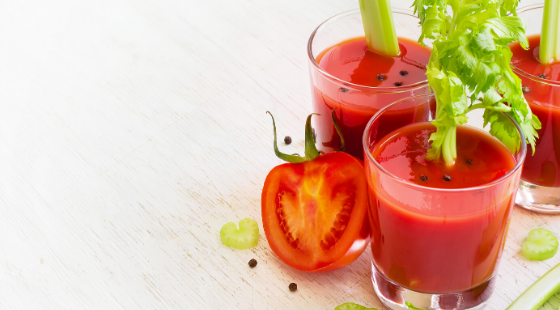
    Virgin Bloody Mary: A Mocktail That Supports Weight Loss

    Virgin Bloody Mary: A Mocktail That Supports Weight Loss

    Crispy Coconut Chicken Fingers Recipe Koru Nutrition

    Believe it or not, a Virgin Bloody Mary is a great weight-loss drink. You could even call it a Skinny Bloody Mary.

    This drink contains citric, malic and oxalic acid which accelerate your metabolism and can help filter out fatty deposits from the body. It also contains lycopene which can help increase metabolism up to one third.

    Your celery stick only contains 3 calories. Even with minimal calories, celery can help flush fat out of your system, and can help regulate fluid balance to rid the body of excess fluid that might be giving you a puffy look.

    A pinch of cayenne pepper stimulates metabolism by 20% and helps to clean fat out from arteries.

    Black peppercorns can promote digestion and relives intestinal gas and bloating, helps liver function (your key fat burning organ) and stimulates breakdown of fat cells.

    Horseradish helps liver to get rid of toxins in the body, aids in weight loss, and helps with digestion.

    We’re suggesting a virgin mocktail, but if you are going the non-virgin route and adding vodka, here is what you need to know: Vodka contains nothing other than ethanol and water. This means that vodka has pretty much no nutritional value. There are no sugar, carbs, fibre, cholesterol, fat, sodium, vitamins, or minerals in vodka.

    All of the calories come from the alcohol itself. The more concentrated your vodka is (the higher the proof), the more calories it contains. The “proof” is a number that refers to the percent of alcohol in the liquor. You can figure out the percent by dividing the proof in half. For example, 100 proof is 50 percent alcohol, while 80 proof is 40 percent alcohol.

    The calorie content is generally the same between different brands of vodka that are that same proof. Kettle One, Smirnoff, Grey Goose, Skyy, and Absolut vodka, for example, are all 80 proof vodkas and each contain 96 calories per 1.5-ounce shot, or 69 calories per ounce.

    Next time you find yourself craving a drink, give this one a try!


    Bloody Mary

    Virgin Bloody Mary

    A Mocktail That Supports Weight Loss
    Total Time 5 minutes
    Course Drinks
    Servings 1
    Calories 30 kcal

    Ingredients
      

    • 3 ozs Tomato Juice
    • 1/2 oz Lemon Juice
    • 1 dash Worcestershire Sauce
    • Horseradish (to taste)
    • Celery Salt
    • Ground Black Peppercorns
    • 2 dashes Hot Sauce (Tabasco or Cholula)
    • 1 pinch Cayenne
    • Celery stalk (garnish)

    Instructions
     

    • Combine ingredients in a tall glass with ice cubes. Stir well to mix.
    • Garnish with a celery stalk and enjoy!

    Notes

    Nutritional information per serving:
    Calories – 30
    Carbs – 7g
    Fiber – 1g
    Sugars – 4g
    Protein – 1.5g
    Fat – 0.5g

    Berry Beet Smoothie Bowl

    Berry Beet Smoothie Bowl

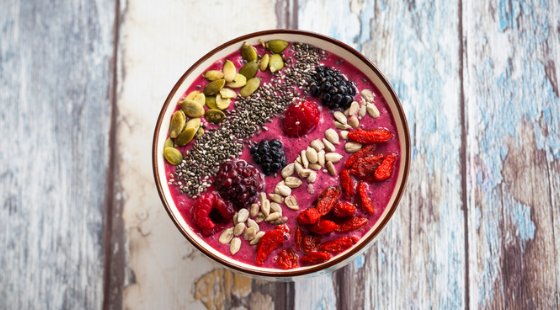
    Berries and beets are chock full of anthocyanins, which are a type of flavonoid with antioxidant, anti-inflammatory and anti-viral effects! Anthocyanins are the pigments that give these foods — raspberries, blueberries, beets, and so on — their deep red, purple and blue hues.

    You can read more about the Power of Berries, including their ability potential inhibit viruses within human cells, in this detailed blog post!

    This recipe is easy, delicious, and fun to look at!

    Berry Beet Smoothie Bowl

    Berries and beets are chock full of anthocyanins, which are a type of flavonoid with antioxidant, anti-inflammatory and anti-viral effects!
    Total Time 10 minutes
    Course Breakfast
    Servings 2
    Calories 136 kcal

    Ingredients
      

    • 1 Beet cooked, medium, peeled, diced
    • 1 cup Frozen Mango
    • ½ cup Frozen Raspberries
    • 1 Pitted Date
    • 1 tsp Schisandra Berry Powder optional
    • 1 cup Unsweetened Almond Milk
    • ¼ cup Fresh Mixed Berries to garnish
    • 1 tbsp Dried Gogi Berries to garnish
    • 1 tbsp Raw Hulled Pumpkin Seeds to garnish
    • 1 tbsp Raw Hulled Sunflower Seeds to garnish
    • 1 tbso Chia Seeds to garnish

    Instructions
     

    • In your blender or food processor, combine the beet, frozen mango, frozen raspberries, date, schisandra berry powder and almond milk. Blend until smooth and thick.
    • Transfer to a bowl and add desired toppings. Enjoy!

    Notes

    Nutritional information per serving:
    Calories: 216
    Carbs: 40g
    Fibre: 8g
    Sugar: 27g
    Protein: 5g
    Fat: 6g

    Supporting the Immune System with Vitamin C

    Supporting the Immune System with Vitamin C

    Supporting the Immune System Koru Nutrition

    The world is going through unprecedented times at the moment. Supporting a healthy immune system has never been so crucial for our health and the health of our families. At Koru Nutrition we want to make sure that you have the right information so you can take the steps needed to build a healthy immune system and help protect you and your family.

    Influenza, commonly known as “the flu”, is an infectious disease caused by an influenza virus. Symptoms can be mild to severe. The most common symptoms include: a high fever, runny nose, sore throat, muscle pains, headache, coughing, and feeling tired. These symptoms typically begin two days after exposure to the virus and last about a week. The cough, however, may last for more than two weeks. Right now, we are living in uncertain times with the immergence of the novel coronavirus, COVID-19. Although part of the cold and flu family, the human race has never been exposed to this virus before.

    So is there anything we do to protect ourselves?

    The Under-Rated Power of Vitamin C

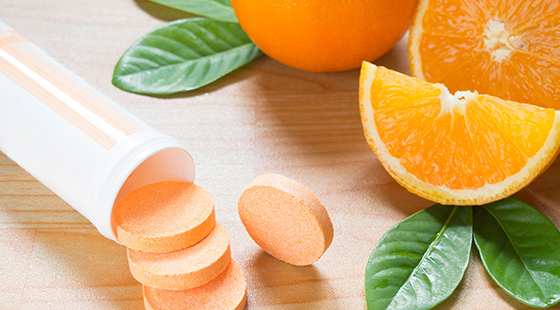
    Health food stores and drugstores have been running out of various immune-supportive supplements as people attempt to strengthen and enhance their immunity. Vitamin C is one supplement that has been in high demand.

    But does vitamin C really protect us?

    Vitamin C is found in high concentrations in our white blood cells, but is rapidly depleted during infections resulting in reduced immunity (5,6). Vitamin C helps us to upregulate our immune system, and the scientific literature has extensive research on the ability of vitamin C to support the body in recovery from a variety of viruses (4, 5, 7, 8, 9).

    A vitamin C deficiency results in a weakened immune system and susceptibility to colds and other infections. Since the lining of the respiratory tract also depends heavily on the protection of vitamin C, respiratory infection and other lung-related conditions may also be a symptom of inadequate vitamin C intake(10).

    Research shows that vitamin C in  therapeutic doses  can be very effective at preventing and addressing the common influenza virus, sometimes even after serious complications such as encephalitis have arisen along with many other viral syndromes (4). In spite of this information, vitamin C is still not routinely utilized against this infectious disease, and none of the various forms of vitamin C are included in the formularies of nearly any US hospitals.

    One study on individuals that had cold/flu-like symptoms split participants into 2 groups. The control population were treated with pain relievers and decongestants, whereas those in the test population were treated with hourly doses of 1000 mg of Vitamin C for the first 6 hours and then 3 times daily thereafter. Overall, reported flu and cold symptoms in the group that was administered vitamin C decreased by 85% compared with the control group. (1)

    In the evaluation of vitamin C, administration of extra therapeutic doses at the onset of cold/flu symptoms has found to help reduce illness duration, shorten the time of confinement indoors and relieve the symptoms associated with it, including chest pain (2).

    Unfortunately, because the novel coronavirus has never been seen before, there is little research to date about the impact of vitamin C specifically on the COVID-19 virus. However, because vitamin C has shown success in treating many other viral infections and has a very low risk-profile, it may be one more tool you and your family can use – in addition to social distancing, frequent handwashing, and wearing a facemask and gloves in public – to help protect yourselves.

    Supplementation

    Currently, for the immune benefits. Vitamin C supplementation is very safe. There is no documented toxicity level for vitamin C because it is a water-soluble vitamin, which means it is flushed out of the body relatively quickly. Vitamin C is also easily lost with stress, and as mentioned above, is rapidly lost when a person is sick or has an infection.

    Because vitamin C has a laxative effect at higher doses, often health professionals recommending individualized high-doses for their clients will suggest taking it only to bowel tolerance. Vitamin C is best taken with meals to improve absorption.


    Foods High in Vitamin C

    Having a diet high in fruits and vegetables is a great step to not only increase your vitamin C intake, but also your intake of many other immune-supportive antioxidants and nutrients. If you are unable to supplement, or simply want to increase your intake, the chart below outlines some foods that are high in vitamin C. However, if you do have flu-like symptoms vitamin C supplementation is highly recommended.

    Food Amount (mg) Daily value (DV) %
    Bell Peppers (1 cup) 174.8 291%
    Parsley (2 tablespoons) 10 16.6%
    Broccoli (1 cup) 123.4 205.7%
    Strawberries (1 cup) 81.7 136.1%
    Tomatoes (1 cup) 34.4 57.3%
    Lemon juice (¼ cup) 28.1 46.8%
    Oranges (1 fruit) 69.7 116.2%
    Kale (1 cup) 53.3 88.8%
    Cabbage (1 cup) 30.2 50.3%


    If you would like more information about the impact of nutrition on your immunity, please reach out to Koru Nutrition today.

    Stay safe and stay home.


    References

    1. Gorton HC, Jarvis K., J Manipulative Physiol Ther. 1999 Oct;22(8):530-3. The effectiveness of vitamin C in preventing and relieving the symptoms of virus-induced respiratory infections.
    2. Biomed Res Int. 2018; 2018: 1837634. Published online 2018 Jul 5. doi: 10.1155/2018/1837634 PMCID: PMC6057395 PMID: 30069463 Extra Dose of Vitamin C Based on a Daily Supplementation Shortens the Common Cold: A Meta-Analysis of 9 Randomized Controlled Trials Li Ran, 1 Wenli Zhao, 1 , 2 Jingxia Wang, 3 Hongwu Wang, 4 Ye Zhao, 3 , 5 Yiider Tseng,corresponding author 5 and Huaien Bucorresponding author 4
    1. Michael J Gonzalez; Miguel J Berdiel; Jorge Duconge; Thomas E Levy; Ines M Alfaro; Raul Morales-Borges, Victor Marcial-Vega, Jose Olalde, University of Puerto Rico, Medical Sciences Campus, School of Public Health,: Gonzalez MJ et al (2018) High Dose Vitamin C and Influenza: A Case Report. J Orthomol Med. 33(3)
    2. Klenner FR. The treatment of poliomyelitis and other virus diseases with vitamin C. South Med J 1949; 3(7):209-214.
    3. Levy, TE.Curing the Incurable: Vitamin C, Infectious Diseases, and Toxins by Henderson, Nevada; Livon Books, 2002.
    4. Pauling L. The significance of the evidence about ascorbic acid and the common cold. Proc Natl Acad Sci U S A. 1971;68:2678–2681.
    5. Stone I. The healing factor: Vitamin C against disease. Grosset and Dunlap, New York, 1972.
    6. Gonzalez MJ, Miranda-Massari JR, Berdiel MJ, Duconge J, Rodríguez-López JL, Hunninghake R, Cobas-Rosario VJ.High dose intraveneous vitamin C and chikungunya fever: A case report. J Orthomolec Med. 2014;29(4):154-156.
    7. Gonzalez MJ, Berdiel MJ, Miranda-Massari JR, Duconge J, Rodríguez-López JL, Adrover-López PA. High dose intravenous vitamin C treatment for zika fever. J Orthomolec Med 2016;31(1):19-22.
    8. Mateljan, George, The Worlds Healthiest Foods, 2007