Top 10 Health Benefits of Ashwagandha

Top 10 Health Benefits of Ashwagandha

Detoxifying vegetables and fruits
Ashwagandha, also known as Withania somnifera, as well as Indian ginseng and winter cherry, is a small evergreen shrub. It grows in India, the Middle East, and parts of Africa.

Ashwagandha has been used for over 3,000 years in ancient Ayurvedic medicine practices to help relieve stress, increase energy levels, improve concentration and many more benefits. It’s now grown in popularity in the western world over recent years for its various health benefits as well (1).

So, let’s have a look at some of the amazing health properties that Ashwagandha can provide us!

Top 10 Health Benefits of Ashwagandha

  1. Balance Blood Sugar
    Ashwagandha can reduce blood sugar levels in both healthy people and those with diabetes (2, 3)
  2. Treat Cancer
    Ashwagandha can help treat several types of cancer, including breast, lung, colon, brain, and ovarian cancer. The mechanism of action is through inducing apoptosis, which is the programmed death of cancer cells and impeding the growth of new cancer cells (4, 5, 6, 7)
  3. Reduce Stress
    Ashwagandha can help to reduce stress and levels of cortisol by up to 30% in chronically stressed individuals (8)
  4. Reduce Anxiety
    Ashwagandha can assist in reducing anxiety and improving sleep issues (9)
  5. Improve Depression
    Ashwagandha can help reduce symptoms of depression (10)
  6. Improve Male Fertility
    Ashwagandha can help boost testosterone and fertility in men by improving sperm count and sperm quality (11,12)
  7. Improve Body Composition
    Ashwagandha may help improve muscle strength, muscle mass and body composition and reduce body fat percentage (13, 14)
  8. Reduce Pain and Inflammation
    Ashwagandha can reduce inflammation, including inflammatory markers such as natural killer cells and c-reactive protein, and can act as a natural pain reliever (15, 16)
  9. Protect Cardiovascular Health
    Ashwagandha can reduce total cholesterol, LDL (bad) cholesterol and triglycerides in the blood (17, 18)
  10. Improved Cognitive Function
    Ashwagandha can improve memory, reaction time and attention span for many individuals (19)

Ashwagandha Risks

While it is generally considered safe, large doses of Ashwagandha might cause stomach upset, diarrhea, and vomiting. Liver problems might occur, but this is very rare.

Ashwagandha may also interact with thyroid, blood sugar and blood pressure medications and is not advised to consume when pregnant or breastfeeding. Ashwagandha might cause the immune system to become more active, and this could increase the symptoms of auto-immune diseases. For this same reason, Ashwaganha is not recommended for people that are on immune suppressant drugs. If you have one of these conditions, it’s best to avoid using Ashwagandha.

Ashwagandha may slow down the central nervous system. Healthcare providers worry that anesthesia and other medications during and after surgery might increase this effect. Stop taking Ashwagandha at least 2 weeks before a scheduled surgery (20)

How Do I Take Ashwagandha?

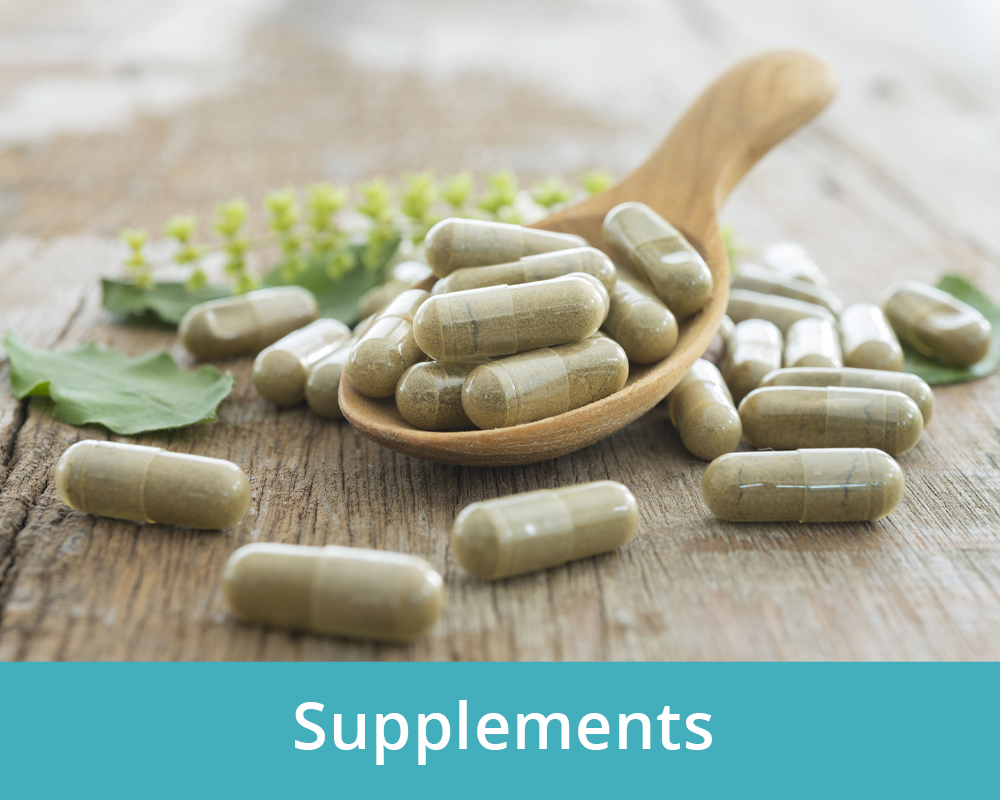
The recommended dosage of Ashwagandha depends on the type of supplement because extracts are more potent than whole Ashwagandha root or leaf powder. So, it is important to follow instructions on labels or seek advice from a qualified health professional. Standardized Ashwagandha root extract is commonly taken in 450–500mg capsules once or twice daily.

You can purchase whole Ashwagandha powder and add in your smoothies or sprinkle on your oatmeal or yoghurt. You can purchase If consuming Ashwagandha as a tea, it can be difficult to determine if you are getting enough to establish a therapeutic dose. However, if you’re just looking for a supportive herbal addition to your diet, tea or Ashwagandha Moon Milk are great options!

For more Ashwagandha supplement options, check out our online dispensary. This is one of our favourites:

If you have taken Ashwagandha in the past, or opt to try it now, come find us over on Facebook or Instagram and let us know how it worked for you!

REFERENCES
1. https://pubmed.ncbi.nlm.nih.gov/19633611/
2. https://blog.priceplow.com/wp-content/uploads/2014/08/withania_review.pdf
3. https://pubmed.ncbi.nlm.nih.gov/23125505/
4. https://pubmed.ncbi.nlm.nih.gov/17003952/
5. https://pubmed.ncbi.nlm.nih.gov/17003952/
6. https://pubmed.ncbi.nlm.nih.gov/20840055/
7. https://pubmed.ncbi.nlm.nih.gov/24046237/
8. https://blog.priceplow.com/wp-content/uploads/2014/08/withania_review.pdf
9. https://pubmed.ncbi.nlm.nih.gov/23439798/
10. https://pubmed.ncbi.nlm.nih.gov/23439798/
11. https://pubmed.ncbi.nlm.nih.gov/19789214/
12. https://pubmed.ncbi.nlm.nih.gov/23796876/
13. https://pubmed.ncbi.nlm.nih.gov/26609282/
14. https://pubmed.ncbi.nlm.nih.gov/21170205/
15. https://pubmed.ncbi.nlm.nih.gov/26397759/
16. https://pubmed.ncbi.nlm.nih.gov/19504465/
17. https://pubmed.ncbi.nlm.nih.gov/16713218/
18. https://blog.priceplow.com/wp-content/uploads/2014/08/withania_review.pdf
19. https://pubmed.ncbi.nlm.nih.gov/28471731/
20. https://www.webmd.com/vitamins/ai/ingredientmono-953/ashwagandh

Top 5 Questions To Get Answered Before Seeing A Nutritionist Or A Dietitian

Top 5 Questions To Get Answered Before Seeing A Nutritionist Or A Dietitian

Woman looking pensively

The natural health and nutrition industry is packed with confusing messages, contradictory information, and a wide-range of professionals with varied training. So, we’ve written this article to help you consider key questions to have answered before selecting a nutritionist or dietitian to help you reach your health goals.

1. What Is The Nutritionist’s or Dietitian’s Education?

If a nutrition professional isn’t being up-front about their credentials, that could be a concern.

Most places in the world, the title “dietitian” is protected and refers to a regulated health profession, meaning only individuals who have completed the necessary 4-year university degree, a one-year intern at a hospital, and passed their board exam can use the title.

Conversely, the title “nutritionist” is not protected and nutritionists are not regulated health professionals. This means that someone can do a weekend or a basic nutrition course and legally call himself or herself a nutritionist and this is where a lot of confusion can occur. This doesn’t mean you shouldn’t see a nutritionist, just that it’s important to understand the individual’s specific training first.

In Ontario the main nutrition schools are the Canadian School of Natural Nutrition which awards the title Registered Holistic Nutritionist (RHN), The Institute of Holistic Nutrition with the designation Certified Nutrition Practitioner (CNP) or Edison School of Holistic Nutrition. This can be a 1-2 year program and once graduated nutritionist’s gain a diploma. During their training they are educated on sciences such as biochemistry, nutrition pathology, symptomatology, anatomy and physiology much more. All of Koru’s nutritionists have graduated from at least one of these institutions.

Click here for more information on the difference between a nutritionist and a dietitian.


2. How Does a Nutritionist or Dietitian Charge?

There are a few aspects to cost that are wise to consider:

Firstly, what their hourly rate is and do they have packages or value-added offerings?

Secondly, if you have extended health benefits, it is also important to consider if your individual plan will cover a dietitian, a nutritionist, or both. For example, if you only have benefits coverage for dietitians, it may sway you to choose a dietitian to work with.

Thirdly, if you are requiring services that are more specialized to your diagnosis and required additional training, that individual will most likely command a higher hourly rate.

Lastly, if funds are tight ask the clinician what strategies or recommendations they can provide to help implement a nutrition program if finances are limited. You won’t get the best bang-for-your-buck if you’re paying for a service, but then the food and meal recommendations are too expensive for you. While working with a nutrition professional you might be paying more for certain foods such as produce, but you are likely to be saving on food costs in other areas such as reducing take-out foods.

For more information on how much a nutritionist or dietitian charge please check out our articles.

3. How Will The Nutrition Program or Support Be Delivered?

Having awareness of your individual weaknesses and strengths, as well as your personal preferences, will help you choose the best nutrition professional to work with.

  • Are you going to need regularly scheduled support or accountability? Then look for programs where that can be built into the structure.
  • Are you going to struggle to make a lot of changes at once? Then you need more of a program that allows you to take baby steps and regular sessions.
  • Do you want to dive right in with a complete overhaul? Then you may be able to complete a few sessions or receive a nutrition protocol and self-manage from there.
  • If you’re looking for a meal plan, can the nutrition professional provide it?
  • Are you more interested in number-based facts and recommendations focused on calories, fats, protein, and carbohydrates? The check with the clinician is this so something that they can provide.

Of course, it’s also important to make sure that the nutrition professional can factor in your lifestyle. Different strategies will work better for busy working moms compared to elite athletes, or may be dependent on cultural needs as well. Both the cost and nutrition recommendations should not only be achievable and realistic, but also sustainable over the long-term.

Whether you find this information on a website, call an office, or speak directly to the nutrition professional– it’s important to have confidence that you’ll receive nutrition recommendations that are going to work for you.

4. What Specific Experience Does The Nutrition Professional Have With Your Specific Health Concern(s)?

Nutrition and supplementation can be complicated. Certain “healthy” foods can actually be problematic for specific individuals.

If you have general health goals such as losing weight, having more energy, or sleeping better then most nutrition professionals would be able to help you reach your goals. If you are looking for someone to help address specific health challenges such as Autism, spinal cord injuries, multiple sclerosis, or brain injury the clinician needs to have specific training and/or experience. If your needs are medically-based such as kidney disease, uncontrolled diabetes, or related to bariatric surgery then we’d recommend you specifically seek out a dietitian.

Take a look at the nutrition professional’s biography. What does it tell you about their personal, educational, and clinical experience? Can you find any reviews online? This information can help you choose the right professional for your individual circumstances!

5. What Tools Does The Nutrition Professional Use In Their Practice To Help You Stay On Track?

Each individual is different with regards to what educational strategies, testing options, tracking processes and/or motivational factors will be of the biggest benefit. Are you looking for:

  • Regular check-in sessions
  • Food tracking apps
  • Computerized analysis of their food journals
  • A Facebook group or community support group
  • Tracking body measurements or the use of a body composition machine
  • Lab and blood work tests
  • Education and resources, (handouts, websites, books and groups)

Weekly Individualized Meal plans. Often, nutrition professionals will provide a combination of the above, plus they may help you explore support systems within your family or strategies within your home to help keep you on track. The list can be extensive but the motivating strategies needs to be individualized and based on what’s going to work for you.


Are You Ready To See A Nutritionist Or Dietitian?

We hope that the above helps provide some insight into finding the right nutritionist or dietitian for you.

Your health is important, so finding the right professional for you is a critical aspect of your health journey.


If you are ready to book a session with Koru Nutrition, click here.

Or, we welcome you to reach out to Koru’s founder, Kylie James, so she can help match you to a practitioner who is most suited to your unique situation, whether that’s at Koru Nutrition or via referral.

The Difference Between a Dietitian and a Nutritionist

The Difference Between a Dietitian and a Nutritionist

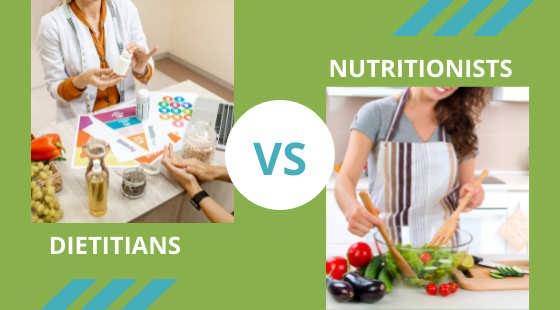
Dietitians Vs Nutritionists

For a long time, there have been reports of a huge divide between nutritionists and dietitians. But, is this divide real or just a lack of understanding on what each discipline can offer and do?

Through this article, we will help to explain the difference between a dietitian and a nutritionist and dispel some of the myths surrounding both professions!

Education

A dietitian must complete a 4-year university degree and demonstrate core competencies, which can be done via a one-year internship or by completing a master’s degree. At that point, they are eligible to write a Registration exam, which would permit them to work in the field. The term “dietitian” is a protected title that guarantees someone has undergone all of the above education and training, and is properly registered.

Nutritionists receive a diploma after one or two years of schooling, which usually includes case studies, a co-op placement and/or exam. Although there are great nutrition schools in Canada, not everyone who calls themselves a nutritionist, has adequate training. The title “nutritionist” is not a protected title in most provinces, meaning that someone who has taken a weekend course or basic training can legally call themselves a nutritionist. This information is not meant to serve as a deterrent to consulting with a nutritionist, rather as reason to understand an individual’s specific training.

Dietitian training is academic, quite theoretical, science and institutional based and provides nutrition approaches that have been already proved through research. Nutritionist training is also evidence based with theory and science, although tends be a more holistic, with a more hands on approach and with more practical tools and strategies.

Regulation

Another important distinction is that dietitians are regulated and nutritionist are not. The job of regulation is to protect the public, not the practitioner. So, to become regulated in Ontario for example, a profession must prove to be a danger to the public. This is a major factor into why nutritionists are not regulated, as they do not break the skin (with needles, for example)

Many people hold regulated health professionals in higher regard, however regulation does come with its drawbacks. In addition to the high costs associated with regulation, dietitians are bound by very strict guidelines and rules. Since nutritionists are not regulated, they are not bound by the same restrictions or regulations and have more freedom to recommend nutrition strategies that are newly emerging in science but as yet to have the vigorous studies to consolidate specific outcomes.

Supplements

Dietitians can recommend supplements such as vitamins and minerals based on the Recommended Dietary Allowance (RDA), and only in certain circumstances where the need is higher can they recommend an increased dose, but once approved, it can only be prescribed by a doctor. Though they can recommend a supplement where there is a known deficiency, they are not allowed to recommend orthomolecular/therapeutic doses of nutrients, herbs such as adaptogens, enzymes, or essential oils, while nutritionists can. Unlike nutritionists, dietitians are prohibited to make profit from the sale of supplements.

Dietitians tend to rely on supplementary products such as Boost and Ensure since these are accessible in hospitals, stores, and the local pharmacy, as well as long term care facilities. Nutritionists often avoid these products and tend to rely on more natural options, taking care to avoid sugars, additives, and preservatives found in local health food stores.

Canadian Food Guide

Canada’s Food Guide has, in the past, been the template for the actions of dietitians; while nutritionists rely on the information divulged by the client to build an individualized protocol. That said, individual dietitians vary in their approach with the Canadian Food guide, some follow it “loosely” and others who follow it completely. However, the newest version of Canada’s Food Guide is actually a much better representation of a healthy diet plan and brings the two disciplines closer from an overall nutrition perspective.

Medical Versus Alternative Medicine

Dietitians are trained to work in hospitals, long-term care facilities, and supermarkets, often alongside or under family doctors and tend to follow a more medical approach to adjusting dietary habits. Dietitians can, at times, be more calorie focused and make macronutrient recommendations regarding protein, fat and carbohydrate amounts in the diet. That said, many of the “new school dietitians” are now focusing on a more holistic approach and consider more than just “calories in versus calories out”.

Nutritionists are often seen working alongside Naturopathic Doctors or Chiropractors, in health food stores, or in private practice. Most nutritionists follow a holistic approach which focuses on implementing therapeutic foods, supplements, lifestyle recommendations, and trying to support the body through addressing underlying root causes of health imbalances. Most frequently, people turn to a nutritionist when they feel their health needs were not met by conventional medicine.

The distinct approaches lead to the realization that dietitians use their expertise to address medical conditions and have a tendency to follow a medical model, while nutritionists have freedom outside the medical model and are focused on restoring or maintaining optimal health and finding root cause.

In Summary

Making the decision to consult with a nutritionist or a dietitian is based on your individual needs, comfort level, and values.

We have both nutritionists and dietitians on our team at Koru Nutrition! It is hoped that the information above has helped provide insight into what would be the best approach and clinician for you!

If you feel ready, you can book here with one of Koru Nutrition’s dietitians. Or, you can book here with one of our nutritionists.


Cauliflower, Kale and Lentil Soup

Cauliflower, Kale and Lentil Soup

Smoked Salmon Avocado Toast

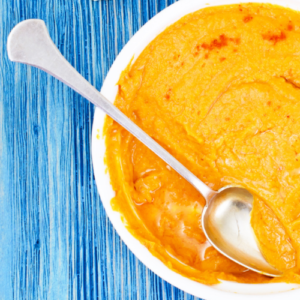
While this hardy soup is a comforting fit on wet or cold days, it is also filled with ingredients that help support your liver. Your liver is responsible for detoxification of toxins that have accumulated in your body. This detox soup recipe has multiple ingredients aimed at supporting liver function.

This soup is filled with hearty cruciferous vegetables, pivotal for supporting the liver. Both cauliflower and kale are in the cruciferous vegetable family, and when consumed research shows that they increase the level of enzymes used by the liver to breakdown toxins (1). This is a required step before toxins can be removed from the body.

Garlic has also been identified as an excellent support for the liver. Garlic contains multiple sulphides, which also have the ability to increase detoxification enzymes in the liver. These enzymes work to breakdown toxins before they can be discarded from the body. As an added benefit, garlic increases glutathione levels, which serves to protect cells from damage from toxins (2).

Don’t forget about olive oil! Small studies have shown that even one daily teaspoon of olive oil improved levels of liver enzymes and resulted in better blood flow to the liver (3). This goes to show that every ingredient counts!

While this recipe instructs to use a stovetop, try using your crockpot or pressure cooker for added convenience!

Did you know that spring and fall are the ideal times to implement a detox? To learn more about when and why to detox, check out our detoxification and cleanse 101 article! Or, you can download your copy of our 1-week Detoxification Meal Plan today!

1-Week Detox Meal Plan


  1. Manchali, A., Murthy, K.N.C., & Patil, B.S. (2012). Crucial facts about health benefits of popular cruciferous vegetables. Journal of Functional Foods, 4(1), 94-106. doi: 10.1016/j.jff.2011.08.004
  1. Lushchak, V. (2012). Glutathione Homeostasis and Functions: Potential Targets for Medical Interventions. Journal of Amino Acids, 2012, 736837. doi: 10.1155/2012/736837


  1. Sofi, F., Giangrandi, I., Cesari, F., Corsani, I., Abbate, R., Gensini, G.F., & Casini, A. (2010), Effects of a 1-year dietary intervention with n-3 polyunsaturated fatty acid-enriched olive oil on non-alcoholic fatty liver disease patients: a preliminary study. International Journal of Food Sciences and Nutrition, 61(8), 792-802. doi: 10.3109/09637486.2010.487480

Cauliflower, Kale and Lentil Soup

While this hardy soup is a comforting fit on wet or cold days, it is also filled with ingredients that help support your liver, which is responsible for detoxification of toxins that have accumulated in your body.
Prep Time 20 minutes
Cook Time 20 minutes
Total Time 40 minutes
Servings 6 servings

Ingredients
  

  • ¼ cup Extra Virgin Olive Oil
  • 1 Yellow Onions diced
  • 4 stalks Celery diced
  • 4 Carrots medium, peeled and diced
  • 8 Cloves Garlic minced
  • 1 head Cauliflower chopped into florets
  • 4 cups Kale Leaves chopped
  • 12 cups Vegetable Broth
  • 4 cups Lentils cooked
  • Salt and Pepper to taste

Instructions
 

  • In a large pot, over medium heat, heat the olive oil.
  • Add the onion, celery, and carrots to the pot. Cook for 8 - 10 minutes, until the vegetables are softened.
  • Add the garlic and cook another 2-3 minutes, stirring frequently.
  • Add the cauliflower, kale, and vegetable broth and bring to a rolling boil for 1 minute. Then reduce heat to a simmer. Cover and simmer for approximately 20 minutes.
  • Add the cooked lentils. Stir to combine.
  • Sample and season to taste with salt and black pepper. Divide between serving bowls and enjoy!

Notes

Nutritional information per serving:
Calories: 312
Carbs: 44g
Fibre: 11g
Sugar: 8g
Protein: 15g
Fat: 10g

What is Chlorella?

What is Chlorella?

Detoxifying vegetables and fruits

Chlorella is a type of algae that grows in fresh water. It has long been recognized as a superfood! There are over 30 different species, with the two most commonly researched being Chlorella vulgaris and Chlorella pyrenoidosa. Chlorella is typically sold in tablet form or as a powder in health food stores and supplement stores. Chlorella has a strong, earthy flavour that might be described as “green,” to put it nicely… but, the benefits are definitely worth the intense flavour! If you find you don’t enjoy the green taste, you may prefer taking it in tablet form, or mixing it in with fruits and vegetables in a smoothie.

Nutrients in Chlorella

Chlorella is a good source of protein, vitamin A, iron, and zinc. It is one of the few vegetarian foods sources that is a complete protein source, meaning it contains all 9 essential amino acids that we need to consume in our diets. A one-ounce (28g) serving of chlorella contains:

Calories: 115
Carbs: 6.5g
Protein: 16.4g
Fat: 2.6g
Fiber: 0.1g
Vitamin A: 14364 IU
Vitamin C: 2.9mg
Thiamin: 0.5mg
Riboflavin: 1.2mg
Niacin: 6.7mg
Vitamin B6: 0.4mg
Iron: 36.4mg
Magnesium: 88.2mg

Health Benefits of Chlorella

  • Detoxification: Chlorella is great to consume during detox, as it can bind to heavy metals and other toxins, helping to eliminate them from the body. It can also effectively lower the amount of dioxin in the body, an environmental pollutant that accumulates in certain foods. (3)
  • Immune system support: Chlorella helps enhance immune functioning and accelerate wound healing (4). One study suggested that taking chlorella supplements for a short period of time can stimulate the immune system in healthy adults. (5)
  • Cardiovascular health: Chlorella may help lower high blood pressure and lower cholesterol levels. (4)
  • Diabetes: Chlorella may assist in managing blood sugar levels and increase insulin sensitivity, factors in pre-diabetes and diabetes. (6)
  • Antioxidant protection: Chlorella contains multiple antioxidants, which protect against oxidative stress. Oxidative stress is a phenomenon that occurs when there are more damaging “free radicals” in the body than there are protective antioxidants to neutralize them. Oxidative stress is a contributing factor in end-stage diseases such as cancer development. (6)

Chlorella vs. Spirulina

Chlorella and Spirulina have often been compared to each other. Although they are both forms of algae, with many similar health benefits, they do have unique differences. Spirulina grows in both fresh and salt water, where as chlorella grows only in fresh water. Chlorella also boasts higher levels of anti-inflammatory omega-3 fatty acids, iron, and vitamin A; while Spirulina contains selenium to support the immune system and thyroid health. However, both are great sources of protein, B-vitamins, and antioxidants, and can be a nutritious addition to the diet.

Precautions

Chlorella is generally considered safe and well-tolerated. With that said, chlorella can cause side effects, especially during the first few weeks of taking it. This includes flatulence, green discolouration of stools, nausea, stomach cramps and diarrhea.

It should also be noted that chlorella may interact with certain medications, such as blood thinners, and it may not be indicated for those with certain autoimmune conditions or pregnant people due to its ability to stimulate the immune system. Consult your doctor or another qualified health professional before including chlorella in your diet if these apply to you.

How To Use Chlorella

Chlorella can be purchased in tablet, capsule, extract, or powder form. “Broken cell wall” chlorella is recommended, as it has its hard outer shell has been broken open, so the body can better access and absorb the nutrients inside. Powdered Chlorella can be added to smoothies, pesto, or salad dressings for a nutritious boost.

Chlorella Supplements

If you’re more likely to take a chlorella supplement than cook with it, we’ve got you covered!


If you try out a chlorella supplement, or our Detox Green Smoothie With Chlorella, come join us over on Facebook or Instagram and let us know what you think!

References:

1)      https://nutritiondata.self.com/facts/custom/569428/2

2)      https://nutritiondata.self.com/facts/vegetables-and-vegetable-products/2765/2

3)      Nakano S, Takekoshi H, Nakano M. Chlorella (Chlorella pyrenoidosa) supplementation decreases dioxin and increases immunoglobulin a concentrations in breast milk. J Med Food. 2007 Mar;10(1):134-42. doi: 10.1089/jmf.2006.023. PMID: 17472477.

4)      Merchant RE, Andre CA. A review of recent clinical trials of the nutritional supplement Chlorella pyrenoidosa in the treatment of fibromyalgia, hypertension, and ulcerative colitis. Altern Ther Health Med. 2001 May-Jun;7(3):79-91. PMID: 11347287.

5)      Kwak JH, Baek SH, Woo Y, Han JK, Kim BG, Kim OY, Lee JH. Beneficial immunostimulatory effect of short-term Chlorella supplementation: enhancement of natural killer cell activity and early inflammatory response (randomized, double-blinded, placebo-controlled trial). Nutr J. 2012 Jul 31;11:53. doi: 10.1186/1475-2891-11-53. PMID: 22849818; PMCID: PMC3511195.

6)      Panahi Y, Darvishi B, Jowzi N, Beiraghdar F, Sahebkar A. Chlorella vulgaris: A Multifunctional Dietary Supplement with Diverse Medicinal Properties. Curr Pharm Des. 2016;22(2):164-73. doi: 10.2174/1381612822666151112145226. PMID: 26561078.