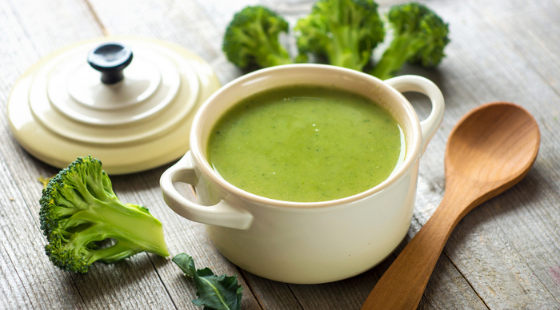

Broccoli & Greens Soup

Broccoli & Greens Soup

Coconut Chicken Curry with Zoodles

This simple and delicious soup recipe combines several powerhouse, cancer-preventative foods into one enjoyable dish!

Based on 2015 estimates nearly 1 in 2 Canadians (45% of men and 43% of women) is expected to develop cancer during their lifetime. This can be seen as a frightening statistic!

However, if we also understand that that approximately 85% of cancers are caused by environmental factors, including diet and lifestyle, we can transform that initial fear into a feeling of empowerment to improve our own individual health!

Studies have provided evidence that the sulphur compounds in garlic, onion and other foods in the allium family alter tumour development. Individuals with diets rich in garlic and onion are at a decreased risk of developing cancer, particularly cancers of the digestive tract. Garlic also contains compounds that can boost the number of immune cells present in the blood. A healthy immune system is one that can help protect us from developing cancer.

Like garlic and onion, cauliflower contains potent sulphurous compounds that help prevent cancer. Additionally, cauliflower contains indoles, including indol-3-carbinol which have been found to inhibit cancer development in many organs and organ systems such as breast, colon, liver and lung.

Dark leafy greens such as the kale found in this recipe, are high in antioxidants which can boost the body’s own defences to help prevent the damage to DNA that causes cancer. Plus, kale contains plenty of fibre and consuming adequate dietary fibre is well-known to reduce the risk over several cancers including bowel cancer.

So, try it out… It’s an easy side dish that’s not only healthy, but sure to impress!

And if you like recipes like this one, you will LOVE our FREE 1-day Cancer Prevention Meal Plan, which is packed with 6 fantastic meals formulated to include loads of nutrients and antioxidants that may help prevent cancer. Check it out!

Broccoli & Greens Soup

This simple and delicious soup recipe combines several powerhouse, cancer-preventative foods into one enjoyable dish!
Prep Time 15 minutes
Cook Time 1 hour
Total Time 1 hour 15 minutes
Course Appetizer, Side Dish, Soup
Servings 4 servings

Ingredients
  

  • 12 whole Garlic Cloves peeled and trimmed
  • 1 Yellow Onion large, roughly chopped
  • ½ head Cauliflower sliced into florets
  • 1 head Broccoli sliced into florets
  • 3 tbsps Extra Virgin Olive Oil divided
  • 1 tsp Dried Parsley
  • 1 tsp Dried Basil
  • 1 tsp Dried Oregano
  • ¼ tsp Dried Rosemary
  • ¼ tsp Dried Thyme
  • 1 tsp Sea Salt
  • 8 cups Kale Leaves packed
  • 4 cups Organic Vegetable Broth divided

Instructions
 

  • Preheat oven to 400ºF. Line a baking sheet with parchment paper. Set aside.
  • In a large bowl, combine the garlic cloves, onion, cauliflower and broccoli.
  • In a small bowl, add half the olive oil and mix in spices. Pour over vegetables and toss until well coated.
  • Spread coated vegetables evenly on the prepared baking sheet. Roast for about 30 minutes or until very tender and caramelized, flipping halfway through.
  • When vegetables are nearly done, warm remaining olive oil in a large soup pot over medium heat. Add the kale and half of the vegetable broth to the pot and cover. Let cook for 2 minutes, or until kale is wilted and tender.
  • Add the roasted vegetables and remaining vegetable stock in with the wilted kale. Bring soup to a gentle boil then remove from heat.
  • Use an immersion blender or puree soup in batches in a high-speed blender with a vent until smooth and creamy.
  • Divide into serving bowls and enjoy!

Notes

Nutritional information per serving:
Calories: 204
Carbs: 22g
Fibre: 7g
Sugar: 7g
Protein: 8g
Fat: 12g

5 Nutrition Strategies for Cancer Prevention

5 Nutrition Strategies for Cancer Prevention

Ketogenic Meal

An estimated 225,800 new cases of cancer and 83,300 deaths from cancer will occur in Canada in 2020. Cancer is the leading cause of death in Canada and is responsible for 30% of all deaths.

Based on 2015 estimates nearly 1 in 2 Canadians (45% of men and 43% of women) is expected to develop cancer during their lifetime and approximately 1 out of 4 Canadians (26% of men and 23% of women) is expected to die from cancer. (Canada Cancer society)

Based on research from the New England Medical Journal of 45,000 twins it was identified that 85% of cancers are caused by environmental factors, including diet and lifestyle. Humankind has invented 10 million new chemicals and unwittingly released thousands of these into our environment, many of which are known as carcinogens. In fact, the growth in the incidence of cancer parallels the industrialization and chemicalization of our world, which is why we are likely seeing the ongoing rise of cancer rates over the last century(1) .

Specific to the impact of nutrition, the World Cancer Research fund indicated that eating the right diet may cut your risk of cancer by up to 40%. The key organs that help to fight off cancer are your liver and your immune system, so nutrition support to help these organs function at their best is important. We also want to help create a terrain within our bodies that is not conducive to cancer growth, which includes having a more alkaline state.

So, let’s have a look at what dietary changes you can make to help reduce your risk of getting cancer:

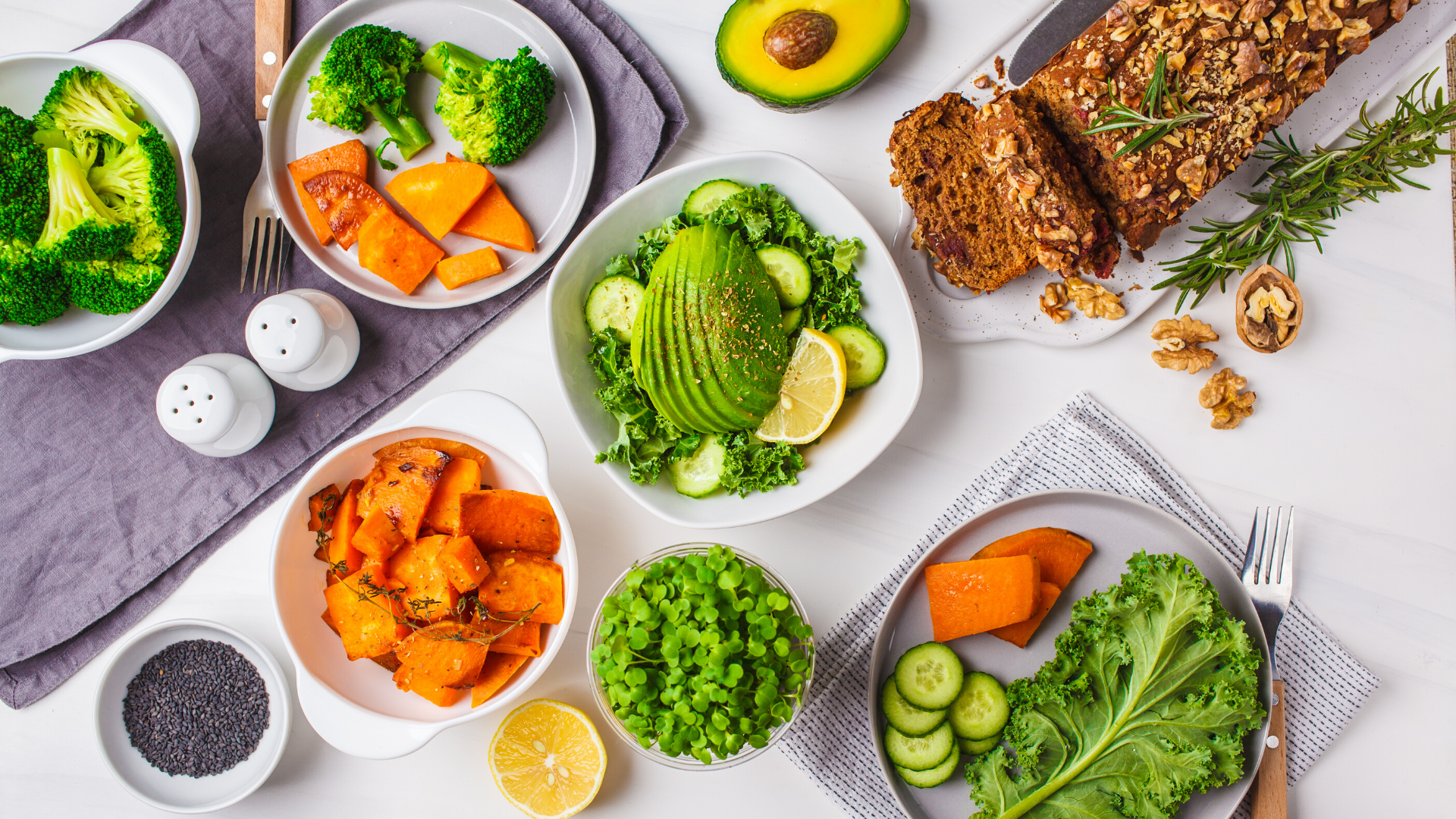
1. Consume at least 7 servings of fruits and vegetables a day

(ideally organic to reduce chemical exposure).
You should also include a rainbow of colours to ensure you are consuming a wide-range of cruciferous vegetables daily, such as broccoli, Brussel sprouts, cabbage, cauliflower and kale helps support the liver the key organ in helping to combat cancer.Fruits and vegetables contain antioxidants which extensive research is showing can help treat and prevent cancer. In a scientific review of 206 human and 22 animal studies it was shown that greater fruit and vegetable intake has a protective effect with cancers of the stomach, esophagus, lung, oral cavity, pharaynx, endomedtrium, pancreas and colon (2). We must also consider that cancer thrives in a low-oxygen, acidic environment (Cancer Research Journal 2006) and eating fresh fruits and vegetables, especially dark leafy greens, is great way to help increase the pH levels in the blood which puts the body in a more alkalinize state making it a more difficult environment for cancer cells to grow. Where as grains, coffee and sugars lower pH levels making the body more acidic so these foods should be avoided.

2. Reduce red meat intake

This includes beef, pork, lamb and goat and processed meats such as hot dogs, sausages, deli meats. Red meat is acidic to the body which creates an environment conducive to cancer growth. The World Cancer Research Fund recommended if you do eat red meat this should be limited to at most 500 grams a week). One study found that women who ate red meat every day had a 56% increase risk of breast cancer (4). Plus, research shows that people that consume higher amounts of red meat are at greater risk of stomach, pancreatic and breast cancer(3). Red meat consumption in countries that inject growth hormones and other hormones to increase milk supply can increase the risk of hormone-based cancers such as breast and prostate.

If you are consuming red meat opt for organic, grass-fed beef, lamb or game, as these meats are less inflammatory than their factory-farmed counterparts. Maintaining a focus on lean organic, free-range eggs, poultry and game, wild-caught fish, and vegetable-based proteins is important.

Processed meats contain N-nitroso compounds (NOCs), which can damage DNA and contribute to cancer development. High cooking temperatures may produce additional carcinogens in meats. You should especially avoid chargrilled meat on the BBQ and frying as this is creates well-known carcinogens and increases the risk of stomach and colorectal cancer. A healthier cooking option is frying foods in a little water as opposed to oils, which often become rancid at high heats.

3. Avoid sugar.

Cancer cells usually grow quickly, and multiply at fast rates, which takes a lot of energy – this means they need lots of glucose. Cancer cells thrive on sugar. In fact, individuals with type 2 diabetes have three times the risk of developing cancer. A diet rich in sugary foods and beverages can lead to obesity, which significantly raises your risk of cancer (5). Cancer Research UK reports eating high amounts of sugar over time can cause you to gain weight, and robust scientific evidence shows that being overweight or obese increases the risk of 13 different types of cancer. Obesity is the single biggest preventable cause of cancer after smoking.

Additionally, sugar is acidic to the body and cancer tends to thrive in acidic environments. Diets high in sugar increase inflammation in your body and may lead to insulin resistance, both of which increase cancer risk (6). A study in over 430,000 people found that added sugar consumption was positively associated with an increased risk of esophageal cancer, pleural cancer and cancer of the small intestine (7).

4. Limit Alcohol

Alcohol is one of the top three causes of cancer deaths worldwide. Last year, it is estimated that as many as 10,700 Canadians were diagnosed with cancer linked to their alcohol consumption (Canadian Cancer Society). A survey showed that 60% of Ontario women and 41% of Ontario men exceed the alcohol consumption guidelines recommended by the Canadian Cancer Society.  

The National Toxicology Program of the US Department of Health and Human Services lists consumption of alcoholic beverages as a known human carcinogen. The evidence indicates that the more alcohol a person drinks—particularly the more alcohol a person drinks regularly over time—the higher his or her risk of developing an alcohol-associated cancer. Both light drinkers (those who have no more than one drink per day) and binge drinkers have an increased risk of some cancers (8-12). 

Alcohol consumption can increase the risk of mouth and throat, larynx, oesophagus, breast, liver and bowel cancer. The Canadian Cancer Society recommends that women have less than one standard drink per day and men have less than two standard drinks per day.


While there’s no one thing any of us can do (or not do) to ensure with certainty that we don’t develop cancer, there are many diet and lifestyle changes that we can make as individuals in order to give ourselves the best chance possible of a long and healthy life!

Download our free 1-day cancer preventative meal plan as a kick-start to altering your diet in a way that will help prevent the development of cancer.

If you want to take things a step further, we would love to meet with you one-on-one to complete a thorough assessment to help determine your risk of developing cancer and help educate you about diet and lifestyle changes you can make to reduce your risk.


References

  1. Waller “the disease of civilization” Ecologist, 1970:1(2)
  2. https://www.ncbi.nlm.nih.gov/pubmed/8841165
  3. Nothlings and L.N Kolonel “Risk factors for Pancreatic cancer in the Hawaii-Los Angeles Multiethnic cohort study Hawaii Medical Journal, 2006 Jan,:65 (1):26-8
  4. F Taylor , et al “meat conusmtoion and risk of breast cancer in the UK Womens Cohort Dtudy” British Jounral of Cancer, 2007, April 10;96 (7): 1139-46
  5. https://www.ncbi.nlm.nih.gov/pmc/articles/PMC3773450/
  6. https://www.ncbi.nlm.nih.gov/pmc/articles/PMC3595327/
  7. https://www.ncbi.nlm.nih.gov/pmc/articles/PMC3494407/
  8. Bagnardi V, Rota M, Botteri E, et al. Light alcohol drinking and cancer: a meta-analysis. Annals of Oncology 2013; 24(2):301-308. [PubMed Abstract]
  9. Bagnardi V, Rota M, Botteri E, et al. Alcohol consumption and site-specific cancer risk: a comprehensive dose-response meta-analysis. British Journal of Cancer 2015; 112(3):580-593. [PubMed Abstract]
  10. Cao Y, Willett WC, Rimm EB, Stampfer MJ, Giovannucci EL. Light to moderate intake of alcohol, drinking patterns, and risk of cancer: results from two prospective US cohort studies. BMJ 2015; 351:h4238. [PubMed Abstract]
  11. Chen WY, Rosner B, Hankinson SE, Colditz GA, Willett WC. Moderate alcohol consumption during adult life, drinking patterns, and breast cancer risk. JAMA 2011; 306(17):1884-1890. [PubMed Abstract]
  12. White AJ, DeRoo LA, Weinberg CR, Sandler DP. Lifetime alcohol intake, binge drinking behaviors, and breast cancer risk. American Journal of Epidemiology 2017; 186(5):541-549. [PubMed Abstract]


Top 6 Cancer-Preventative Foods

Top 6 Cancer-Preventative Foods

Ketogenic Meal

There is growing research on the power of foods and the impact on preventing, or even addressing, cancer. This is empowering for people who are at risk or who have cancer!

All of us have “cancerous” cells in our bodies at all times – this is normal. Our bodies are constantly making new cells, and sometimes things go wrong. However, in a healthy body, the number of these cells is small enough that our immune system is able to detect the cancerous cells and destroy them before they have the chance to get out of control. Many of the foods below help to prevent cancer development because they either support the healthy division of new cells (meaning the body makes fewer mistakes), or because they support the immune system in targeting cancer cells, or both!

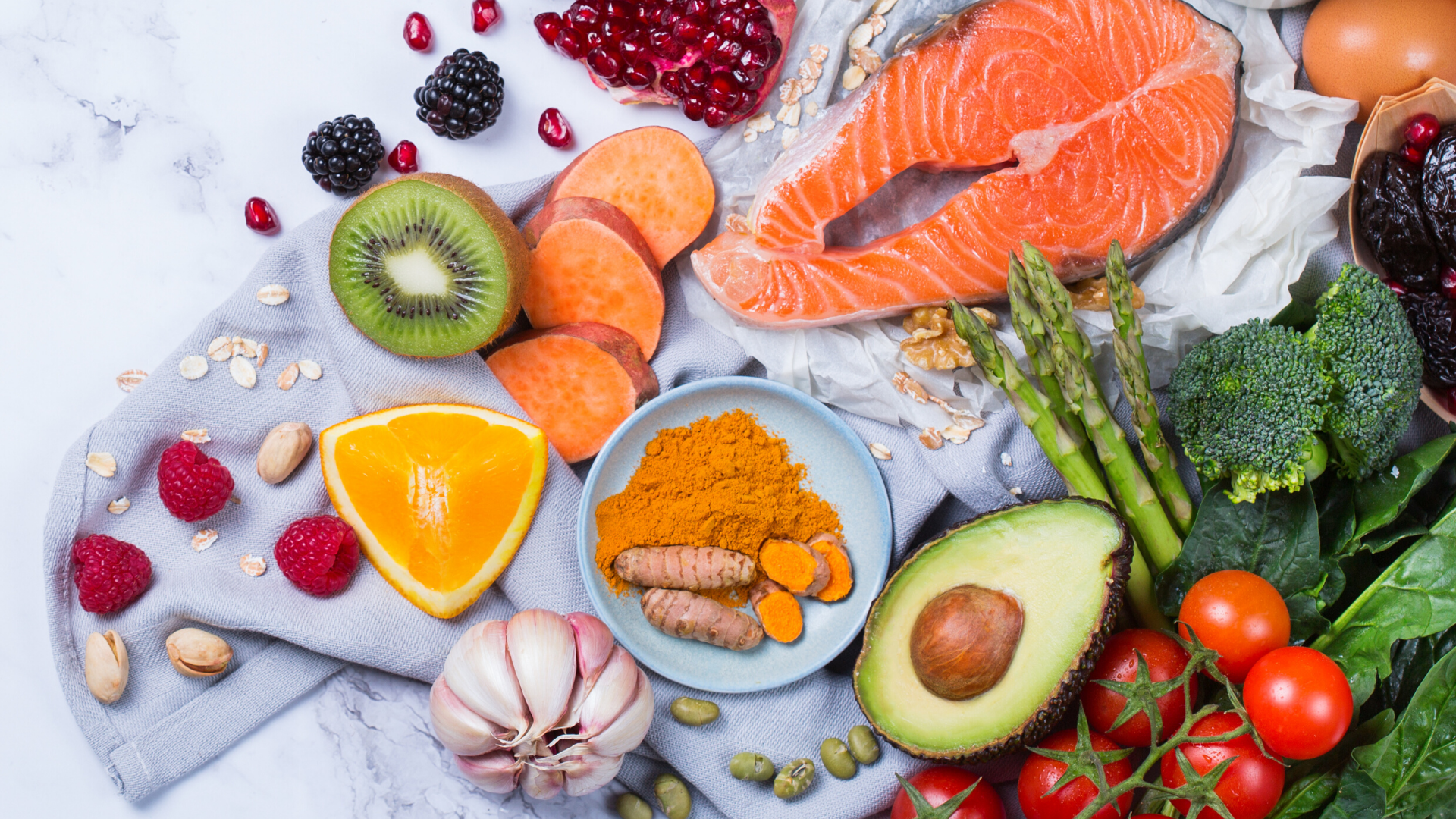
Let’s explore our top 6 foods that can help us fight cancer.

1. Turmeric

The Indian spice, turmeric, is anti-inflammatory, anti-viral, anti-bacterial, anti-fungal, and can be extremely helpful when it comes to fighting cancer. Studies show that the active compound curcumin, found in turmeric, may help to kill cancer cells and slow tumor growth (1).

The research on the benefits of curcumin with cancer show that it can help protect against every stage of cancer development including initiation, promotion and progression. Curcumin has been shown to block cancer cells from multiplying, and in killing colon, breast, prostate, and melanoma cancer cells as well as slowing or inhibiting tumor growth (2).

2009 study found that curcumin can kill many types of cancer cells in multiple ways. Because more than one method is possible, cancer cells are less likely to become curcumin-resistant. Curcumin targets only cancer cells, leaving healthy cells unaffected. This is an important step in potential treatment because chemotherapy drugs kill both healthy cells and cancer cells (3).

Add some turmeric to your next dinner, take a supplement containing curcumin to experience the benefits of this powerful substance, or make a Golden Milkshake.  Link to recipe

  1. https://academic.oup.com/jnci/article/100/9/616/917868
  2. Krishnaswamy, et al Retardation of experimental tumorgenisis and reduction in DNA adducts by tummeric and curcumin, Nutrition and cancer  1998; 30 (2): 163-6
  3. https://www.ncbi.nlm.nih.gov/pmc/articles/PMC2758121/

2. Garlic

The American Institute of Cancer indicates that there are many ways in which garlic and its compounds may help prevent cancer. Lab studies show that garlic compounds help with DNA repair, slow the growth of cancer cells, decrease inflammation and prevent the formation of carcinogenic substances in the body. A 2019 study further supported the role of garlic in DNA repair in that (at least in the lab) garlic appeared to enhance the expression of tumor suppressor genes.

Garlic has natural antioxidants and is anti-inflammatory, antibacterial, and antiviral. It contains high levels of sulfur, flavonoids, and selenium all of which are nutrients that support our liver and immune system. Plus, when it is crushed, chopped, or bruised, garlic produces the compound allicin which can help inhibit tumor growth (7).

Garlic contains allyl sulfur and other compounds that slow or prevent the growth of tumor cells. Allyl sulfur compounds, which occur naturally in garlic and onions, make cells vulnerable to the stress created by products of cell division. Because cancer cells divide very quickly, they generate more stressors than most normal cells. Thus, cancer cells are damaged by the presence of allyl sufur compounds to a much greater extent than normal cells (1).

After a review of the global research, AICR’s reports found that eating garlic frequently lowers the risk of colorectal cancers and breast cancer, stomach, colon, lung and prostate (2,3,4,5,6).

Based on the research, eating 2–5 grams (approximately one clove) of fresh garlic per day, or 300 to 1,000 milligrams of garlic extract, reaps benefits.

  1. https://www.medicinenet.com/script/main/art.asp?articlekey=23591
  2. https://www.tandfonline.com/doi/full/10.1080/01635581.2019.1651349
  3. https://www.ncbi.nlm.nih.gov/pmc/articles/PMC4366009/
  4. https://cancerpreventionresearch.aacrjournals.org/content/6/7/711?sid=179e57a9-3770-409d-84bc-cd83ef816963
  5. https://www.ncbi.nlm.nih.gov/pubmed/12419792/
  6. https://www.cancer.gov/about-cancer/causes-prevention/risk/diet/garlic-fact-sheet
  7. https://cancerres.aacrjournals.org/content/20/4/431

 3. Green tea

Green tea is an excellent antioxidant, and studies show the properties of green tea help protect against metastasis of certain kinds of cancer (1). Green tea also contains chemicals called polyphenols that have antioxidant and anti-inflammatory properties. The nutrient EGCG in green tea can help induce cell death in human cancer cells.

A comprehensive review of observational studies found that women who drank had an approximately 20–30% lower risk of developing breast cancer, one of the most common cancers in women (2). Another study observed that men drinking green tea had a lower risk of advanced prostate cancer (3) and an analysis of 29 studies showed that those drinking green tea were around 42% less likely to develop colorectal cancer (4).

  1. https://www.ncbi.nlm.nih.gov/pmc/articles/PMC3142888/
  2. https://www.ncbi.nlm.nih.gov/pubmed/19437116
  3. https://academic.oup.com/aje/article/167/1/71/185454
  4. https://www.ncbi.nlm.nih.gov/pubmed/28454102 

 4. Cruciferous Vegetables

Cruciferous vegetables include arugula, bok choy, broccoli, Brussels sprouts, cabbage, cauliflower, kale, radish, and turnips.

All cruciferous vegetables contain glucosinolates, natural substances that break down during chopping, cooking, chewing and digestion into biologically active compounds called isothiocyanates and indoles. In laboratory experiments in rats and mice, these compounds have been found to inhibit cancers of the bladder, breast, colon, liver, lung and stomach. They protect cells from DNA damage by inactivating carcinogens and decreasing inflammation. Plus, they can help inhibit the formation of blood vessels and the migration of tumor cells, two processes that help spread cancer.

Cruciferous vegetables also contain other protective compounds, including carotenoids, plant pigments that may control abnormal cell growth; vitamin C, which acts as an antioxidant, protecting cells and supporting the immune system; and folate, which may also help to maintain healthy DNA and keep cancer-promoting genes turned off (1).

One analysis of 35 studies showed that eating more cruciferous vegetables was associated with a lower risk of colorectal and colon cancer (2).

  1. https://www.nytimes.com/2018/12/07/well/eat/do-cruciferous-vegetables-really-fight-cancer.html
  2. https://www.ncbi.nlm.nih.gov/pubmed/23211939

 5. Flax seed

Lignans are plant compounds that have antioxidant and estrogen properties, both of which can help lower the risk of cancer and improve health (1).

Some studies have shown that consuming 25 grams of flaxseed a day may reduce tumor growth in breast and prostate cancer. It can also reduce the body’s production of estrogen, so its benefits have been linked to breast cancer prevention. In fact, consuming flaxseed can enhance the effectiveness of tamoxifen, a drug commonly used to prevent breast cancer recurrence (2). 

The American Institute of Cancer Research reported that in a one month-long trial of about 30 post-menopausal women with newly diagnosed breast cancer, daily flaxseed consumption decreased signs of cancer cell growth. In several studies of healthy women consuming flaxseed daily, estrogen levels decreased or shifted to more of a relatively inactive form, resulting in less estrogen in the form believed to promote breast cancer growth.

Additionally, according to a Canadian study involving more than 6,000 women, those who eat flax seeds are 18% less likely to develop breast cancer (3). Further studies show benefits with colon, prostate and lung cancer (4,5)

  1. https://www.ncbi.nlm.nih.gov/pubmed/17301257
  2. https://www.mdanderson.org/publications/cancerwise/3-nutrients-cancer-survivors-should-know-flaxseed-omega-3s-iron.h00-159305412.html
  3. https://www.ncbi.nlm.nih.gov/pubmed/23354422
  4. https://www.ncbi.nlm.nih.gov/pubmed/15134976
  5. https://onlinelibrary.wiley.com/doi/full/10.1111/j.1541-4337.2009.00105.x

 6. Berries

The researchers, led by Dr. Minna Rahnasto-Rilla, found that one type of anthocyanin, known as cyanidin, found in wild bilberry, raspberry, and cranberry, appeared to reduce the activity of cancer-causing genes and boost the activity of cancer-stopping genes (1).

Studies show that several antioxidants in berries, including anthocyanins, ellagic acid, and resveratrol, may reduce cancer risk (2,3,4). Specifically, animal and human studies suggest that berries may protect against cancer of the esophagus, skin, lung, mouth, breast, and colon (5, 6,7,8,9).

Most berries also contain antioxidants, fiber, and vitamin C which can all support a healthy immune system and liver function which is important to creating a terrain within the body that is not favourable to cancer growth. 

It’s ideal to consume berries daily, with attention to consuming a variety of different berries. Berries can be put in smoothies, on salads, with plain Greek yoghurt, on oatmeal, or just eaten on their own. Be sure to choose organic to avoid unnecessary exposure to pesticides and other chemicals, which are known carcinogens. 

  1. https://www.medicalnewstoday.com/articles/321410#Berries,-cancer-genes,-and-the-future
  2. https://www.ncbi.nlm.nih.gov/pubmed/25788047
  3. https://www.sciencedirect.com/science/article/abs/pii/S0963996911002572
  4. https://www.ncbi.nlm.nih.gov/pubmed/16084717
  5. https://www.ncbi.nlm.nih.gov/pubmed/19139022
  6. https://www.ncbi.nlm.nih.gov/pubmed/24222110
  7. https://www.ncbi.nlm.nih.gov/pubmed/22571764
  8. https://www.ncbi.nlm.nih.gov/pubmed/22823889
  9. https://www.ncbi.nlm.nih.gov/pubmed/21123457

Those are our top 6 cancer-preventative foods – turmeric, garlic, green tea, flaxseed, cruciferous vegetables and berries!

We’ve done some of the legwork for you do pack more of these protective foods into your diet and are offering our free 1-day cancer preventative meal plan for download.

If you want to take things a step further, we would love to meet with you one-on-one to complete a thorough assessment to help determine your risk of developing cancer and help educate you about diet and lifestyle changes you can make to reduce your risk.


The Ketogenic Diet: How To Get Started And Avoid Common Mistakes

The Ketogenic Diet: How To Get Started And Avoid Common Mistakes

Ketogenic Meal

The ketogenic diet has become popular among fad dieters in recent years. In reality, the ketogenic diet is a very specific dietary protocol that is easy to apply incorrectly. Because it requires specific macronutrient ratios and specific healthy fats, there are lots of individuals doing “keto” the “wrong way”.

Because the ketogenic diet is very specific, if you do not adhere to the strict ratios or consume the right types food, then your ability to get into or remain in ketosis will be difficult. To be successful with a ketogenic diet you must be consuming 75% fat, 20% protein and 5% carbohydrates.

Below we cover some common mistakes individuals make when undertaking a ketogenic diet, as well as some tips to ensure you avoid these pitfalls so you’re experience with the ketogenic diet can be a successful as possible.

Common Mistakes

Consuming Too Much Dairy
A common mistake people make is consuming high amounts of dairy products. Although dairy is high in fat, it is also high in the milk sugar lactose (which is a carbohydrate). Dairy can also be inflammatory to the body, so dairy should be consumed in moderation

Not Eating Enough Vegetables
Because the ketogenic diet eliminates all grains, starchy vegetables and almost all fruits, it is easy to establish eating habits that do not provide enough variety in the diet. An individual may be so focused on consuming enough fat that they forget about all the vegetables! Consumption of non-starchy vegetables is crucial because a high meat diet such as keto can be very acidic to the body. High acidity can lead to fatigue, gut issues, and headaches, but to name a few. While on the keto diet you must be consuming a lot of darky green leafy vegetables, broccoli, cauliflower, Brussel sprouts, asparagus and other low-starch vegetables in order to off-set the acidity of the animal products.

Not Staying Hydrated
Because of the metabolic process of burning ketones and getting into ketosis you are required to drink a lot of water, which often people do not do. When first starting keto the body starts using up all its glucose storage, which is stored in the form of glycogen. Glucose holds onto water so when glycogen is broken down the body releases water, which is why you will find yourself frequenting the washroom in the first 2 weeks and this can often lead you to being dehydrated.

Not Consuming Enough Variety of Fats
On the ketogenic diet it’s important to consume a variety of good fats from sources such as avocado, olives, free range eggs, nuts, olives oil, oily fish, grass fed beef, and coconut oil. It is easy to revert to bacon, processed deli meats, soft cheeses, which are highly processed and contain additives and preservatives that can in fact be detrimental to your health if consumed in large amounts.

Over-consuming Protein
By trying to consume enough fats often individuals over-consume protein in the forms of meats, which results in the consumption of too much protein (>30% intake). When consuming high amounts of protein your body can actually break this down and convert this to glucose which will result in kick you out” of ketosis.

Not Planning Ahead
Going out for the day without preparing what you will eat, or knowing keto friendly options while out, can be a recipe for disaster.


Helpful Tips To Be Successful with the Ketogenic Diet

Prepare Before You Start
You are going to need time to throw out or use up foods in your house that are not “keto friendly”. Keeping these foods in a cupboard or pantry can lead to temptation, especially when you are transitioning into ketosis and your cravings for carbs will be high. So, take time to get rid of the foods that will not serve your goal and replace them with high quality keto-friendly foods.

Meal planning for the week
It can be quite an adjustment to prepare different meals and recipes that you may not be familiar with. Putting together a meal plan in advance so you don’t feel stuck is a great strategy to support your success.

Get educated
The ketogenic diet doesn’t have to be complicated, but it is important to educate yourself properly on the pros and cons of the diet, what foods you should be consuming, and what you need to be avoiding. It might be necessary, especially if you have health issues, to recruit a health professional such as a nutritionist or dietitian to help you navigate the process and ensure your success with the diet.

Recruit Support
Change is always a challenge. It will be even more difficult to be successful on a ketogenic diet if your whole household is still loading up on potatoes, pasta and pizza while you are munching on boiled eggs and guacamole. If recruiting them into the diet is not possible, then creating meals that serve the whole family can still an option! For example, you might make a Greek chicken salad, but serve it with roasted potatoes on the side for the rest of the family. Again, you might find if more stress-free to have a health professional l(ink) assist you with the menu planning to take the stress out of meal times.

Managing the “Keto Flu”
While your body is moving from a carb-burner to a keto-burner, you are going to experience various symptoms as you progress through that transition and your body learns to adapt by making more fat enzymes, readjusting hormones, and so on. You can also experience the “keto flu” as a result of stress, imbalance of vitamins and minerals, dehydration or deficiency in eletcrolytes. If you are someone that has relied heavily on carbs then you are likely to experience more significant symptoms. The “keto flu” usually sets in between day 3 and 7 and ends between day 5 and 14.

Symptoms of the “keto flu” include brain fog, headaches, insomnia, dizziness, heart palpitations, irritability, nausea, carb cravings, fatigue, weakness, diarrhea and muscle cramps.

To help combat the “keto flu” symptoms:

  • Drink Bone Broth – It is rich in electrolytes, collagen and water for hydration.
  • Drink lots of water – Carbs hold onto water so while your body is breaking down glucose (in the form of glycogen) it releases water resulting in frequent washroom breaks as a result you need to be consuming water to offset this water loss.
  • Consume foods rich in electrolytes – You can consume potassium from avocados, nuts, dark leafy greens and salmon; magnesium from dark chocolate, nuts, artichoke, fish and spinach; sodium from Himalayan sea salt, bone broth, pickles and miso soup; calcium from dark leafy greens, almonds and sardines; phosphorus from nuts, seeds, dark chocolate; and chloride from olives and seaweed.
  • Rest – Be mindful of activities that cause you to sweat a lot and lose water. Avoid strenuous activities in the beginning.

Tracking your Macros
It is really important to track your macronutrient intake and calories, especially in the beginning. You can do this by using apps on your phone such as Cronometer or My Fitness Pal. These apps can help you see how much or little you need to be consuming to hit your target macros. You may be surprised to see how hard it can be to get your fat intake up to 75% and to keep your carbs down to the 5%. It is a great learning tool to understand your food and meal combinations.

Use Ketostix to Track Ketosis
In the beginning, while you are learning how to do the diet, it is beneficial to track when you are in ketosis and if you can maintain that state. If you move out of ketosis, you can track how long it takes you to move back in. The keto strips can be purchased at your local drug store and just involves taking your urine sample. Blood tests are more effective but more expensive.


Hopefully that has given you some helpful tips to support your ketogenic journey. Please follow us on Instagram and Facebook to get more information and recipes to help you on your keto program, or contact us here at Koru nutrition — we would love to help you.

Coconut Chicken Curry & Zoodles

Coconut Chicken Curry & Zoodles

Coconut Chicken Curry with Zoodles

Many folks complain about feeling deprived while following a keto diet, but with recipes like this Coconut Chicken Curry & Zoodles – you’re sure to enjoy your mealtime. Whether you are following a ketogenic diet or not, this dish is a healthy, satisfying and well-balanced meal that’s sure to “hit the spot!

With avocado oil and full-fat coconut milk this recipe is chock-full of healthy medium-chain triglycerides and omega 9’s to help you feel fuller for longer, support a healthy metabolism, and help reach fat-intake targets for those following a keto diet.

Zucchini noodles aka “zoodles” are a low-carb, pasta alternative for those following a keto diet. That said, even if you are not following keto, zucchini noodles offer a lighter, fresher feeling base to a meal – which is especially pleasing during summer months when we tend to crave lighter meals anyway.

Turmeric, curry powder, cumin and black pepper ensure this meal is not only brimming with delicious flavour, but also filled with powerful antioxidants and anti-inflammatory compounds like curcumin from the turmeric. Plus, black pepper acts synergistically with turmeric to increase its anti-inflammatory action.

So, give it a try! Fill your plate with some beautiful and tasty Coconut Chicken Curry & Zoodles!

And if you like recipes like this one, you will LOVE our 7-day Ketogenic Menu Plan which is packed with over 40 fantastic keto meal and snack recipes and a grocery list to make shopping easy! Check it out!


7-Day Keto Meal Plan

Coconut Chicken Curry with Zoodles

Whether you are following a ketogenic diet or not, this dish is a healthy, satisfying and well-balanced meal that’s sure to “hit the spot"!
Total Time 30 minutes
Course Main Course
Servings 4
Calories 533 kcal

Ingredients
  

  • 1 tbsp Almond Flour
  • 1 tbsp Turmeric
  • 1 tbsp Curry
  • pinch Himalayan Sea Salt
  • ¼ tbs Black Pepper
  • 2 cups Coconut Milk
  • ½ cup Cashews
  • 3 tbsps Avocado Oil
  • 3 Chicken Breasts cubed
  • ½ tsp Cinnamon
  • 2 Zucchini

Instructions
 

  • In a large skillet over medium heat, heat half of the avocado oil. Add in the cubed chicken breast and cook for 10 to 12 minutes or until the chicken is cooked through.
  • While the chicken is cooking, in a small saucepan, combine the coconut milk, almond flour, turmeric, curry powder, cinnamon, salt and pepper. Use a whisk to stir frequently. Bring the mixture to a boil, then reduce heat and allow the curry to thicken.
  • Once the curry is your desired thickness, add it to the skillet with the chicken and cook for an additional 5 minutes.
  • In a separate skillet over low heat, add the other half of the avocado oil along with the spiralized zucchini. Add a lid to steam the zucchini and cook for approximately 5 minutes until softened.
  • Divide the zucchini noodles between plates. Spoon the coconut chicken curry over the top of the zoodles. Enjoy!

Notes

Nutritional information per serving:
Calories  601
Carbs  18g
Fiber  5g
Sugars  8g
Protein  35g
Fat  46g