JuicePlus Chocolate Bark

JuicePlus Chocolate Bark

Coconut Chicken Curry with Zoodles

As you may know, at Koru Nutrition we love chocolate and love ways to incorporate healthy options into our diet. So, is there a better combination than a healthy chocolate recipe that includes 30 fruits and vegetables?!

The recipe below incorporates Juice Plus Chewables – a delicious kids’ chewable from juiced fruits and vegetables that kids love. Often they have no idea that they are consuming kale, spinach, tomatoes, carrots, pineapple, artichoke, cabbage, broccoli, beets, bilberries, and pomegranates – and that is just to name a few.

Research has shown that kids taking the Juice Plus chewables have fewer missed days of school, are taking fewer over the counter and/or prescription medications, are drinking more water, were visiting the doctor less, were consuming less fast food and soft drinks and were eating more fruits and vegetables.

The chocolate that we recommend is stevia sweetened dark chocolate chips. This helps us to enjoy that yummy chocolate taste without spiking blood sugars.

Plus, did you know that craving chocolate can be a sign of a magnesium deficiency? That is because chocolate contains magnesium along with other minerals and antioxidants.

Another great thing is you can store this chocolate bark in the freezer so it can last for several weeks.

So, what are you waiting for?

If you want your Juice Plus Chewables, click here to order.

    JuicePlus Chocolate Bark

    Prep Time 5 minutes
    Cook Time 25 minutes
    Total Time 30 minutes
    Servings 12 pieces

    Ingredients
      

    • 2 cups Stevia Sweetened Chocolate Chips
    • 1 cup Juice Plus Gummies
    • ½ cup Raw Almonds can omit if taking to school
    • 2 tbsp Coconut Oil
    • 1 dash Himalayan Sea Salt

    Instructions
     

    • Place parchment paper down on a baking tray
    • Lay down almonds, any other nuts and seeds and Juice Plus chewables
    • Put chocolate chips in a stainless steel bowl and out over a pot of boiling water, stir frequently
    • Once melted add in coconut oil
    • Pour melted chocolate over nuts and gummies
    • Sprinkle shredded coconut or Himalayan sea salt on top
    • Place tray in Freezer
    • Once hardened break bark into small servings sizes

    Notes

    Nutritional information per serving:
    Calories – 210
    Carbs - 15g
    Fiber - 11g
    Sugars - 5.5
    Protein - 3g
    Fat - 14.5g

    Healthy Ingredient Swap-Outs

    Healthy Ingredient Swap-Outs

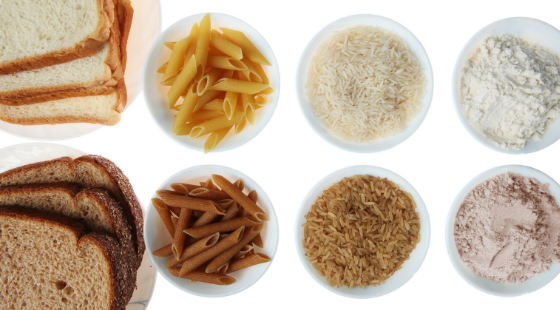
    White flour vs Whole grain flour

    It’s a really scary fact is that this is going to be the first generation where we will outlive our kids. Our Western dietary habits are setting our children up for childhood obesity, diabetes and a whole host of diseases and health condition in their future. Children have never been afflicted with more chronic illnesses and conditions than in present day.

    Many parents are unknowingly contributing to this trend . It is frightening to think that the food our children are eating are potentially laying the foundation for mental health problems, cancer, heart attacks, strokes… and the list goes on. 

    Unfortunately, there are a number of reasons for this…

    • Highly processed foods tend to be cheaper and more available and these processed foods are void or limited in nutrients but loaded with saturated fats, artificial preservatives, colorings and flavourings that are detrimental to our nervous systems, organs and brain function. 
    • Portion sizes have steadily increased over the years. Do you remember as a kid getting the small cookie and now you just need look at the size of the cookies that are available at Starbucks that little kids are being fed that well exceeds their daily quota of sugar.
    • Both parents are now working in most families, and kids have multiple programs and sports after school resulting in not having time to prepare meals and relying on grabbing some fast food on the road.
    • Normalizing of consuming processed foods as a standard and staple meal or food that our children should consume, as opposed to it being a treat or viewed as unhealthy.
    • Marketing of children’s food products confuse parents into thinking it is a healthy food option, when most packaged and prepared foods are not.
    • Lack of education, understanding and knowledge of how impactful the foods that our children consume are in relation to their behaviours, cognition, mental state, physical health and long-term wellness.

    It doesn’t have to be overwhelming to make simple changes to your child’s diet and you don’t have to do it all at once. Making small changes over time and making your children a part of the process are two great way to start building healthier family eating habits. You might be surprised of the snowball effect of good, clean, healthy eating with better moods, energy levels, less outbursts, better sleep, weight loss, skin conditions resolving and even better and healthier relationships with one another. 

    The number one goal to remember is to eat CLEAN!

    Here are some Clean Eating Principles to incorporate:

    1. Eat food that looks like it has been from its original state ie eating a strawberry as oppose to a strawberry roll up (which looks nothing like it’s original form)
    2. Eat 3 meals and 2 snacks a day
    3. Consume fruit and vegetables on a daily basis for fiber, complex carbohydrates and enzymes. Kids minimum requirement is 5 servings a day
    4. Consume whole grains instead of refined white grained products that are processed and chemically charged
    5. For dinner stick to half the plate being vegetables (salad, cooked vegetables, cut up raw vegetables) and ¼ protein (chicken, fish) and ¼ carbohydrates (pasta, rice, sweet potatoes)
    6. Consume healthy fats each day such as avocado’s, fish, nuts, seeds, and coconut oil
    7. Choose lean proteins such as poultry, fish, wild game, non-GMO soy, legumes or hormone free, grass fed beef.
    8. Stick to healthy portion sizes
    9. Drink lots of water ideally 2-3 liters a day and avoid pop, store bought juices, energy drinks and other processed sugar laden drinks
    10. Avoid sugar and artificial sweeteners, sweetened meals with stevia, swerve, xylitol, honey or with fruits such as apple sauce. 

    Don’t know where to start?

    Here are some healthy switch outs that you can make to your children’s lunches, whether they are craving salty chips or sugary cookies there are healthy alternatives to reduce their sugar-intake and calories and increase their vitamins, minerals, good fats and healthy proteins.

    Food Item

    Problem with this 

    Healthy Alternatives

    Health Benefits of this

    Packet of chips

    No nutritional value, high in sodium and calories, Acrylamide is a chemical in potato chips that forms when you cook potatoes at high temperatures and may increase the risk of cancer and nerve damage. 

    · Roasted chickpeas

    · Seaweed 

    · Kale chips

    · Trail mix of nuts (cashews, almond, walnuts, pecans) and/or seeds (pumpkin, chia, hemp, flax, sesame, sunflower)

    · Potato salad

    Higher in vitamins and minerals, good fats, fiber.

    Chocolate bar

    High in calories and sugar, no nutrient value 

    · Home-made chocolate bark (link to recipe)

    · Stevia sweetened chocolate chips

    · 70%+ dark chocolate

    High in minerals such as magnesium, low in sugar, good fats for brain health and energy, and can hep to satisfy sugar cravings.

    Cookies

    Loaded with excess sugar, refined carbohydrates (white flour) that will spike blood sugars, calories, trans fats (to preserve shelf life)

    · Healthy muffins

    · Home-made cookies sweetened with swerve or apple sauce

    · Raw energy balls/bars

    High in fiber, good fats, vitamins and minerals, help to feel satiated, reduce sugar cravings and binge eating .

    Processed meats (deli meats, salami, lunchables, luncheon meats, hot dogs)

    Contain nitrates that have a negative effect on the nervous system 

    · Boiled eggs

    · Leftover dinner

    · Roast chicken

    · Hormone free sausages

    · Chickpeas or black beans

    · Quinoa

    · Lentils

    Reduced saturated fats, no nitrates and other chemical based preservatives, high in vitamins and minerals, (legumes and lentils also high in fiber)

    Ketchup

    Loaded with hidden sugar

    · Salsa

    No sugar, helps increase metabolism 

    Packaged and flavoured popcorn

    Can contain preservatives, sugars, artificial flavourings 

    · Plain, home-made cooked popcorn that you make in a pot or air popper

    Free from artificial flavourings and colorings, can add healthy fat like coconut oil

    Fruit loops, Frosted flakes and other sugary based cereals

    Loaded with sugars that will offset blood sugars affecting mood, energy levels, focus, and cause weight gain

    · Plain oatmeal with applesauce, or sliced banana, apples and cinnamon instead of sugar 

    · Kashi cereals

    · Shredded wheat

    · Ezekiel cereals

    · Ancient grains

    High in fiber, complex carbohydrates, balance blood sugar levels to help with sustained energy and mood. Nutrient dense and high in B vitamins for energy and brain function.

    Commercial sugary peanut butters (like Kraft)

    Contains sugars and hydrogenated oils

    · Unprocessed natural nut or seed butters

    · Hummus

    · Coconut oil

    These spreads contain good fats, and complex carbohydrates, and no sugar or hydrogenated oils

    Processed and sugar loaded yoghurts and yoghurt  drinks 

    Contain sugars, artificial colorings, flavourings and preservatives

    · Unsweetened apple sauce

    · Plain Greek yoghurt with raw nuts, seeds and/or fresh fruit added

    · Home-made smoothies

    · Chia pudding

    Nutrient dense with a combination of complex carbs, proteins and fats, can hide vegetable and fruits in smoothies that may not otherwise be consumed

    White bread, bagels and crackers

    Raises blood sugars, limited fiber, excess calories, nutrients depleted, do not feel satiated.

    · Whole grain or brown rice breads, wraps and pitas

    · Whole grain or brown rice crackers

    Increased fiber and B vitamins, balances blood sugars for more sustained energy and mood throughout the day

    Pop (regular or diet)

    Both sugar and artificial sweeteners such as aspartame have been shown to increase insulin resistance, weight gain and increase appetite. These drinks provide no nutritional value, Phosphorus in pop can be detrimental to bone health and teeth. Contains caffeine that may cause hyperactivity in kids.

    · Zevia drinks (stevia sweetened pop) or sparkling water

    · Plain water with cut up fruit and herbs for flavour

    Don’t spike blood sugars or contribute to weight gain, help to increase hydration needed for better focus memory and energy


    We hope that by sharing these easy ingredient swap-outs, it makes choosing healthier choices for your child’s lunch a little bit simpler! Which swap are you going to try first?


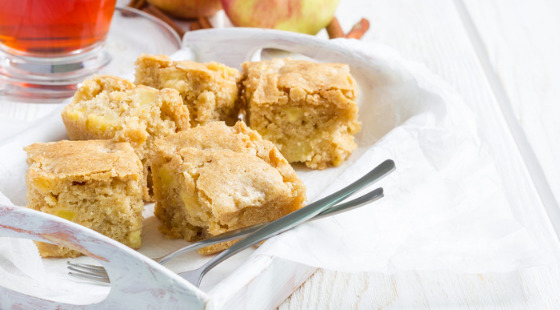
    Nut-Free Chickpea Blondies

    Nut-Free Chickpea Blondies

    Coconut Chicken Curry with Zoodles

    A “blondie” might not seem like a healthy snack, but when you take a peek at these ingredients, you may be surprised to see how nutrient dense, yet decadent, they really are! This recipe makes a great snack for kids’ lunch boxes or a healthy dessert for the whole family to enjoy!

    Chock full of nutrients, the star of this blondie is the nutty, buttery chickpeas. With both soluble and insoluble fibre they really pack a digestive punch. The soluble fibre, raffinose in chickpeas, gets broken down by the good bacteria in your gut – which means easier and more regular bowel movements. This is great news for all of us, but especially for kids returning to school, as the added stress and change in routine can often lead to constipation in children.

    Sunflower seeds are the perfect pairing, providing plant-based protein and fat to keep energy up and blood sugar levels balanced. Sunflower seeds are also a great source of vitamin E, which helps keep hair, skin and nails looking good while protecting your cells from free radical damage. Unfortunately, approximately 60% of North American’s are not consuming adequate amounts of vitamin E daily. Emerging research suggests vitamin E may have a role in regulating allergic airway disease (like asthma)(1) , so adequate vitamin E consumption may be an important preventative in pediatric nutrition.

    Lastly, coconut oil provides more healthy fats. The type of saturated fat in coconut oil, medium chain fatty acids, is shuttled to the liver to provide a quick and useable energy source. For adults, eating coconut oil regularly has been shown to support increased metabolism and help promote fat burning, as well as raise HDL (good) cholesterol, which lowers the risk of heart disease. In children, coconut oil provides fuel for the brain to help keep them focused during learning.

    This blondie recipe combines good fats with fibre and protein all while keeping the sugars low! There’s just 1 tsp of maple syrup in each blondie making these a solid lunch box addition or a super after school snack and best of all they’re NUT FREE!!

    They’re quick and easy to mix together in the food processor, and lining your pan with parchment will make clean up a snap! And because it is so easy to make your kids can make it with you.


    1. Joan M. Cook-Millsand Christine A. McCary. Feb 3 2012. Isoforms of Vitamin E Differentially Regulate Inflammation. PMC3271790.

    Nut-free Chickpea Blondies

    A “blondie” might not seem like a healthy snack, but when you take a peek at these ingredients, you may be surprised to see how nutrient dense, yet decadent, they really are!
    Prep Time 20 minutes
    Cook Time 25 minutes
    Total Time 45 minutes
    Servings 16 servings

    Ingredients
      

    • 1 tsp Coconut Oil plus more for greasing pan
    • 2 cups Chickpeas cooked
    • ½ cup Sunflower Seed Butter
    • ¼ cup Maple Syrup
    • 2 tsp Vanilla Exctract
    • ½ tsp Cinnamon
    • ¼ tsp Sea Salt
    • ¼ tsp Baking Powder
    • ¼ tsp Baking Soda
    • 1 tsp Lemon Juice
    • cup Unsweetened Shredded Coconut

    Instructions
     

    • Preheat oven to 350ºF. Grease an 8 x 8 baking dish with coconut oil. Set aside.
    • Add all ingredients to the bowl of a food processor with an S-blade. Process until smooth. Scrape down the sides of the bowl as needed to ensure even processing.
    • Spread the batter evenly into the pan. Bake for 20 -25 minutes, until a toothpick inserted in the middle of the pan comes out clean.
    • Once cooked, remove from oven and let cool for 20-30 minutes. Cut into 16 equal squares and enjoy!

    Notes

    Nutritional information per serving:
    Calories: 112
    Carbs: 9g
    Fibre: 2g
    Sugar: 4g
    Protein: 3g
    Fat: 7g

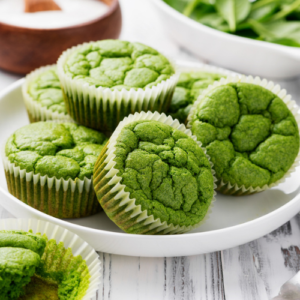
    Green Monster Muffins

    Green Monster Muffins

    Coconut Chicken Curry with Zoodles

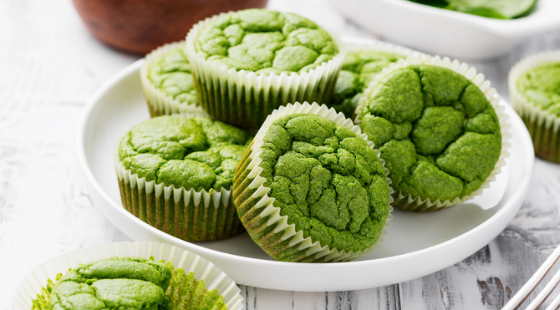
    Do you ever have trouble convincing your kiddies to eat their vegetables? Do they turn their noses up at vegetables?

    Then these muffins are your new best friend! They’ll help to get some greens into your kids’ diet.

    Spinach was a superfood before superfoods were cool, providing too many health benefits to list. Most people have heard that spinach is good for the eyes, and muscles, but did you know it’s also good for your immune system? Spinach is an excellent source of Vitamin K which acts as a cofactor for some proteins used in immune response, including Natural Killer cells – the ones that help fight viruses.

    Whole grain oats contain a soluble fibre called beta-glucan. This slowly digesting fibre also make you feel fuller, longer by delaying stomach emptying. Beta-glucan fibre only partially dissolves in the gut making a thick, gel like solution that is a friend to your good gut bacteria – and we all need as much immune support as we can find these days! For the adults in the house, oats can reduce LDL (bad cholesterol), reduce blood sugar, and may also improve insulin sensitivity.

    Naturally sweetened with both dates and bananas, these muffins provide a solid dose of the essential mineral potassium. In one Canadian study potassium intakes were far below the “adequate Intake” level for all age groups. The European Respiratory Journal found that bananas could decrease wheezing and improve lung function in children with asthma, possibly due to their antioxidant and potassium content. What a simple way to support our respiratory system!

    We understand busy families need something quick to prepare. If you’re feeling really keen add some eyes and a smile with a few stevia-sweetened chocolate chips before serving. You can now watch your kids eat their veggies while munching on this delicious Green Monster Muffin.


    Green Monster Muffins

    Do you ever have trouble convincing your kiddies to eat their vegetables? Do they turn their noses up at vegetables?
    Then these muffins are your new best friend! They'll help to get some greens into your kids' diet.
    Prep Time 5 minutes
    Cook Time 20 minutes
    Total Time 25 minutes
    Servings 12 muffins

    Ingredients
      

    • 1 tsp Coconut Oil
    • cups Baby Spinach
    • 1 Banana ripe
    • ½ Avocado
    • 2 tbsp Vanilla Protein Powder
    • 4 Medjool Dates
    • ¾ cup Organic Coconut Milk
    • 2 Eggs large
    • 2.5 cups Oats rolled
    • 1 tsp Baking Powder
    • 1 tsp Baking Soda
    • 2 tbsp Lemon Juice

    Instructions
     

    • Preheat your oven to 350ºF. Line 12 regular muffin holes with parchment paper liners.
    • In a blender container, add coconut oil, baby spinach, banana, avocado, protein powder, dates, and coconut milk. Blend until smooth.
    • Add the eggs, oats, baking powder and baking soda to the blender container. Blend again until a batter is formed. Quickly blitz in lemon juice.
    • Scoop the muffin batter into the lined muffin holes. Bake for approximately 20 minutes, or until a toothpick inserted into the middle of a muffin comes out clean.
    • Remove from oven. Remove muffins from muffin holes while still warm to prevent sticking. Let cool and enjoy!

    Notes

    Nutritional information per serving:
    Calories: 157
    Carbs: 22g
    Fibre: 3g
    Sugar: 7g
    Protein: 6g
    Fat: 6g

    Healthy Lunch Box Challenge

    Healthy Lunch Box Challenge

    Mother and son preparing lunchbox in kitchen

    It has been a long time since our kids were at school and going back to school this year will not be the typical back-to-school experience. With staggered classes, online learning, COVID-19 looming, as well as kids adjusting to a “new normal” after 6 months off, it’s making for a stressful time. 

    But putting lunches together should not be stressful! At Koru Nutrition we want to make sure you have the tools and some lunch ideas to help give your child a solid nutritional foundation, whether they are learning from school or at home. Healthy lunches are not only conducive to optimizing their learning experience, but also help to support healthy immune systems! 


    Lunch Box Goals

    #1. Eat the Rainbow

    Health Canada recommends that children 11 and under should be consuming 5 servings of fruit and vegetables daily. If your children are 12 to 13 years, they require 6 servings of fruits and vegetables daily, and for teens 14+ females require at least 7 servings of fruits and vegetables daily and males 14+ need 8 servings of fruits and vegetable a day. 

    Canadian Community Health Survey (CCHS) indicates that approximately 70% of children aged four to eight years, and 65% aged nine to 13 years, do not consume the recommended minimum five servings of fruits and vegetables daily (11). Fruits and vegetables contain fiber to help regulate the bowels and support a healthy gut flora. They contain a variety of vitamins, minerals, antioxidants, phytonutrients to support brain health, mood, and immune system. So, it is vital that we ensure our kids are getting these foods into their diet—ideally at every meal!

    If your kids don’t like vegetables, it is amazing where you can hide them. Check out these “Green Monster Muffins”.

    Goal: Incorporate at least one fruit and one vegetable into your child’s lunch box each day.


    #2. Choose Healthy Carbohydrates

    It’s important to avoid the temptation of putting sugar-laden processed treats into our child’s lunch box. Your kid might be happy in the moment, but you are not doing them any favours with their ability to remain focused, learn and maintain a stable mood throughout the day. Blood sugar imbalances can occur leading to behavioural and emotional challenges both during school hours and after school, which can make it tough on everyone.

    Complex carbohydrates not only include the fruits and vegetables above, but they also include whole grains, legumes and lentils. Some healthy options include roasted chickpeas, a whole grain sandwich or wrap, whole grain muffin sweetened with apple sauce (not sugar), left over dinner of brown rice or whole grain pasta, brown or basmati rice (not white rice), or vegetable chilli in a thermos. You can even make some healthy sweet treats from these ingredients such as black bean brownies or chickpea blondies. Complex carbohydrates will help fuel your child’s brain during the day.

    Goal: Incorporate 1-2 complex carbohydrates into your child’s lunch box.


    #3. Don’t Forget Good Fats

    We can’t emphasize enough the importance of healthy fats in your child’s diet and avoiding the bad fats, such as saturated fats and trans fats, because these bad fats can displace the good fats from your child’s brain. Healthy fats make up 60% of your brain and are critical to support healthy brain function. Research shows that good fats such as omega-3 can help boost memory and cognition and help support a healthy mood. Healthy fats include raw nuts and seeds, nut/seed butters, eggs, coconut oil, ketogenic recipe snacks, raw energy balls, avocado, and olives, although you may need to avoid nut-based products on days your child is at school. The standard western diet does not tend to provide enough healthy fats for our health, but we can change this!

    Goal: Incorporate at least one healthy fat into your child’s lunch.


    #4. Eat Clean & Lean Protein Sources

    Protein has many important functions for the body and the brain. It helps to make neurotransmitters to help us focus, stay motived, plan and problem solve. However, so much of our children’s options for protein are highly processed and loaded with hidden sugars, artificial colourings and preservatives that only serve to hinder their brain function and health as opposed to help it. Examples of these “unhelpful” protein foods include processed deli meats, luncheon meats, hotdogs, processed cheeses, and Cheez Whiz.

    Alternatively, healthy proteins include a boiled egg, left over dinner such as chicken, steak, salmon, cans of tuna, seeds, chickpeas, hummus, seaweed, quinoa, non GMO soy, plain Greek yoghurt, kefir, hormone free sausages, protein powder etc. 

    Goal: Include a healthy protein into your children’s lunch each day.


    #5. Stay Hydrated

    We all hear that we need to drink water, but it helps to know why. Just a 2% drop of hydration can cause fuzzy short-term memory and a 5% drop in water levels in the body can cause 25- 30% loss of energy. But it is important to consider what your child is drinking as most people, including children, are consuming their excess sugar intake from sugar-sweetened beverages. There is no need to pack juice boxes for kids’ lunches as the health benefits of the fruit juice has been lost in processing leaving a sugar-loaded drink with limited nutritional value. Just stick to good old plain water!

    Goal: Have a water bottle packed each day for your child. If they are not partial to plain water, you can use stevia-sweetened flavourings or cut up fruit in it. If it is a hot day add in ice cubes. 


    Putting It All Together

    Following these guidelines, will be a great start to help give your child the nutrients and fuel they need to stay focused and engaged in learning as well as support a healthy immune system, which in these current times is just as important.

    So, each day in your child’s lunch aim to include:

        • At least one fruit
        • At least one vegetable
        • 1-2 complex carbohydrates
        • A good fat
        • A healthy protein
        • Water

    With these nutritional bases covered, not only will you be providing your child with the foundation for optimal physical functioning, but you may find other improvements such as improved mood, less tantrums, better sleep and better interactions with their peers and family members. 

    All the best during this back-to-school season, and good luck with your lunch box challenge!