
Improving Your Memory Through Nutrition

Improving Your Memory Through Nutrition

Feeling forgetful? Here are some nutrition strategies to get those memory cells working.

Eggs-ceptional memory!
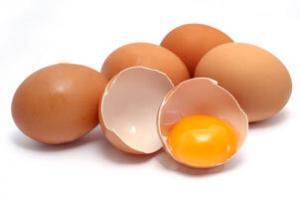
Choline is vital in making acetylcholine, the memory neurotransmitter in our brains. Choline also helps to form important building material for nerve cells and the receptor sites for neurotransmitters. Eggs are excellent source of choline and is best to lightly boil, hard boil or gently scramble. They are cheap and quick and easy to prepare, which is great for busy families.

Fat-tastic for memory!
Phosphatidylserine is the “memory molecule” its role is to help the brain cells communicate as it is a vital part of the structure of the brains receptor sites. 60% of our brains are made of fats which is why it is important to ensure that we get enough of the good fats in our diet. Your brain and nervous system depend on the essential fats. Phospholipids are a type of fat that can be made in our bodies but getting it from food sources will boost your memory abilities more. These can be found in soy beans and liver and organ meats.

Eat Your Fish!
Omega 3’s and omega 6’s cannot be made in the body which is why they are called essential fats. There are billions of nerve cells that are used to transport messages around the brain and nervous system. The myelin sheath which surrounds the nerve and receptor sites helps the messages to be transported efficiently from one nerve to the next and this sheath is made up of approximately 75% fat, which is again why it is so important to get enough omega 3’s and 6’s in your diet. Supplementation can often be needed, as well.

Foods high in memory nutrients (choline, phospatidylserine, phospholipids and essential fatty acids)

  • Flax seed, hemp seeds, sesame seeds and pumpkin seeds
  • Organic or wild Salmon, mackerel, herring, sardines, anchovies, tuna
  • Evening primrose oil, borage oil, blackcurrant seed oil
      
Raw Memory Balls

These are a great quick and easy snack for the whole family to enjoy. They are high in omega 3 and 6, high in fibre and protein and are gluten and dairy free!

Ingredients:

  1. 1 cup of old fashioned oats
  2. 1/2 cup ground flax seed
  3. 1/2 cup almond butter
  4. 1/3 cup honey
  5. 1-2 tsp vanilla, to preference
  6. 1/2 cup chocolate chips or cocao nibs
  7. 1/4 cup sunflower seeds
  8. 1/8 cup raw pumpkin seeds

Directions:

  1. Combine all ingredients into one bowl and mix with spoon until fully combined.
  2. Place in refrigerator for at least 30 minutes to firm a little.
  3. Using hands, roll into 1″ balls.
  4. Place back in refrigerator in an airtight container until ready to eat. Will last at least a week
  The Health Benefits of Eggs

  • Contain Vitamin D – important for mood, bone health, and supporting the immune system
  • Contains lutein and zeaxanthin which is important for healthy eyes
  • Eggs contain about 6.28 grams of protein and also contain all nine essential amino acids and three of the non-essential amino acids.
  • One egg yolk has about 300 mcgs of choline, an important nutrient that helps to regulate the brain, nervous system, and cardiovascular system. A study at Boston University School of Medicine found that people who ate a lot of eggs and chicken, both of which contain choline, had lower rates of dementia as they aged.
  • One egg contains just 5 grams of fat and only 1.5 grams of that is saturated fat. The rest of the fat in eggs is heart-healthy monounsaturated and polyunsaturated fat.
  • They are low in calories (80 calories per egg) so a great food when you’re trying to lose weight.


Providing nutritional services for the Toronto/GTA, Hamilton, Barrie, Waterloo/Kitchener, Peterborough, London, Niagara and Ottawa regions.

For more information please go to:


Our head office address is: 129 Glenforest Road, Toronto, Ontario, M4N 2A1

The Importance of Staying Hydrated

The Importance of Staying Hydrated

How to stay hydrated – the right way!

Maintaining proper hydration levels is extremely important not just for maximizing performance and recovery with physical activities, but for optimizing your overall health and well being.

If you’re not consuming adequate amounts of water multiple problems can occur, including:

  • Mental and physical fatigue
  • Slows down metabolism
  • Joint pain
  • Constipation
  • Poor memory
  • Poor digestion
  • Heartburn
  • Swelling and edema
  • High blood pressure


Find Out If You Are You Consuming Enough Water!

The ideal amount of water you should consume is your body weight in lbs. divided by 2 = number of ounces per day (One glass = 8 ounces).

Example: 150 lbs. divide by 2 = 75 ounces, 75 ounces divided by 8 = 9 glasses a day

Tips for Increasing Your Water Intake:

  • Start your day with a tall glass of water
  • Enjoy herbal teas over ice, such as peppermint or ginger
  • Keep a glass or water bottle on your desk and take small sips throughout the day
  • Have a glass of water before each meal
  • Track it. Pre-fill a jug with your required water for the day for a visual cue, or use an app to log your water intake


Consuming The Right Kind of Fluids

Not only is it important to make sure you’re taking in enough fluids, but what you drink also counts. If you’re physically active you may not only need to replace the water you have lost, but also your electrolytes such as sodium, potassium, calcium and magnesium. Electrolytes regulate our nerve and muscle function, our body’s hydration, blood pH, blood pressure and help with the rebuilding of damaged tissue. Unfortunately a lot of the sports/electrolyte drinks on the market are filled with sugars, artificial colourings, flavourings and additives and are not necessarily the healthiest option.

Here are 3 healthy alternatives to electrolyte replacement drinks to help rehydrate & restore electrolytes:

  • Combine 1 litre of water with one cup of orange juice and 1/2 teaspoon of sea salt
  • Combine 1 litre of water with 1 tablespoon of maple syrup and 1/2 a teaspoon of sea salt
  • Coconut water (watch the sugar content though some are high)

For more information on the importance of hydration, see this article.

      
Eat Your Water

Hydrating foods also count towards your water intake. Some of the top water rich foods include:

  • cucumber
  • lettuce
  • strawberries
  • celery
  • tomatoes
  • green peppers
  • watermelon
  • home made soups (hot or cold)
  Flavoured Water Ideas

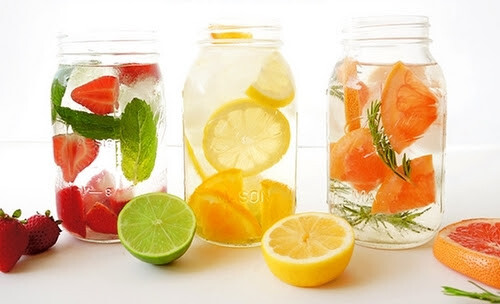
Find water too plain? Try these healthy tips to add some flavour to your water:

Add a handful of fresh mint (scrunch it first to release flavour) to a jug of water with a squeeze of lemon or lime juice. Mint tastes fresh and delicious, and helps with good digestion.

Add 8 fresh basil leaves (scrunch first) and 3 cups of halved strawberries to a jug of water. Basil is anti-inflammatory and has antibacterial properties.


Providing nutritional services for the Toronto/GTA, Hamilton, Barrie, Waterloo/Kitchener, Peterborough, London, Niagara and Ottawa regions.

For more information please go to:


Our head office address is: 129 Glenforest Road, Toronto, Ontario, M4N 2A1

SaveSave

Summer Nutrition Tips

Summer Nutrition Tips

tIf you’re reading this, we’re guessing that summer weekends at the cottage, barbecues and patio weather are upon you!

Unfortunately, these gatherings are often loaded with unhealthy food choices like mayonnaise based “salads”, alcohol, ice cream, and desserts. Thankfully, with abundant produce and naturally hydrating foods in season – and at their most delicious – it is easy to include good nutrition choices, with a little knowledge and pre-planning.

We’re sharing our top 8 tips for staying healthy while enjoying the warmer weather and all the social gatherings that come along with it!

Top 8 Summer Nutrition Tips

  1. Don’t fall into the salad trap.

    Salads are a great way to include more vegetables in your diet, but skip the calorie laden ‘extras’ like croutons, crispy noodles, cheese and bacon. Add some crunch to your salad with nuts and seeds, and try experimenting with different vegetables for texture. Grated Brussels sprouts, bean sprouts and shredded broccoli are all a great way to add texture to your salad!

  2. Build a better burger.

    Hamburgers are a barbecue staple, and can be quite nutritious if done right:
    You can skip the bun, and try wrapping your burger in lettuce leaves instead, or use portobello mushrooms for the ‘bun’ (which is great with goat cheese and basil).
    Choose lean meat for your patties, or you could even try chicken or turkey burgers.
    • Swap out cheese and mayo for avocado slices or guacamole.
    • Be sure to include lots of veggies piled high like fresh tomato slices, spinach or onions.
    Try experimenting with different flavours of mustard instead of barbecue sauce, which is typically high in sugar. You can also swap out ketchup, which is high in sugar, for salsa; and relish for dill pickle slices or sauerkraut.

  3. Enjoy what is in season.

    Summer is a great time to include a lot of fresh produce in your diet. It’s in season, keeping with nature, and naturally hydrating. Adding more fresh fruits and vegetables is a great way to improve your overall nutrition and add more fibre to your diet. Try checking out a local farmer’s market, and try something new.

  4. Drink water.

    It’s important to stay hydrated in the warm weather, and water is the fluid your body craves. Skip the sugary iced tea, juice and sports drinks and make sure you get plenty of water over the course of the day, especially if you’re in the sun or exercising. If you want some flavour in your drink, try our Keto Lemonade!

  5. Have a little salt.

    Too much sodium from processed foods is a problem for many people, but if you’re spending time outside – particularly if you’re exercising – you do need a little good quality salt in your diet to replace minerals lost through perspiration. Use a little sea salt or himalayan pink salt on your food to replenish.

  6. Plan a healthy dessert.

    Instead of ice cream, enjoy fresh fruit salad, watermelon slices, or homemade “Nice cream” (ice cream made without dairy). “Nice cream” is just like ice cream without all the added sugar and calories. Check out our 2-ingredient Green Tea Banana Ice Cream for inspiration!

  7. Pack a cooler.

    If you’re going to the beach, a sporting event or even a friend’s house, pack your own drinks and snacks so you’re not at the mercy of the concession or buffet. Planning ahead goes a long way to reaching your nutrition goals!

  8. Serve seafood.

    Most of us don’t eat enough fish and seafood, and it’s lighter taste is perfect for hot summer weather. Add more fish, shrimp, clams and other seafood to your diet this summer; they are full of nutrients that reduce inflammation, contain the healthy fat your brain needs, and require less cooking than meat (bonus in the hot weather!).

We hope you can get outdoors to enjoy the beautiful weather and some excellent company, all while supporting your health!