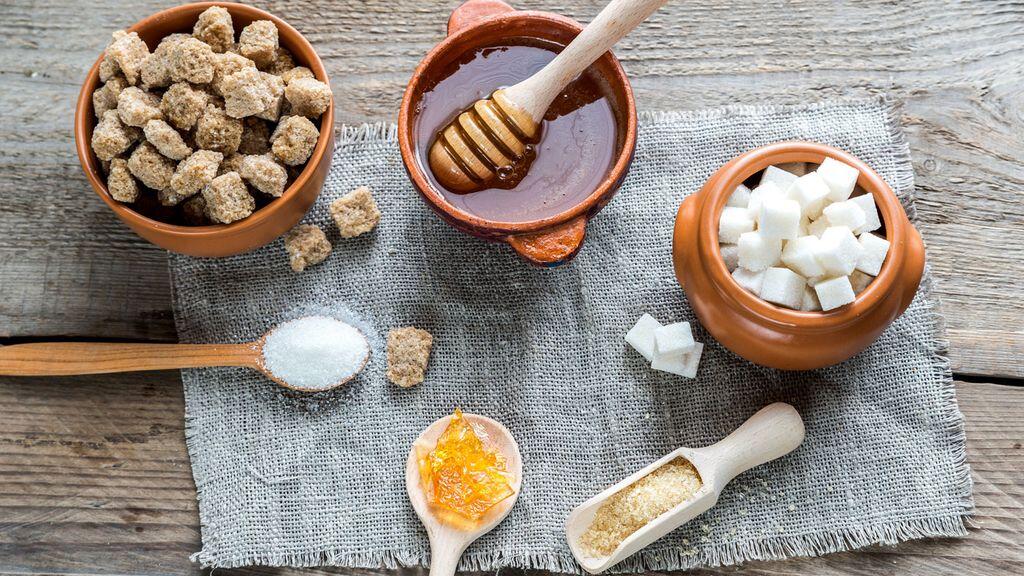

Best Sugars to Use

Best Sugars to Use

Help! I am ADDICTED TO SUGAR!!!  Is There Any Type of Sweeteners I Can Use?

Ohh sugar… it is just so yummy and delicious! How could anything that tastes so good be so bad for us?

Do you have a sweet tooth? Do you “need” to have something sweet each day?

Sugar is considered to be as addictive as cocaine, which is why so many of us find it so hard to resist. The problem with sugar is that it linked to numerous health problems from diabetes, heart disease, and obesity to depressed immune systems, cancer and tooth decay (i). 

While it is best to keep sugar to a minimum in your diets, when that sweet craving does hit, you will be happy to know that there is some sweeteners that can be better choices for you to help minimize calories and blood sugar spikes. These are Swerve, Erythritol, Monk Fruit and Stevia. 

Swerve:

One tablespoon of Swerve

  • Glycemic Index of 0
  • O Calories 
  • 0 grams of carbohydrates
  • 0 grams of sugar

Swerve is a natural sweetener made from non-GMO ingredients. It contains 2 natural sweeteners, erythritol and oligosaccharides. Oligosaccharides (Inulin) is a type of prebiotic fibre which naturally occurs in various plants and has 0 calories. Randomized controlled trials show that inulin reduces inflammation, and improves intestinal permeability and overall gut health (ii). 

The oligosaccharide, Inulin may also hold promise for reducing insulin levels. In a double-blind, randomized controlled trial, participants supplementing inulin at 10g per day had significantly reduced fasting insulin levels. Another study also shows that inulin had a significant effect on decreasing fasting glucose levels in forty-four subjects with pre-diabetes. 

Swerve works well as an all-purpose sugar substitute in baking because it measures cup for cup and it doesn’t have the bitter after taste that stevia has. 

Erythritol (alcohol sugar):

One tablespoon of Erythitol

  • Glycemic index of 0
  • 0 calories
  • 0 grams of carbohydrates
  • 0 grams of sugar

Despite their name there is no alcohol in sugar alcohols. Sugar alcohols can however cause stomach upset and have a laxative effect (which might be helpful for some of you) so use with caution.

The reason why it doesn’t provide calories  to its consumer is because the body actually can’t break it down! That’s right — even though erythritol travels through your body, it doesn’t get metabolized.  

Erythritol can cause side effects such as diarrhea, headache, and stomach ache in some people and/or when consumed in large doses. Erythitol naturally occurs in some fruits and fermented foods, but the variety being added to food and beverages today is typically man-made from GMO cornstarch, resulting in an ultra-processed food — very far from a natural sweetening agent. So if you chose this product please chose NON GMO and start with smaller doses to monitor for side effects.   

Additionally, unlike natural sugars, erythritol appears to have a positive impact on dental health. Studies show that it inhibits harmful bacteria and reduces plaque – even more so than xylitol does (iii).
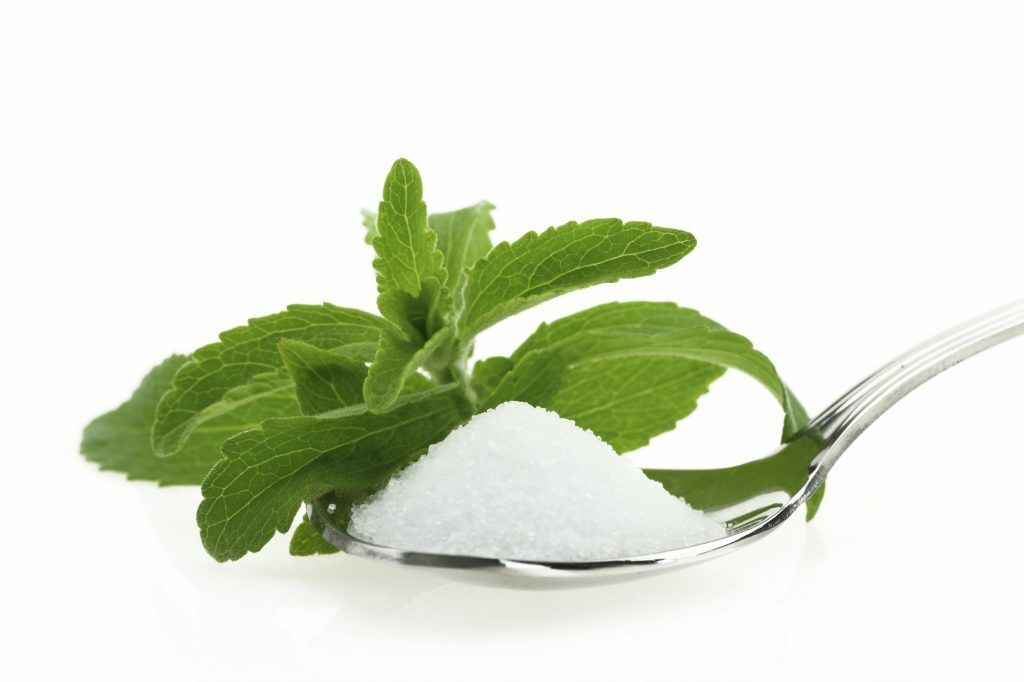
Stevia:

One tablespoon of Stevia

  • Glycemic Index of 0
  • 12 Calories
  • 0.8 grams of carbohydrates
  • 0.8 grams of sugar

Stevia is an extract from a plant which is approximately 200 to 300 times sweeter than sugar. Stevia has gained popularity in the last few years and is becoming more widely available at local stores across North America.

Stevia has a glycemic index of zero, which means it does not affect your blood sugar (insulin) at all.  

One thing to be wary when purchasing stevia is that the product may be mixed with other forms of sweeteners or bulking agents such as maltodextrin (which has a whopping glycemic index of 110!) which will definitely have an impact on your blood sugar levels. 

We recommend purchasing Stevia in either it’s powdered form (rather than granular) or as liquid drops to reduce the chances of having it mixed with other ingredients. The only downside, with Stevia, is that it tends to carry an after taste, but this can be mitigated with the liquid drops.


Monk Fruit:

One tablespoon of Monk fruit

  • Glycemic Index of 0
  • 6 Calories
  • 1.2 grams of carbohydrates
  • 1.2 grams of sugar

Monk fruit (also known as Luo Han Guo) is a fruit from Southeast Asia and looks almost like a lime or melon combination. The fruit is usually dried and then used to make medicinal drinks (Liang Cha).

The extract is about 150 to 200 times sweeter than sugar and contains minimal calories as well. You can purchase the dried fruit at Chinese herbal stores, but if you want to put it in your coffee, you’ll probably want an extract powder or liquid form. Monk fruit’s mogrosides, the compounds that give it its intense sweetness, are also powerful antioxidants. Using monk fruit sweetener can help those already suffering from obesity and diabetes from furthering their condition because it works as a natural obesity treatment.

Using monk fruit is a natural way to fight inflammation (iv). Many studies prove its anti-inflammatory powers are most likely the reason it’s able to positively affect so many other diseases and disorders. Aside from being a proven antihyperglycemic (which helps bring down the blood glucose levels in the body), studies have also shown targeted antioxidant abilities toward pancreatic cells, allowing better insulin secretion in the body. Thus, monk fruit works well as a natural diabetes treatment.

References:

i. Mokdad AH, Bowman BA, Ford ES, Vinicor F, Marks JS, Koplan JP: The continuing epidemics of obesity and diabetes in the United States. Jama. 2001, 286: 1195-1200.

ii. Belorkar SA, Gupta AK. Oligosaccharides: a boon from nature’s desk. AMB Express. 2016;6:82. doi:10.1186/s13568-016-0253-5.

iii. De Cock P, Mäkinen K, Honkala E, Saag M, Kennepohl E, Eapen A. Erythritol Is More Effective Than Xylitol and Sorbitol in Managing Oral Health Endpoints. International Journal of Dentistry. 2016;2016:9868421. doi:10.1155/2016/9868421.

iv. Anti-inflammatory Activities of Mogrosides from Momordica grosvenori in Murine Macrophages and a Murine Ear Edema Model, Rong Di, Mou-Tuan Huang, and Chi-Tang Ho

Journal of Agricultural and Food Chemistry 2011 59 (13), 7474-7481

DOI: 10.1021/jf201207m

v. Identification and Quantification of Antioxidant Components of Honeys from Various Floral Sources, Nele Gheldof,Xiao-Hong Wang, and, and Nicki J. Engeseth*

Journal of Agricultural and Food Chemistry 2002 50 (21), 5870-5877

DOI: 10.1021/jf0256135

[su_spacer]

For more information or to make a referral please contact us at:

[email protected] or call us 1855 385 5678 ex 801

Or go on to our website www.korunutrition.com to complete our online referral form

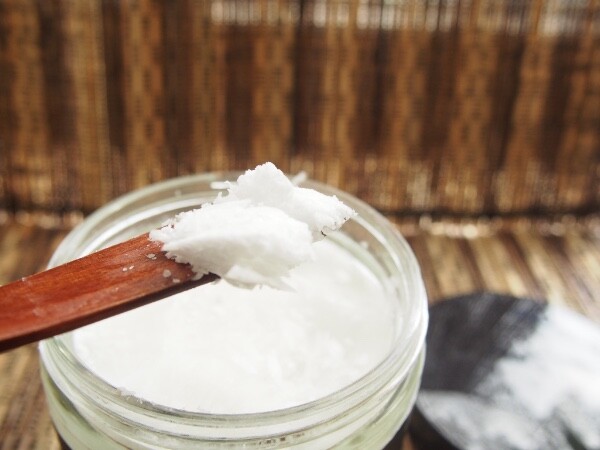
Should you stop consuming coconut oil?

Should you stop consuming coconut oil?

You many have heard about the report put out by the American Heart Association (AHA) last year recommending coconut oil be avoided to decrease your risk of heart disease. This report has left people more confused than ever about coconut oil, but don’t throw out your coconut oil just yet!

The AHA report focused on 4 core studies published between 1969 and 1979 to base their recommendations on. Not surprisingly, this was a time when the “low-fat” theory materialized. Most of the early studies used partially hydrogenated coconut oil and not unrefined virgin coconut oil. There is a huge difference between the two.

Furthermore, the AHA report looked only at cardiovascular health and the role of cholesterol. More and more science is debunking the claim that high cholesterol foods should be avoided. The truth is we do need some saturated fat and cholesterol. From cell membranes, to brain function, to immune function, saturated fats and cholesterol play essential and important roles in our bodies (i, ii).

There are numerous studies that have found benefits to using unrefined virgin coconut oil (i, ii, iii). These benefits include:

  • raises HDL, or “good” cholesterol levels
  • promotes weight loss
  • anti-inflammatory properties
  • anti-microbial properties
  • improves memory and brain function
  • provides energy
  • increases metabolism


There are several flaws with the AHA report. The studies recommend replacing saturated fats with corn and soy oil. These vegetable oils are high in omega 6 fats which our diets are already too high in, and we are too low in omega 3 fats. An unbalanced ratio of omega 6 to omega 3 will increase inflammation and can lead to a whole host of health issues such as obesity, diabetes, rheumatoid arthritis, irritable bowel disease and cardiovascular disease. The focus needs to be less on cholesterol and more on reducing inflammation which is one of the root causes of heart disease (iv).

Another major flaw: Corn and soy oil come from crops that are over 90% genetically modified and contain extremely high levels of glyphosate, the main ingredient in Roundup that has been classified as a probable carcinogen.

Use caution when interpreting results of a study. Industries often influence nutritional sciences. Although the AHA is a nonprofit organization, it does receive funds from companies including the United Soybean Board, and the US Canola Association. It would make sense that the reports they put out would support consumption of these products.

In spite of the flaws of this report, there was one positive recommendation. The AHA also mentioned the benefits of following a Mediterranean diet. This diet is high in healthy fats such as fish, olives, nuts, seeds, and avocados. All great foods that promote heart health. Continue to enjoy your unrefined virgin coconut oil in moderation, increase your intake of omega 3 fats, eat more whole unprocessed foods, and include lots of greens.

Wondering how to get coconut oil into your diet? You can add it to your morning smoothie, as a spread on whole grain toast, you can cook and bake with it and is great in a bulletproof coffee. Try this recipe below to charge up your morning coffee.


Coconut Milk Coffee Creamer 

  • One 13.5 ounce can full fat coconut milk
  • 2 tablespoons vanilla extract
  • 2 tablespoons coconut oil, melted or MCT oil
  • Honey or stevia, to taste
  • Pinch of sea salt


Put all ingredients in a blender and mix until well-combined. Use in coffee as desired.
Recipe adapted from draxe.com

[su_spacer]

References:
i. “A Coconut Extra Virgin Oil-Rich Diet Increases HDL Cholesterol and Decreases Waist Circumference and Body Mass In Coronary Artery Disease Patients”.  https://www.ncbi.nlm.nih.gov/pubmed/26545671
ii. “Inflammatory Cytokines and Risk of Coronary Heart Disease: New Prospective Study and Updated Meta-Analysis”. https://www.ncbi.nlm.nih.gov/pubmed/24026779
iii. “Antimicrobial effects of virgin coconut oil and its medium-chain fatty acids on Clostridium difficile”. https://www.ncbi.nlm.nih.gov/pubmed/24328700
iv. “Healthy intakes of n-3 and n-6 fatty acids: estimations considering worldwide diversity”. http://ajcn.nutrition.org/content/83/6/S1483.abstract

[su_spacer]

For more information or to make a referral please contact us at:

[email protected] or call us 1 855 385 5678 ex 801
Or go on to our website www.korunutrition.com to complete our online referral form

Top 5 Foods For Better Sleep

Top 5 Foods For Better Sleep

 Sleep. This magical five-letter word is elusive to so many of us. Whether it’s difficulty falling asleep or tossing and turning all night long, insomnia is becoming endemic to our modern-day society. Chronic sleep deprivation leaves us physically, mentally, and emotionally depleted as well as affecting our cognitive functioning.

For some it may seem like an easy solution, but sleeping pills can cause side effects (i)… so what’s an exhausted, bleary-eyed person to do?

Nutrition can play an important role in helping you get a good night’s rest, but it can also be one of the reasons why you are not getting a good night sleep. Eating too large of a meal close to bedtime may impair sleep, having unbalanced blood sugars, skipping meals and consuming to many stimulants such as caffeine and chocolate and consuming refined carbohydrates and sugar can all be problems that can negatively impact sleep. If you’re interested in more information like this, check out our post on 12 Nutrition “Hacks” For Better Sleep!

Top 5 Foods To Support Sleep

  1. Bananas

    Bananas are high in Tryptophan which converts to serotonin, which in the absence of light converts to melatonin – an important initiator of sleep. Melatonin, is a hormone that controls your sleep and wake cycles so is very helpful for people that have difficulties with regular sleep patterns or that struggling with jet lag.

    Bananas are also a good source of potassium and magnesium, which are natural muscle relaxants.

    Other foods high in tryptophan include nuts, seeds, tuna, and you guessed it: turkey. (ii)

  2. Tart Cherries

    Tart cherries help increase the body’s natural melatonin production. Other fruits such as pineapples and oranges have also been shown to significantly increase the presence of melatonin. (iii)

  3. Oats

    Oats are a source of complex carbohydrates that stimulate the release of serotonin and allow a more restorative sleep. (iv) Check out our Chia Oat Parfait With Kiwi recipe for a great bedtime snack idea!

  4. Almonds

    Almonds are rich in magnesium, which relaxes muscles and helps you unwind, inducing that sleepy state you feel before falling asleep. 

  5. Tea

    Chamomile and passionflower teas can help relax nerves and muscles and help you sleep more soundly. Check out our recipe for Calming Tea for a therapeutic and delicious blends of herbs to enjoy as part of your bedtime routine

Sleep is essential for maintaining good health. Keep a sleep journal and see what works best for you. Sleep tight!

References: 

i. Proctor, Ashley, and Matt T. Bianchi. “Clinical Pharmacology in Sleep Medicine.” ISRN Pharmacology 2012 (2012): 914168. PMC. Web. 12 July 2018.

ii. Johns NP, Johns J, Porasuphatana S, Plaimee P, Sae-Teaw M. “Dietary intake of melatonin from tropical fruit altered urinary excretion of 6-sulfatoxymelatonin in healthy volunteers”. Journal of Agricultural Food Chemistry. 2013 Jan 30;61(4):913-919

iii. McCune L.M., Kubota C., Stendell-Hollis N.R., Thomson C.A. Cherries and health: A review. Crit. Rev. Food Sci. Nutr. 2011;51:1–12. doi: 10.1080/10408390903001719

iv.. The American Journal of Clinical Nutrition, Volume 85, Issue 2, 1 February 2007, Pages 426–430, https://doi.org/10.1093/ajcn/85.2.426 

Hidden Secret Behind Low Mood and Depression

Hidden Secret Behind Low Mood and Depression

Waking up every day with no energy, no drive, and an underlying feeling of discomfort is the norm for millions of people in Canada. Depression, anxiety and other mood disorders have quickly become the leading reason for prescription drug use over the last 20 years.

With over 9% of Canadians (approximately 9 million people) taking anti-depressants it has never been more important to understand the underlying cause of brain and mood disorders and medical science is starting to connect the dots….

The stomach has been coined the “second brain” because the tissue in the gastrointestinal tract is largely nerve tissue. In fact the gastrointestinal tract contains over 100 million neurons more than in either the spinal cord or the peripheral nervous system. Not only do these nerves in the gut travel to the brain and communicate with one another but there is a growing amount of research that bacteria in the gut can have a impact on brain health and that gut bacteria can significantly influence the communication between the brain and the gut.

Scientists have also discovered that certain bacteria have the special ability to generate that “feel good” mood.

Some beneficial bacteria that have taken up residence in the gut will actually increase GABA receptors in the brain. When there are more GABA receptors in the brain, more GABA is being put to good use. This is a good thing, especially since a decrease in GABA receptors has been associated with mood disorders, like chronic depression.

When it comes to supporting gut health it is important to avoid foods that feed the “bad” bacteria, the food they love is sugar! Candida will actually send signals to your brain and cause you to crave sugar and the myotoxins that these yeast organisms release are toxic such as alcohol and formaldehyde. These substances travel up in the brain and can affect our brain chemistry.

We need to support healthy gut bacteria by ensuring healthy digestion and eating foods high in probiotics such as kefir, plain yogurt, pickles, miso, sauerkraut, kombucha and kimchi.

Here are some more tips to proper digestive function

  • Chew food well – The mouth is the first stage of digestion. If whole pieces of food are passed down into the system it leads to stress on the pancreas and can cause an overgrowth of unwanted bacteria.
  • Limit sugar in the diet – Sugar is a metabolic nightmare. When ingested is causes stress on the liver, pancreas, and encourages the growth of unwanted bacteria. Sugar also triggers insulin production. Insulin is the backbone of the endocrine system. When insulin levels become imbalanced it causes a chain reaction and will throw off the rest of the body’s hormone levels.
  • Limit stimulants in the diet – Stimulants like caffeine, alcohol and salt cause the stomach to go into shock and reduces its function. When the stomach is not functioning properly it will allow whole proteins to enter the small intestine causing strain on the pancreas and encouraging growth of unwanted bacteria.
  • Increase fibre from whole foods – Fibre works to gently cleanse the digestive tract of unwanted bacteria, balances blood sugar and provides good bacteria a source of food.
  • Exercise – The digestive system is dependent upon smooth muscle movement and gravity to help the food move through the gut. Exercise helps to tone the smooth muscle and aids in allowing the food to pass through the system.
What a Headache!

What a Headache!

It’s time to understand your headaches better.

Nothing is worst than suffering from tension in your neck, pressure behind your eyes, throbbing in your temples and a pounding head…A headache is created by inflammation of the blood vessels, muscles and nerves in the head and/or neck. They tend to appear when the pain-sensitive structures in the head is over active or is not functioning properly. This can stop you in your tracks and ruin your day, however there is a growing amount of research on certain lifestyle and nutrition factors can help minimise the frequency and intensity of the headache and in some cases eliminate them altogether.

First off, it is important to identify what is triggering your headache, according to the Mayo Clinic it could be any of the following:

  • Foods (see list below)
  • Food additives i.e. aspartame and MSG
  • Alcoholic and caffeinated beverages, especially wine and coffee
  • Dehydration
  • Stress at work or at home
  • Blood sugar dips from skipping meals
  • Hormonal imbalances, usually fluctuations in estrogen levels for women
  • Sensory stimulus i.e. bright lights and loud noises
  • Weather/barometric pressure
  • Changes in sleep patterns
  • Intense physical exertions

Below is a list of strategies that may help you get some relief from your headache pain:

1. Hydration: Skip the alcohol, carbonated (pop) and caffeinated beverages as they tend to dehydrate the body. Try not to let yourself get thirsty; get in the habit of sipping on purified water throughout the day. During high stress days, sick days, hot days and while you exercise; try incorporating coconut water to help replenish your electrolytes as it is full of important minerals such as potassium and magnesium, which will dilate blood vessels and help with blood circulation which can reduce headache symptoms.

2. Essential oils: Try rubbing peppermint oil on your temples, neck and wrists or diffuse lavender oil through a vapour or in boiling water and breathe deeply. These essential oils have a calming effect on the body by opening up the sinuses and allowing more oxygen to reach the bloodstream. This helps control the blood flow in the body, which can be the cause of your headache.

3. Supplements: Take care of any possible vitamin/mineral deficiencies in the body that could contribute to why you are suffering from headaches. Try supplementing and increasing foods that are rich in Magnesium, B vitamins, Omega 3 fatty acids and Antioxidants.

4. Light triggers: Bright lights and/or flickering lights may contribute to your headaches. Consider protecting your eyes with sunglasses when outside, install an anti-glare screen on your computer screen, and change your light bulbs to daylight-spectrum fluorescent bulbs.

5. Jaw and dental sensitivity: Avoid chewing gum, sticky candies and crunchy foods, and no more biting your nails, lips and/or pens. Some of these habits may not only be hurting your jaw and teeth, but also your head! Ask your dentist if you have any signs of grinding and/or clenching your teeth, as a night guard may help prevent headaches.

6. Holistic treatments and exercising: Massage, reflexology, acupuncture, biofeedback, using magnets, stretching, aerobic exercising, yoga, meditation… All of these have three things in common: They are releasing muscle tension, increase blood flow and all act as a stress reliever, which can soothe headaches.

7. The hot and cold treatment: To help relieve a tension headache; applying a hot pack to your neck and head, take a hot shower or relax in the bathtub with Epsom salts. This should increase blood circulation and relax tense muscles, which may alleviate throbbing pain. To help relieve a vascular headache i.e. a migraine; applying a cold compress to the forehead, head and neck for 10 minutes at a time to have a numbing effect, which will dull the pain sensation.

      
According to the Cleveland Clinic, here are some foods to avoid due to their ability to trigger migraines and headaches:
  • Chocolate
  • Avocados
  • Onions
  • Tomatoes and tomato products
  • Certain fresh fruits i.e. ripe bananas, citrus fruits, papaya, plums, raspberries, kiwi, and pineapple
  • Smoked and dried fish
  • Foods containing yeast i.e. bread, crackers and pastries
  • Cultured dairy products i.e. yogurt, buttermilk and sour cream
  • Alcoholic beverages, especially red wine
  • Foods with sulfites i.e. dried fruit
  • Foods with tyramine i.e. aged cheese, pickled foods, processed meats, and some beans and nuts
  • Caffeinated beverages, especially when going through caffeine withdrawal
  • Preservatives and food additives i.e. Monosodium glutamate (MSG), aspartame and food colour/dyes
  • Processed meats containing nitrates
  • Cold food i.e. ice cream
  Foods that help soothe headaches:
  • Magnesium rich foods i.e. nuts, seeds, legumes and dark leafy greens
  • Alkaline foods to decrease your acidity i.e. lemon/limes, apple cider vinegar
  • Water dense foods i.e. fruits such as watermelon and vegetables such as cucumbers
  • Healthy carbohydrates i.e. oatmeal, quinoa, brown/wild rice
  • Green tea/herbal teas i.e. peppermint tea
  • Potassium rich foods i.e. potatoes, melon, bananas, coconut
  • Omega 3 rich foods i.e. fatty fish like salmon, sardines, herring, tuna and mackerel; ground flaxseeds and oil, chia seeds, walnuts
  • B vitamin rich foods i.e. fatty fish, seafood, eggs, broccoli, spinach, mushrooms
  • Beetroot and cherries due to its headache protection compound
  • Spicy food as it relieves congestion and opens the sinuses to more oxygen
  • Yogurt due to it’s calcium contents that help relax the body and the decrease in inflammation due to the probiotics


Providing nutritional services for the Toronto/GTA, Hamilton, Barrie, Waterloo/Kitchener, Peterborough, London, Niagara and Ottawa regions.

For more information please go to:


Our head office address is: 129 Glenforest Road, Toronto, Ontario, M4N 2A1

How To Lose Weight

How To Lose Weight

Top 7 Foods for Weight Loss

Weight loss seems to be a constant struggle and it is on many people’s mind. With the summer having come to the end and the summer snacking and drinking no longer occurring, its time to shed those excess summer pounds. Now that you are back into your normal daily routines this is a great opportunity to start incorporating foods that can help you lose weight. The foundation for successful weight loss is a combination of eating well and exercising. But if you are interested in powering up your efforts, here are 7 foods to incorporate into your daily diet.

  1. Legumes: This includes beans, lentils, peas, chickpeas, etc. Try incorporating one vegetarian meal option weekly. Legumes are a great source of protein as one cup of beans contains approximately 15 grams of protein. They are also high in fiber and slow to digest, which means you will have balanced blood sugars and feel full for longer, this will help reduce cravings and overeating.
  2. Oatmeal: Eating oatmeal for breakfast or for a snack may help you burn more fat, especially if you eat it before a work out. Consuming “slow-release” carbohydrates, such as oatmeal, does not spike blood sugar levels as high as eating refined carbohydrates, like a bowl of cereal or a bagel. When your blood sugar elevates so does your insulin levels. Insulin plays a role in signalling your body to store fat, so by keeping your insulin levels low can help you burn fat and boost your metabolism.
  3. Apples: A medium sized apple contains 4 grams of fiber and 95 calories! Always go for the whole fruit instead of apple juice or apple sauce. This will help boost your fiber intake and give you a hit of sweetness to satisfy any sugar cravings.
  4. Plain yogurt: Eating yogurt may help flatten your stomach as it contains good bacterial cultures that can improve the function of your gut. Having a healthy gut helps regulate smooth digestion and may potentially help protect against inflammation and leptin resistance, which is the main hormonal driver of obesity.
  5. Nuts: A great snack for on the run as nuts are jammed packed with balanced amounts of protein, fiber and healthy fats! Make sure you always go for raw and unsalted nuts. It is easy to go overboard, so stick to eating a small handful in one sitting.
  6. Avocados: This creamy fruit is known to dampen your hunger signals because it is loaded with “good” monounsaturated fat, fibre, protein and is low in carbohydrates.
  7. Grapefruit: Try eating half a grapefruit before each meal. This may help you shed some weight. The reason being is that a compound found in grapefruit helps to lower insulin, which may aid weight loss. It’s also a good source of fibre and protein, and because it’s at least 90% water, it can fill you up without the excess calories.
      
Join the Meatless Monday Movement and find enjoyment in a healthy vegetarian meal or snack.

Here’s your first meatless recipe to kick things off…

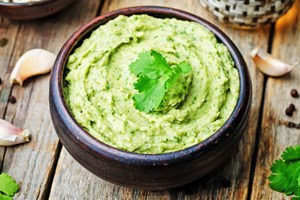
White Bean Avocado & Lime Dip:

Ingredients

  • 1 can white bean/cannellini beans
  • 1 large ripe avocado
  • 1/2 jalapeno, remove seeds if you are oppose to spicy taste
  • 2 garlic cloves
  • 1 cup fresh spinach
  • 1 lime, juice and zest
  • ½ cup fresh cilantro
  • 2 tbsp. olive oil + extra to garnish

Dippers: your choice of any fresh raw vegetables i.e. sliced cucumbers and celery stalks

  1. Drain and rinse your beans and combine in a food processor or blender with all of the above ingredients.
  2. Whip until creamy, scraping down the sides as needed.
  3. Drizzle olive oil on top and add some cilantro leaves for garnish, then dip with your favourite veggies!
  Trim the waist line down by starting a meal with a cup of soup or have it as your whole meal. It does not matter if the soup is chunky or pureed; as long as it’s broth-based and you skip the cream.

Try this classic Vegetable & Bean Soup recipe:

Ingredients

  • 6 cups low-sodium vegetable broth
  • 3 cans low-sodium diced tomatoes
  • 1 can beans, drained and rinsed
  • 3 garlic cloves, minced
  • 1 small onion
  • 3 carrots, sliced
  • 1 package sliced mushrooms
  • 3 stalks celery, sliced
  • 1 yellow squash, diced
  • 2 cups green beans
  • 3-4 cups shredded cabbage
  • 1 tsp. dried basil
  • 1 tsp. dried oregano
  • 2 bay leaves
  • ½ tsp. black pepper
  • Parsley to taste
  1. In a large frying pan, melt coconut oil and sauté garlic cloves, onion, carrots and mushrooms for about 5 minutes.
  2. In a large crockpot, combine all ingredients together. Then cook on high for 2 hours or until vegetables are cooked.
  3. Sprinkle fresh parsley on top and enjoy!


Providing nutritional services for the Toronto/GTA, Hamilton, Barrie, Waterloo/Kitchener, Peterborough, London, Niagara and Ottawa regions.

For more information please go to:


Our head office address is: 129 Glenforest Road, Toronto, Ontario, M4N 2A1