Chocolate Almond Butter Cups

Chocolate Almond Butter Cups

Smoked Salmon Avocado Toast

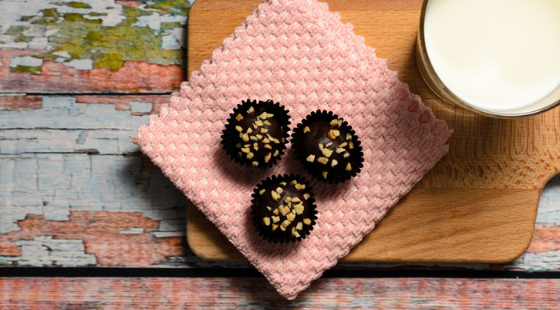
These Chocolate Almond Butter cups are so easy to put together, and are totally worth the effort.

Chock full (no pun intended) of stress-busting, mood-lifting ingredients – these are the perfect treat for almost any celebration.

In one large study of 13,000 people, those who ate dark chocolate in the previous 24 hours were 70% less likely to report depression. And it didn’t take much, just 12 grams of dark chocolate was enough to elicit this effect. That’s just 2 or 3 of these treats!

Not only are these treats potentially mood enhancing, they offer so much pleasure on the palate! The smooth velvety chocolate, the crunchy snap of the cacao nibs, and the creamy almond butter filling make for a satisfying indulgence.

We love these Chocolate Almond Butter Cups as a special Valentine’s Day treat! But, with how simple and delicious they are to put together, you may find yourself making them more often.

 References:

https://www.psychiatrictimes.com/view/dark-chocolate-depression


Chocolate Almond Butter Cups

These Chocolate Almond Butter cups are so easy to put together, and are totally worth the effort. Chock full (no pun intended) of stress-busting, mood-lifting ingredients, we think you might be making these regularly.
Prep Time 20 minutes
Cook Time 20 minutes
Total Time 40 minutes
Servings 12 servings

Ingredients
  

  • 3/4 cup Coconut Oil
  • 1/2 cup Cacao Powder
  • 2 Tbsp Maple Syrup
  • 1/2 cup Almond Butter
  • 2 Tbsp Almonds finely chopped or crushed

Instructions
 

  • Line 12 mini muffin holes with parchment paper liners. Set aside.
  • Fill one large pot with water and place a smaller pot inside. Bring to a boil then reduce to a simmer. Ensure no water is able to get in the smaller pot.
  • Add coconut oil into the smaller pot and stir continuously until melted.
  • Add cacoa powder, maple syrup and almond butter, stirring gently until well combined.
  • Using a spoon, evenly portion half the chocolate mixture between the mini muffin hole liners. Set in the fridge to harden for 5-10 minutes.
  • Remove mould from the fridge and layer a small disc of almond butter in each mini muffin hole.
  • Cover almond butter with remaining melted chocolate mixture, then sprinkle with crushed almonds to garnish.
  • Return to the fridge for 5-10 minutes to fully set the chocolate. Enjoy!

Notes

Nutritional information per serving:
 
Calories - 215
Sugar - 2g
Fiber - 3g
Carbs - 6.5g
Fat - 20g
Protein - 3.5g

Anxiety During A Pandemic: What Can We Do?

Anxiety During A Pandemic: What Can We Do?

Mental Health Gut Article

Canadian Centre for Addiction and Mental Health (CAMH) policy advice in July 2020 reported that COVID-19 is having a negative impact on Canadians’ mental health, with many seeing their stress levels double since the onset of the pandemic. (1) People are struggling with fear and uncertainty about their own health and their loved ones’ health, concerns about employment and finances, and the social isolation that comes from public health measures such as quarantining and physical distancing. (2) A recent poll found that 50% of Canadians reported worsening mental health since the pandemic began with many feeling worried (44%) and anxious (41%). (3)

Although our individual circumstances are unique, these are stressful times for everyone and it is important to recognize when you or your family member maybe experiencing feelings or symptoms of anxiety.

What Are The Symptoms of Anxiety?

  • Headache
  • Diarrhea or frequent need to urinate
  • Nausea
  • Rapid heartbeat
  • Chest pain
  • Shortness of breath
  • Light headedness and dizziness
  • Tremors or twitches
  • Excess sweating
  • Restlessness
  • Insomnia
  • Fatigue
  • Weakness
  • Unexplained pain
  • Digestive issues
  • Decreased libido
  • Impaired immune function

If you or your family member have ticked off many of the symptoms above, it would be wise to check in with your primary care practitioner. Additionally, below we’ve outlined some strategies that you can incorporate into your diet and lifestyle to help manage and reduce your experience with anxiety.

Diet and Lifestyle Strategies To Reduce Anxiety

  1. Balance blood sugar levels.

We are all living through unprecedented times; a pandemic and lockdown. People are out of regular routines and stretched for time with trying to work, manage a household, and – if you’re a parent – homeschooling, all while everyone is confined to their home.

When you are stressed or anxious your body naturally produces the stress hormone cortisol. However, excess cortisol can wreak havoc in the body if you are producing high amounts over a prolonged time period. High cortisol can lead to numerous health problems, which are compounded even further if you have unbalanced blood sugar levels.

Blood sugar imbalance is an extremely common issue for so many people who consume standard western diet. With the stress of a lockdown, and the impact of cortisol, blood sugar imbalance can become even more of an issue.

Skipping meals, consuming processed foods, sugars and refined grains, ordering fast food, and consuming caffeine or energy drinks can all contribute to a rollercoaster ride with blood sugar highs and lows. Unstable blood sugar levels can have a negative impact, not just on our physical health, but on our mental health as well.

When blood sugars drop (hypoglycemia), you can experience a multitude of symptoms similar to the ones described above, including insomnia, mood swings, fatigue, irritability, weakness, anxiety, depression, aggression, blurred vision, headaches, difficulty concentrating, dizziness, and frequent urination.

The problem is, after consuming processed or refined foods and sugars or consuming caffeine, blood sugar levels will rise steeply and then drop. When blood sugars drop too far too fast, your body naturally produces that stress hormone cortisol to help raise blood sugars back up into a health range. Starting the blood sugar rollercoaster cycle all over again.

For most people, cortisol also increases cravings and appetite – adding further issues to eating habits and blood sugar imbalances. Plus, cortisol has also been shown to interfere with the production of neurotransmitters to help you feel calm and relaxed. We need those feel-good neurotransmitters right now!

How To Balance Blood Sugar Levels:

  • Eat within one hour upon waking to avoid a blood sugar drop
  • Consume 3 meals (and 1-2 snacks if needed) during the day
  • Each meal needs to include a healthy fat, lean proteins and complex carbohydrates (such as whole grains, beans/legumes, and starchy vegetables)
  • Avoid all sugar and refined grains which will spike blood sugars
  • Avoid stimulants such as energy drinks, caffeine and pop
  • Don’t go long periods of time between eating
  1. Consume Foods High In Calcium And Magnesium

Calcium and magnesium help to relax the mind, as well as calm the nerves and muscles. A person with a magnesium deficiency can show signs of nausea, muscle pain, gastrointestinal problems, cravings for chocolate, insomnia, restlessness and muscle weakness as well as anxiety. A calcium deficiency can cause a person to experience joint pain, nervousness, irritability, anxiety, sensitivity to noise, heart palpitations, insomnia and muscle cramps.

Unfortunately, when your body is under stress it uses up vitamins and minerals more quickly including calcium and magnesium, along with B-vitamins and Vitamin C.

Sugar, refined carbohydrates, coffee and alcohol, salt and vinegar all interfere with calcium absorption and should be limited.

To help increase your intake of magnesium it’s beneficial to consume foods such as black beans, Swiss chard, spinach, avocados, pumpkin seeds, and whole grains such as quinoa. Whereas incorporating broccoli, almonds, kale, salmon, or sardines can help boost your calcium intake. 

  1. Support A Healthy Gut

Growing research has been showing the gut microbiome plays a role in a wide range of neurological conditions, including Autism Spectrum Disorder, chronic pain, stress, Alzheimer’s disease, and Parkinson’s disease as well as depression and anxiety (4).

Research has also found that “good” gut bacteria can have a marked effect on GABA levels in the brain (a neurotransmitter that is involved in regulating anxiety, digestion, sleep and relaxation), which can reduce anxiety and elevate mood (5). So supporting healthy gut function can play an important role in supporting your mental health.

Dietary fiber supports the growth of positive intestinal bacteria that are critical to maintain proper digestion. One study found the diversity in the gut microbiome was based on the variety of fruits and vegetables in a person’s diet and that the microbial composition of the gut can be rapidly altered with dietary changes. This is great news!

To help support your mental health through optimizing your gut microbiome, consume a variety of fruits and vegetables, as well as other high fiber foods such as milled flax seeds, legumes, and whole grains. There are plenty of benefits to fermented foods such as kefir (dairy or non-dairy), sauerkraut, miso, and kimchi, and some folks choose to incorporate a probiotic into a supplementation program to boost good gut bacteria even further.

The other option to support a relaxed and clam state of mind is supplementing with GABA. Research shows that GABA helps to calm the mind and promote a sense of relaxation.

For more info on the gut-mood connection, check out our article.

  1. Exercise

Working out helps to release endorphins, which are “feel good chemicals” that act as a natural pain relievers, boost mood, burn off our stress hormones, help maintain a healthy weight, enable better sleep and help to stabilize mood and reduce anxiety. Exercise can also help to reduce fatigue, anger and tension associated with anxiety.

Although there might seem to be huge barriers to exercise – with gyms closed, kids at home, ski hills closed, and so on – there are a ton of great options for workout routines that you can do at home, even with kids! There are Avenger workouts, Pokemon yoga, dancing workouts, or indoor runs on the Wii! Although it might not be the typical exercise that you’re used to, it is a way to keep you (and your kids!) active.

Go out for family walks, nature hikes, sledding, skating, snow shoeing, or cross-country skiing. Plus, there are a plethora of apps and online workouts at your fingertips!

Our best advice is to create a schedule to establish consistency with exercise. Maybe getting up earlier to have some quiet time to exercise while everyone is sleeping could be the ideal workout time for you, or maybe you feel most energized after dinner. Whatever works for your life right now – just be sure to squeeze in some time to move your body! Your mind will thank you!

In Summary

If you or someone you love is struggling with anxiety, depression, or high stress – we would love to assist you in rebalancing mood through diet and lifestyle changes. Balancing blood sugar levels, increasing your intake of calcium and magnesium, supporting gut health, and committing to exercise are great places to start!

Plus you can follow us on Facebook or Instagram for more tips, or book an appointment today for one-on-one support!

References

  1. MHCC, 2020a
  2. MHCC, 2020a;Morneau Shepell, 2020; Pfefferbaum & North, 2020; Vigo, Patten & Pajer, 2020
  3. Angus Reid Institute, 2020
  4. Mayer EA, et al. 2014
  5. American Society for Microbiology, 2012



Hot Cocoa Elixir

Hot Cocoa Elixir

Smoked Salmon Avocado Toast

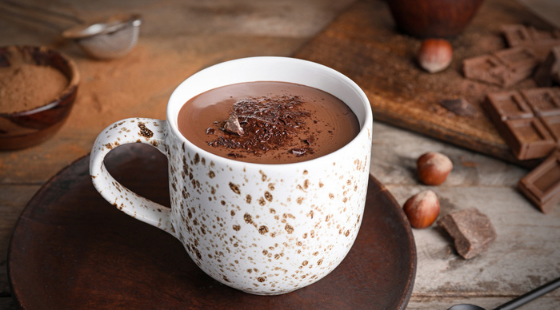
When most of us think of chocolate, we generally conjure an image of something with lots of sugar to perk us up… but with this Hot Cocoa Elixir, we have a decadent chocolate drink that’s healthy enough to serve as a breakfast. It’s packed with all the pick-me-up benefits you want, with none of the sugar crash that you don’t want! 

Cocoa is the unsung hero behind – or rather in – dark chocolate. Raw cocoa contains a massive antioxidant capacity, including phytonutrient flavonoids. The flavonoids in cocoa have been studied to show their ability to oxygenate the blood and brain.[1] This flavonoids in cocoa have been found to possess many benefits, such as: memory improvement, mental processing speed, attention span, and verbal fluidity.

Hemp seeds, coconut oil, and almond butter contain a variety of healthy fats that help to nourish our nervous systems and may assist in stabilizing mood.

Chia seeds, cauliflower and almond butter also contain fibre, which supports blood sugar balance and optimal elimination habits – both of which may help reduce anxiety symptoms and/or triggers.

Give it a try today!

 References:

[1] https://www.ncbi.nlm.nih.gov/pmc/articles/PMC5432604/


Hot Cocoa Elixir

When most of us think of chocolate, we generally conjure and image of something with lots of sugar to perk us up… but with this Hot Cocoa Elixir, we have a decadent chocolate drink that’s healthy enough to serve as a breakfast. It’s packed with all the pick-me-up benefits you want, with none of the sugar crash that you don’t want! 
Prep Time 5 minutes
Cook Time 5 minutes
Total Time 10 minutes
Servings 2 servings

Ingredients
  

  • 1 cup Unsweetened Hazelnut Milk or almond milk
  • ½ cup Frozen Cauliflower
  • ½ Banana
  • 2 tbsps Vanilla Protein Powder
  • 2 tbsps Cocoa Powder
  • 1 tbsp Hemp Seeds
  • 1 tbsp Hazelnut Butter or almond butter
  • 1 tsp Coconut Oil
  • tsp Sea Salt optional, for topping
  • 1 tsp Dark Chocolate optional, shaved, for topping

Instructions
 

  • TO PREPARE HAZELNUT MILK (if using)
    ½ cup hazelnuts
    2 cups cold water
    1 Medjool date, pitted
    a. Place hazelnuts in a bowl or blender container. Cover with cold water and soak, covered in the refrigerator at least 8 hours or overnight.
    b. When soaking is complete, transfer to a blender if necessary and add date. Close blender lid and blend until hazelnuts are completely blended and smooth.
    c. Line a strainer with cheesecloth or use a nut milk bag. Place over a medium bowl and strain out milk from remaining hazelnut pulp. Take your time to get every drop of deliciousness.
  • TO PREPARE ELIXIR
    In a blender container, add all ingredients and blend until smooth. Transfer to a small saucepan over medium-low heat, and bring to a simmer. Pour into mugs, top with shaved dark chocolate and serve warm!

Notes

Nutritional information per serving:
Calories: 275
Carbs: 29g
Fibre: 8g
Sugar: 5g
Protein: 16g
Fat: 13g

Understanding Morning Sickness and Food Cravings

Understanding Morning Sickness and Food Cravings

Mental Health Gut Article

Two of the most commonly reported pregnancy symptoms are “morning sickness” (nausea and vomiting) and food cravings. Below, we offer some tips to support you through your pregnancy and reduce these symptoms!

Morning Sickness

Approximately 50-90 percent of women experience nausea and vomiting in their pregnancy, and 5 percent of women have the same symptoms throughout the entire pregnancy, per The American Congress of Obstetricians and Gynecologists. Unfortunately, science hasn’t proven the exact cause of nausea and vomiting in pregnancy. However, the elevated pregnancy hormone, BHCG, and estrogen may be a contributing factor, in addition to unbalanced blood sugars. (Mayo clinic)

We have some tips for you in surviving nausea and vomiting in pregnancy:

  • Eat several small meals a day, and don’t skip breakfast. Many women need to have a few rice crackers before getting out of bed in the morning.
  • Avoid triggers. If the smell of chicken makes you nauseous, avoid the smell when possible.
  • Don’t lie down after eating.
  • An empty stomach can contribute to nausea so try to eat regularly. Plan small snacks throughout your day to avoid long periods of time without eating.
  • Avoid spicy and fatty foods such as pizza, french fries and burgers.
  • Consider using anti-nausea wristbands. These bands are placed on your wrist to trigger pressure points that may alleviate nausea.
  • Use ginger, nature’s anti-nausea remedy. There are many options including ginger , ginger candies or ginger tea. Use ginger candies sparingly as the do contain sugar.
  • Increase your intake of vitamin B6, which can be found in foods such as spinach, bell peppers, garlic, tuna and cauliflower has been shown to help decrease nausea.
  • Change the time of day you take your prenatal vitamins. Take your prenatal vitamins in the morning, afternoon or night.
  • Try to get plenty of rest.
  • To combat nausea, try reaching for cold foods—hot bites are more likely to have an aroma that triggers your gag reflex.
  • Keep lemons on hand. Sniff them, squeeze them in drinking water or even lick slices—the refreshing smell and taste can calm your stomach when morning sickness hits. Lemon and other citrus essential oils can have a similar effect.

Cravings

No one really knows why pregnancy cravings occur, though there are theories that it may be related to nutrient needs in the mother or baby and the craving is the body’s way of asking for what it needs. For example, craving fries can actually mean the person might be needing sodium, craving ice cream could be the need for increased calcium or fat, and craving chocolate might indicate a need for magnesium.

Our taste buds do actually play a role in how we interpret our body’s needs. Studies show that the high hormone levels present during pregnancy can alter both a woman’s sense of taste and smell. So, certain foods and odours can, not only be more enticing, but in some cases more offensive; a problem that often plays out as a pregnancy food aversion.

While some pregnancy cravings can certainly seem a bit odd, in most instances, they don’t represent any real threat to mother or the baby. This, however, can change dramatically, when the craving is for a non-food item. The condition, known as pica, can lead to an overwhelming desire to consume any number of substances, some of which can be extremely harmful to both mother and baby. During pregnancy a woman can crave – and eat – things like dirt, laundry starch, crayons, ground-up clay pots, or ice scraped from the freezer. While pica (eating non-nutritive substances) is not well understood, sometimes these cravings represent a nutritional deficiency, particularly a need for iron, there are no studies to prove this is always the case. Among the most dangerous aspects of pica is the consumption of lead, particularly when women eat dirt or clay. This can lead to infant and child developmental problems with low verbal IQ scores, impaired hearing, and delayed motor skill development. Other research has shown an increased risk of learning disabilities and attention deficit disorders in infant exposure to lead before birth (Webmed).

It is important if you do have cravings to think about the food that you are craving and what nutrients it may have that you could be needing. With this information, you can make a plan to switch out what typically might be an unhealthy craving to something that is more nutritious, and feed your body with the nutrients it requires. For example, if you are craving ice cream you might be needing calcium and fat, so you could switch out your sugar-loaded ice cream with organic full-fat Greek yoghurt with frozen berries. The latter is much better for you and your baby as it offers more nutrients, less sugar, and can help maintaining balanced blood sugar levels and a healthy weight gain during pregnancy.

In Summary

We don’t have all the answers as to why nausea, vomiting and food cravings are so common during pregnancy. But, we there are many available strategies to help manage and resolve these symptoms.

If you need help navigating these, or any other pregnancy symptoms, or just want to optimize your nutrition during pregnancy – book an appointment with Koru Nutrition today!

References:

1. Wilson RD, et al. (2015). Pre-conception folic acid and multivitamin supplementation for the primary and secondary prevention of neural tube defects and other folic acid-sensitive congenital anomalies. SOGC Clinical Practice Guideline No. 324. Journal of Obstetrics and Gynaecology Canada37(6): 534–549. http://sogc.org/wp-content/uploads/2015/06/gui324CPG1505E.pdf. Accessed July 20, 2015.

Nutrition for Pregnancy 101

Nutrition for Pregnancy 101

Mental Health Gut Article

It can be an amazing experience to get pregnant and know that you are growing a life. But it can also be overwhelming as you begin considering what you can and can’t do, and what you can and can’t eat to ensure the health of both you and the new person growing inside of you.

To maintain a healthy pregnancy, you must be consuming approximately 300 extra calories each day. Ideally, these calories will come from a balanced diet of protein-rich foods, quality fats and oils, fruits, vegetables, and whole grains. Sweets and processed fats should be kept to a minimum. A healthy, well-balanced diet can also help to reduce some pregnancy symptoms, such as morning sickness, nausea and constipation.

So what is a healthy weight gain during pregnancy?

A woman who was average weight before getting pregnant should gain 25 to 35 pounds after becoming pregnant. Underweight women should gain 28 to 40 pounds. And overweight women may need to gain only 15 to 25 pounds during pregnancy.

In general, weight gain occurs as approximately 2 to 4 pounds during the first three months you’re pregnant and 1 pound a week during the rest of your pregnancy. If you are expecting twins you should gain 35 to 45 pounds during your pregnancy. This would be an average of 1 ½ pounds per week after the usual weight gain in the first three months.

But where does all this extra weight gain go? Here is the break down:

What To Eat To Support Pregnancy

As mentioned above,  eating a balanced diet with a variety of whole foods helps ensure that you are getting the full spectrum of nutrients to support you and your baby’s development. Consuming whole grains, clean and lean cuts of meat, good quality fish high in omega 3, raw nuts and seeds and lots of fruits and vegetables, are all really important. Some key nutrients and foods that are needed are highlighted below.

Eat Your Fruits And Vegetables

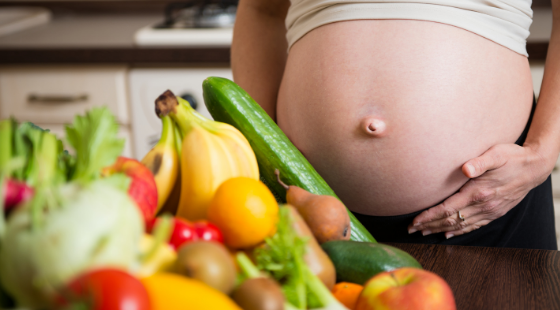
No surprise here! We all know fruits and vegetables are healthy for us! Set yourself the goal of “eating the rainbow”. Consume bright coloured fruits and vegetables of all different colours to get a variety of antioxidants, vitamins, minerals and fibre. Pregnant women should focus on fruits and vegetables, , and consume between five and 10 tennis ball-size servings of produce every day.

Folate

Folate is a naturally-occurring B-vitamin that taken or consumed before and during early pregnancy reduces the chance of having a baby with a neural tube defect or other birth defects.

Foods high in folate include:

Romaine lettuce 2 cups = 152mcg
1 cup of spinach = 262 mcg
1 cup of asparagus = 262mcg
broccoli 1 cup = 93 mcg
lentils 1 cup = 358 mcg.

Taking folate or folic acid (the man-made version of folate) daily in a dose of at least 400 mcg for at least 2 to 3 months before trying to get pregnant and while you are pregnant is generally recommended for reducing birth defects and risk of anemia (2). Folic acid and/or folate are found in prenatal supplements. Some women need higher doses, and some women don’t synthesize folic acid into folate efficiently. Talk with your health professional about how much and what type of supplementation may be right for you.

Iron

You will need more iron during your pregnancy than you did before becoming pregnant. This extra iron supports the creation of additional blood in your system and supports the growth of the placenta and fetus.

Pregnant women are recommended to consume 27mg of iron a day, which is double the amount needed by women who are not expecting, according to ACOG. Getting too little iron during pregnancy can lead to anemia, a condition resulting in fatigue and an increased risk of infections. Most prenatal vitamins include iron.

There are two main types of iron, heme from meat sources and non-heme from vegetable sources. Meat sources are more easily absorbed into the body than vegetarian sources. But that doesn’t mean you don’t benefit from the vegetable sources!

Foods high in Iron include:

Non-heme:
spinach 1 cup = 6.4mg,
swiss chard 1 cup = 35mg
lentils 1 cup = 6.6 mg

heme sources:
3 ounces of cooked beef = 2.1mg or more
3 ounces of canned sardines, canned in oil = 2.1mg

Often iron supplementation is recommended in addition to consuming iron-rich foods. However, some iron supplements can cause an upset stomach and constipation, depending on the form of iron present. Taking iron at bedtime may decrease the chance of stomach upset, as can using a more gentle formula. The body absorbs iron best in small amounts when eaten with vitamin C, so you may want to take your iron throughout the day in lower doses. Unfortunately, taking iron supplements in the first trimester may aggravate morning sickness. If morning sickness, constipation or upset stomach are a concern for you, talk to your health care provider, as there are many forms of available that may be better tolerated.

Calcium

Calcium is needed for the development of your baby’s bones. You can get enough calcium in your diet by eating or drinking a variety of foods. Pregnant women age 19 and over need 1,000 milligrams of calcium a day.

Sources of calcium include:
Swiss chard 1 cup = 101.5mg
spinach 1c up = 245mg
= 447mg
Broccoli 1 cup = 74 mg
basil 2 tsp = 63mg

Calcium-fortified soy and rice beverages, canned fish with bones (such as salmon and sardines) and cooked beans, legumes, and lentils, are all good sources of calcium as well.

The Takeaways

To help ensure a healthy pregnancy and baby ensure you’re consuming approximately 300 extra calories per day from whole food sources including “eating the rainbow” of fruits and vegetables every day. Focus on consuming or supplementing with enough folate, iron and calcium.

For more information to guide you through your pregnancy journey, please schedule an appointment with Koru nutrition today.