What is Chlorella?

What is Chlorella?

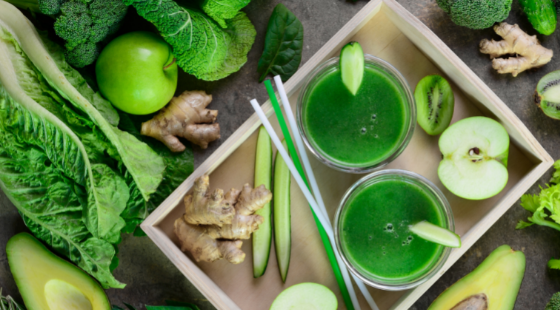
Detoxifying vegetables and fruits

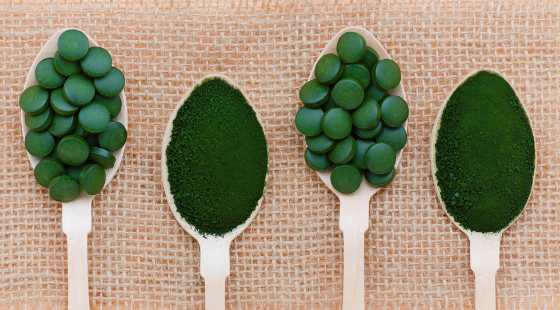
Chlorella is a type of algae that grows in fresh water. It has long been recognized as a superfood! There are over 30 different species, with the two most commonly researched being Chlorella vulgaris and Chlorella pyrenoidosa. Chlorella is typically sold in tablet form or as a powder in health food stores and supplement stores. Chlorella has a strong, earthy flavour that might be described as “green,” to put it nicely… but, the benefits are definitely worth the intense flavour! If you find you don’t enjoy the green taste, you may prefer taking it in tablet form, or mixing it in with fruits and vegetables in a smoothie.

Nutrients in Chlorella

Chlorella is a good source of protein, vitamin A, iron, and zinc. It is one of the few vegetarian foods sources that is a complete protein source, meaning it contains all 9 essential amino acids that we need to consume in our diets. A one-ounce (28g) serving of chlorella contains:

Calories: 115
Carbs: 6.5g
Protein: 16.4g
Fat: 2.6g
Fiber: 0.1g
Vitamin A: 14364 IU
Vitamin C: 2.9mg
Thiamin: 0.5mg
Riboflavin: 1.2mg
Niacin: 6.7mg
Vitamin B6: 0.4mg
Iron: 36.4mg
Magnesium: 88.2mg

Health Benefits of Chlorella

  • Detoxification: Chlorella is great to consume during detox, as it can bind to heavy metals and other toxins, helping to eliminate them from the body. It can also effectively lower the amount of dioxin in the body, an environmental pollutant that accumulates in certain foods. (3)
  • Immune system support: Chlorella helps enhance immune functioning and accelerate wound healing (4). One study suggested that taking chlorella supplements for a short period of time can stimulate the immune system in healthy adults. (5)
  • Cardiovascular health: Chlorella may help lower high blood pressure and lower cholesterol levels. (4)
  • Diabetes: Chlorella may assist in managing blood sugar levels and increase insulin sensitivity, factors in pre-diabetes and diabetes. (6)
  • Antioxidant protection: Chlorella contains multiple antioxidants, which protect against oxidative stress. Oxidative stress is a phenomenon that occurs when there are more damaging “free radicals” in the body than there are protective antioxidants to neutralize them. Oxidative stress is a contributing factor in end-stage diseases such as cancer development. (6)

Chlorella vs. Spirulina

Chlorella and Spirulina have often been compared to each other. Although they are both forms of algae, with many similar health benefits, they do have unique differences. Spirulina grows in both fresh and salt water, where as chlorella grows only in fresh water. Chlorella also boasts higher levels of anti-inflammatory omega-3 fatty acids, iron, and vitamin A; while Spirulina contains selenium to support the immune system and thyroid health. However, both are great sources of protein, B-vitamins, and antioxidants, and can be a nutritious addition to the diet.

Precautions

Chlorella is generally considered safe and well-tolerated. With that said, chlorella can cause side effects, especially during the first few weeks of taking it. This includes flatulence, green discolouration of stools, nausea, stomach cramps and diarrhea.

It should also be noted that chlorella may interact with certain medications, such as blood thinners, and it may not be indicated for those with certain autoimmune conditions or pregnant people due to its ability to stimulate the immune system. Consult your doctor or another qualified health professional before including chlorella in your diet if these apply to you.

How To Use Chlorella

Chlorella can be purchased in tablet, capsule, extract, or powder form. “Broken cell wall” chlorella is recommended, as it has its hard outer shell has been broken open, so the body can better access and absorb the nutrients inside. Powdered Chlorella can be added to smoothies, pesto, or salad dressings for a nutritious boost.

Chlorella Supplements

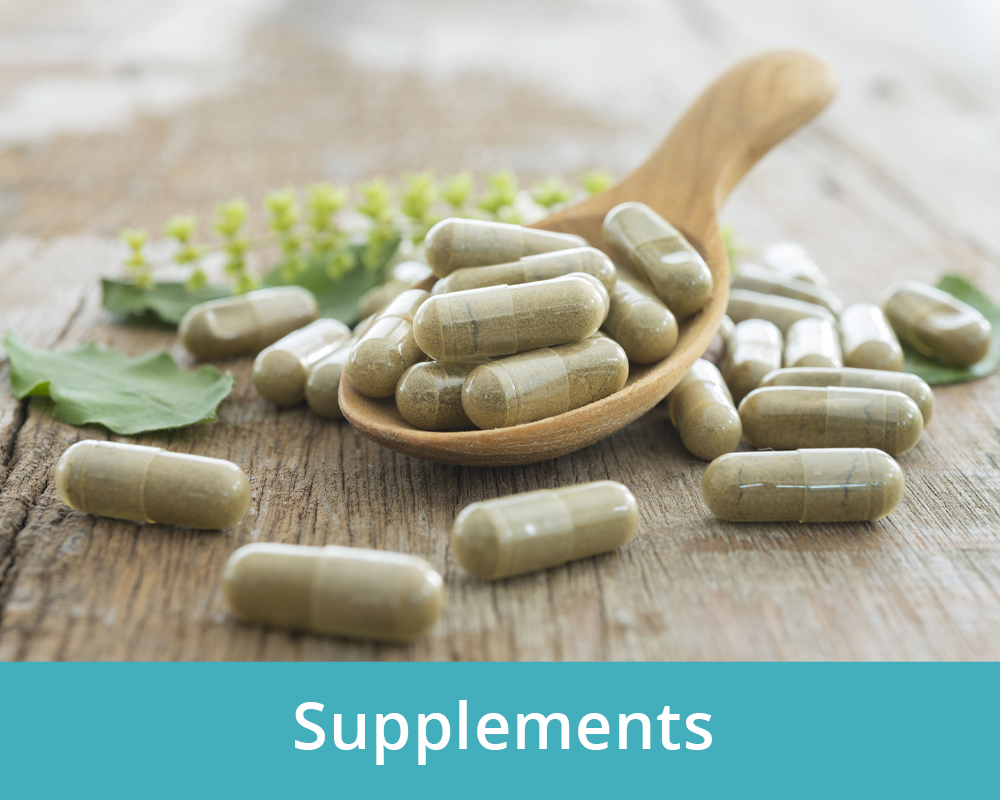
If you’re more likely to take a chlorella supplement than cook with it, we’ve got you covered!


If you try out a chlorella supplement, or our Detox Green Smoothie With Chlorella, come join us over on Facebook or Instagram and let us know what you think!

References:

1)      https://nutritiondata.self.com/facts/custom/569428/2

2)      https://nutritiondata.self.com/facts/vegetables-and-vegetable-products/2765/2

3)      Nakano S, Takekoshi H, Nakano M. Chlorella (Chlorella pyrenoidosa) supplementation decreases dioxin and increases immunoglobulin a concentrations in breast milk. J Med Food. 2007 Mar;10(1):134-42. doi: 10.1089/jmf.2006.023. PMID: 17472477.

4)      Merchant RE, Andre CA. A review of recent clinical trials of the nutritional supplement Chlorella pyrenoidosa in the treatment of fibromyalgia, hypertension, and ulcerative colitis. Altern Ther Health Med. 2001 May-Jun;7(3):79-91. PMID: 11347287.

5)      Kwak JH, Baek SH, Woo Y, Han JK, Kim BG, Kim OY, Lee JH. Beneficial immunostimulatory effect of short-term Chlorella supplementation: enhancement of natural killer cell activity and early inflammatory response (randomized, double-blinded, placebo-controlled trial). Nutr J. 2012 Jul 31;11:53. doi: 10.1186/1475-2891-11-53. PMID: 22849818; PMCID: PMC3511195.

6)      Panahi Y, Darvishi B, Jowzi N, Beiraghdar F, Sahebkar A. Chlorella vulgaris: A Multifunctional Dietary Supplement with Diverse Medicinal Properties. Curr Pharm Des. 2016;22(2):164-73. doi: 10.2174/1381612822666151112145226. PMID: 26561078.

Detoxification 101

Detoxification 101

Detoxifying vegetables and fruits

Modern living is full of exposures to toxins. These toxins are in the air we breathe, the water we drink, the food we eat, the products we put on our skin, and the chemicals we use to clean our homes. We are constantly exposed to toxins.

The human body has an amazing ability to detoxify itself through various mechanisms. The liver is our main organ of detoxification. It is a very resilient organ that filters toxins or metabolites out of our blood, transforms them into less harmful substances, which then allows them to be purged from the body.

In modern day, people often look at “detoxes” and “cleanses” as a “quick fix” to lose weight, feel better, and have more energy and we often hear these words being used interchangeably but is there a difference between a detox and a cleanse? And do they actually work?

What Is The Difference Between A Detox And A Cleanse?

Detox” and “cleanse” are frequently used interchangeably, but when it comes down to it, these processes serve two different purposes. A cleanse refers to supporting existing pathways, in essence “opening up doorways” within the body, such as the bowel and urinary system. A detox, on the other hand, refers to liberating and removing toxins at a deeper level, such as those stored in our cells or fat deposits.

Cleansing is regulated by the nervous system and detoxifying is regulated by our endocrine system. Cleanses are more of an ongoing lifestyle approach, where as detoxes are a short-term purpose-driven approach.

What Is A Cleanse?

Simply put, a cleanse is the naturally stimulated elimination of waste products. It is a way to help open the exit channels or “doorways” that naturally eliminate toxins from the body. The channels that help to do this includes:

  • Bladder (urine)
  • Bowel (stool)
  • Skin (sweat)
  • Lungs (exhale)

There are multiple cleansing strategies that can be used to support natural elimination, such as: adequate clean water intake to help usher out toxins through the bladder; probiotics and fiber to help ensure regular and healthy bowel motion to excrete toxins through our stools; skin brushing, sweating, and sauna, to help with releasing toxins through the skin; and deep breathing, belly breathing, or yoga to help expel toxins from the lungs.

Castor oil packs are another great cleansing tool and can be used on different parts of the body. It helps move the lymphatic system, places the body into the parasympathetic nervous system (rest and digest), which is optimal for the body to detoxify and repair! Plus, it helps stimulate peristalsis and pooping!

In addition to toxins, a cleanse aims to remove everything from fecal matter to parasites and fungi stuck in your system. It can also help to purge unhealthy gut bacteria and replace them with more beneficial bacteria.

What Is A Detox?

Detoxification, or “detox” is a process of removing toxins from inside individual cells, and focuses on metabolic pathways to do this. Detoxification helps to make toxins non-toxic or less toxic, and able to be cleansed out of the body. Detoxification typically involves individual cellular structures, the liver and kidneys, some mucus membranes, and even the brain.

The tools that can assist in supporting detoxification usually include various vitamins, minerals, amino acids, and antioxidants that are needed as cofactors to help the liver breakdown toxins through its phase 1 and phase 2 detoxification pathways. Sometimes herbs, phytochemicals and neutriceuticals can be used to help liberate buildup toxins that have been stored deep down in our cells causing us problems.

A typical detox diet could involve a period of fasting, followed by a strict diet of fruit, vegetables, fruit juices, and water. Sometimes a detox also includes herbs, teas, supplements, and colon cleanses or enemas.

When Would You Do A Cleanse Or Detox?

Are you experiencing signs and symptoms that your nervous system, endocrine system or immune system are not working well together? These three systems all help to remove the build-up of excess toxins from the body. If you are struggling with various skin, digestive issues, or fatigue – it may be your body crying out for a “bath”, so to speak. Remember, symptoms are just your body’s language to tell you things are out of balance

The human body naturally detoxifies itself more efficiently in the spring and fall. So, those are the ideal times for implementing a cleanse and/or detox, to help synchronize with your body’s natural rhythms during these seasons.

Is It Safe To Do A Cleanse Or Detox?

The goal of a detox is similar to the goal of a cleanse, but they don’t work in the same way.

The most important factor to remember is that you SHOULD NOT do a detox until all your “exit doors” (bowel, bladder, lungs and skin) are all functioning well and are “open”. It is imperative to ensure all “doorways” are open prior to attempting a detoxification. Liberating toxins with a detox, before addressing the body’s ability to release those toxins through the “exit doorways”, can be more dangerous that doing nothing. In short, when your body releases stored toxins from the cells, they need to be expelled from the body. If your exit pathways are not working well, then these toxins released from the cells can circulate around the body causing more harm and damage than if they’d been left in “storage”. This could completely mitigating any potential positive gains from a detox. Not ensuring exit doors are open can lead to constipation, severe headaches, rashes, fatigue, brain fog, and more.

Your body also needs to be in a parasympathetic state (a calm and relaxed state) and not sympathetic state (fight or flight response, such as when we are stressed). Stress inhibits our ability to detoxify and cleanse. For example, if we are stressed we are less likely to have a bowel motion. So, incorporating deep breathing, mediation, yoga and other stress management techniques are crucial to optimize any cleansing or detox experience.

As we detox, we may go through a period of feeling worse before feeling better, so be sure you plan a time to do this when you are not too stressed, will have time to rest, and don’t have too many things on the go.

Who Should Not Do A Detox?

At-risk populations include children, adolescents, older adults, those who are malnourished, pregnant or lactating women, individuals with an eating disorder, and people who have blood sugar issues, such as diabetes. Although it is good practice for anyone to consult a health professional for guidance around cleansing and detoxification, for individuals with the pre-existing conditions such as the above, getting appropriate guidance from your doctor or other qualified health professional is critical.


The bottom line is: a detox is not a quick fix. Cleansing and detoxification are natural processes that can be supported through dietary and lifestyle changes. Making small daily adjustments to encourage the body’s natural abilities to continue to detox can be a great start for long-term health and wellness!

If you’re ready to support your body’s detoxification process, you can download your copy of our 1-Week Detox Meal Plan today!

1-Week Detox Meal Plan


Autism & the Low-Oxalate Diet

Autism & the Low-Oxalate Diet

Mental Health Gut Article

In practice, we are seeing more and more kids with high levels of oxalates in the body and the need to be put on a low oxalate diet. This presents often with kids on the spectrum, and is caused by a number of different factors. At Koru Nutrition , we want to help educate you on the basic principles of what oxalates are, and how they can impact our kids with autism.

What are Oxalates?

Oxalate (also called oxalic acid) is a naturally occurring substance found in abundance in plants and humans. The role of oxalates in plants is protective and it’s believed that it acts primarily as an insecticide. Oxalate is not a required nutrient for humans, in fact it is often labeled as an “anti-nutrient”, and too much can lead to kidney stones.

In the gut of a healthy person, oxalate binds with calcium and other minerals and is excreted in the stool before being absorbed. It follows that one of the problems with having too many oxalates is that you run the risk of poor absorption of minerals, in particular, calcium. This can be an issue for growing kids as it can impact quantity and quality of bone growth and density. 

High Oxalate Foods Include: 

It may be surprising that most  high oxalate foods are  foods that most of us consider to be healthy and good for us! And really, these are healthy foods for the average person. But, if someone has problems with processing oxalates and a build-up occurs in the body, then they can be faced with numerous challenges. 

Some foods high in oxalates include:

  • Nuts, especially almonds and peanuts
  • Most beans
  • Beets
  • Figs
  • Rhubarb, Swiss chard, field greens and spinach
  • Amaranth and buckwheat
  • Soy
  • Sweet potatoes
  • Raspberries and blackberries
  • Cocoa and dark chocolate
  • Tea

This is by no means an exhaustive list, but can provide an idea that basic, everyday, healthy foods may be a problem for our kids with autism.

How can you tell if you, or your child, have high oxalates?

First, you need to determine if you or your child presents with signs of symptoms of high oxalates, which we’ve listed below. Look at the big picture. Does there appear to be consistency within the symptom list below? If so, then you may wish to consider having an organic acid test (OAT) run by a Naturopathic Doctor or other health professional that specializes in autism. 

Symptoms of high oxalates in the body include:

  • Headaches, depression, anxiety, brain fog
  • Restlessness, moodiness
  • Pain (anywhere) – genital, joints, muscles, intestine, eyes
  • Cracking in joints
  • Low energy and fatigue
  • Weakness
  • Sleeping challenges
  • Burning feet
  • Respiratory infections and symptoms
  • Gas and bloating
  • Bedwetting and incontinence
  • Frequent urination
  • Urinary pain
  • Cloudy urine
  • Crystals in urine
  • Sandy stools
  • Black specs in stools
  • Burning in stool
  • Yeast overgrowth
  • Rashes
  • Consuming or craving a high oxalate diet
  • Fine or gross motor challenges
  • Poor growth in children
  • Blood sugar imbalances

Why Does My Child Have High Oxalates?

There are a number of reasons why certain kids (or adults) may have a build-up of oxalates in the body. 

One reason is genetics: Some people are predisposed to high oxalates based on their DNA. So, a diet high in oxalates can contribute to a problem with high oxalates in the body for these individuals.  

Another reason is Vitamin B6 deficiency: B6 is a cofactor for one of the enzymes in the body that helps reduce oxalates (and kidney stones). Additionally, the human body can produce its own oxalate during metabolism, and B6 helps decrease oxalate production.

The last reason we’ll discuss in this post is low levels of beneficial bacteria in the gut: The good bacteria in our gut can help break down oxalates, making it easier to excrete from the body. When the levels of good bacteria in the gut are low (which is frequently the case in kids with autism), higher amounts of oxalate can be absorbed from the digestive system into the body. If your child has been on multiple courses of antibiotics, this can also contribute to high oxalates, as antibiotics are indiscriminate and  will not only kill the target bad bacteria, but also the good bacteria present in the gut. Antibiotics are known to disrupt the gut microbiome, but a specific  bacteria called oxalobacter formigenes, which is a bacteria that specifically helps breakdown and get rid of excess oxalates, is particularly susceptible to antibiotics. 

What Does Oxalates Have To Do With Autism?

Because oxalates in high amounts interfere with certain nutrients and metabolic pathways, it can cause: 

  • inflammation;
  • leaky gut and yeast overgrowth (candida)
  • contribute to nutrient deficiencies with minerals, biotin and glutathione
  • can increase histamine (triggering allergic symptoms)
  • can contribute to mitochondrial damage (mitochondria are the batteries of our cell so mitochondrial damage contributes to fatigue and weakness)
  • seizures
  • faulty sulfation (sulfation is an important mode of detoxification in humans)
  • oxidative stress and high amounts of free radical damage (oxidative stress is a phenomenon where there is an imbalance in potentially damaging compounds in the body as compared to the protective compounds in the body or the body’s ability to detoxify)

All of the above are potential issues that children on the spectrum may experience. 

So, implementing a low oxalate diet may address many underlying health issues that can be contributing to an autistic child’s symptoms and affecting their quality of life. 

How The Low Oxalate Diet Works?

The low oxalate diet works by reducing oxalates coming into the body from an individual’s diet in order to reduce the total oxalate burden. Further, by reducing the oxalates consumed in the diet, it gives the body more time to release and excrete the stored oxalates in the body as well.

Additionally, implementing a low oxalate diet and incorporating a specific supplement program can help reduce oxalates being generated in the body, balance biochemistry which has been thrown out of whack by the high oxalate levels, and help manage overall symptoms.

How To Implement A Low Oxalate Diet

Warning:  It is important to implement the low oxalate diet slowly

Oxalates are often stored up in body tissues. So when you reduce the dietary intake of oxalates, allowing the body a chance to get rid of the stored oxalates, a process called “dumping” can occur. Dumping is when the body’s cells release stored oxalates, which can cause symptoms to get worse, usually occurring in cycles while a person is on a low oxalate diet. To avoid heavy dumping and manage symptom flare ups, it is important to go slow. In fact, done properly, it can take several weeks or months to fully implement the diet.

How Do I Avoid Heavy Oxalate Dumping?

To undertake a low oxalate diet in a way that avoids heavy dumping of stored oxalate, it is recommended to focus on consuming 40-60mg of oxalates in a 2000 calorie diet. In more practical terms, this will mean consuming mostly low oxalate foods with a few medium oxalate foods. 

Specific food preparation techniques can help reduce oxalate content in foods. Specifically, boiling reduces oxalates in beans and vegetables by about 50% (not enough for high oxalate foods) and soaking grains, beans, nuts and seeds will reduce oxalates, but be sure to drain and rinse after soaking. 

We’re here to help!

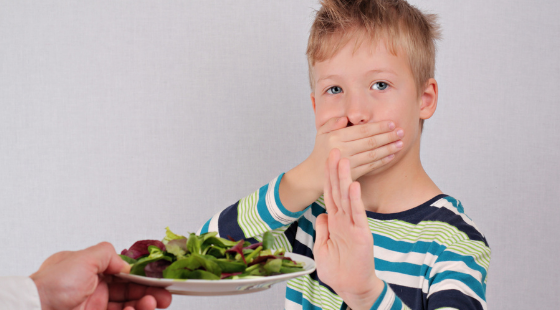
It can be overwhelming and stressful to undertake a specialized, therapeutic diet; especially if your child is a  picky eater and already has a limited repertoire of foods that they will consume. 

If you or your child would benefit from more support understanding the connection between oxalates and autism, or how to safely implement a low oxalate diet, our clinicians that specialize in autism are ready to help! 


    Squash Pancakes

    Squash Pancakes

    Smoked Salmon Avocado Toast

    This recipe is gluten free, dairy free, nut free and adheres to the GAPS diet, paleo diet, low salicylates diet, and a low oxalate diet – which are many diets often recommended for children with autism. For families with an autistic child, the child’s symptoms, food cravings and blood work will determine which diet is the most appropriate.

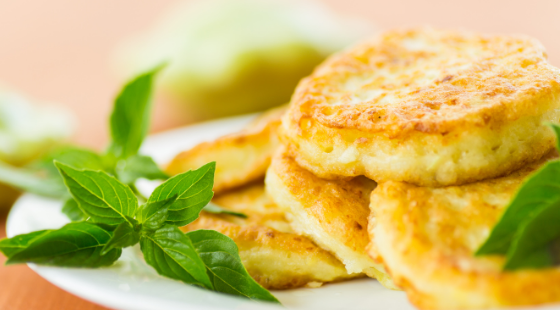
    Whether you and your family are affected by autism, are navigating a specialized diet, or are just looking for a healthy breakfast recipe that is gluten and dairy free – this quick and easy-to-prepare pancake recipe is simple to integrate into your diet, even if food choices are limited. And if you aren’t restricting any foods for health reasons, these pancakes are still delicious!

    Pureed squash are low in calories but rich in nutrients such as Vitamin A, Vitamin B6 and over 50% of the Recommended Daily Intake of Vitamin C in just one cup. Squash also contains anti-stress minerals like calcium and magnesium. Plus, one cup of squash contains 7 grams of dietary fibre.

    We wrote more about eggs on Facebook and Instagram, but some of the benefits include 40% of the Recommended Daily Intake of Vitamin D, choline and omega 3 to support brain function, and loads of protective antioxidants.

    The last of the ingredients in this recipe is coconut oil, which is loaded with healthy fats that not only help you feel satisfied and fuller for longer, but also benefit brain health, weight management, immunity and more!

    Give these tasty squash pancakes a try, and let us know what you think!

    Squash Pancakes

    Whether you and your family are affected by autism, are navigating a specialized diet, or are just looking for a healthy breakfast recipe that is gluten and dairy free – this quick and easy-to-prepare pancake recipe is simple to integrate into your diet, even if food choices are limited. And if you aren’t restricting any foods for health reasons, these pancakes are still delicious!
    Prep Time 5 minutes
    Cook Time 10 minutes
    Total Time 15 minutes
    Servings 2 servings

    Ingredients
      

    • 1 cup Pureed squash acorn or butternut if on a low oxalate diet
    • 4 Eggs
    • 1 tbsp Coconut oil

    Instructions
     

    • Heat pan over medium-low heat. Add oil to melt and coat the pan.
    • While waiting for the pan to heat, mix pureed squash and eggs in a food processor or stand mixer (or by hand, in a large bowl, beating with a whisk).
    • Pour dollar-pancake sized dollops of the batter into the heated and oiled pan.
    • With a flipper, flip the pancakes then the edges begin to crisp. Be sure to cook the pancakes until they are golden on both sides and are fully cooked all the way through.
    • Enjoy topped with fruit, nut or seed butter, a drizzle or maple syrup, or your pancake topping of choice!

    Notes

    Nutritional information per serving:
    Calories: 257
    Carbs: 12g
    Fibre: 3g
    Sugar: 3g
    Protein: 13g
    Fat: 18g

    Holy Basil Pesto

    Holy Basil Pesto

    Smoked Salmon Avocado Toast

    Pesto is super quick to make and a great option for switching out sugar-loaded sauces, with all their nasty additives and preservatives, for a nutrient dense sauce that can be added to a variety of dishes. Pesto is a wonderful addition to pasta or zucchini noodles, omelettes or scrambled eggs, as part of a salad dressing, as a topping to your chicken, or even just as a healthy spread on toast.

    It is so simple – just place all the ingredients in a food processor and process until smooth!

    Not only is holy basil pesto very quick and easy to make, but it has a lot of therapeutic properties!

    As we wrote about in detail in our Top 5 Health Benefits of Holy Basil blog post, holy basil is chock-full of nutrients such as calcium, magnesium, zinc, Vitamin A, Vitamin C and antioxidants like chlorophyll. Holy basil is best known for its adaptogenic properties, in short meaning it assists humans in adapting to stress. As a therapeutic herb, holy basil promotes a sense of calmness and relaxation, which can be helpful if you’ve been feeling stressed out or frazzled.

    Don’t let the small size of pine nuts deceive you… they pack a nutrient punch! Pine nuts are rich in nutrients such as vitamin E, vitamin K, copper, iron, and manganese. Believe it or not, Ancient Greeks and Romans, traditionally used pine nuts as an aphrodisiac. Pine nuts contain pinolenic acid, which recent research has found to be an effective appetite suppressant as it triggers hunger suppressant hormones in the gut. Plus, pine nuts are an excellent source of monounsaturated fatty acids, which have been linked to lower cholesterol levels and a lower risk of heart attack.

    Most of us know garlic is a superfood! It is antibacterial, anti-fungal, anti-viral, and supports the immune system and cardiovascular system. Plus, it adds a ton of flavour to this pesto!

    The olive oil in this recipe contains lignans, which are powerful antioxidants that can help protect against breast, colon and prostate cancer by suppressing early cancer changes in cells. Olive oil also contains vitamin E, which can help combat oxidative stress and free radical damage. Oxidative stress and free radical damage are caused where there are too many potentially harmful compounds circulating in the body, and not enough protective compounds (like vitamin E) to counteract them. Of course, olive oil, is a staple in the Mediterranean Diet, which is well-known to promote a healthy weight and benefit heart health!

    Adapted from The Backyard Homestead.

    Holy Basil Pesto

    Pesto is super quick to make and a great option for switching out sugar-loaded sauces, with all their nasty additives and preservatives, for a nutrient dense sauce that can be added to a variety of dishes. Pesto is a wonderful addition to pasta or zucchini noodles, omelettes or scrambled eggs, as part of a salad dressing, as a topping to your chicken, or even just as a healthy spread on toast.
    Prep Time 10 minutes
    Total Time 10 minutes
    Servings 2 cups

    Ingredients
      

    • 2 cups Holy basil leaves fresh
    • 1 Garlic clove crushed or finely minced
    • 1 pinch Sea salt
    • ½ cup Parmesan cheese grated or substitute nutritional yeast for dairy free option
    • ½ cup Extra virgin olive oil
    • cup Pine nuts or substitute walnuts

    Instructions
     

    • Add basil leaves, garlic, and salt to the bowl of your food processor.
    • Using the S-blade, pulse until a paste begins to form. You may need to stop and scrape down the sides of the food processor bowl to incorporate all the ingredients well.
    • Add the Parmesan cheese (or nutritional yeast) and pulse again to incorporate.
    • Then, with the food processor running, pour in the olive oil in a thin, steady stream.
    • Finally, add the pine nuts and continue processing until the pesto is a smooth desirable texture.

    Notes

    Nutritional information per 1/4 cup serving:
    Calories: 185
    Carbs: 1g
    Fibre: 1g
    Sugar: 0g
    Protein: 3g
    Fat: 19g