Top 5 Health Benefits of Chlorophyll

Top 5 Health Benefits of Chlorophyll

Detoxifying vegetables and fruits

Firstly…

What is chlorophyll?

We have all heard of chlorophyll before… but what is it and why is it in all the health food stores claiming to have all these health benefits? Chlorophyll is the pigment that gives plants their green color. It is required for photosynthesis, as it captures sunlight and, in combination with carbon dioxide, creates oxygen and energy in the form of sugars.

You could think of chlorophyll as “plant blood,” since structurally it is similar to hemoglobin, the protein found in our red blood cells. The only difference between these two molecules is that chlorophyll’s central atom is magnesium, while hemoglobin’s central atom is iron. (1)

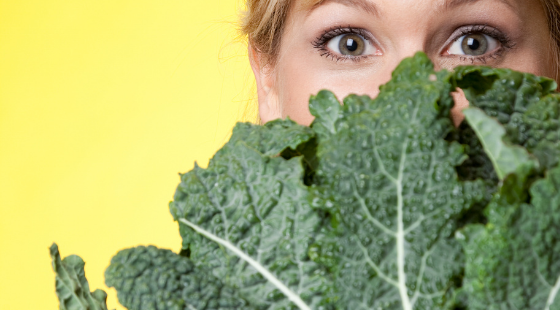
If you’ve ever eaten a plant with a green hue, you’ve already eaten chlorophyll before! Foods rich in chlorophyll include spinach, collard greens, mustard greens, chlorella, spirulina, alfalfa, parsley, and broccoli. Basically, the greener the vegetable is the higher the chlorophyll content.

Chlorophyll contains antioxidants vitamin C, E, and A; vitamin K; minerals such as magnesium, iron, potassium, and calcium; as well as essential fatty acids.

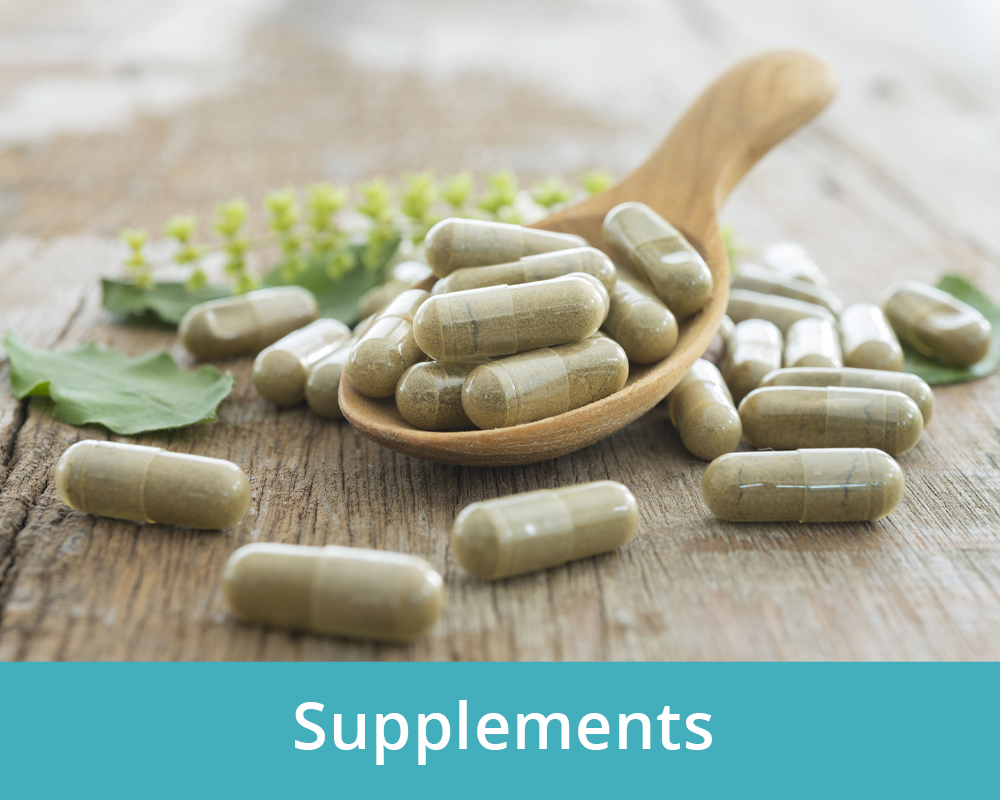
Although many plants contain abundant amounts of chlorophyll, when taken in supplement form, you can receive much more potent effects.

Top 5 Health Benefits Of Chlorophyll

  1. Prevent cancer and cellular damage

    Chlorophyll has been found to have antioxidant effects, meaning it can protect the body from free radical damage. (2)

    Free radicals are tiny molecules that come from both our environment and can be produced innately within our bodies. Free radicals “bounce” around causing damage inside our systems. Over time, the damage from free-radicals can lead to end-stage diseases such as cancer. Antioxidants, on the other hand, are able to neutralize free radicals, preventing the damage they cause and helping to prevent many diseases including cancers.

    Because of the antioxidant effects, chlorophyll has the potential to help prevent (and possibly manage) different types of cancer. For instance, one study looking at human colon cancer cells found that chlorophyll can inhibit DNA damaging agents, therefore having the potential to be used to treat this cancer, either alone or alongside other cancer treatments (3). One animal study looking at pancreatic cancer cell growth found that supplementing with chlorophyll resulted in a significant reduction in tumour size (4). Another animal study found that chlorophyll has the potential to reduce the incidence of liver and stomach tumours (5).

    Also, chlorophyll is very alkalizing to the body, which makes for a unfavourable environment for cancer cells to flourish as they much prefer more acidic environments.

  2. Wound healing

    Chlorophyll has been used in ointments since the 1940s to accelerate wound healing (1). A review looking at different ointments for wound healing found that those that contained chlorophyll were more effective than other treatments, however more research is needed to confirm these findings and to understand the exact mechanisms of action. (6)

  3. Reduce inflammation

    One active component in chlorophyll, called chlorophyllin, has been shown to have powerful anti-inflammatory effects. One study showed that chlorophyllin inhibited intestinal inflammation (9) Some of the anti-inflammatory effects of chlorophyll are likely part of the reason it is effective at speeding wound healing!

  4. Improve blood quality

    Chlorophyll may support the cleansing and building of red blood cells in the body. Studies show that this might be helpful to address hemoglobin deficiency disorders such as thalassemia. One study looking at people with thalassemia found that use of wheatgrass, which is very high in chlorophyll, reduced the number of blood transfusions they required. (7)

  5. Eliminate odours

    The consumption of chlorophyll has been known to have a deodorizing effect. It was used in the 1940s and 1950s to control fecal odour for those with colostomies and ileostomies when taken orally (1). Although more research is needed, a recent study looked at the use of chlorophyll with people with trimethylaminuria, a metabolic disorder that produces a fishy odour. They found that chlorophyll use significantly decreased the foul odour, potentially increasing their overall quality of life. (8)

    Chlorophyll is also known to bind to toxins, helping to carry them out of the body, which may be responsible for some of its deodorizing effect. Chlorophyll is becoming a more popular ingredient in natural toothpastes in recent years, though taking it internally appears much more effective.

How To Use Chlorophyll

Chlorophyll can be found at health food stores as a supplement, usually in the form of tablets or liquid. If using the liquid form, you can simply add it to water, or if you don’t like the taste, try adding it to a smoothie.

Some fat is needed to metabolize chlorophyll. Specifically, it is thought that even a small amount of healthy fats can help the body process chlorophyll better if you consume it during meals.

You can also experience the benefits of chlorophyll by eating chlorophyll-rich foods. Spinach, parsley, green beans, arugula, and leeks are all quite high in chlorophyll, ranging from 7.7 mg to 23.7 of chlorophyll per serving. So, incorporating salads with a lot of deep green foods, or having steamed broccoli or grilled asparagus as a side are all great choices!

Chlorella, a green algae which we’ve written more about here, also has high levels of chlorophyll and can be taken in powder or tablet form. (1) Even if you or your kids struggle with eating green foods, check out our recipe for a Detox Green Smoothie with Chlorella to help you incorporate it into your diet!

Summary

Chlorophyll has been used for decades to support wound healing when used topically, and for deodorizing effects when taken internally. It also has anti-cancer properties, may help reduce inflammation, and can assist in building red blood cells in the body.

How will you incorporate more chlorophyll into your diet?

References
1. https://lpi.oregonstate.edu/mic/dietary-factors/phytochemicals/chlorophyll-chlorophyllin
2. https://pubmed.ncbi.nlm.nih.gov/14644357/ 
3. https://pubmed.ncbi.nlm.nih.gov/19585502/
4. https://www.ncbi.nlm.nih.gov/pmc/articles/PMC6051000/ 
5. https://www.ncbi.nlm.nih.gov/pmc/articles/PMC3486520/ 
6. https://www.o-wm.com/content/enzymatic-debriding-agents-an-evaluation-medical-literature
7. https://www.tusbrotesverdes.com/blog/wp-content/uploads/2013/11/reynolds-2005.pdf 
8. https://pubmed.ncbi.nlm.nih.gov/15043988/ 
9. https://www.frontiersin.org/articles/10.3389/fphys.2018.01671/full 
10. https://chlorophyllwater.com/pages/what-is-chlorophyll


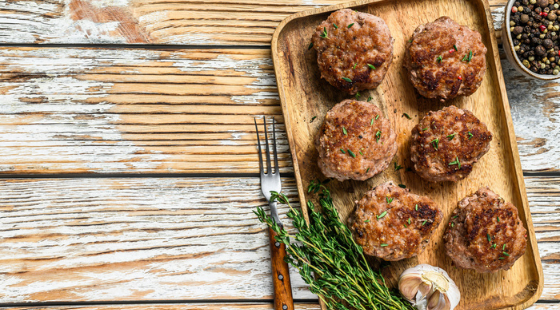
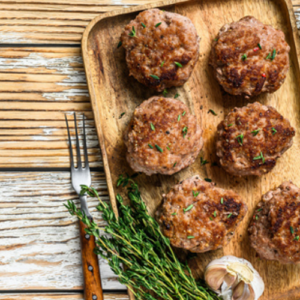
Herb & Greens Chicken Sliders

Herb & Greens Chicken Sliders

Two Glasses with Detox Green Smoothie

These chicken sliders are a quick, yet delicious recipe that also supports your thyroid. If you’re following a paleo diet, these sliders will work for you, too!

Your thyroid is a gland near the base of your neck that releases hormones into your blood stream. These hormones interact with cells throughout your entire body. For many reasons your thyroid can stop releasing these hormones.


While diet alone won’t solve this issue, diet can support your thyroid and reduce symptoms. To learn more about the importance of thyroid health, check out our recent blog post here!

Chicken, the star ingredient in this recipe, is a source of zinc. Zinc is helpful as it “activates” thyroid hormones (1). In one case study, when an individual with a zinc-deficiency took zinc supplements, all thyroid hormones levels were found to increase as well (1). Chicken is also a good source of selenium, a nutrient also shown to “activate” thyroid hormones (2). It is important to remember that this recipe calls for lean chicken, which is recommended for best results. This means selecting skinless options and focusing on lean areas such as the breast and thighs.

Incorporated in these sliders are nutrient-dense green vegetables including broccoli and kale. While these vegetables contain many nutrients, research has shown that when eaten raw they can be potentially harmful to your thyroid. That is because they contain a goitrogen compound, which interferes with thyroid function (3). However, it is important to note that when cooked, this compound is deactivated. Therefore, individuals looking to support their thyroid should cook their dark leafy greens to get the best nutritional value.

If you like this recipe, you might love our 1-Week Thyroid-Supporting meal plan, with more recipes designed for the thyroid that the whole family will enjoy!

Preparation note: This recipe calls for the sliders to be grilled, but they can also be prepared in the oven on a baking sheet.

Herb & Greens Chicken Sliders

These chicken sliders are a quick, yet delicious paleo recipe that also supports your thyroid. Your thyroid is a gland near the base of your neck that releases hormones into your blood stream.
Prep Time 10 minutes
Cook Time 20 minutes
Total Time 30 minutes
Servings 4 servings

Ingredients
  

  • 1 lb Extra Lean Ground Chicken
  • 1 tsp Oregano dried
  • 1 tsp Basil dried
  • ½ tsp Thyme dried
  • ¾ tsp Sea Salt
  • Ground Black Pepper optional
  • 2 cups Kale Leaves very finely chopped
  • 2 cups Broccoli very finely chopped
  • 1 tbsp Extra Virgin Olive Oil
  • 1 head Boston Lettuce

Instructions
 

  • In a large mixing bowl, add all ingredients except the Boston lettuce and mix until well combined.
  • Divide the meat mixture into four even parts and form into patties. Each patty will be approximately 3 inches in diameter. Once formed, set aside.
  • Preheat grill to medium heat.
  • Grill the patties for approximately 15-20 minutes, flipping halfway through. Ensure patties are cooked through to 165 degrees Fahrenheit.
  • Plate Herb & Greens Chicken Sliders in a lettuce wrap with your favourite toppings. Enjoy!

Notes

Nutritional information per serving:
Calories: 218
Carbs: 5g
Fibre: 2g
Sugar: 1g
Protein: 22g
Fat: 13g

Honey Garlic Paprika Shrimp

Honey Garlic Paprika Shrimp

Two Glasses with Detox Green Smoothie

This shrimp recipe makes for a perfect snack or dinner party appetizer. Filled with bold flavours and bright colours, this shrimp recipe also has an impressive nutrition profile.

Specifically, shrimp are a wonderful support for your thyroid gland. 

The thyroid is a gland that is located near the base of your neck and is responsible for releasing a host of hormones. These hormones play an important role throughout the body. The mineral iodine and selenium contained in shrimp help support the thyroid and the release of hormones.

Shrimp is an excellent source of iodine, which is an essential mineral for the production of thyroid hormones. Studies show that individuals with iodine deficiency are at a higher risk for hypothyroidism, a condition where the thyroid does not release enough hormones (1). This makes shrimp an important consideration in thyroid health as iodine is not commonly abundant in many foods.

Shrimp is also a great source of selenium, containing almost half of the recommended daily intake in 85 grams (2). Selenium is important as it helps to “activate” thyroid hormones (3). Additionally, selenium can act as an antioxidant which has been shown to protect the thyroid from inflammation (4).

It is important to ensure that extra virgin olive oil is used to prepare this shrimp. This oil is regarded as one of the healthiest fats, which is partly due to the antioxidants it contains (5). These antioxidants provide protection from damage from free radicals, including protecting the thyroid.

When making this shrimp, add in some extra red pepper flakes for more heat if you desire!

If you like this recipe, you might love our 1-Week Thyroid-Supporting meal plan, with more recipes designed for the thyroid that the whole family will enjoy!


  1. Zimmerman, M., & Boelaert, K. (2015). Iodine deficiency and thyroid disorders. The Lancet. Diabetes and Endocrinology. 3(4), 286-295. doi: 10.1016/S2213-8587(14)70225-6 
  2. https://nutritiondata.self.com/facts/finfish-and-shellfish-products/4174/2 
  3. Ventura, M., Melo, M., & Carrilho, F. (2017). Selenium and Thyroid Disease: From Pathophysiology to Treatment. International Journal of Endocrinology, 2017, 1297658. doi: 10.1155/2017/1297658 
  4. Negro, R. (2008). Selenium and thyroid autoimmunity. Biologics: Targets and Therapy. 2(2), 265-273. doi: 10.2147/btt.s2746 
  5. Beauchamp, G., Keast, R., Morel, D., Lin, J., Pika, J., Han, Q., … & Breslin, P. (2005). Phytochemistry: ibuprofen-like activity in extra-virgin olive oil. Nature, 437(7055), 45-46. doi: 10.1038/437045a 


Honey Garlic Paprika Shrimp

This recipe makes for a perfect snack or appetizer. Filled with bold flavours and bright colours, this shrimp recipe also has an impressive nutrition profile.
Prep Time 5 minutes
Cook Time 10 minutes
Total Time 15 minutes
Servings 4 servings

Ingredients
  

  • tbsps Extra Virgin Olive Oil
  • 1 tbsp Honey
  • tsps Paprika
  • 1 tsp Granulated Garlic
  • ¼ tsp Sea Salt
  • pinch Cayenne optional
  • 14 ozs Shrimp large, peeled and deveined
  • tbsps Water
  • tsps Lemon Juice
  • Ground Black Pepper to taste (optional)

Instructions
 

  • In a large bowl, whisk together olive oil, honey, paprika, garlic, and salt. Sprinkle in cayenne, if using. Whisk again to combine.
  • Add the shrimp to the large bowl and toss to coat thoroughly in the marinade.
  • Heat a large pan or skillet over medium-high heat.
  • Once warmed, add the shrimp along with all of the marinade to the pan. Cook shrimp for 1 to 2 minutes per side.
  • Add water and lemon juice to the pan. Stir well to coat the shrimp in the marinade.
  • Continue cooking to allow the sauce to reduce slightly, then remove from the heat. Season with lemon juice and additional salt, to taste.
  • Top with freshly ground pepper and serve immediately. Enjoy!

Notes

Nutritional information per serving:
Calories: 177
Carbs: 7g
Fibre: 0g
Sugar: 5g
Protein: 23g
Fat: 6g

Top 10 Foods For Thyroid Health

Top 10 Foods For Thyroid Health

Detoxifying vegetables and fruits

The thyroid is a butterfly-shaped gland, located at the base of the neck. Thyroid hormones are essential for growth and metabolism. Every single cell in the human body has receptors for thyroid hormone, so the effects of poor thyroid function affect a wide range of body systems from the digestive system to the neurological system, and musculoskeletal system to reproductive systems. (1)

Common thyroid disorders can include hypothyroidism (low thyroid function), Grave’s disease (an autoimmune condition where the thyroid is overactive), Hashimoto’s thyroiditis (an autoimmune thyroid condition), thyroid nodules (growths on the thyroid gland), thyroid cancer and goiter (an enlarged thyroid).

Approximately 10% of Canadians have thyroid disease (2). Additionally, other thyroid disorders or dysfunction (that is, conditions and symptoms not severe enough to be labelled a “disease”, but that still impact health and quality of life) affect approximately 1 in 3 Canadians (3). Irregular thyroid function can have wide-ranging, seemingly unrelated symptoms, which is why thyroid issues go undiagnosed and/or untreated so frequently. (4)

Could you have an undiagnosed thyroid disorder?

There are actually over 300 symptoms of thyroid dysfunction.

  • Common symptoms include:
  • fatigue
  • loss of the outer third of the eyebrows
  • reproductive issues such as difficulty becoming pregnant and/or difficulty carrying a pregnancy to term
  • menstrual issues including painful periods, heavy bleeding or irregular cycles
  • depression/anxiety
  • constipation/diarrhea
  • joint and muscle pain
  • dry skin
  • weight gain/loss
  • difficulty sleeping
  • difficulty regulating body temperature including always feeling cold, or hot flashes
  • poor memory or concentration

This broad range of symptoms, in addition to difficulty accessing functional testing through one’s family doctor, can make it difficult to obtain a proper diagnosis.

Can dietary choices support thyroid health?

It can take many years, even decades, for a sluggish thyroid to become weak enough to become a diagnosable disease. Whether you want to support your thyroid or want food to help support or address a thyroid condition, then nutrition has a vital role in supporting thyroid hormone production and conversion. We are here to help you with some thyroid supportive foods that contain specific nutrients that play a key role in thyroid health. (5)

Top 10 Foods for Thyroid Health

#1. Brazil nuts

The thyroid gland is the organ with the highest selenium content, and selenium is known to play an important role in converting T4 (inactive thyroid hormone) into T3 (active thyroid hormone), decreasing Reverse T3 (which can block T3 hormone receptor sites), and decreasing anti-thyroid antibody levels (antibodies the body produces to attack itself). (6, 7)

For most people, eating just 1 – 3 Brazil nuts daily can easily meet their selenium needs.

#2. Liver

Grass-fed beef liver is the richest source of B12 and Vitamin A around. This is important because these nutrients are critical for thyroid hormone production and regulation. Adequate intake of Vitamin A improves cellular sensitivity to thyroid hormones. (8)

#3. Dark Leafy Greens

Dark leafy greens are high in detoxification-supportive fibre, sweeping waste out of the digestive tract. Supporting the body’s natural detoxification pathways (including the colon) assists in reducing the amount of harmful toxins circulating in the blood by carrying them out of the body through waste. Circulating toxins can increase systemic inflammation, trigger autoimmune flares, and can even potentially be damaging thyroid tissue. So, ensuring adequate intake of fibre is an effective way to support the body’s natural detoxification, which in turn supports thyroid health. Additionally, leafy greens are a great source of magnesium as well, aiding in the conversion of inactive T4 to the active thyroid hormone T3.

If you’re not a fan of leafy greens, you can sneak more into your diet with creative recipes like these Herb & Greens Chicken Sliders.

#4. Berries

Berries are high in antioxidants. Studies show those with thyroid dysfunction have higher levels of harmful free radicals, the antioxidants found in berries offer great protection to neutralize those free radicals. Berries’ are another food that is high in fibre content to help aids in detoxification as well.

Plus, berries are delicious! Check out our Berry Beet Smoothie Bowl for a twist on a classic smoothie.

#5. Turmeric

This simple spice has powerful anti-inflammatory effects that can calm down an active autoimmune response that is often the cause of damage to the thyroid gland. Curcumin is the active component of turmeric responsible for this action. Curcumin also has the benefit of offering pain relief. Many thyroid-disease sufferers struggle with pain in their thyroid, body pain, headaches, and more as a result of their condition. Curcumin may serve as a pain-management option while they work to correct the underlying imbalance(s) causing the thyroid condition.

We have loads of turmeric recipes, but one of our favourites is this anti-inflammatory Turmeric Latte!

#6. Seaweed

Seaweed such as kelp, nori and wakame, also known as sea vegetables, are a great food source of iodine which the body uses as a building-block for thyroid hormone production. These food sources of iodine also contain selenium, which is required to support iodine uptake. In essence, selenium improves how efficiently your body can absorb the iodine consumed from your diet. (9)

#7. Bone Broth

Bone broth is known as “liquid gold” for good reason. Most people recognize that bone broth is a source of easy to absorb essential minerals.

A cup of bone broth also contains many amino acids, which have gut healing benefits. Gut healing is an important consideration because most thyroid disorders are autoimmune in nature and often have roots in impaired digestive function. Bone broth is also a source of glutamine, used by the intestinal and immune cells for energy.

#8. Avocado

Avocados are a source of a wide variety of micronutrients, vitamins, and healthy fats. Avocados’ high fat content is made up of mostly health-promoting monounsaturated fats. Teaming these fats up with high fibre improves blood sugar balance and increases satiety. Blood sugar balance is critical for those with a thyroid dysfunction because the hormone insulin that is responsible for signalling our cells to take in sugars from our blood has an inversely proportional relationship to thyroid hormones. That is, as blood sugar goes up, insulin goes up as a result, and thyroid hormone production goes down.

#9. Oily Fish (Salmon, Sardines)

These oily fish are high in specific types of omega-3s. Some such omega-3s include EPA (eicosapentanoic acid), which is hailed for its anti-inflammatory effects, and DHA (docosahexanoic acid) which supports the nervous system, including the brain. Both fats can be utilised by every single cell membrane in the body to improve cell signalling and down-regulate systemic inflammatory responses. Systemic inflammation is a common contributing factor to most diseases, including thyroid conditions. As such, reducing systemic inflammation can help support thyroid function.

If you’re looking for some recipe inspiration, check out our Rosemary Walnut Crusted Salmon.

#10. Fermented Foods

Coconut kefir, kimchi, sauerkraut, pickles and other fermented foods provide a wide variety of beneficial bacteria. These beneficial bacteria, also known as probiotics, are critical not only for gut health, but also for regulating immune function (which is responsible for autoimmunity). (10)

Plus, the fermentation process increases the bioavailability of existing nutrients by breaking down the anti-nutrients including phytates that can bind to essential nutrients and cause irritation within a compromised gut. As concluded in Knezevic et al. 2020, “Gut microbiota also influences the absorption of minerals that are important to the thyroid, including iodine, selenium, zinc, and iron.” (11)

Summary
Whether you’ve been diagnosed with a thyroid condition, suspect you may have a thyroid condition, or just want to maintain your thyroid health… we encourage you to consume these 10 healthy foods to support your thyroid health.

If you’d like to make implementing the recommendations above easier, get your copy of our 1-Week Thyroid-Supporting Meal Plan today.

Or, to take things a step further, if you’re interested in functional thyroid testing above what is offered at your family doctor’s office, please connect with one of our naturopathic doctors. You can also connect with our nutritionists to learn more about how nutrition strategies – ranging from micronutrient balancing to autoimmune protocols or specific therapeutic foods – can be applied to improve thyroid function.


https://thyroid.ca
https://thyroid.ca/thyroid-disease/
https://www.cbc.ca/news/science/thyroid-disorders-1.814623
https://newyork.cbslocal.com/2017/06/06/hypothyroidism-can-go-undetected-sometimes-for-years-before-proper-diagnosis/
http://www.whfoods.com
https://www.ncbi.nlm.nih.gov/pmc/articles/PMC5307254/
https://pubmed.ncbi.nlm.nih.gov/23046013/
https://pubmed.ncbi.nlm.nih.gov/23378454/
https://www.ncbi.nlm.nih.gov/pmc/articles/PMC4049553/
https://www.thepaleomom.com/the-health-benefits-of-fermented-foods/
https://www.mdpi.com/2072-6643/12/6/1769/htm


Rosemary Walnut Crusted Salmon

Rosemary Walnut Crusted Salmon

Two Glasses with Detox Green Smoothie

This Walnut Crusted Salmon is a simple yet delicious dish that adds flavour and texture to your typical salmon dinner.

If you’re a salmon-lover already, this recipe is for you!

The main stars of this recipe, salmon and walnuts, come packed with health benefits.

While salmon is typically known to be rich in fatty acids and protein, it is also an excellent source of selenium. Selenium is an essential mineral that supports the health and function of our thyroid, a small gland located in the base of the neck. Your thyroid releases important hormones that travel through your blood and interact with cells throughout your body. Selenium works to help “activate” these thyroid hormones, which can be important for individuals with low thyroid hormone levels (1). Research shows that consuming two servings of salmon a week increased selenium levels in the blood more than fish oil capsules (2). 

Walnuts are a superfood filled with wonderful health benefits. They have been shown to have the highest antioxidant activity compared to any other nut (3). Antioxidants are a group of nutrients which prevent damage from free radicals called “oxidation”. One small study showed that when adults ate a walnut-rich meal, it prevented the oxidation of specific types of cholesterol (4). When these types of cholesterol are oxidized, they are more likely to build up in your arteries, leading to blockages (4). This is important to consider for individuals with low levels of thyroid hormones, as they are more likely to have higher cholesterol levels (5).

If you are looking to prepare this recipe with a soup or salad, check out Koru’s recipes for more options, including our Creamy Roasted Garlic and Kale Soup and Citrus Quinoa & Bean Salad.

References

  1. Ventura, M., Melo, M., & Carrilho, F. (2017). Selenium and Thyroid Disease: From Pathophysiology to Treatment. International Journal of Endocrinology, 2017, 1297658. doi: 10.1155/2017/1297658
  2. Stonehouse, W., Pauga, M., Kruger, R., Thomson, C., Wong, M., & Kruger, M. (2011). Consumption of salmon v. salmon oil capsules: effects on n-3 PUFA and selenium status. The British Journal of Nutrition. 106(8), 1231-1239. doi: 10.1017/S000711451100153X
  3. Yin, T., Cai, L., Chen, Y., Li, Y., Wang, Y., Liu, C., & Ding, Z. (2015). Tannins and Antioxidant Activities of the Walnut (Juglans regia) Pellicle. Natural Product Communications, 10(12), 2141-2144. PMID: 26882685
  4. Haddad, E., Gaban-Chong, N., Oda, K., &Sabate, J. (2014). Effect of a walnut meal on postprandial oxidative stress and antioxidants in healthy individuals. Nutrition Journal, 13(4). doi: 10.1186/1475-2891-13-4.
  5. Mullur, R., Liu, Y., & Brent, G. (2014). Thyroid Hormone Regulation of Metabolism. Physiological reviews, 94(2), 355-382. doi: 10.1152/physrev.00030.2013


Rosemary Walnut Crusted Salmon

A simple yet delicious dish that adds flavour and texture to your typical salmon dinner. The main stars of this recipe, salmon and walnuts, come packed with health benefits.
Prep Time 5 minutes
Cook Time 15 minutes
Total Time 20 minutes
Servings 2 servings

Ingredients
  

  • ¼ cup Walnuts very finely chopped
  • ¼ tsp Sea Salt
  • ½ tsp Ground Rosemary
  • 1 tsp Dijon Mustard
  • ½ tsp Lemon Juice
  • 1 tsp Extra Virgin Olive Oil divided
  • 2 x 4 ozs Salmon Fillet
  • ¼ Lemon optional for serving, cut into wedges

Instructions
 

  • Preheat oven to 350ºF. Line a baking sheet with parchment paper or a silicon tray liner.
  • Combine walnuts, salt and spices. Stir in the lemon juice, half of the oil, and combine well.
  • Rub the remaining oil over all sides of the salmon fillets. Place the salmon on the prepared baking sheet, skin down.
  • Use a spoon to layer the walnut mixture on top of each fillet. Top each fillet with the walnut mixture, pressing firmly with the back of the spoon to ensure it stays in place.
  • Bake for 12 to 15 minutes or until the salmon is cooked through and flakey.
  • Serve with a lemon wedge, if using. Enjoy!

Notes

Nutritional information per serving:
Calories: 359
Carbs: 3g
Fibre: 2g
Sugar: 0.5g
Protein: 31g
Fat: 26g