by Kylie James | May 14, 2026 | Health & Wellness, Koru Nutrition Blog, Uncategorized
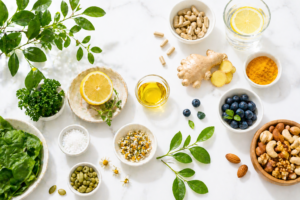
Supplements for anxiety are becoming increasingly popular as more people seek natural ways to manage stress and improve their mood. Therapy and lifestyle changes remain foundational, but targeted nutrition also plays a powerful role.
Supplements for anxiety can play an important role in supporting mental health. Anxiety is one of the most common mental health concerns today, affecting millions of people. Anxiety rates have roughly doubled In Canada from 2012 to 2022 from 2.6% to 5.2% and this increase is highest in youth, especially young women, where rates have tripled in some groups.
Anxiety often shows up as persistent worry, restlessness, poor sleep, and difficulty concentrating. Therapy and lifestyle changes are foundational, although research increasingly supports the role of targeted nutrition and nutritional supplements. Certain nutrients and herbs have been shown to help regulate the nervous system, support stress hormones, and promote a sense of calm. From nutrients that support neurotransmitter balance to herbs that help the body adapt to stress, the right supplements can be a valuable addition to managing anxiety naturally and effectively.
GABA
GABA is a neurotransmitter that helps send messages throughout the central nervous system. It functions as an inhibitory neurotransmitter by blocking certain nerve transmissions, which prevents those messages from passing to other neurons. This slowdown in messaging can produce a calming effect, potentially helping to control anxiety, stress, and fear.
A study of 30 people suggested GABA-enriched oolong tea was linked with lower short-term stress scores than regular oolong tea. Although GABA can be taken in pill form best results are seen when taken sublingually through a spray or a powder on the tongue.
Holy Basil
Holy basil (Ocimum tenuiflorum) — also known as tulsi — is a staple herb in Ayurveda, an ancient Indian form of medicine still practiced today.
Some research shows that holy basil may help lower anxiety and stress. One study found that people taking holy basil reported better mood and also had lower levels of the stress hormone cortisol. It can also helps to balance blood sugars which is another factor that can increase cortisol.
Ashwagandha
Ashwagandha (Withania somnifera) is another herb in Ayurvedic medicine. Research shows it may lower anxiety and reduce stress hormones (like cortisol). It may also improve sleep quality, which is often affected when someone has anxiety.
A 2023 study examined the effects of Ashwagandha root extract (500 mg daily), combined with a small amount of piperine, for 60 days in healthy people who had mild to moderate stress or anxiety. The researchers found that people reported feeling less stressed and anxious, and an improved quality of life, focus, and multitasking skills. They also had lower levels of the stress hormone cortisol and higher levels of serotonin, compared to those taking a placebo. Similarly, a 2022 study claimed supplementation has a beneficial effect on both stress and anxiety. For anyone seeking effective supplements for anxiety, ashwagandha shows strong promise in the research.
One 2019 small double-blind study in 60 adults with insomnia and anxiety found that taking 600 mg of ashwagandha daily for 10 weeks resulted in significant improvements in anxiety and insomnia scores, compared with the placebo.
Another recent small study found that healthy adults taking 600 mg of ashwagandha daily for 8 weeks had significantly lower cortisol (stress hormone) levels, perceived stress scores, and anxiety levels compared with those taking a placebo or a lower dose. These results show why ashwagandha is a trusted supplement for anxiety and overall stress management.
Chamomile
Chamomile is one of the most widely used herbal remedies worldwide. There are two main types: Roman and German chamomile. They share many similarities. But German chamomile (Matricaria chamomilla) has higher levels of active compounds thought to contribute to its anti-anxiety effect.
There’s evidence that chamomile has calming and antidepressant effects. It appears to be safe for long-term use as a tea or supplement. In one review, 9 out of 10 studies found that chamomile was helpful for anxiety.
Chamomile may be calming because it contains a chemical called apigenin, which binds to gamma-aminobutyric acid (GABA) receptors in the brain. It has a similar effect to benzodiazepines.
Chamomile may cause allergic reactions in people sensitive to ragweed. It can also interact with some medicines, such as cyclosporine and warfarin. You should talk to a healthcare professional before using chamomile if you’re taking any medications.
Passionflower
Passionflower (Passiflora incarnata) is a plant with an edible fruit that may have some natural benefits for anxiety. In some studies, passionflower was comparable to two prescription medications — oxazepam or midazolam — in treating anxiety. This herb is also considered safe, with minimal side effects.
In one study, 40 participants were given either passionflower or midazolam (an anti-anxiety drug) 30 minutes before a tooth extraction. The study found that passionflower and midazolam reduced symptoms of anxiety about the same. Additionally, unlike midazolam, passionflower did not cause negative side effects, like amnesia, after the operation.
Like chamomile, the active components of passionflower are thought to interact with GABA receptors in the brain, producing a calming effect. In addition to anxiety, passionflower may also reduce symptoms like neuropathic pain, depression and insomnia.
Lemon Balm
Lemon balm is an oil derived from the leaves of a perennial shrub (Melissa officinalis). It has been used as a muscle relaxant and sedative worldwide for hundreds of years. Research shows that lemon balm improves anxiety and depression symptoms, cognition, and other mood disorders and is generally safe to use.
Studies suggest that supplements containing 1,000–500 mg of lemon balm may help ease symptoms of anxiety.
One study in 67 adults with insomnia found that taking a supplement containing 1,000 mg of lemon balm and 400 mg of lavender every night for 4 weeks resulted in significant improvements in insomnia symptoms and anxiety and depression scores.
Omega-3 Fatty Acids
Omega-3 fatty acids are a type of healthy fat that support heart health and are important building blocks for cells throughout the body.
There is good evidence that omega-3 fatty acid supplements can help improve anxiety symptoms. Studies suggest that around 2 g per day is most effective, while lower doses may not provide the same benefit.
You can also increase your omega-3 intake through your diet. Some rich sources of omega-3s are fatty fish, chia seeds, flaxseeds and walnuts
Magnesium
Magnesium plays a key role in the nervous system and has been studied as a natural option for reducing anxiety symptoms. A systematic review of clinical trials suggests that magnesium supplementation may benefit people with subjective anxiety, particularly in individuals who are vulnerable to stress or have mild anxiety.
Some research also indicates that combining magnesium with vitamin B6 may enhance its effects on anxiety and perceived stress, possibly by improving cellular uptake and neurotransmitter balance.
Magnesium bisglycinate is the best form of magnesium to take for anxiety, promote relaxation and is generally gentle on digestion.
For example, a 2024 systematic review of 15 studies found that magnesium supplements are likely effective in easing mild anxiety, particularly in individuals with low magnesium levels to start.
Vitamin D
Many people are deficient in or have suboptimal levels of vitamin D, a fat-soluble nutrient that’s essential for brain function and mood regulation.
Studies show that vitamin D inadequacy or deficiency is particularly common in people with mental health conditions, including anxiety disorders. Indeed, a 2024 study found that having higher vitamin D levels in your blood was associated with a lower risk of anxiety. However, this does not prove that vitamin D reduces anxiety, only that they are linked.
Keep in mind that while higher dose vitamin D supplements may be necessary to treat deficiency, for people who simply want to maintain healthy vitamin D levels, a supplement that provides 1,000–3,000 IU per day may be more appropriate.
Summary
Supporting anxiety naturally is important, combining lifestyle changes with supplements such as magnesium, omega-3s, vitamin D, and adaptogenic herbs that help regulate the nervous system and stress response. Many of these supplements for anxiety work by nourishing the nervous system and balancing stress hormones.
Choosing the right supplements for anxiety depends on your individual needs. A personalized approach is essential, as what your body requires may differ from someone else’s. Always consult a healthcare professional to determine the most appropriate options for you.
by Kylie James | Mar 23, 2026 | Health & Wellness, Lunch, Recipes, snack, Uncategorized
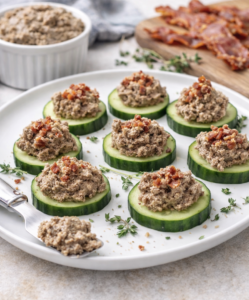
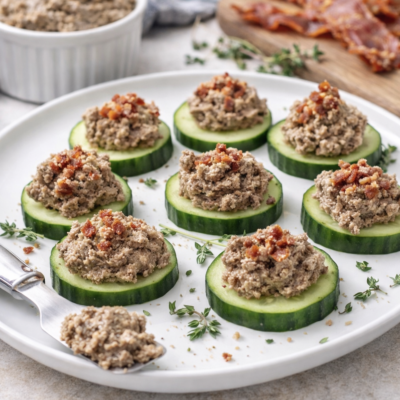
Pâté is a nutrient-dense food that can provide several health benefits when consumed in moderation. Traditionally made from liver—such as chicken, duck, or pork—pâté is particularly rich in high-quality protein and essential micronutrients. Protein is important for maintaining muscle mass, supporting immune function, and helping the body repair tissues. Because pâté is concentrated and nutrient-dense, even a small portion can contribute meaningful amounts of protein and nutrients to the diet.
One of the most notable benefits of pâté, especially liver pâté, is its high content of iron. Liver contains heme iron, the form of iron that is most easily absorbed by the body. Adequate iron intake is essential for the production of hemoglobin, which carries oxygen in the blood. The prevalence of iron deficiency and iron-deficiency anemia globally affects about 20–25% of people, making it the most common nutritional deficiency worldwide.
In Canada, most of the population has adequate iron status, but deficiency still occurs in specific groups. Data from the Canadian Health Measures Survey suggest that about 5% of Canadians aged 3–79 have low iron stores, with the prevalence higher in females (around 8%). Adolescents and women are particularly vulnerable due to menstrual blood loss and increased iron requirements during growth. Consuming foods rich in heme iron can help prevent or address iron deficiency, support energy levels, and reduce the risk of fatigue or anemia, particularly in individuals with increased iron needs.
Pâté is also an excellent source of several important vitamins, particularly vitamin A, vitamin B12, and folate. Vitamin A plays a critical role in vision, immune health, and skin integrity. Vitamin B12 supports nerve function, red blood cell production, and cognitive health, while folate is necessary for DNA synthesis and cell division. Because these nutrients are found in high concentrations in liver, pâté can be a valuable addition to the diet for individuals who may struggle to obtain adequate amounts through other foods.
In addition, pâté provides beneficial fats that help support nutrient absorption and overall health. Many versions contain monounsaturated and saturated fats that can help provide sustained energy and contribute to satiety, helping people feel full after meals. The fat content also aids in the absorption of fat-soluble vitamins such as vitamin A.
Iron Rich Pate
This recipe is high in iron, B2, B12, folate, zinc, selenium, and copper, as well as protein. Which are all key nutrients to support healthy hair and manage stress?Quick and easy to put on toast, cucumbers, or as a dip for raw vegetables. Can't go wrong! Prep Time 10 minutes mins
Cook Time 10 minutes mins
Course Appetizer, Side Dish, Snack
Cuisine Mediterranean
- 6 slices bacon
- 1 yellow onion minced
- 4 garlic cloves minced
- 1 1/16 lbs beef liver
- 2 tbsp dried thyme
- 1/2 cup coconut oil melted
- 1/2 tsp sea salt
- 1 cucumber sliced
In a cast-iron pan, cook the bacon slices until crispy. Set the bacon aside and reserve the grease.
Add the onion, garlic, liver, and thyme to the pan. Cook over medium heat until the liver is cooked through, about 5 minutes per side.
Remove from heat and transfer to a blender or food processor along with the bacon. Add the coconut oil and salt and blend until a smooth paste forms.
Spread onto cucumber slices and enjoy.
by Kylie James | Mar 12, 2026 | Health & Wellness, Koru Nutrition Blog, Uncategorized
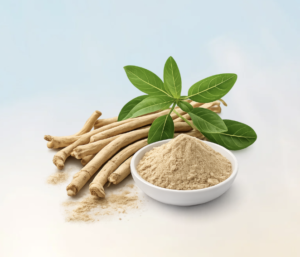
What Is Ashwagandha?
Ashwagandha (Withania somnifera), also known as Indian ginseng or winter cherry, is a traditional Ayurvedic herb that has been used for thousands of years to support overall health and well-being.
Ashwagandha has also been associated with improved cognitive function, including memory and focus, as well as enhanced energy and physical performance. In addition, research suggests it may support immune function, reduce inflammation, and help regulate blood sugar levels (3,4). Some studies also indicate potential benefits for hormone balance and reproductive health.
Ashwagandha is best known for its ability to support resilience to physical and mental stress by lowering levels of the stress hormone cortisol, which can inturn help to adress other stress related problems such as mood, reduce anxiety, and support better sleep. In Ayurvedic medicine, it is considered the one of the best adaptogens.
Unlike synthetic medications that target a single pathway, adaptogens like ashwagandha work more broadly, helping regulate the body’s stress response and improve resilience during periods of physical or emotional stress. Ashwagandha contains a variety of bioactive compounds — most notably withanolides — which have antioxidant, anti-inflammatory, and neuroprotective properties. These compounds play a key role in balancing and regulating our stress hormones.
Ashwagandha can help regulate the hypothalamic-pituitary-adrenal (HPA) axis, which controls the body’s stress response. By supporting healthy cortisol levels — the body’s primary stress hormone — ashwagandha can help the body better adapt to physical and mental stress. (2) Because stress plays a major role in many modern health concerns, adaptogen herbs such as ashwagandha are increasingly being used as part of holistic wellness programs.
Top Health Benefits of Ashwagandha
1. Stress Reduction & Anxiety Relief
One of the most well-studied benefits of ashwagandha is its ability to reduce stress and anxiety. Some evidence suggests that ashwagandha may influence neurotransmitters such as GABA and serotonin, which are involved in mood regulation and stress resilience. (3)
Several clinical trials have shown that daily supplementation — particularly at doses between 500–600 mg per day — can significantly lower perceived stress, anxiety scores, and cortisol levels compared to placebo. (2) This adaptogenic effect makes it one of the most popular herbal options for individuals experiencing chronic stress, workplace burnout, or anxiety-related symptoms.
2. Improved Sleep Quality
Ashwagandha may also help support better sleep. Small studies involving individuals with insomnia or poor sleep patterns have shown that supplementing with ashwagandha can help people fall asleep faster, sleep more deeply, and wake less frequently during the night.
A 2021 review found that taking at least 600 mg daily for eight weeks significantly improved sleep quality and reduced anxiety in individuals experiencing chronic stress. (5)
3. Enhanced Immune Function
Emerging evidence suggests that ashwagandha may support immune system activity. In one study, participants taking ashwagandha extract for 1 month showed improvements in markers of both natural and adaptive immune responses, suggesting enhanced defences against infections. (6)
Supporting the immune system also involves a strong nutritional foundation. Foods rich in antioxidants and anti-inflammatory nutrients play an important role in maintaining immune resilience.
4. Hormonal & Reproductive Health
Ashwagandha has also been studied for its potential effects on hormonal balance — particularly testosterone and reproductive health in men. Research suggests that doses in the 300–600 mg range may increase testosterone levels, sperm count, and motility in men with suboptimal reproductive markers. (7)
5. Cognitive Function & Memory
Preliminary research suggests that ashwagandha may support brain health, including memory, focus, reaction time, and cognitive performance. These benefits are thought to be related to the herb’s antioxidant effects and potential influence on neuronal signalling pathways. However, larger human studies are still needed. (8)
6. Anti-Inflammatory & Antioxidant Effects
Chronic inflammation is associated with aging and a variety of health concerns, including cardiovascular disease, arthritis, and metabolic disorders. Ashwagandha’s anti-inflammatory and antioxidant properties may help reduce inflammatory markers and support overall cellular resilience. (9)
Health Conditions Ashwagandha May Help With
Although research is still evolving, ashwagandha is commonly used — under professional guidance — to support individuals experiencing:
• Chronic stress and anxiety
• Insomnia or poor sleep quality
• Reduced immune resilience
• Hormonal imbalance
• Mild cognitive decline
• Inflammatory conditions
It’s important to remember that not all of these uses have strong clinical evidence. Many benefits are based on traditional use and smaller human studies. Always consult a healthcare professional before starting a new supplement regimen.
Who Should Not Take Ashwagandha?
Although ashwagandha is generally well tolerated for most healthy adults when used short-term (typically up to three months), certain individuals should avoid it or consult a healthcare provider first. These include
• Pregnant or breastfeeding individuals
• People with autoimmune conditions such as lupus, rheumatoid arthritis, or multiple sclerosis
• Individuals with thyroid disorders
• Those with hormone-sensitive cancers
• Individuals with liver disease
Ashwagandha may also interact with medications, including:
• Sedatives or anti-anxiety medications
• Blood pressure medications
• Diabetes medications
• Immunosuppressants
• Thyroid hormone treatments
• Benzodiazepines or anticonvulsants
It should also be discontinued at least two weeks prior to surgery due to potential interactions with anesthesia and blood pressure regulation.
Side Effects & Safety
Most people tolerate ashwagandha well at recommended doses. However, some mild side effects may occur. These can include:
• Gastrointestinal discomfort (nausea or diarrhea)
• Drowsiness
• Headache or dizziness
Although rare, isolated cases of liver injury have been reported, emphasizing the importance of using high-quality supplements and professional guidance, particularly for long-term use.
Optimal Ashwagandha Dosing
There is no universally established dose for ashwagandha because research varies depending on extract type and intended health outcome. However, common evidence-based guidelines include:
Stress & Anxiety: 225–600 mg per day of standardized extract, often taken as 300 mg twice daily for 6–8 weeks.
Sleep Support: Around 600 mg per day, typically taken in divided doses or before bedtime.
Immune Support: Lower doses, such as 60 mg per day, have shown improvements in certain immune markers in smaller studies.
Hormonal & Performance Support: 300–600 mg twice daily has been used in studies examining testosterone levels, fertility, and physical performance.
Most clinical studies evaluate supplementation for 8–12 weeks, and experts generally recommend limiting use to short-term periods unless supervised by a healthcare professional.
How To Take It
You can take Ashwagandha in a capsule or powder form and can incorporate it into your hot drinks or smoothies. An example of incorporating it into a hot drink as part of a calming evening routine is to make this simple Ashwagandha Moon Milk Recipe
Ashwagandha is generally considered safe for many people when taken in moderate doses for short- to medium-term use, and several clinical studies have used it safely for 8–12 weeks. Some people do continue taking it longer under professional guidance, but long-term use is still being studied, so many practitioners recommend periodic breaks. This is mainly because most research has focused on shorter durations, meaning there is less data on safety beyond several months of continuous use.
One reason to be cautious with long-term use is its potential effects on hormones and the endocrine system. Ashwagandha can influence cortisol levels and may also affect thyroid hormones by increasing T3 and T4 in some individuals. While this can be beneficial for some people, those with thyroid conditions—particularly hyperthyroidism—could experience unwanted effects if the herb is taken continuously without monitoring.
For many people, a common approach is to take ashwagandha for 8–12 weeks and then take a break for several weeks before resuming if needed. This allows the body to reset and helps reduce the chance of tolerance or unwanted effects. Overall, long-term use may be appropriate for some individuals, but it is generally best done with periodic breaks and guidance from a qualified healthcare practitioner.
Summary
Ashwagandha is an adaptogenic herb widely used in traditional Ayurvedic medicine and increasingly supported by modern research for its potential health benefits. Evidence suggests that ashwagandha may help reduce stress and anxiety by lowering cortisol levels and supporting the body’s resilience to physical and psychological stress. It has also been associated with improvements in sleep quality, cognitive function, mood, energy levels, physical performance, and muscle strength, while others suggest it may support healthy blood sugar levels, reduce inflammation, and enhance immune function. Additionally, emerging research shows potential roles in supporting male fertility.
Overall, ashwagandha is considered a versatile botanical that may promote overall wellbeing, particularly in individuals experiencing chronic stress or fatigue.
If you want more strategies on how to manage your stress please check out our article Best Foods to Manage Stress
References
- Kubala, J., & Spritzler, F. (2023). Health benefits of ashwagandha, based on research. Healthline.
- Office of Dietary Supplements. (2023). Ashwagandha Fact Sheet for Consumers. National Institutes of Health.
- Cleveland Clinic. (2025). What Is Ashwagandha? Uses and Potential Benefits.
- National Center for Complementary and Integrative Health. (2023). Ashwagandha: Usefulness and Safety.
- Salve, J., et al. (2019). Effect of Ashwagandha (Withania somnifera) extract on sleep: A systematic review and meta-analysis. PubMed Central.
- Wankhede, S., et al. (2015). Immunomodulatory effect of Withania somnifera (Ashwagandha) extract—A randomized, double-blind, placebo-controlled trial. MDPI.
- Dongre, S., et al. (2015). Effects of Withania somnifera on reproductive system: A systematic review of available evidence. PubMed Central.
- WebMD. (2024). Ashwagandha: Uses, benefits, and side effects.
- Grover, A., et al. (2012). Tackling chronic inflammation with withanolide phytochemicals—A Withaferin A perspective. PubMed Central.

by Koru Nutrition | Aug 8, 2024 | Drink, Health & Wellness, Recipes
As the summer sun blazes and temperatures soar, finding the perfect beverage to cool down with can be a challenge.
While traditional sugary drinks may provide a quick refreshment, they often come with unnecessary calories and sugar. Enter the Low Calorie Virgin Sangria – a delightful, guilt-free mocktail that offers a refreshing twist on the classic sangria.
This recipe combines natural sweetness and tangy flavors, making it the perfect summer companion.
Health Benefits
This Low Calorie Virgin Sangria is not just a tasty treat; it also offers several health benefits:
- Low in Sugar: By using maple syrup and limiting the amount of cranberry juice, this mocktail is much lower in sugar compared to traditional sangria. This makes it a great option for those looking to reduce their sugar intake without sacrificing flavor.
- Rich in Antioxidants: The frozen berries and cranberry juice are packed with antioxidants, which help fight free radicals in the body. Antioxidants are essential for maintaining healthy skin and preventing cell damage.
- Hydrating: Hydration is crucial, especially during the hot summer months. The inclusion of soda water and ice in this mocktail helps keep you hydrated. Proper hydration is vital for maintaining bodily functions, improving mental and physical energy levels, mood and even cognition. Staying hydrated also keeps your skin looking fresh and vibrant.
- Vitamin C Boost: The lemon juice provides a healthy dose of Vitamin C, supporting your immune system. Vitamin C is known for its role in collagen production, which is important for maintaining healthy skin, joints, and bones. Additionally, it helps in the absorption of iron from plant-based foods, contributing to overall health.
Summer is the perfect time to experiment with refreshing beverages that not only quench your thirst but also support your health goals. This low calorie and low sugar Virgin Sangria is a fantastic option for those looking to enjoy a delicious, low-calorie drink without compromising on flavor.
Reduced Sugar Virgin Sangria
As the summer sun blazes and temperatures soar, finding the perfect beverage to cool down with can be a challenge. While traditional sugary drinks may provide a quick refreshment, they often come with unnecessary calories and sugar. Enter the Reduced Sugar Virgin Sangria – a delightful, guilt-free mocktail that offers a refreshing twist on the classic sangria. This recipe combines natural sweetness and tangy flavors, making it the perfect summer companion.
- 1 tsp Maple Syrup
- 1/4 Lemon (juiced, plus slices for garnish)
- 1/4 cup Frozen Berries
- 2 Ice Cubes
- 1 fl oz Cranberry Juice
- 2 fl oz Soda Water
DirectionsAdd all of the ingredients into a glass and stir to combine. Garnish with lemon slices, if using. Enjoy!

by Koru Nutrition | Aug 8, 2024 | Drink, Health & Wellness, Recipes
This refreshing summer drink is not only delicious but is packed with amazing health benefits above and beyond just supporting your hydration.
Kombucha, grapefruit, and lime, are packed with nutrients and therapeutic properties that can support weight loss, constipation, strengthening the immune system and increasing your intake of antioxidants.
Kombucha: The Probiotic Powerhouse
Kombucha, a fermented tea, has gained immense popularity for its potential health benefits. Here are some key reasons to include kombucha in your diet:
Many kombucha’s are green tea based and studies show that drinking green tea regularly or taking green tea extract can increase the number of calories you burn, reduce belly fat, improve cholesterol levels, and help with blood sugar control. (1)
Kombucha contains glucuronic acid, which helps in detoxifying the body by binding with toxins and facilitating their excretion. This process supports liver function and overall detoxification. The tea used to make kombucha, typically green or black, is rich in antioxidants. These compounds help combat oxidative stress, reducing the risk of chronic diseases and supporting overall health.
The probiotics in kombucha can also help strengthen the immune system, making the body more resilient against infections and illnesses. Kombucha made from black or green tea have antibacterial properties, particularly against infection-causing bacteria like E. coli and Salmonella typhi. (2)
Kombucha is high in probiotics which supports gut health and can help with constipation. Although no research has directly examined kombucha and constipation, studies have found that increasing your intake of probiotics can help improve or eliminate constipation. One review concluded that probiotics decreased constipation by 10–40% in older adults, compared with a placebo treatment. (3)
Grapefruit: perfect weight loss fruit
Grapefruit, is an excellent source of vitamin C, it contains antioxidants that boosts the immune system, supports skin health, and promotes wound healing. Grapefruit is also low in calories and several studies have found weight-reducing effects associated with consuming grapefruit. One study found that participants experienced a reduced waist size when they consumed grapefruit daily with their meals. (4)
With its high water content, grapefruit helps keep you hydrated. There are almost 4 ounces of water in half of a medium-sized grapefruit, which accounts for about 88% of its total weight. It also contains potassium, an essential electrolyte that supports heart health and muscle function and helps replenish this electrolyte if you have been sweating.
Because of its high fiber, and potassium content regular consumption of grapefruit has been linked to improved cholesterol levels and reduced blood pressure, as well as better manage blood sugar issues and diabetes. In one study, subjects who ate half of a fresh grapefruit three times a day before meals experienced a significant reduction in both insulin levels and insulin resistance, compared with the group of people who didn’t eat grapefruit. (5)
Lime: The Zesty Health Booster
Limes, small yet powerful citrus fruits, are not only a culinary delight but also pack a healthy punch. Like grapefruit, limes are high in vitamin C, bolstering the immune system and acting as an antioxidant to protect cells from damage. Limes can stimulate digestive enzymes, enhancing digestion and preventing constipation. The acidity in limes can also help break down food more efficiently.
The vitamin C and antioxidants in limes promote collagen production, which is vital for healthy skin. Limes can also help reduce skin damage from the sun and pollution.
Enjoy this refreshing drink on it’s own or if you want to make it alcoholic add in your favourite vodka or gin
References
- https://pubmed.ncbi.nlm.nih.gov/17557985/
- https://www.ncbi.nlm.nih.gov/pmc/articles/PMC8401643/
- https://pubmed.ncbi.nlm.nih.gov/28467916/
- https://pubmed.ncbi.nlm.nih.gov/21288350/
- https://pubmed.ncbi.nlm.nih.gov/16579728/
Grapefruit Lime Kombucha Mocktail
This refreshing summer drink not only is delicious but is packed with amazing health benefits above and beyond just supporting your hydration.
- 1/4 cup Grapefruit Juice (freshly squeezed)
- 2 tbsps Lime Juice
- 4 fl ozs Kombucha (citrus flavored)
- 1/2 cup Sparkling Water
- 8 Ice Cubes
- 1/16 Grapefruit (sliced)
Directions
- In a glass, combine the grapefruit juice, lime juice, kombucha and sparkling water.
- Top with ice and a grapefruit slice. Enjoy!

by Koru Nutrition | Jul 11, 2024 | Breakfast, Health & Wellness, Recipes
A Nutrient-Packed Dish for Radiant Skin and Overall Wellness
Discover a delicious and nutritious way to elevate your health with our Sweet Potato Spinach Frittata. This dish is brimming with ingredients that promote glowing skin and offer a myriad of other health benefits.
Not only is it a treat for your taste buds, but it also supports your well-being from the inside out.
Glowing Skin
Your skin’s health is closely linked to what you eat, and this frittata is crafted to enhance your skin’s natural radiance. Sweet potatoes are rich in beta-carotene, which the body converts into vitamin A. This vitamin is vital for skin repair and regeneration, helping maintain a smooth, youthful appearance. Sweet potatoes also contain antioxidants that protect the skin from free radical damage and premature aging.
Spinach, another star ingredient, is packed with vitamins and minerals essential for healthy skin. It provides vitamin C, crucial for collagen production, which keeps your skin firm and reduces the appearance of fine lines and wrinkles. Additionally, spinach is a good source of vitamin E, an antioxidant that shields the skin from oxidative stress.
Eggs, included in this frittata, offer high-quality protein necessary for skin repair and rejuvenation. They also contain biotin, a B vitamin that supports skin health by promoting cell growth and maintaining skin moisture. Olive oil, used in cooking the frittata, is a fantastic source of vitamin E and healthy fats, further supporting skin hydration and health.
Heart Health
Heart health is another significant benefit of this Sweet Potato Spinach Frittata. The monounsaturated fats from the olive oil help reduce levels of ‘bad’ LDL cholesterol while increasing ‘good’ HDL cholesterol, crucial for maintaining healthy cholesterol levels and reducing the risk of heart disease.
The fiber content from the sweet potatoes and spinach also plays a vital role in heart health. Fiber helps to lower cholesterol levels and supports a healthy heart by reducing the risk of heart disease. Including these heart-healthy ingredients in your diet makes this frittata an excellent choice for those aiming to support their cardiovascular health.
Digestive Health
A healthy digestive system is essential for overall well-being, and this frittata is packed with fiber to keep your digestion running smoothly. The sweet potatoes and spinach contribute significantly to the high fiber content of this recipe, adding bulk to the diet and helping to prevent constipation while promoting regular bowel movements.
Eggs provide protein, supporting the growth and repair of the gut lining, which is vital for maintaining a healthy digestive tract. Olive oil aids digestion by promoting the absorption of fat-soluble vitamins and reducing inflammation in the gut.
Immune System Support
Supporting your immune system is key to maintaining overall health, and this Sweet Potato Spinach Frittata is packed with immune-boosting ingredients. Spinach is an excellent source of vitamin C, a powerful antioxidant that helps protect your body against free radicals and supports a healthy immune system. Vitamin C is also crucial for the production of white blood cells, essential in fighting off infections.
Garlic, included in this recipe, has been shown to boost the immune system and help combat illness. It contains compounds like allicin, which have antimicrobial properties and can enhance immune function. Sweet potatoes also provide vitamin A, which supports immune function by maintaining the health of the skin and mucous membranes, the body’s first line of defense against pathogens.
Conclusion
Incorporating this Sweet Potato Spinach Frittata into your diet is a delicious and effective way to support your skin, heart, digestive, and immune health. The combination of nutrient-rich ingredients provides a variety of health benefits, making it a perfect addition to a balanced diet. Enjoy this frittata as a hearty breakfast, a light lunch, or a satisfying dinner. Your body and skin will thank you for it!
Sweet Potato Spinach Frittata
Start your day with this nutritious Sweet Potato Spinach Frittata!
Total Time 25 minutes mins
- 1 tbsp Extra Virgin Olive Oil
- 1 1/2 Sweet Potato (medium, peeled and cut into small cubes)
- 3 cups Baby Spinach (chopped)
- 4 Eggs (whisked)
- Sea Salt & Black Pepper (to taste)
- 2 cups Egg Whites
Method:
- Preheat the oven to 400°F (204°C).
- Heat the oil in a cast-iron skillet (or another oven-safe pan) over medium heat. Add the sweet potato and cook, stirring occasionally, for about 10 minutes or until the potatoes are just tender. Add the spinach and stir until wilted.
- Season the whisked eggs with salt and pepper then pour the eggs into the pan with the vegetables and let the eggs cook for about 30 seconds or until they just begin to set before gently stirring with a spatula to ensure the vegetables are well incorporated into the eggs. Transfer the skillet to the oven.
- Bake for 10 to 12 minutes or until the eggs have set and are firm to the touch in the center of the pan. Let it sit for about five minutes before cutting into wedges. Serve and enjoy!