10 Christmas Survival Tips

10 Christmas Survival Tips

Mental Health Gut Article

Stringing the lights on our houses and decorating our Christmas trees while watching the snow fall… it really is a magical time of the year. But, with all the Christmas wonder and excitement, this is the time that we tend to over indulge in food and beverages – which leads to struggle with putting on a few extra pounds.

This year will be different with social gatherings limited due to COVID, so it may seem like there’s not much else to do other than eat! At Koru, we want to make sure you can enjoy your Christmas festivities and food delights without over-indulging and feeling just as stuffed as your stuffed turkey! We just might be able to help you avoid that food coma…

So, let’s look at some ways to help you not feel stuffed like your turkey!

Here are 10 Christmas Survival tips: 

  1. Hydrate, hydrate, hydrate! Are you hungry or thirsty? Dehydration caused by not drinking enough water can be easily mistaken for hunger cues, which can be dangerous when you have a big meal ahead of you. Drinking water can fill you up and help to keep your portion sizes under control.
  2. Lighten up! Try making your traditional recipes a little lighter by using low-sodium chicken broth in the gravy and to baste the turkey. Try plain Greek yogurt in the mashed potatoes, dips and casseroles to benefit from the good bacterial cultures. Use sugar substitutes such as swerve, xylitol and pureed fruit in place of sugar in baked goods.
  3. Use a smaller plate. Recent research suggests that we consume around 3,000 calories in our Christmas dinner – more than the entire recommended daily intake for a grown man! So, pay attention to your plating. Use a smaller plate because larger plates lead to larger food intake. Consider limiting yourself to one serving only. Besides, second helpings always taste better as leftovers the next day. Try dividing your plate into: 25% protein, 25% starches/grains, and 50% non-starchy vegetables.
  4. Let the body and brain connection catch up. Once dinner is done, it is suggested to wait 20 minutes until you indulge in anything else, such as second helpings and/or dessert. This will allow your brain to recognize how full you really are and hopefully avoid over-indulging and the potential food coma!
  5. Walk it off! How about instead of taking a nap after the feast, go for a walk around the block? Breathing in some fresh air and getting the blood pumping can help your digestion. This is also a great opportunity to get out of the house and avoid ongoing nibbling of food.
  6. Look at staggering your meal throughout the day. Maybe have appetizers at 11:00am, dinner at 2:00pm and dessert at 5:00pm. That way you space out your 3 course meal over the day and get to enjoy your dinner with a lot more time to relax and chill out afterwards.
  7. Focus on non starchy vegetables for dinner. Brussels sprouts, broccoli, and green beans are all wonderful traditional Christmas options. Plus, you can switch out mashed potatoes for Mashed Cauliflower
  8. Fit in fitness this Christmas! Whether you are busy or bored, your fitness routine normally takes a major dip this time of year. We recommend completely changing your fitness routine during the holidays so that you force your body to adapt to something new, stay enthusiastic about fitness, and keep burning off that eggnog.
  9. Many of us consume more alcohol at Christmastime. At the very least, steer clear of sweet cocktails and creamy liqueurs. Have a glass of water after every alcoholic drink to keep down the calorie count – it also has the benefit of leaving you with a clearer head the next morning.
  10. Be mindful! Christmas is a time of plenty, and with nuts, chocolates, mince pies and cheese straws wherever you look, it would be rather Scrooge-like to suggest that you don’t eat any treats over the festive period! But rather than mindlessly popping whatever is in front of you into your mouth, spend a moment thinking about whether you really want it, or are just eating it because it’s there. Prioritize where you want to “indulge” and where other temptations can be avoided without much regret. Then truly savour those foods you choose to indulge in. Enjoy every bite!

Wishing you a happy, and healthy, holiday season from all of us at Koru Nutrition!

    12 Nutrition “Hacks” For Better Sleep

    12 Nutrition “Hacks” For Better Sleep

    Woman sleeping

    Sleep is so important to our overall health and wellbeing. It impacts our emotions, cognition, mood, physical abilities, and eating habits. When we sleep our body repairs and rejuvenates itself: it is when muscles are built, cells are replaced, hormones are released, and healing occurs.

    Over the past few decades, both sleep quality and quantity has declined. In fact, many people regularly get poor sleep (3,4).

    Research shows that insufficient sleep can increase the risk of obesity by 89% in children and 55% in adults (10). Other studies conclude that getting less than 7–8 hours per night increases your risk of developing heart disease and type 2 diabetes (11,12).

    Sleep and wakefulness are controlled by a series of chemical reactions in the body. Certain nutrients can affect these chemical reactions and alter how long it takes you to fall asleep, how often you wake up during the night, and how you feel the next day.

    So, if you want to optimize your health or lose weight, getting a good night’s sleep is one of the most important things you can do.

    Here are 12 nutrition sleeping hacks to help get you into better and healthier sleeping patterns.

    12 Nutrition Hacks for Better Sleep

    1. Stay away from spicy foods in the evening

    Research shows that people that eat spicy food at night spent less time in both the light phase of sleep known as Stage 2 and the deep, slow-wave Stages 3 and 4. All of which means that they experienced less sleep over all and took longer to drift off (1).

    1. Try to avoid heavy meals at night-time especially if they are high in fat.

    A heavy meal or fatty snack right before bed can cause discomfort and indigestion. This in turn can affect your sleep, causing you to wake up several times. Studies have shown that eating a large meal close to bedtime may make it harder to fall asleep. Aim for around 10 grams of fat in the evening, or about what’s in three ounces of salmon.

    1. Cook with sleep-friendly herbs

    Flavour your evening meals with parsley, dill, sage, basil, turmeric, garlic, or nutmeg. You can use these sleep-friendly herbs as opposed to spicy flavourings or sugar loaded sauces.

    1. Avoid high protein-meals before bed

    Protein-rich foods release amino acids into the blood. When amino acids such as tyrosine flood the body, they are quickly used to synthesize stimulants such as the excitatory neurotransmitters, epinephrine and norepinephrine, and thermogenic thyroid hormones. Excitatory neurotransmitters keep the brain active and thyroid hormones increase the body’s metabolic rate. Both effects disrupt sleep. Furthermore, by suddenly increasing the number of amino acids in the body, high-protein foods reduce the amount of tryptophan reaching the brain.

    1. Consume phytoestrogens to reduce night sweats

    If you struggle with hormone related night sweats and hot flashes you may want to consume more foods high in phytoestrogens such as non-GMO soybeans or edamame, flax, sesame, or oats. Soy, specifically, is also rich in important sleep promoting nutrients such as iron, B vitamins, calcium, vitamin E and magnesium.

    1. Have a big breakfast

    It is best to consume a large breakfast, light lunch, and an even lighter evening meal. This structure will take the strain off your digestion and enable your body to focus on sleeping as opposed to digesting.


    1. Make sure you are getting adequate calories

    Dieting and restricting calories can cause stress on your body and disrupt hormones which can have a negative impact on your sleep.

    1. Avoid drinking too much in the evening

    Try and consume most of your fluids during the earlier part of the day. Drinking too much in the evening can cause frequent wakings to go to the bathroom.

    1. Get your fibre

    Research shows that people who fill up on fibre spend more time in deep sleep, than those who get less fibre, and consume more saturated fat, and more sugar which results in waking up more often (2). You can consume fibre from whole foods such as fruits, vegetables, whole grains, and some seeds.

    1. Avoid alcohol

    Alcohol is known to cause or increase the symptoms of sleep apnea, snoring, and disrupted sleep patterns (5,6). Alcohol also alters nighttime melatonin production, which plays a key role in your body’s circadian rhythm (7,8). Another study found that alcohol consumption at night decreased the natural nighttime elevations in human growth hormone (HGH), which plays a role in your circadian rhythm and has many other key functions (9).

    1. Avoid MSG food products

    A common food additive that is known to cause insomnia is MSG (monosodium glutamate). This compound is a common ingredient used in preparing Chinese foods as well as refined, packaged foods. However, it is a potent stimulant and can keep some people awake late into the night.

    1. Choose an optimal nighttime snack

    Ideally, choose a bedtime snack that contains complex carbohydrates with a limited amount of protein and fat.

    For some individuals, dairy is a great sleep inducer (if you do not have an allergy, intolerance, or sensitivity to it) because the brain can use the tryptophan and calcium from it to help make melatonin. Try and keep the snack to less than 200 calories and eat between 1 to 1.5 hours before bed.

    Below we’ve listed some other healthy options!

    Best Bedtime Snacks

    • Whole grain piece of toast with a nut/seed butter
    • Cottage cheese and tart cherries
    • Yoghurt with cut up banana
    • Banana and nut butter
    • Apple sauce cup with a spoonful of ground flaxseed
    • Small handful of almonds (28 grams)
    • Chia Oat Parfait with Kiwi

    So, what are you waiting for? Try out some of our nutrition sleep hacks today and increase your potential for a long and restful sleep.

    Good night.


    References:

    1. https://pubmed.ncbi.nlm.nih.gov/1399758/
    2. https://jcsm.aasm.org/doi/10.5664/jcsm.5384
    3. https://www.ncbi.nlm.nih.gov/pmc/articles/PMC4302758/
    4. https://pubmed.ncbi.nlm.nih.gov/20669438/
    5. https://pubmed.ncbi.nlm.nih.gov/7077345/
    6. https://pubmed.ncbi.nlm.nih.gov/7258218/
    7. https://pubmed.ncbi.nlm.nih.gov/8370699/
    8. https://pubmed.ncbi.nlm.nih.gov/8345809/
    9. https://pubmed.ncbi.nlm.nih.gov/8675588/
    10. https://www.ncbi.nlm.nih.gov/pmc/articles/PMC2398753/
    11. https://pubmed.ncbi.nlm.nih.gov/21300732/
    12. https://pubmed.ncbi.nlm.nih.gov/15851636/

    How Your Gut Has A Direct Impact On Your Mood

    How Your Gut Has A Direct Impact On Your Mood

    Mental Health Gut Article

    You may be surprised to know that the bacteria living in our gut often referred to as our microflora or microbiome can have a significant impact on our brain chemistry and how we feel, think and behave. We’ve written a little more about that here. The gut is often referred to as the “second brain” and has the ability to communicate via the nervous system, hormones, and the immune system.

    Our gut is composed of trillions of bacteria and over 1000 different species. The composition of the microbiome varies from person to person, with contributing factors including age, diet, behaviour, environment, and genetics (Yang A.L., Kashyap et al., 2015).

    Unfortunately, the microbiome is often under looked as an influencing factor in a wide range of neurological conditions despite the fact that it plays a role in Autism Spectrum Disorder, chronic pain, stress, Alzheimer’s disease, and Parkinson’s disease as well as Depression and Anxiety (Mayer EA, et al. 2014)

    Serotonin is a neurotransmitter that affects many facets of human behaviour, such as mood, stress response, appetite, happiness and sexual drive. Interestingly enough, up to 90% of your body’s serotonin is produced by the gut microbiome.  Research demonstrates a connection between healthy gut bacteria and lower rates of depression (1,2,3,4,5).

    The common bacteria that we know are lactobacilli and bifidobacterium. These “friendly” bacteria have actually been shown to lower levels of brain-toxic compounds and can lower inflammation in the brain by reducing certain cytokine levels (inflammatory markers), These specific cytokines can cause anxiety, depressive symptoms and cognitive disturbances (Logan, 2006).

    Research published in the American Society for Microbiology in 2012 has found that “good” gut bacteria can have a marked effect on GABA levels in the brain (a neurotransmitter that is involved in regulating anxiety, digestion, sleep and relaxation), which can help reduce feelings of anxiety and elevate our mood.

    Another interesting factor is that the gut microbiome can have an influence on the medications that we take as it can play a role in, not only the effectiveness of the medication, but also on whether a person experiences side effects for the medication that they are taking  (Flowers S.A., et al 2015).

    So what do we need to do to help support a healthy gut microbiome and therefore a healthy mood?

    #1. Eat your fruits and vegetables

    Dietary fibre supports the growth of healthy intestinal bacteria.  In fact, one study found the diversity in the gut microbiome was directly related to the variety of fruits and vegetables in a person’s diet. It also found that the microbial composition of the gut can be rapidly altered with dietary changes. (McDonald D., et al 2018).

    A recent study found an inverse relationship between fruit and vegetables and future depression or anxiety. They found that eating four extra portions of fruit and vegetables could boost people’s mental health. The more fruit and vegetable people ate, the less likely they were to be diagnosed with a mental illness (Redzo. M, 2019).

    Health Canada’s Recommended Fruit and Vegetable Intakes:

    • Children 11 and under, 5 servings of fruit and vegetables daily
    • Children 12 to 13 years, 6 servings of fruits and vegetables daily
    • Females 14+ to 50 years, 7 servings of fruits and vegetables daily
    • Males 14 to 50 years, 8 servings of fruits and vegetables daily

    Meanwhile, The World Health Organization recommends 7-13 a day for adults and 5 servings for kids, plus eating the colour of the rainbow everyday.

    If you or your kids have a difficult time consuming enough fruits and vegetables everyday, check this out.

    #2. Consume fermented foods

    Fermented foods are foods produced or preserved by the action of microorganisms. In this context, fermentation typically refers to the fermentation of sugar to alcohol using yeast, but other fermentation processes involve the use of bacteria such as lactobacillus, which help to make foods such as kimchi, yogurt, kefir, kombucha, and sauerkraut, may improve gut health, and subsequently, mood.

    The fermentation process allows live bacteria to thrive in foods that are then able to convert sugars into alcohol and acids. During this process, probiotics are created. These live microorganisms support the growth of healthy bacteria in your gut and may increase serotonin levels (1,2).

    If you don’t tend to consume a lot of fermented foods, check out this recipe for Coconut Yogurt Clusters!

    #3. Consume Prebiotics

    Unlike probiotic foods, prebiotic foods do not contain living organisms. They are the food for the probiotics which contribute to the health of the microbiome because they contain indigestible fibres that ferment in the GI tract. Prebiotic foods include artichokes, leeks, onions, garlic, chicory, cabbage, asparagus, legumes, and oats.

    Additionally, research shows that consuming green tea, ginger, omega 3 in the form of fish oils, olive and flax oils can all help to increase the production of lactobacillus or bifidobacterial which can lower inflammation and toxins in the brain that can contribute to depression (Logan,2006).

    #4. Take a Probiotic

    There are a wide variety of probiotic supplements out there on the market and it can be hard to know which one is best for you. What we recommend is that you look for something that has at least 10 billion cultures, and has multiple strains.

    We recommend HMF Multi-strain from Genestra. Genestra is well known for it’s probiotic line of supplements and this one comes with 15 billion cultures and contains 16 different live cultures. If you are interested in purchasing the product please check it out on our online supplement dispensary.

    So, to support a healthy mood you need to support a healthy gut. A good start is to incorporate a variety of fruits and vegetables into your diet, get appropriate levels of fibre, consume prebiotic  and fermented foods – and for an added bonus take a high quality probiotic.

    References

    Logan, Alan ND., The Brain Diet, Cumberland Publishing House, 2006

    1. https://pubmed.ncbi.nlm.nih.gov/25860609/
    2. https://pubmed.ncbi.nlm.nih.gov/25078296/
    3. https://www.ncbi.nlm.nih.gov/pmc/articles/PMC5864293/
    4. https://pubmed.ncbi.nlm.nih.gov/26760398/
    5. https://pubmed.ncbi.nlm.nih.gov/23384445/

    Coconut Yogurt Clusters

    Coconut Yogurt Clusters

    Smoked Salmon Avocado Toast

    Many of us crave for sweet treats when we’re feeling down. While sweets can temporarily raise serotonin in the short-term, long-term sweets only serve to fuel our low mood by increasing inflammation and blood sugar imbalances, which can both negatively impact mood.

    You will be surprised to know that this delicious treat is loaded with the mood-boosting amino acid tryptophan! Plus, it’s a much healthier option than reaching for candy bars or cookies. Here’s why…

    Cashews are actually one of the best sources of the amino acid tryptophan among all plant-based foods with 1000-2000 milligrams per 1/4 cup serving. This amino acid is critical for improving the uptake of serotonin in the brain and acts as a direct precursor to the anti-depressant hormone itself. Cashews are a tiny package of iron, magnesium, Vitamin B6, protein, important amino acids, and even omega 3 fats. All of these nutrients directly ward off mild depression and anxiety naturally.

    Pumpkin seeds are also loaded with high levels of tryptophan. This amino acid is essential for the production of serotonin, which in turn gets converted into melatonin. This hormone plays a vital role in regulation of behaviour along with exerting positive effects on sleep, mood, appetite and pain. So, if you want a good night’s rest, which can often be difficult for people with depression, then eat a handful of pumpkin seeds before bed along with a small fruit. They also contain an amino acid cucurbitin, which acts as an antibacterial agent eliminating intestinal worms from the digestive system. Supporting a healthy gut is crucial for supporting a healthy mood. Link to gut and mental health article. 

    Greek yoghurt contains lactobacillus, which is important for gut health but has also been shown to support healthy mood. Researchers have discovered a specific mechanism for how the lactobacillus bacteria affect mood, providing a direct link between the health of the gut microbiome and mental health. One study found that the amount of lactobacillus in the gut affects the level of a metabolite in the blood – called kynurenine – which has been shown to drive depression. When lactobacillus was diminished in the gut, the levels of kynurenine went up, and depression symptoms set in (1). 

    Berriesincluding cranberries, pack a wide range of antioxidants and phenolic compounds, which play a key role in combatting oxidative stress—an imbalance of harmful compounds known as free radicals in your body (2). They’re particularly high in anthocyanins, a pigment that gives certain berries their red-purple-blue colours. One study associated a diet rich in anthocyanins with a 39% lower risk of depression symptoms (3). 

    So, in only 5 minutes of prep – you can have a mood-boosting, sweet-treat to help keep cravings at bay while supporting your mood.


    References

    1. https://www.hindustantimes.com/health-and-fitness/could-eating-yoghurt-help-treat-depression-and-anxiety/story-
    2. https://pubmed.ncbi.nlm.nih.gov/29662448/
    3. https://pubmed.ncbi.nlm.nih.gov/29695122/


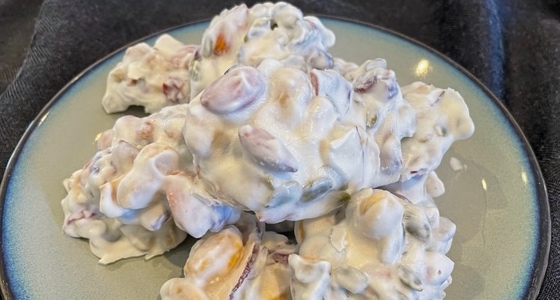
    Coconut Yoghurt Clusters

    Prep Time 5 minutes
    Cook Time 2 hours
    Total Time 2 hours 5 minutes
    Servings 12 servings

    Ingredients
      

    • 1 cup Coconut Yoghurt
    • ¼ cup Almonds
    • ¼ cup Walnuts
    • ¼ cup Cashews
    • ¼ cup Coconut Flakes
    • ¼ cup Dried Cranberries unsweetened

    Instructions
     

    • Line a muffin tin with silicone liners or prepare a cookie sheet with parchment paper or a silicone mat.
    • In a medium bowl, add all ingredients and stir well to combine.
    • Divide the mixture evenly among the muffin liners or scoop the mixture onto the lined baking sheet, forming clusters of about 2 to 2.5 inches.
    • Freeze for at least 2 hours to allow to harden before serving. Enjoy!

    Notes

    Nutritional information per serving:
    Calories: 81
    Carbs: 6g
    Fibre: 1g
    Sugar: 4g
    Protein: 4g
    Fat: 5g

    Spiced Pear Overnight Oats

    Spiced Pear Overnight Oats

    Smoked Salmon Avocado Toast

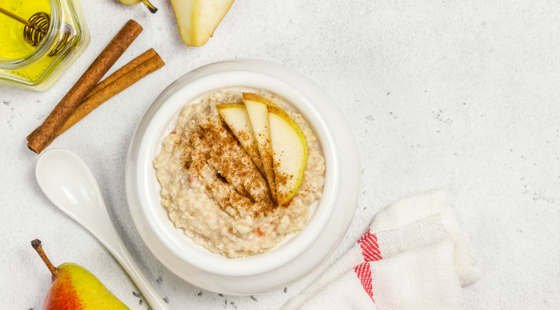
    Can a bowl of porridge a day can keep the blues at bay? Well, with all the therapeutic ingredients for gut and mental health, this Pear Spice Overnight Oats recipe is a great option!

    Chia seeds are loaded with good fats and are high in fiber and protein. It is important to begin your day with adequate protein and good fats because they help lift and stabilize our mood and cognitive function. Chia seeds also contain antioxidants and have anti-inflammatory effects. Plus, with the high fibre content chia seeds support a healthy gut.

    Cinnamon has been shown to help balance blood sugar levels, which is important for people struggling with depression as drops in blood sugars can contribute to irritability, low mood, difficulty focusing and insomnia. One of the most important active ingredients in cinnamon is cinnamaldehyde, which is used in flavorings and fragrances and may be responsible for some of cinnamon’s health benefits. Cinnamon also has antioxidant, antibiotic, and anti-inflammatory properties.

    Over a period of time, oats can act as a nerve tonic, reducing stress and aiding relaxation. If you use the chunky, whole grain variety, you’ll also provide your body with valuable fibre. Oats also contain loads of B vitamins, which are important to help produce neurotransmitters to support a healthy mood. Oats are a good slow-release carb on the glycaemic index (to stave off hunger and cravings) – and it’s a great means of reducing cholesterol.

    Tahini contains compounds that may improve brain health and decrease your risk of developing neurodegenerative diseases like dementia. Sesame seed components have been shown to protect human brain and nerve cells from free radical damage (1). Sesame seed antioxidants can cross the blood-brain barrier, meaning they can leave your bloodstream and directly affect your brain and central nervous system (2). Additionally, about 50% of the fat in tahini comes from monounsaturated fatty acids. These have anti-inflammatory properties and have been linked to a decreased risk of chronic disease such as depression.

    Lastly, with the addition of plain kefir (coconut kefir is an alternative if you have a dairy sensitivity) this dish contains plenty of probiotics, aka “good bacteria” to support a diverse microbiome in our gut which in turn improves mental health.

    Give it a try! Chock full of therapeutic ingredients and potential health benefits, this Pear Spice Overnight Oats recipe is easy to whip up in less than 5 minutes. That’s value for your time! We hope you enjoy it as much as we do!

    References

    1. https://pubmed.ncbi.nlm.nih.gov/27353539/
    2. https://pubmed.ncbi.nlm.nih.gov/30475504/

    Pear Spice Overnight Oats

    Prep Time 5 minutes
    Cook Time 8 hours
    Total Time 8 hours 5 minutes
    Servings 4 servings

    Ingredients
      

    • 2 cups Plain Kefir or Coconut Yogurt
    • 1 cup Water
    • 2 cups Oats rolled
    • 1 tbsps Raw Honey
    • 1 tsp Cinnamon
    • 1 tsp Ground Allspice
    • pinch Cloves
    • 2 tbsps Chia Seed
    • 2 Pears sliced and divided
    • ¼ cup Tahini
    • 1 tbsp Collagen Powder optional

    Instructions
     

    • In a large bowl, combine ingredients, reserving half the pears for garnish. Cover and refrigerate overnight.
    • In the morning, divide into bowls or individual containers and top with the remaining pears. Sprinkle with additional cinnamon if desired. Enjoy!

    Notes

    Nutritional information per serving:
    Calories: 416
    Carbs: 56g
    Fibre: 10g
    Sugar: 19g
    Protein: 13g
    Fat: 17g