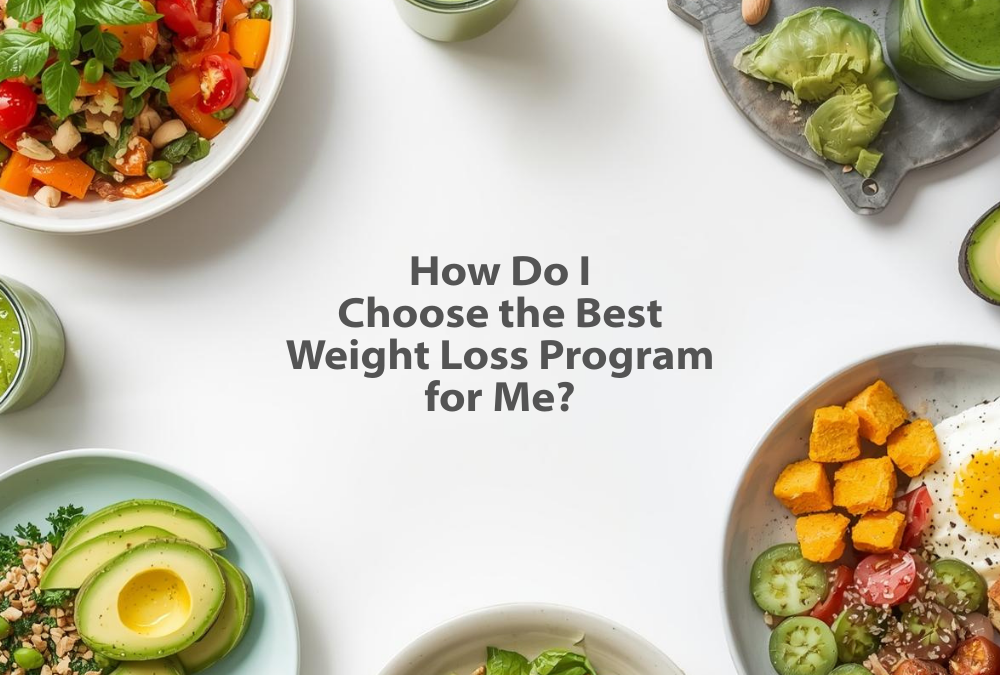
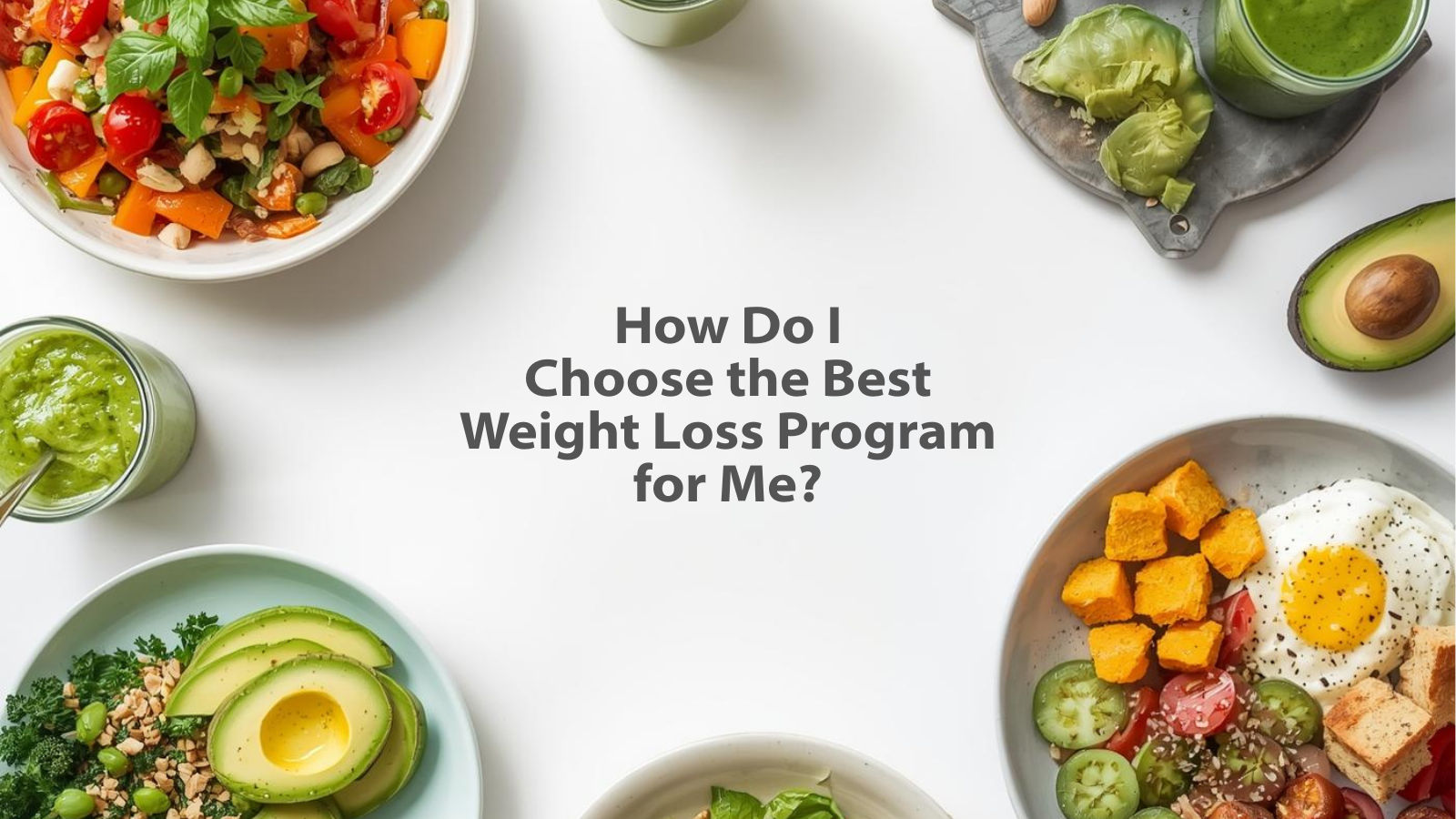
How Do I Choose The Best Weight Loss Diet For Me?

How Do I Choose The Best Weight Loss Diet For Me?
A variety of protein powder and shakes.

What are the top 5 best weight loss programs and the worst 5 weight loss programs?

While there are all sorts of weight loss plans on the market, experts agree that the best plan for you is one that works for your lifestyle and personal health history, and that you feel like you can stick with.

It can take a while to go through the different programs out there and sift through all the marketing hype to get to the nitty gritty of what is going to be the best fit for you. Talking with a health care professional such as a nutritionist or dietitian is a great first step in the process. But if you want to do it on your own then here are a few things to consider.

Here are some questions to consider when choosing a weight loss plan.

  • Does the plan include foods I like to eat?
  • What is an appropriate weight loss plan for my age?
  • What is an appropriate weight loss plan that may also help to support my other health issues or could it be potentially detrimental to my other health issues?
  • Does the approach work for my lifestyle and preferences?
  • Are the meals on this weight loss plan affordable?
  • Do I have to spend extra time to shop and prepare the recommended meals?
  • What other support and resources are provided to help me?
  • Is there accountability and support?
  • Is this sustainable long term?

No matter what weight loss plan you decide on, what truly helps with weight management in the long run are small lifestyle changes—such as increasing vegetable and fruit intake, staying physically active and limiting processed foods. These types of small changes build a positive, cumulative effect for long-term weight control and overall health as opposed to aggressive all or none approaches.

It is also important for you to understand the pros and cons of the diet. No one weight loss plan is likely going to tick off all your boxes so it is important to do the research to find out if this will be a good fit. One weight loss plan could have amazing pros but the cons are high and follow through might just be too difficult or too expensive.

Committing to a Weight Loss Plan

To actually stick to a weight loss plan, you need to think about your why. Why do you want to do it? What’s in it for you? And how committed are you to adopting this new eating and healthy lifestyle approach? Having this information top of mind can rekindle your motivation when it wanes.

Consistency is the key The best plan is the one you can stick with long term and personal fit matters. You need to take into consideration your lifestyle, food preferences, and schedule influence to determine if you will be successful with the program. Programs with coaching or education usually outperform quick‑fix diets. So having support can go along way to your success.

Most successful weight loss programs provide built-in strategies like these to help you go the distance.

  • Tracking Your Progress. Weight loss programs give you meal and exercise tracking tools in the form of diaries or handy mobile apps. Using my fitness pal to track what you are eating and learning how what foods quickly add up calories or certain other nutrients or compounds such as sugar
  • Creating mini goals. Most weight loss plans help you map out specific changes to make on your way to your goal, such as exercising each day or cutting back on alcohol intake. Checking off “mini-goals” along the way helps boost your motivation, keeps you on-track and builds healthier habits.
  • Sidestepping weight loss fatigue. Most weight loss plans provide enough meal variety and other support systems to keep you motivated after the novelty of starting a weight loss program wears off.

“Treat Meals” Some programs offer the option to have a treat meal which can be great to allow more flexibility in social situations and help avoid binge eating and feeling deprived. There are pros and cons to treat meals. To find out more check out this article, Can I Have a Cheat Day?

Top 5 Worst Weight Loss Diets to Avoid

Before talking about the best weight loss program it is also important to talk about the worst ones, why they go wrong and are often detrimental to your health. Losing weight can be challenging, and with countless diet trends every year, it’s easy to fall for the promise of rapid results. But not all diets are safe or effective. In fact, some popular weight loss diets can do more harm than good. Here are the top 5 worst weight loss diets, why they fail, and the risks associated with them.

  1. Starvation Diets: Extreme Calorie Restriction

Starvation diets, often under 800 calories per day, promise quick weight loss but come at a serious cost. Very Low‑Calorie Commercial Programs such as Optifast, Medifast and HMR.

These branded programs often rely on very low‑calorie meal replacements (sometimes ≤800–1,000 calories/day) and are marketed as fast weight‑loss solutions. Although they can lead to short‑term weight loss, they also come with potential side effects, and little evidence they lead to lasting, meaningful weight maintenance after the program ends unless paired with robust lifestyle changes.

Why they fail:

This kind of diet causes muscle loss and slows metabolism, it can lead to nutrient deficiencies, disrupts hormones, including thyroid and sex hormones and almost always results in rebound weight gain often more than what you had originally started with. They also have high drop out rates and are not sustainable long term.

  1. Juice Cleanses and Detox Diets

Juice cleanses, detox teas, and liquid-only diets claim to “flush toxins” and reset your body.

Why they fail:

These are “ok” as a short term (2 days) approach to help detox and cleanse the body but not as an approach for sustained long term weight loss. These diets if implemented more as a weight loss program are extremely low in protein, fiber, and healthy fats. It can causes blood sugar spikes, fatigue, and cravings and more importantly the weight loss is mostly water and muscle, not from fat.

  1. Mono Diets: Eating Only One Food

Cabbage soup, grapefruit, carnivore or egg-only diets promise simplicity but are highly restrictive.

Why they fail:

Not only do these diets fail but they can be detrimental to your health. They lack nutritional diversity of foods and nutrients that can lead to deficiencies, they can cause gut health issues and are hard to maintain, often leading to binge eating. Weight loss is short-term and unsustainable.

  1. Ultra Low-Fat Diets

Low-fat diets were once the go-to weight loss trend but removing healthy fats is a mistake.

Why they fail:

We need fats – 60% of our brain is made up of fats and they are extremely important for brain structure and function. Healthy fats are essential for hormone regulation, satiety, bowel regularity and mood. These diets are often high in refined carbs and added sugar, leads to constant hunger and poor blood sugar control and can worsen insulin resistance over time.

  1. Supplement or Meal replacement – Based Weight Loss Diets

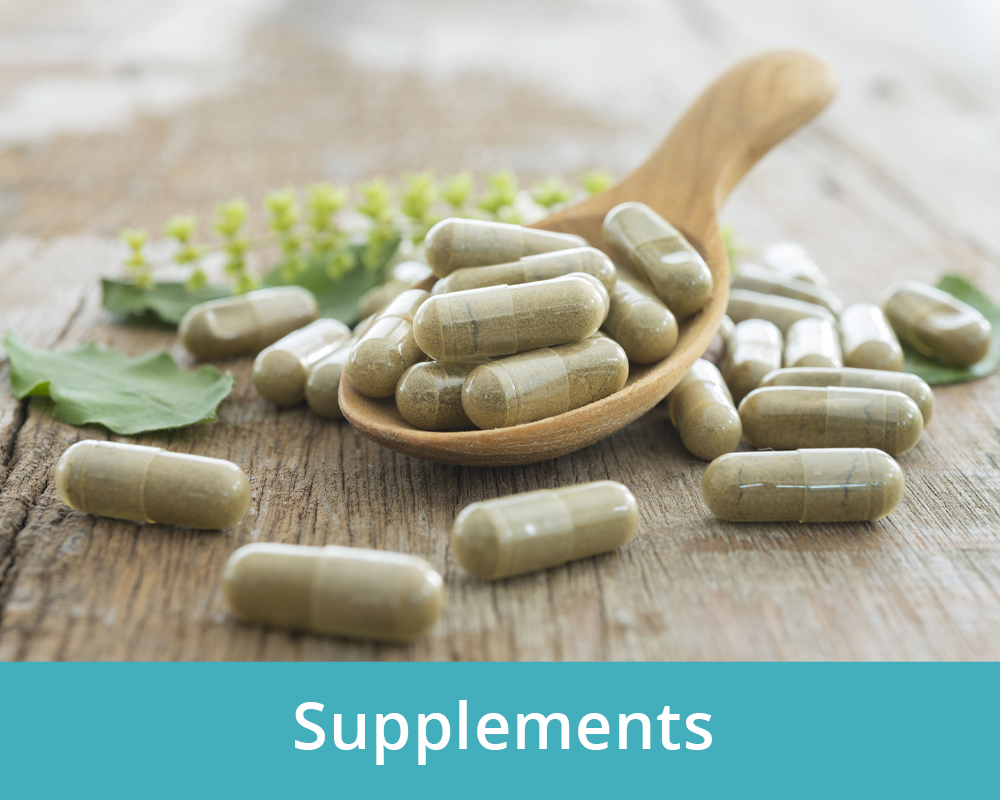
Diet pills, teas, shakes and fat-burning supplements promise effortless weight loss but are largely ineffective.

SlimFast is a branded meal‑replacement system (shakes, bars, snacks) heavily marketed as a “simple weight‑loss solution.” Research shows mixed and often minimal results — and while calorie control can lead to weight loss, replacing whole meals with processed shakes doesn’t necessarily build long‑term healthy eating habits.  Results are inconsistent and may be no better than simple calorie counting. 

Why they fail:

It can cause dehydration, electrolyte imbalances, and digestive issues, some contains stimulants may increase anxiety, heart rate, and cortisol levels. It is often expensive and once a person finishes the program weight loss stops. It may also encourage disordered eating patterns.

The Best Weight Loss Diets

To find out more about these diets and their pros and cons, check out this article.

If following a structured weight loss program is not for you, then you may want to try to incorporate some healthy weight loss nutrition strategies into your current eating habits. Check out Tips to Shedding Weight.

Summary

Weight loss is a billion-dollar industry and at times can be complicated. You may have tried numerous diets out there and had varying success but often not achieving sustained weight loss over time. The common thread among the worst weight diets include extreme restriction, unsustainable habits, and potential health risks, and are often expensive and unable to be sustained long term.

If your goal is long-term weight loss, focus on balanced nutrition, high protein, fiber-rich foods, and lifestyle changes instead of dangerous shortcuts. Do your research and/or speak to a health professional such as a dietitian or nutritionist to find the best approach for you.
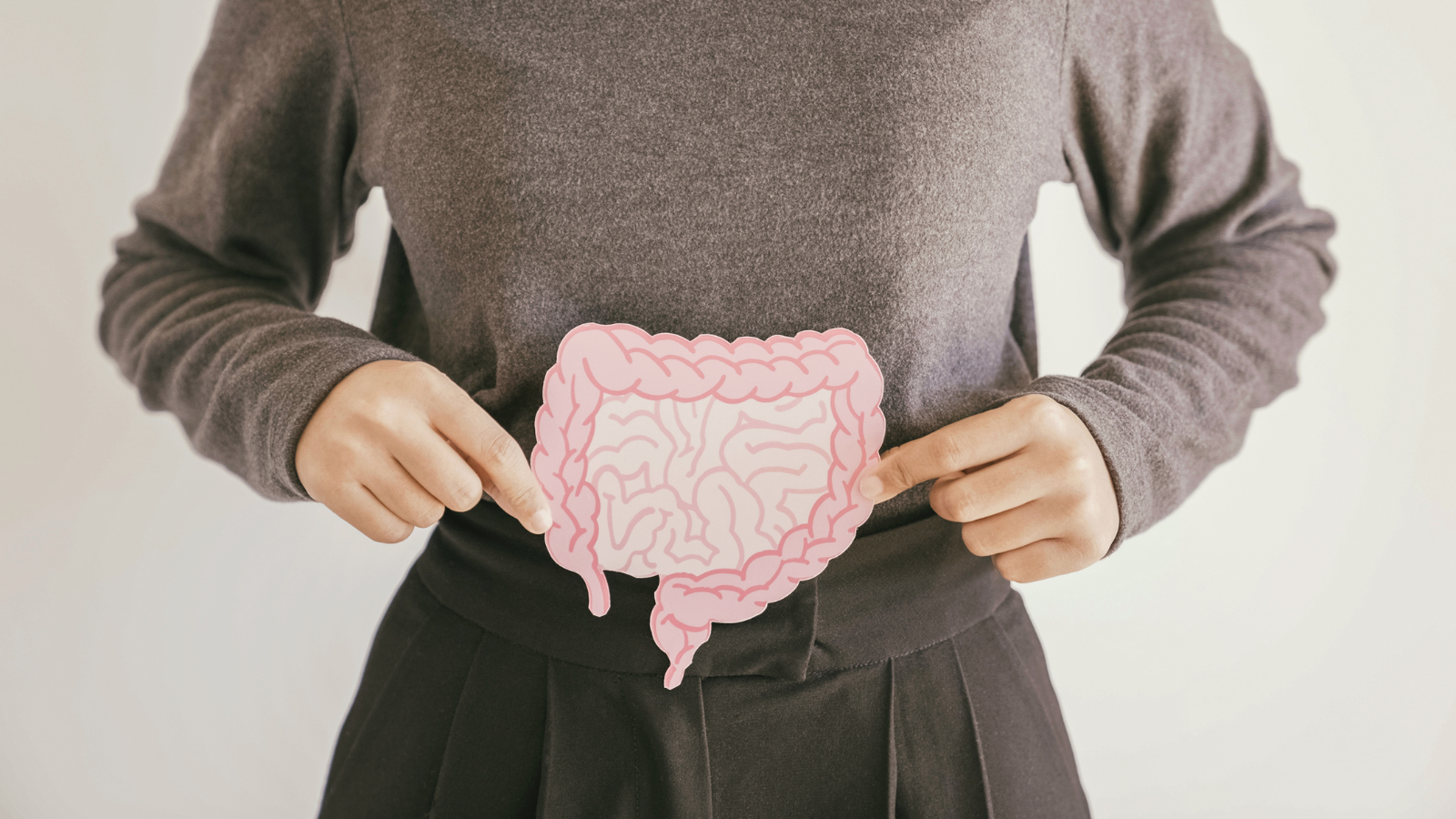
Is Your Gut Microbiome The Reason Why You’re Not Losing Weight?

Is Your Gut Microbiome The Reason Why You’re Not Losing Weight?

A variety of protein powder and shakes.

In just five years, North America has fallen head-over-heels for GLP-1 drugs. Once reserved for diabetes, they’ve become the new gold standard for weight loss. Today, 1 in 8 U.S. adults and nearly 1 in 5 women aged 50 to 64 use GLP-1 receptor agonists like Ozempic or Wegovy. But here’s the twist: while drug-induced GLP-1 signaling is reshaping waistlines across the nation, your gut microbes have been doing it naturally all along.

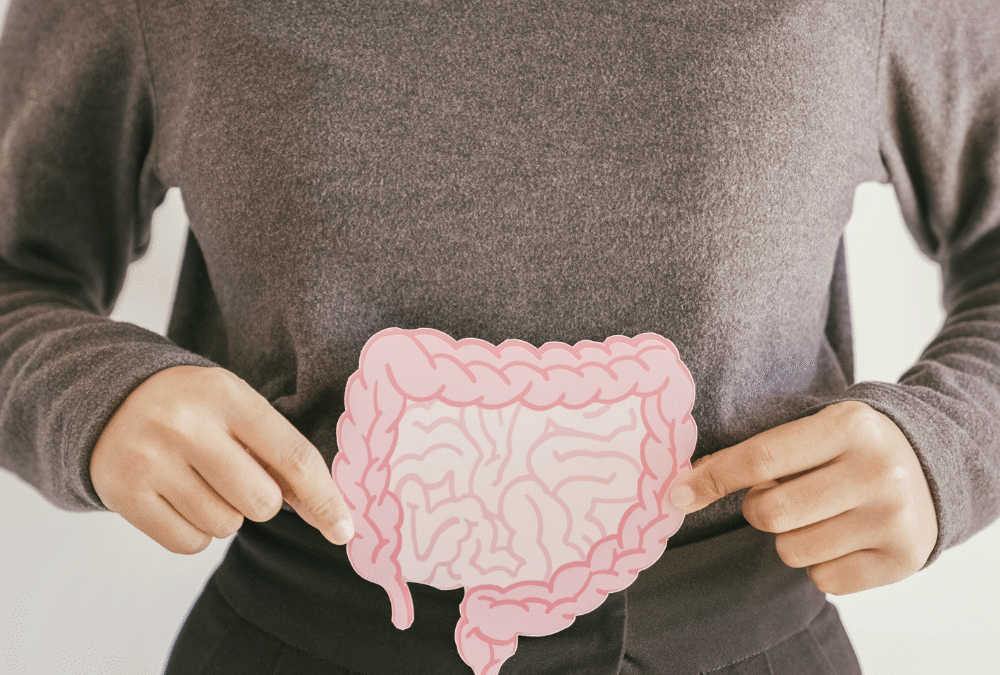
Our gut microbiome, can significantly support healthy weight loss through its influence on GLP-1 production.

What Are GLP-1 Drugs verus our GLP-1 hormone ?

GLP-1 drugs mimic a hormone that your gut already makes called glucagon-like peptide-1 (GLP-1). This natural hormone:

  • Helps the pancreas release insulin when blood sugar is high
  • Slows down stomach emptying (so you feel full sooner and longer)
  • Suppresses appetite by acting on brain pathways.
  • Lowers glucagon (which otherwise raises blood sugar)

Given how GLP-1 drugs work (as listed above), it is obvious why they are popular treatments for diabetes and obesity.

While these drugs have their place in a persons weight loss journey, your gut microbiome, when healthy and nourished, can achieve similar effects without having to pay for expensive medication.

How Your Microbiome Influences GLP-1 and Weight Health

Your gut influences your eating habits and weight management through multiple biological routes, including:

  1. Short-chain fatty acids (SCFAs)
  2. The Prevotella-to-Bacteroides (P/B) ratio
  3. Secondary bile acids
  4. Lipopolysaccharides (LPS) 

Short-Chain Fatty Acids (SCFAs): Your Gut’s Hidden Hormone Hackers

When you eat food rich in soluble fiber (such as carrots, green beans, brussel sprouts, and sweet potatoes) the beneficial bacteria in your large intestine (colon) ferment them into compounds called short-chain fatty acids.  The 3 main ones include: acetatepropionate, and butyrate. All three stimulate GLP-1 production, but propionate stands out as the most potent for weight loss.

Propionate triggers GLP-1 release by binding to receptors on specialized hormone-secreting gut cells called L cells. These L cells are “smart sensors” that line our lower intestine. When they “taste” propionate, they respond by releasing GLP-1 into the bloodstream.

Knowing this, you might assume taking propionate supplements would boost GLP-1 but it’s not that simple. Propionate taken orally is quickly absorbed in the small intestine, never reaching the colon where it’s most needed. That’s why feeding the right gut bacteria with the right fibers such as inulin remains the most effective approach at supporting propionate.

The Prevotella/Bacteroides Ratio: This Could Be The Reason Why Some People Lose Weight Faster Than Others

Ever wonder why two people can follow the same “healthy” diet but only one loses weight or one loses significantly more weight than the other person? The answer may lie in their Prevotella-to-Bacteroides ratio (P/B ratio). People with a Prevotella-dominant microbiome (high P/B ratio) tend to lose more weight on high-fiber, plant-based diets than those dominated by Bacteroides (low P/B ratio).

To clarify, Prevotella is a bacteria species that thrives on complex carbohydrates and fibers, produces SCFAs like propionate and acetate that boost GLP-1 and helps improve satiety. Bacteroides, on the other hand, are more common in western-style diets which are high in fat and animal protein, they specialize in breaking down proteins and fats, yielding fewer beneficial SCFAs.

Why a High P/B Ratio Promotes Weight Loss

  1. Superior Fiber Fermentation
    Prevotella species efficiently break down resistant starches, pectins, and β-glucans, generating more propionate which is the same GLP-1-boosting metabolite discussed earlier.
  2. Reduced Energy Harvest
    Prevotella-driven fermentation tends to produce metabolites that are linked to lower energy extraction efficiency, which means fewer calories are being absorbed from the same amount of food. People with high amounts of Bacteroides  may derive more usable calories from more high protein/fat diets, reducing weight loss potential under high-fiber dietary interventions.

How to Cultivate the “Lean Prevotella-Propionate Axis”

  • Increase soluble fiber intake: Prioritize inulin, resistant starches, pectins, arabinoxylans, and β-glucans.
  • Add prebiotics that enrich propionate producers: Incorporate foods like rye, barley, legumes, and Jerusalem artichoke (rich in FOS and inulin).
  • Balance protein intake: Too much animal protein promotes proteolytic fermentation; so to avoid this combine moderate protein with complex carbs and fiber.
  • Avoid broad-spectrum antibiotics when unnecessary: These can deplete anaerobic propionate producers and with less propionate comes more hunger and difficulty losing weight.
  • Limit ultra-processed foods and excessive saturated fats: These favor Bacteroides dominance and reduce SCFA diversity.
  • Encourage cross-feeding: Combine fermented foods (rich in Lactobacillus) such as sour dough bread, yoghurt, kefir, sauerkraut and kimchi with high fiber foods such as fruits and vegetables to support bacteria like Veillonella which helps to convert lactate into propionate. 

Rethinking the Weight-Loss Narrative

Weight loss has long been framed as a battle of willpower, calories, and hormones. But the truth is, it’s also a story of our gut microbiome including the types and levels of bacteria in our gut.

Your gut microbiome is an active participant in how your body senses food, regulates hunger, stores fat, and generates energy. While GLP-1 drugs may have given medicine a revolutionary tool, they are, in essence, imitating what a healthy gut has done for millennia.

So perhaps the next frontier of sustainable weight management isn’t just about stronger drugs or stricter diets. It is about restoring a healthy gut environment that keeps our biology in rhythm. Because when your gut bacteria thrive, your metabolism listens which ultimately supports a healty weight or goal for healthy weight loss .

If you are interested in you or your client having a gut microbiome test completed then we offer a comprehensive deep gut test.

If you want to assess your natural GLP-1 regulators including Akkermansia, propionate, short chain fatty acids including acetatepropionate, and butyrate to see if this is the missing link to achieving your weight loss goals. Then please reach out to us today!

Here is an example of the test results and what is covered.

The Best Alcohol and Alcoholic Drinks for Weight Loss: A Smart Drinker’s Guide

The Best Alcohol and Alcoholic Drinks for Weight Loss: A Smart Drinker’s Guide

A variety of protein powder and shakes.

Trying to lose weight but still want to enjoy a drink now and then? You’re not alone. Alcohol is a staple in many social settings—but it’s also infamous for sabotaging fitness goals.

The truth is: you don’t have to completely give up alcohol to lose weight. But you do need to be smart about what (and how) you drink.

This guide breaks down:

  • How alcohol impacts weight loss
  • The best alcohol choices for fat loss
  • Low-calorie cocktails you can enjoy guilt-free
  • Practical tips for drinking smarter

Let’s dive in!

How Alcohol Impacts Weight Loss

  1. Empty Calories

Alcohol provides 7 calories per gram, almost as much as fat—but with zero nutrients. That’s why it’s called “empty calories.”

  1. Slowed Fat Burning

When you drink, your body pauses fat-burning to metabolize alcohol first (Siler et al., 1999). Translation? Fewer calories burned from food or stored fat.

  1. Increased Appetite

Alcohol increases hunger and cravings—especially for high-calorie, salty, or sugary foods (Caton et al., 2004). It also lowers inhibition, which leads to poorer food choices.

  1. Sleep Disruption

Even moderate drinking can impair REM sleep and overall sleep quality (Roehrs & Roth, 2001). Poor sleep impacts metabolism, hormone balance, and appetite the next day.

Best Alcohol for Weight Loss (Ranked)

When you’re trying to shed pounds, some drinks are better than others. Here are your best options.

1. Straight Spirits (No Mixers)

  • Examples: Vodka, gin, tequila, whiskey
  • Calories: ~95–105 per 1.5 oz
  • Best mixers: Soda water, lime, zero-calorie mixers

Tip: Clear liquors like vodka and gin have fewer congeners than dark liquors like bourbon—fewer toxins, fewer hangovers.

2. Dry Wine (Red or White)

  • Calories: ~110–125 per 5 oz
  • Low in sugar when labeled “dry”
  • Best picks: Pinot Noir, Sauvignon Blanc, Cabernet, Brut Champagne

Avoid: Dessert wines (Port, Moscato) and anything labeled “sweet” or “semi-sweet.”

3. Light or Low-Carb Beer

  • Calories: ~90–110 per 12 oz
  • Carbs: As low as 2–5g
  • Best brands: Michelob Ultra, Corona Premier, Bud Light Next

Avoid: IPAs and craft brews—they’re calorie bombs in disguise.

4. Hard Seltzers

  • Calories: ~90–100 per can
  • Sugar: 0–2g
  • Alcohol: Usually 4–5%

Top choices: White Claw, Truly, High Noon (vodka-based), Topo Chico

Drinks to Avoid If You Want to Lose Weight

Drink Type Calories Why to Avoid
Margaritas 300–600+ Loaded with sugar, syrups, and liqueurs
Pina Coladas 450–800 Contains coconut cream + sugar
Daiquiris 350–700 Uses fruit concentrates + added sugar
Craft Cocktails 200–600 Unknown ingredients + sweet mixers
Regular Beer 150–250 High carb + high calorie
Sweet Wines 150–250 High sugar content (dessert wines)

Low-Calorie Cocktail Recipes

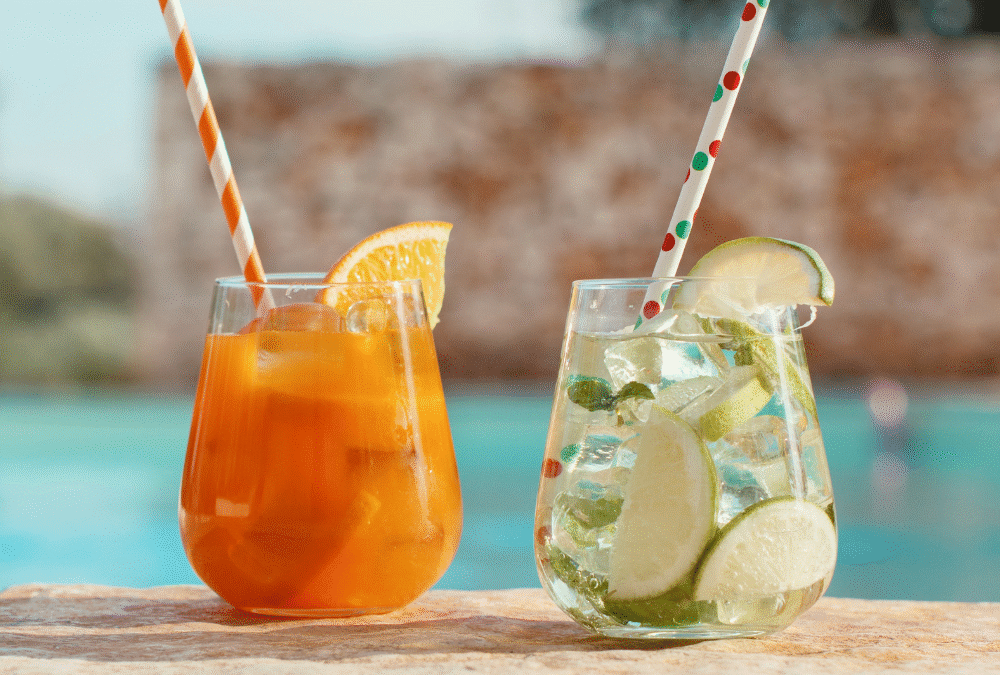
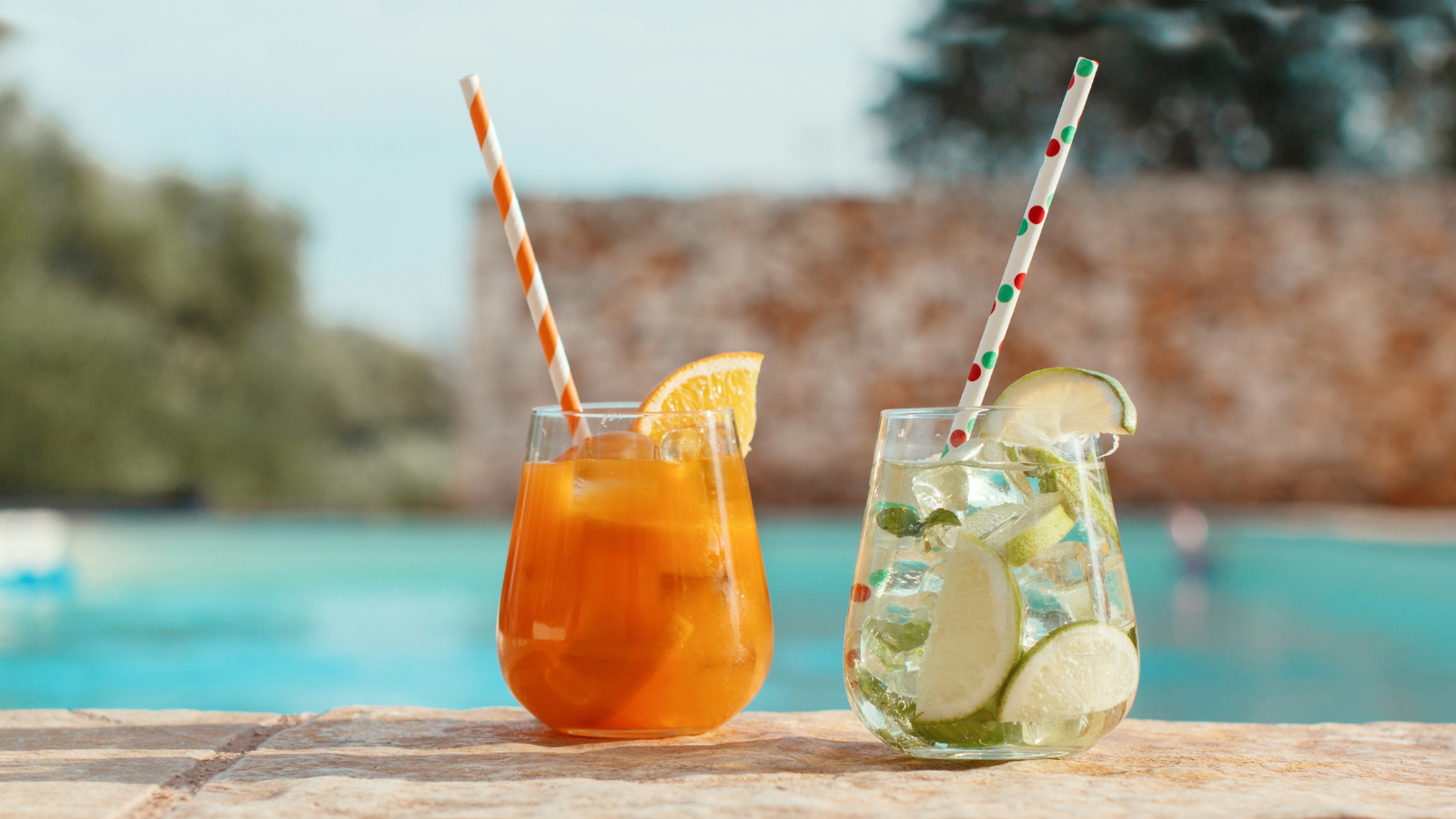
Skip the sugary cocktails and try these waistline-friendly alternatives:

  1. Vodka Soda with Lime
  • 1.5 oz vodka
  • Soda water
  • Fresh lime wedge
    ~95 calories
  1. Skinny Mojito
  • 1.5 oz white rum
  • Mint, lime juice, soda water
  • Optional: a drop of stevia
    ~100 calories
  1. Spiked Sparkling Water
  • Plain hard seltzer
  • Muddled berries or cucumber
    ~100–110 calories
  1. Low-Calorie Paloma
  • 1.5 oz tequila
  • 1 oz fresh grapefruit juice
  • Lime + soda water
    ~120 calories
  1. Red Wine Spritzer
  • 3 oz dry red wine
  • 3 oz sparkling water
  • Ice + orange twist
    ~80 calories

Smart Drinking Tips for Weight Loss

Set a Limit

Stick to 1 drink/day for women, 2 for men (CDC guidelines). More than that disrupts weight regulation.

Stay Hydrated

Alternate each drink with a glass of water to prevent dehydration and false hunger cues.

Eat Before Drinking

A protein- and fiber-rich meal reduces blood sugar spikes and slows alcohol absorption.

Log Your Drinks

Don’t forget to track alcohol in your calorie or macro tracker—it counts!

Choose Simple Mixers

Use soda water, fresh herbs, citrus, or stevia instead of juice, soda, or sugary syrups.

Can You Lose Weight While Drinking?

Yes—if you moderate your intake and choose wisely.

A meta-analysis from Obesity Reviews (Traversy & Chaput, 2015) found that light to moderate alcohol intake (1 drink/day or less) was not associated with long-term weight gain, but high consumption was.

So yes, you can enjoy a glass of wine or a clean cocktail and still lose weight—as long as it fits into your overall calorie balance and lifestyle.

Final Thoughts

You don’t have to say goodbye to your favorite drink to reach your weight loss goals. By sticking to low-calorie, low-sugar options and keeping intake moderate, you can enjoy social occasions without derailing your progress.

So next time you raise a glass, make it a smart one.

References

  1. Siler, S. Q., Neese, R. A., & Hellerstein, M. K. (1999). De novo lipogenesis, lipid kinetics, and whole-body lipid balances in humans after acute alcohol consumption. The American Journal of Clinical Nutrition, 70(5), 928–936.
  2. Caton, S. J., Ball, M., & Ahern, A. (2004). The acute effect of alcohol on food intake in normal-weight and overweight women. Physiology & Behavior, 81(1), 51–58.
  3. Roehrs, T., & Roth, T. (2001). Sleep, sleepiness, and alcohol use. Alcohol Research & Health, 25(2), 101–109.
  4. Traversy, G., & Chaput, J. P. (2015). Alcohol consumption and obesity: An update. Current Obesity Reports, 4(1), 122–130.
Chia Pudding

Chia Pudding

Two Glasses with Detox Green Smoothie

Quick and easy, this is your breakfast of (busy) champions.

You can batch prep and keep it in jars in your fridge for 5-7 days.

Switch up your toppings each day for variety – grated apple & cinnamon today, raspberries and crushed nuts tomorrow!

Chia Pudding

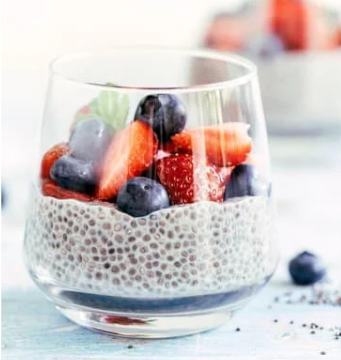
Looking for a great on-the-go breakfast idea? Try our Chia Pudding today!
Prep Time 30 minutes
Total Time 30 minutes
Servings 4

Ingredients
  

  • 1 1/2 cans Canned Coconut or Milk
  • 1 1/2 cups Water
  • 1/2 cup Chia Seeds
  • 2 tsp Vanilla Extract

Optional Toppings

  • Banana and Dark Chocolate Chips
  • Strawberries and Basil
  • Blueberries and Mint
  • Chopped Walnuts and Cinnamon 
  • Pineapple and Kiwi

Notes

Instructions
  1. Combine all ingredients in a large container.
  2. Refrigerate for at least one hour or until chia seeds have set.
  3. Stir well and divide into cups and containers if on-the-go.
  4. When ready to eat, add your choice of toppings and enjoy!

Sweet Potato & Pomegranate Salad

Sweet Potato & Pomegranate Salad

Two Glasses with Detox Green Smoothie

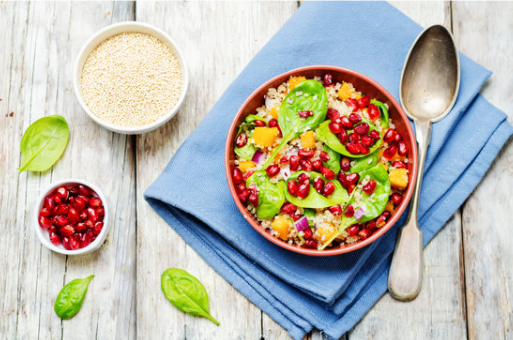
Check out our sweet potato and pomegranate salad loaded in antioxidants, protein, fiber and vitamin A.

Not only is this delicious but it has tons of health benefits and is a great option if you have a stomach ulcer as the nutrients in this recipe can help boost your immune system and support a healthy gut and gut lining.


Sweet potatoes are loaded with fiber and vitamin A. Vitamin A helps to stimulate the growth of the base layer of the skin, maintains skin integrity and promotes wound healing. This vitamin is also needed to enhance the activity of white blood cells and helps to protect tissues from infection.

Quinoa is a complete protein, which means it contains all the amino acids. Quinoa is gluten free so is easier on digestion and can minimise digestive issues for a lot of people. It is loaded with fiber, folate and magnesium. Quinoa contains several plant compounds that may benefit health in a number of ways. Two flavonoid plant compounds that have been particularly well studied are quercetin and kaempferol found in quinoa can help combat oxidative stress in the body and help fight off infections and disease. A 1-cup (185-gram) serving of cooked quinoa contains 5.18 grams of fiber. That’s about 18% of the current 28-gram DV

Pomegranate seeds are rich in antioxidants. The main bioactive compounds with antioxidant activity that are found in pomegranates are called punicalagins, anthocyanins, and hydrolysable tannins. Some human studies have found that consuming pomegranate juice can reduce markers of inflammation in the body. Both test-tube and human studies indicate that pomegranate may help fight inflammation and slow cancer cell growth. In fact, the fruit has demonstrated anti-tumor effects in cancers of the lung, breast, prostate, skin, and colon

Sweet Potato & Pomegranate Salad

Packed with antioxidants, fiber and loaded with vitamin A. Our sweet potato and pomegranate salad is a great nutritious option!
Prep Time 35 minutes

Ingredients
  

  • 2 Sweet Potato (cubed)
  • 1 tbsp Extra Virgin Olive Oil (divided)
  • 1/8 tsp Sea Salt (to taste)
  • 1 tbsp Lemon Juice
  • 2 cups Pomegranate Seeds
  • 1/2 cup Red Onion (diced)
  • 1 cup Quinoa (Cook qunioa in boiling water until fluffy)
  • 1/4 cup Basil Or Mint Leaves (chopped)

Instructions
 

  • Preheat the oven to 400°F (205°C). Toss the sweet potato with 1/3 of the oil and salt. Arrange on a baking sheet and bake in the oven for 30 minutes.
  • Cook quinoa in boiling water.
  • In a small bowl, whisk together the remaining oil and lemon juice.
  • Add the pomegranate seeds, red onion, and basil or mint to a large bowl. Add the sweet potato, quinoa and pour on the dressing. Mix well to coat. Season with additional salt if needed. Enjoy!

Notes

Nutrition (per serving)
Calories 313
Iron 3mg
Fat 7g
Carbs 56g
Vitamin E 2mg
Fiber 8g
Thiamine 0.2mg
Sugar 13g
Riboflavin 0.2mg
Protein 8g
Niacin 1mg
Cholesterol 0mg
Vitamin B6 0.4mg
Sodium 115mg
Folate 96µg
Potassium 678mg
Vitamin B12 0µg
Vitamin A 9548IU
Magnesium 104mg
Vitamin C 17mg
Zinc 2mg
Calcium 59mg
Selenium 4µg