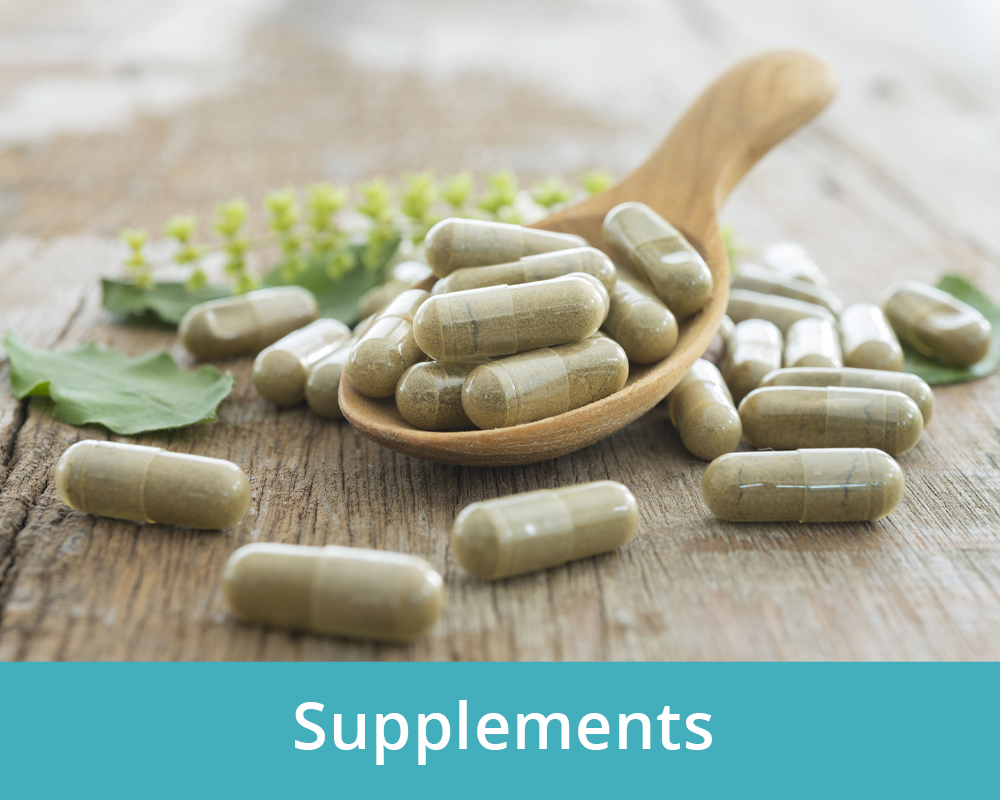
Is Ginseng Good For You?

Is Ginseng Good For You?

Detoxifying vegetables and fruits

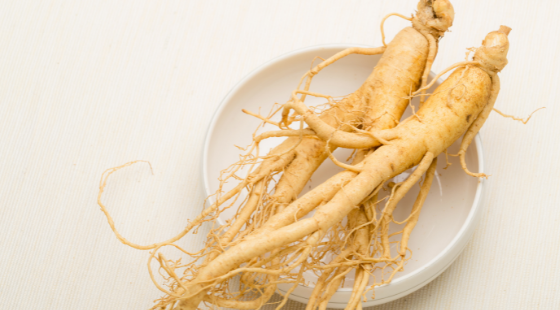
What is Ginseng?

For thousands of years, ginseng has been used in traditional medicine to treat a variety of conditions. Because of its health benefits, it has been gaining in popularity in Western societies, as a main stream therapeutic food.

Ginseng has been shown to help lower blood sugar, lower cholesterol, reduce the risk of cancer, reduce stress, boost energy, and even to help manage sexual dysfunction in men. It can be easily chewed or added to your favourite tea, soup, or smoothie.

Ginseng is a type of slow-growing perennial plant. Ginseng contains two significant compounds: ginsenosides and gintonin. These compounds complement one another to provide health benefits such as inhibiting inflammation and increasing antioxidant capacity in cells. (1) 

Various other plants are mistaken for the ginseng root! Don’t be fooled by Siberian ginseng (Eleutherococcus senticosus) and crown prince ginseng (Pseudostellaria heterophylla). These are not the ginseng plants discussed in this article. The true ginseng plants are those that belong to the Panax genus.

There are many different types of ginseng: but the most popular are American ginseng (Panax quinquefolius) and Asian ginseng (Panax ginseng). American and Asian ginseng vary in their concentration of active compounds and effects on the body. It is believed that American ginseng works as a relaxing agent, whereas the Asian variety has an invigorating effect (2, 3). 

But, what is ginseng good for?

Top 7 Health Benefits Of Ginseng

#1. Ginseng Helps To Lower Inflammation And Reduce Oxidative Stress

Ginseng, as well as many other herbs, have been shown to help lower inflammation and reduce oxidative stress in the body. Inflammation can create numerous health issues in the body including pain, headaches, cognitive problems, depression, anxiety and poor sleep.  Oxidative stress is when the body has too many free radicals circulating around the body and not enough antioxidants to combat this which results in damage to cells, tissues and organs.… Managing inflammation and oxidative stress are crucial in supporting a overall healthy body and brain (18). 

#2 Ginseng Improves Memory And Brain Function

The majority of people tend to have reduced ability to concentrate and remember things. In fact University of Denmark suggests the collective global attention span is narrowing due to the amount of information that is presented to the public and with reduced attention span there is more difficulty with memory. Ginseng has neuroprotective properties to help support healthy brain function! In fact, studies have shown that people who consume ginseng on a daily basis have improved memory quality and secondary memory (5). A 2016 study on the effects of Korean red ginseng on cognitive function in patients with Alzheimer’s disease with a median age of 75 years old provided the patients 4.5 grams of Korean red ginseng per day. After 12 weeks taking ginseng, the study showed that it helped to improve frontal brain lobe function (14).

For more strategies on improving memory, we’ve shared our Top 10 Brain Boosting Foods and tips for Improving Your Memory Through Nutrition.

#3. Ginseng Improves Erectile Dysfunction

Research has shown that ginseng may be a useful alternative for the treatment of erectile dysfunction (ED) in men (6). Ongoing life stressors, toxins in our environment, hormone disruptions, and mental health concerns can all be contributing to problems in the bedroom. It seems that compounds in ginseng may protect against oxidative stress in blood vessels and tissues in the penis and help restore normal function (8).

One study found that men treated with Korean red ginseng had a 60% improvement in ED symptoms, compared to 30% improvement produced by a medication used to treat ED (9). Ginseng has been shown to raise testosterone levels, which is the hormone responsible for sex drive. This has been helpful in both male and female populations.

For more on improve sex drive and sexual dysfunction we’re written about our Top 5 Foods To Boost Your Libido and the Top 10 Health Benefits of Sex.

#4. Ginseng Can Help With Cancer

The recent stats show that 1 in 2 Canadians will get some form of cancer in their lifetime. So, anything we can do to help prevent or lower the risk of this occurring is important. Ginseng is one of many therapeutic foods that has been shown to support cancer prevention. A review of several studies concluded that people who take ginseng may have a 16% lower risk of developing cancer (10).

Ginseng may also help improve the health of patients undergoing chemotherapy by reducing side effects and enhancing the effect of some treatment drugs (16).

If you’re interested in learning more about nutrition and cancer you can check out our article listing 5 Nutrition Strategies For Cancer Prevention or our Top 6 Cancer Preventative Foods.

#5. Ginseng Boosts Energy Levels

We all need a pick me up now and again… and ginseng might just be the answer! Ginseng may help to  boost physical and mental energy in people who feel weak and tired. One study of 21 men and 69 women found that ginseng showed good results in helping people with chronic fatigue (11).

#6. Ginseng Supports Flu Prevention

We all know the importance of preventing the flu and other respiratory viruses, and ensuring strong and healthy lungs. Research on the effects of ginseng in mice suggests a possible link between ginseng and the treatment and prevention of influenza and respiratory syncytial virus (RSV) (12).

Another study also identified that red ginseng extract could help improve the survival of the cells that line the lungs that are infected with the influenza virus (13). Early evidence indicates that ginseng extract could enhance the effect of vaccinations against diseases like influenza, as well (15).

For more on supporting the immune system, we’ve written the following:

#7. Ginseng Assists with Balancing Blood Sugar Levels

Studies suggest that ginseng may help lower blood sugar and assist in the treatment of diabetes. Ginsenosides may affect insulin production in the pancreas and improve insulin resistance using other mechanisms.

One study showed taking 6 grams of Korean red ginseng for 12 weeks, along with the usual anti-diabetic medication or diet, in individuals with type 2 diabetes not only enabled participants to maintain balanced blood sugar levels, but they also had an 11% decrease in blood sugar levels, a 38% decrease in fasting insulin and a 33% increase in insulin sensitivity (17).  

Ginseng Risks

When planning to use ginseng, it’s important to make sure you find a legitimate supplier, as many online companies sell supplements that aren’t authentic, helpful, or effective.

Summary

So, whether you incorporate a ginseng tea into your morning routine, cut up some ginseng and put in your smoothies, or find a supplement that is right for you, your body and brain may love you for it!

References: 
1. https://pubmed.ncbi.nlm.nih.gov/24122014/ 
2. https://pubmed.ncbi.nlm.nih.gov/24467543/ 
3. https://pubmed.ncbi.nlm.nih.gov/23717099/ 
4. https://www.ncbi.nlm.nih.gov/pmc/articles/PMC3659583 
5. https://www.salubrainous.com/ginseng-for-memory/ 
6. https://pubmed.ncbi.nlm.nih.gov/16855773/ 
7. https://pubmed.ncbi.nlm.nih.gov/24458001/ 
8. https://pubmed.ncbi.nlm.nih.gov/15005641/ 
9. https://pubmed.ncbi.nlm.nih.gov/8750052/ 
10. https://pubmed.ncbi.nlm.nih.gov/27616903/ 
11. https://pubmed.ncbi.nlm.nih.gov/23613825/ 
12. https://www.ncbi.nlm.nih.gov/pmc/articles/PMC4072342/ 
13. https://www.ncbi.nlm.nih.gov/pmc/articles/PMC3297520/ 
14. https://www.liebertpub.com/doi/abs/10.1089/acm.2015.0265?journalCode=acm& 
15. https://pubmed.ncbi.nlm.nih.gov/8879982/ 
16. https://pubmed.ncbi.nlm.nih.gov/25347695/ 
17. https://pubmed.ncbi.nlm.nih.gov/16860976/ 
18. https://pubmed.ncbi.nlm.nih.gov/24814037/ 


Glazed Mushroom and Edamame Stir Fry

Glazed Mushroom and Edamame Stir Fry

Two Glasses with Detox Green Smoothie

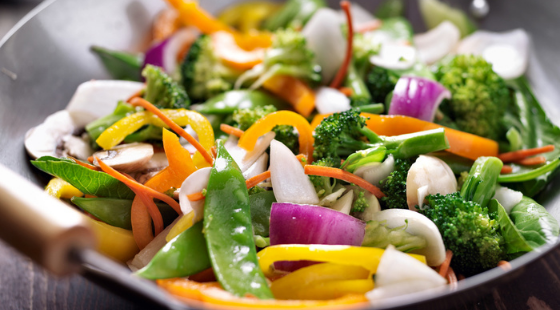
This vibrant dish is a wonderful plant-based meal providing you with the nutrients needed to support your mental health!

Filled with vibrant vegetables and bold flavours, it is the perfect staple recipe! 

Edamame is a type of soybean with a nutritional profile built to support your mental health. Edamame has a low glycemic index, meaning that when consumed it does not spike your blood sugars. This is an important quality when it comes to your mood, as fluctuating blood sugar levels have been shown to have negative impacts on one’s mood. Individuals diagnosed with diabetes, who typically have fluctuating blood sugar levels, are at a higher risk of being diagnosed with a mood disorder such as depression or anxiety (1).

Mushrooms are believed to provide a plant-based source of vitamin D. While vitamin D can be produced in the body when our skin is exposed to sun, the limited hours of sun exposure during the winter months make dietary sources of vitamin D important. Low levels of vitamin D is correlated with mood disorders such as anxiety and depression (2). Vitamin D supplementation has been shown to decrease depression and anxiety symptoms (3). While mushrooms provide a good source of dietary vitamin D, protective against poor mood, it is important to ensure that they were grown in sunlight for optimal vitamin D levels (4).

Ginger is used to enhance the flavours of this dish. Ginger’s known benefits include containing high levels of antioxidants to fight oxidative stress and protect against cell damage. Recently, animal models have shown promise that ginger may be effective at reducing anxiety symptoms (5), giving it potential to support mood in humans.

References: 

  1. Li, C., Barker, L., Ford, E., Zhang, X., Strine, T., & Mokdad, A. (2008). Diabetes and anxiety in US adults: findings from the 2006 behavioural risk facto surveillance system. Diabetic Medicine, 25(7), 878-881. doi: 10.111/j.1464-5491.2008.02477.x 
  2. Bicikova, M., Duskova, M., Vitku, J., Kalvachova, B., Ripova, D., Mohr, P., & Starka, L. (2015). Vitamin D in anxiety and affective disorders. Physiology Research, 64(2), 101-103. doi: 10.33549/physiolres.933082 
  3. Byrn, M., Adams, W., Emanuele, M., Mumby, P., Kouba, J., & Wallis, D. (2017). Vitamin D Supplementation Improves Mood in Women with Type 2 Diabetes. Journal of Diabetes Research, 2017, 1-11. doi: 10.1155/2017/823863. 
  4. Cardwell, G., Bornman, J., James, A., & Black, L. (2018). A Review of Mushrooms as a Potential Source of Dietary Vitamin D. Nutrients, 10(10), 1498. doi: 10.3390/nu10101498.
  5. Fadaki, F., Modaresi, M., & Sajjadian, I. (2017). The effects of ginger extract and diazepam on anxiety reduction in animal model. Indian Journal of Pharmaceutical Education and Research, 51(3), 159-162. doi: 10.5530/ijper.51.3s.4

Glazed Mushroom and Edamame Stir Fry

This vibrant dish is a wonderful plant-based meal providing you with the nutrients needed to support your mental health! Filled with vibrant vegetables and bold flavours, it is the perfect staple recipe!
Prep Time 5 minutes
Cook Time 15 minutes
Total Time 20 minutes
Servings 2 servings

Ingredients
  

  • tsps Sesame Oil
  • 10 Cremini Mushrooms sliced
  • ½ Red Onion small chunks
  • ½ Yellow Pepper sliced
  • 1 cup Broccoli Florets
  • ½ cup Carrots julienned
  • 2 cups Edamame in Pod can substitute snow or snap peas
  • 2 tbsps Water
  • 2 tbsps Coconut Aminos
  • 1 tbsp Ginger fresh, finely grated
  • 3 cloves Garlic minced
  • 1 tsp Dried Basil
  • pinch Red Pepper Flakes optional

Instructions
 

  • Heat sesame oil in a large pan or skillet over medium-high heat.
  • Add mushrooms and onions to the pan, cooking for 3 to 5 minutes or until the mushrooms and onions have started to soften.
  • Add sliced peppers, broccoli and carrots stirring to combine. Continue to cook, stirring frequently, for another 3 minutes.
  • Add in edamame and cook for 2 to 3 minutes or until the edamame has warmed through.
  • While the edamame is cooking, combine the water, coconut aminos, ginger, garlic and spices in a small bowl.
  • Add the ginger-garlic sauce to the pan. Stir to combine for 2 to 3 minutes more until all ingredients are well coated and sauce has reduced.
  • When the stir fry is fully cooked, remove from heat and divide evenly onto serving plates. Enjoy!

Notes

Nutritional information per serving:
Calories: 352
Carbs: 42g
Fibre: 18g
Sugar: 14g
Protein: 23g
Fat: 12g

Apple Berry Crisp

Apple Berry Crisp

Two Glasses with Detox Green Smoothie

Whether you’re looking to impress your dinner guests, enjoy a sweet treat yourself, or bake up a special weekend breakfast – this apple berry crisp is sure to do the trick!

Satisfying your sweet tooth while avoiding refined sugars can be challenging, but this crisp is an excellent option as it uses maple syrup in place of refined sugar.

It is, however, important to remember that foods high in naturally occurring sugar such as maple syrup need not be added to the diet, but can be used as a healthier alternative to refined sugars to replace your current sugar intake.

But why is avoiding refined sugar so important?

Well, for one reason, refined sugar can have a big impact on our mood. Consuming refined sugars, such as cane sugar, leads to large peaks and dips in our blood sugar levels. Evidence suggests that these fluctuating levels impacts our mood, including symptoms of depression and anxiety. In fact, research shows that individuals with diabetes are 20% more likely to be diagnosed with anxiety compared to healthy controls (1). For more on replacing refined sugars in your diet, check out our article on sugar alternatives.

However, when we consume natural sugars, such as those found in fruits, we do not get the same fluctuations in our blood sugar. Additionally, when eating fruit, we also get fibre, vitamins, and other nutrients not found in sources of refined sugar. For example, raspberries are filled with many antioxidants which fight oxidative stress in our body (2). Fighting oxidative stress is important to prevent cellular damage that leads to disease.

This recipe also contains almonds, which is a good ingredient for modulating blood sugar. Almonds are high in magnesium which, when used as a supplement, has been shown to lower blood sugar levels and improve insulin function (3). Plus, the contain healthy fats, protein, and fibre – all of which assist with blood sugar balance, and helping you feel satisfied by your meal!

Extra tip: If you want to boost the protein in this dish, you can add a bit of vanilla protein powder or an unflavoured collagen powder, along with a little extra coconut oil to avoid the crisp becoming too dry.

References: 
1. Li, C., Barker, L., Ford, E., Zhang, X., Strine, T., & Mokdad, A. (2008). Diabetes and anxiety in US adults: findings from the 2006 behavioural risk facto surveillance system. Diabetic Medicine, 25(7), 878-881. doi: 10.111/j.1464-5491.2008.02477.x

2. Skrovankova, S., Sumczynski, D., Micek, J., Jurikova, T., & Sochor, J. (2015). Bioactive Compounds and Antioxidant Activity in Different Types of Berries. International Journal of Molecular Science, 16(10), 24673-24706. doi: 10.3390/ijms161024673

3. Guerrero-Romero, F., & Rodriguez-Moran, M. (2011). Magnesium improves the beta-cell functioni to compensate cariatioin of insulin sensitivity: double-blind, randomized clinical trial. European Journal of Clinical Investigations, 41(4), 405-410. doi: 10.1111/j.1365-2362.2010.02422.x.


Apple Berry Crisp

Whether you’re looking to impress your dinner guests, enjoy a sweet treat yourself, or bake up a special weekend breakfast – this apple berry crisp is sure to do the trick!
Prep Time 5 minutes
Cook Time 25 minutes
Total Time 30 minutes
Servings 2 servings

Ingredients
  

  • ½ cup Raspberries or berry of choice
  • 1 Tart Apple chopped
  • 2 tsps Cinnamon divided
  • pinch Nutmeg
  • 1 tbsp Coconut Oil
  • ¼ cup Pecans chopped
  • ¼ cup Almonds slivered or chopped
  • 3 tbsps Almond Flour
  • 1 tbsp Maple Syrup
  • 2 tbsp Flaked Coconut to garnish (optional)

Instructions
 

  • Preheat oven to 350ºF (175ºC).
  • Combine apples and berries in a small baking dish. Sprinkle with half of the cinnamon and top with coconut oil. Set aside.
  • In a small bowl add the nuts, almond flour, maple syrup, nutmeg and the rest of the cinnamon. Mix with a fork or whisk together until well combined. Spread this crumble mixture evenly over the fruit. Place in the oven.
  • Bake for 25 to 30 minutes or until golden brown. Add flaked coconut, if using, for the last 5 minutes of baking to lightly toast. Remove from the oven and cool slightly.
  • Divide evenly between bowls and enjoy!

Notes

Nutritional information per serving:
Calories: 426
Carbs: 32g
Fibre: 10g
Sugar: 17g
Protein: 8g
Fat: 32g

Nutrition Tips To Manage Feelings Of Anxiety With Return To Work Or School

Nutrition Tips To Manage Feelings Of Anxiety With Return To Work Or School

Detoxifying vegetables and fruits

The COVID-19 global pandemic changed how life looked for most of us. Hours spent stuck in traffic, packing lunches, and long days at work or school quickly turned into working or learning remotely, snacking on the couch, and more time spent at home with the family. These changes brought on unique stressors of their own which challenged us to adapt and pivot. It has been over a year and half since the first lockdown began, and we are now in a position to adjust again to reintegrating back to school and work, potentially in new ways, or just adjusting to getting back after being off for so long.

While some of these changes may feel exciting, other changes are likely bringing feelings of apprehension for many of us. After growing accustomed to remote learning and working, beginning to join our peers and colleagues at school and work once again, comes with unique stressors that may lead to increased feelings of anxiety. 

The following nutrition tips will focus on how to best cope with these feelings of anxiety by adjusting what we put into our body. It is important to note that experiencing feelings of anxiety is different than living with an anxiety disorder, where these feelings are prolonged and intensified. In this case it is always recommended to seek assistance from an appropriate medical professional such as a naturopathic doctor, your family doctor, and/or an experienced mental health professional. 

Get More Vitamin D

Vitamin D is famously known as the “sunshine vitamin”. This is because when our skin is exposed to sunlight, vitamin D is produced naturally by our bodies. However, you can also get vitamin D through certain foods and supplementation. This is important to consider when living in the northern hemisphere where the access to sunlight is significantly reduced, especially as we enter into the winter months. 

Deficient levels of vitamin D are well correlated with symptoms of depression, but more research is showing insufficient vitamin D levels are correlated with individuals with anxiety disorders (1) as well as with fibromyalgia patients with increased anxiety symptoms (2). More recently, researchers have tested vitamin D as a supplement for supporting anxiety symptoms, with positive results. Women with type 2 diabetes who demonstrated significant anxiety symptoms were provided with weekly vitamin D supplementation for six months. Outcome measures showed a significant decrease in anxiety symptoms, suggesting that vitamin D supplementation can improve mood (3)!  

A reliable source of vitamin D is from oily fish such as salmon, mackerel, and sardines! Our brand-new recipe for one pot Mediterranean mackerel pasta is an excellent option get your vitamin D. For individuals looking for non-animal options for vitamin D, mushrooms can also be a good source, (4). If you’re looking for a new mushroom recipe, take a look at our Glazed Mushroom and Edamame Stir Fry

But despite your best effort vitamin D is hard to get from food sources alone and supplementation is highly recommended. Check out this great vitamin D supplement

Incorporate Omega-3 Fatty Acids In Your Diet

The brain, in particular, is highly concentrated in PUFAs including omega-3s. The brain uses omega-3s to help maintain the functioning of our brain cells. They surround our brain cells to help preserve cell membranes and improve communication between cells (5). When communication between our brain cells is optimized it positively impacts both our thinking skills as well as our mood. Research that demonstrated that reduced dietary intake of omega 3 was associated with an increase in depression and anxiety disorders (6). 

With the marked association between Omega 3 and mood disorders. A systematic review examined 19 clinical trials who used omega-3 supplementation with individuals with clinical anxiety symptomology, the omega-3 supplementation significant improved anxiety symptoms (7).

How can you make sure that you’re consuming sufficient levels of omega-3s?

The most abundant sources of omega-3s are fatty fish including salmon, sardines, mackerel, and herring. Check out Smoked Salmon and Avocado Toast recipe as a fun way to get more salmon into your breakfast! Given that these fish are such rich sources of omega-3s, many supplements are derived from fish oils. However, for plant-based options, flax and chia seeds are high sources of omega-3s that can be incorporated into your diet. 

Load Up On B-Vitamins

The B-complex is actually a group of water-soluble B-vitamins, meaning that your body does not store these vitamins in fat tissue, therefore it gets used up in the body quickly. The B-complex includes a list of well-known vitamins such as thiamine, riboflavin, niacin, folate, and more. These individual vitamins have been grouped into the B-complex as they are commonly found together in similar foods and often rely on each other for optimal performance in the body. Evidence suggests B-complex supplementation can assist in managing mood, including anxiety symptoms.

In a recent study on over 7000 adults, the relationship between B-vitamin intake and anxiety-symptoms was examined. Researchers found that a higher intake of B-vitamins was correlated with lower odds of anxiety (8). A separate study explored the effect of supplementation of B-vitamins in combination with Ashwagandha, on anxiety symptoms in adult women. It was found that after four weeks of supplementation, anxiety symptoms, measured both by self-report questionnaires and physiological responses (i.e. heart rate), were reduced (9).

The B vitamins are commonly found together in food, meaning that you shouldn’t have to focus on incorporating multiple food sources to get all of your B-vitamins in! Leafy greens, including spinach and kale are high in B-vitamins, particularly folate. Eggs are also a good source of B-vitamins, including biotin! Check out Quinoa Kale and Fritter recipe which contains both of these ingredients to bump up your B-vitamin intake! 

Drink your Chamomile Tea

Chamomile is one the most well-recognized herbs in the world. It has been used for thousands of years in traditional medicine to calm anxiety and anxiety-related symptoms, such as upset stomach. Most commonly, chamomile is consumed as a tea, best had before bed due to its relaxing properties. 

Anxiety-related disorders have been associated with increased levels of inflammation in the brain. Neuroimaging demonstrated increased inflammation in anxiety-related areas of the brain, which correlated with anxiety behaviours (10). Chamomile is known to have anti-inflammatory effects. Specifically, research has demonstrated that chamomile actually inhibits the gene expression of molecules that increase inflammation, such as nitric oxide (11). Secondly, chamomile is also believed to provide calming effects through its modulation of neurotransmitters related to mood. For example, chamomile is able to bind to a neurotransmitter referred to as GABA, and when it does so, it leads to feelings of sleepiness (12). Chamomile, specifically its flavonoid compounds, down-regulate the HPA axis, resulting in reduced anxiety symptoms (13). 

With a better understanding of these mechanisms, it is evident why studies evaluating the long-term effects of chamomile on Generalized Anxiety Disorder (GAD), found positive results. Researchers found that 38 weeks of chamomile extract treatment significantly reduced moderate and severe symptoms of GAD (14). 

Eat Less Refined Sugar 

Lastly, it is important to mention the role refined sugar can play in triggering feelings of anxiety. There is a marked difference between refined sugars and natural sugars, such as those found in fruits. Natural sugars, when consumed in their whole food form, are digested slower and therefore do not result in large spikes and dips in your blood sugar levels. Natural sugars are also found in foods, such as fruits, which contain fibre and essential vitamins for our body. On the other hand, refined sugar, which typically comes from cane sugar goes through processing to extract the sugar and does not contain essential vitamins. Consumption of refined sugar leads to large spikes and dips in your blood sugar, which impacts mood stability. We’ve all been “hangry”, right?

The relationship between blood sugar and symptoms of anxiety has been exemplified by studies finding a correlation between diagnosis of diabetes and anxiety symptoms. One study examining this correlation found that adults with diabetes were 20% more likely to be diagnosed with anxiety compared to healthy controls (15). This evidence suggests that removing refined sugar from your diet is likely a smart strategy to help manage anxiety symptoms.

While individuals may find it difficult to cut out refined sugar from their diet, an effective strategy may be to find healthier replacement. Maple syrup is an option that fits this description and has been recently used in Koru’s Apple Berry Crisp recipe. It is important to note that adding maple syrup to your current diet is not recommended, but rather using this an alternative to the refined sugar you are currently consuming. For more on this topic, check out our article on best sugar alternatives.

In Summary

It isn’t uncommon to be experiencing feelings of anxiety during this challenging time. However, by supporting your body through your food choices, you have the power to better manage these feelings.

We hope you  find these nutrition tips helpful! If you feel you would benefit from more one-on-one support with adjusting your diet to support your mood, you can book an appointment with one of our clinicians here.

References

  1. Bicikova, M., Duskova, M., Vitku, J., Kalvachova, B., Ripova, D., Mohr, P., & Starka, L. (2015). Vitamin D in anxiety and affective disorders. Physiology Research, 64(2), 101-103. doi: 10.33549/physiolres.933082 
  2. Armstrong, D., Meenagh, G., Bickle, I., Lee, A., Curran, E., & Finch, M. (2007). Vitamin D deficiency is associated with anxiety and depression in fibromyalgia. Clinical Rheumatology, 26, 551-554. doi: 10.1007/s10067-006-0348-5
  3. Byrn, M., Adams, W., Emanuele, M., Mumby, P., Kouba, J., & Wallis, D. (2017). Vitamin D Supplementation Improves Mood in Women with Type 2 Diabetes. Journal of Diabetes Research, 2017, 1-11. doi: 10.1155/2017/823863. 
  4. Cardwell, G., Bornman, J., James, A., & Black, L. (2018). A Review of Mushrooms as a Potential Source of Dietary Vitamin D. Nutrients, 10(10), 1498. doi: 10.3390/nu10101498. 
  5. Dyall, S. (2015). Long-chain omega-3 fatty acids and the brain: a review of the independent and shared effects of EPA, DPA, and DHA. Frontiers in Aging Neuroscience, 7, 52. doi: 10.3389/fnagi.2015.00052
  6. Müller, C. P., Reichel, M., Mühle, C., Rhein, C., Gulbins, E., & Kornhuber, J. (2015). Brain membrane lipids in major depression and anxiety disorders. Biochemical Journal, 1851, 1052–1065. doi: 10.1016/j.bbalip.2014.12.014
  7. Su, K., Tseng, P., & Lin, P. (2018). Association of Use of Omega-3 Polyunsaturated Fatty Acids with Changes in Severity of Anxiety Symptoms. JAMA Network Open, 1(5), 1823-1827. doi: 10.1001/jamanetworkopen.2018.2327
  8. Mahdavifar, B., Hossseinzadeh, M., Salehi-Abargouei, A., Mirzaei, M., & Vafa, M. (2021). Dietary Intake of B vitamins and their association with depression, anxiety, and stress symptoms: A cross-sectional, population-based survey. Journal of Affective Disorders, 288(1), 92-98. doi: 10.1016/j.jad.2021.03.055
  9. Li, I. (2020). Stress & anxiety improvements with Ashwagandha and B-vitamins. University of Delaware, 2020. https://udspace.udel.edu/handle/19716/28420
  10. Felger, J. (2018). Imaging the Role of Inflammation in Mood and Anxiety-related Disorders. Current Neuropharmacology, 16(5), 533-558. doi: 10.2174/1570159X15666171123201142
  11. Bhaskaran, N., Shukla S., Srivastava, J., & Gupta, S. (2010). Chamomile, an anti-inflammatory agent inhibits inducible nitric oxide synthase expression by blocking RelA/p65 activity. International Journal of Molecular Medicine, 26(6), 935-940. doi: 10.3892/ijmm_00000545
  12. Amsterdam, J., Li, Q., Xie, S., & Mao, J. (2020). Putative Antidepressant Effect of Chamomile (Matricaria chamomilla L.) Oral Extract in Subjects with Comorbid Generalized Anxiety Disorder and Depression. Journal of Alternative and Complementary Medicine, 26(9), 813-819. doi: 10.1089/acm.2019.0252
  13. Keefe, J., Guo, W., Li, Q., Amsterdam, J., & Mao, J. (2018). An Exploratory Study of Salivary Cortisol Changes During Chamomile Extract Therapy of Moderate to Severe Generalized Anxiety Disorder. Journal of Psychiatric Research, 96. 189-195. doi: 10.1016/j.jpsychires.2017.10.011
  14. Mao, J., Xie, S., Keefe, J., Soeller, I., Li, Q., & Amsterdam, J. (2016). Long-term Chamomile (Matricaria chamomilla L.) treatment for generalized anxiety disorder: a randomized clinical trial. Phytomedicine, 23(14), 1735-1742. doi: 10.1016/j.phymed.2016.10.012
  15. Li, C., Barker, L., Ford, E., Zhang, X., Strine, T., & Mokdad, A. (2008). Diabetes and anxiety in US adults: findings from the 2006 behavioural risk facto surveillance system. Diabetic Medicine, 25(7), 878-881. doi: 10.111/j.1464-5491.2008.02477.x 

Grain-Free Mediterranean Mackerel Pasta

Grain-Free Mediterranean Mackerel Pasta

Two Glasses with Detox Green Smoothie

This Mediterranean Mackerel Pasta recipe is definitely a level-up to your regular pasta dish.

Taking only 20 minutes to prepare, it is the perfect way to spice up a busy evening! 

Plus, it’s full of health benefits!


Mackerel is a super-fish, containing many ingredients to support your mental health. Firstly, because it is an oily fish, it is high in omega-3 fatty acids. These fatty acids play an important role in supporting the function of your brain cells. By providing a protective coating for the brain cells, they protect the cell membrane and improve communication between cells (1). When our brain cells are protected and functioning efficiently, it has a positive impact on our mood. In fact, research shows that lower dietary intake of omega-3 fatty acids is associated with higher rates of anxiety and depression (2).

Mackerel is also a high source of vitamin D. Low levels of vitamin D are linked to mood disorders such as anxiety and depression. When used as a supplement, vitamin D has been shown to significantly decreases symptoms of depression and anxiety, suggesting that it is effective at improving mood (3). Therefore, because of its high levels of omega-3 fatty acids, and vitamin D, mackerel is a fantastic ingredient for protecting against mood challenges. 

This recipe uses extra virgin olive oil to prepare the mackerel, which is regarded as one of the healthiest fats to consume. This is because of number of antioxidants it contains, which fight against oxidative stress in the body (4). Protection against oxidative stress is important to prevent cell damage and subsequent disease and other health problems including mood disorders.

Plus, instead of regular refined wheat pasta, we’ve used chickpea pasta! This increases the amount of protein in the meal, contains more fibre as compared to wheat pasta, and as a result, helps to maintain healthy blood sugar levels – keeping you feeling fuller for longer!

References:

  1. Dyall, S. (2015). Long-chain omega-3 fatty acids and the brain: a review of the independent and shared effects of EPA, DPA, and DHA. Frontiers in Aging Neuroscience, 7, 52. doi: 10.3389/fnagi.2015.00052
  2. Müller, C. P., Reichel, M., Mühle, C., Rhein, C., Gulbins, E., & Kornhuber, J. (2015). Brain membrane lipids in major depression and anxiety disorders. Biochemical Journal, 1851, 1052–1065. doi: 10.1016/j.bbalip.2014.12.014
  3. Byrn, M., Adams, W., Emanuele, M., Mumby, P., Kouba, J., & Wallis, D. (2017). Vitamin D Supplementation Improves Mood in Women with Type 2 Diabetes. Journal of Diabetes Research, 2017, 1-11. doi: 10.1155/2017/823863. 
  4. Beauchamp, G., Keast, R., Morel, D., Lin, J., Pika, J., Han, Q., … & Breslin, P. (2005). Phytochemistry: ibuprofen-like activity in extra-virgin olive oil. Nature, 437(7055), 45-46. doi: 10.1038/437045a

Grain-Free Mediterranean Mackerel Pasta

This recipe is definitely a level-up to your regular pasta dish. Taking only 20 minutes to prepare, it is the perfect way to spice up a busy evening! 
Prep Time 5 minutes
Cook Time 15 minutes
Total Time 20 minutes

Ingredients
  

  • 9 ozs Chickpea Pasta
  • 8 cups Water
  • 2 tbsps Extra Virgin Olive Oil
  • 3 cloves Garlic sliced thin
  • pinch Cayenne
  • 4 ozs Canned Mackerel skinless, boneless
  • ½ cup Green Olives
  • Salt and Pepper to taste
  • ¼ cup Parsley finely chopped
  • ¼ cup Pine Nuts
  • Chili Flakes to taste (optional)
  • 1 tsp Lemon Zest to garnish (optional)

Instructions
 

  • In a large pot over high heat, bring water to a rolling boil.
  • Once the pot of water is boiling, add the pasta (we used linguine). Cook according to the package directions.
  • While keeping an eye on your pasta, in a large pan, heat oil over medium-low heat. Once warmed, add garlic and cook, stirring often, for one to two minutes until fragrant.
  • Add the mackerel and cayenne to the pan with the garlic. Stir until the mackerel is warmed through and well-coated. Add the olives to the pan to warm through, and season with salt and pepper to taste.
  • Strain the pasta and rinse. Add the pasta to the pan. Mix to combine.
  • Divide onto plates and top with parsley and pine nuts. Garnish with chili flakes and lemon zest, if using. Serve and enjoy!

Notes

Nutritional information per serving:
Calories: 253
Carbs: 15g
Fibre: 3g
Sugar: 2g
Protein: 13g
Fat: 16g