
What You Need To Know About Stomach Cancer

What You Need To Know About Stomach Cancer

Mental Health Gut Article

During their lifetime, nearly 1 in 2 Canadians will be diagnosed with cancer. On a positive note, cancer mortality rates are decreasing more than 2% per year in several different cancers including stomach cancer. (8)

The Canadian Cancer Statistics: A 2022 special report on cancer prevalence – was developed by the Canadian Cancer Statistics Advisory Committee in collaboration with CCS, Statistics Canada and the Public Health Agency of Canada. The report details that at the beginning of 2018, an estimated 1.5 million people alive in Canada had been diagnosed with cancer in the previous 25 years; approximately 60% of whom were diagnosed 5 to 25 years ago. This highlights the high number of people living long-term with or beyond cancer.

WHAT IS STOMACH CANCER?

The most common type of stomach cancer is called adenocarcinoma, and this accounts for 90-95% of all stomach cancers. Stomach cancer occurs when normally healthy cells that line with stomach become cancerous and grow out of control, forming a tumor. This process generally happens slowly and usually develops over many years.

WHAT ARE THE RISKS OF STOMACH CANCER?

  • Have a family history of gastric cancer
  • Have an infection of the stomach by a bacteria called Helicobacter pylori (H pylori)
  • Had a polyp (abnormal growth) larger than 2 centimeters in your stomach
  • Have inflammation and swelling of the stomach for a long time (chronic atrophic gastritis)
  • Have pernicious anemia (low number of red blood cells from intestines not properly absorbing vitamin B12)

Dietary/lifestyle risk factors include

  • Consume a lot of cured, smoked meats
  • Eat a lot of salty or processed foods
  • Eat meat frequently
  • Having a diet low in fruits and vegetables
  • Drink a lot of alcohol (at least three drinks per day) (1)
  • Don’t get enough exercise
  • Don’t store or cook food properly
  • Smoking

Certain ethnicities are at risk for the development of gastric adenocarcinoma. Japanese, Koreans, Vietnamese, Native Americans, and people of Pacific Island descent are at the greatest risk. In contrast, Filipinos and Caucasians are at the lowest risk.

STAGES OF STOMACH CANCER

The stage of stomach cancer indicates how far the cancer has spread in the body.

A lower number represents an earlier stage of cancer. While tumor growth and spread will vary, in general, each stage looks like:

  • Stage 0 – There are abnormal or cancerous cells in only the surface of the stomach lining, but the cancer hasn’t spread to the lymph nodes or other parts of the body.
  • Stage 1 – The tumor has extended into deeper layers of the stomach. The cancer may or may not have spread to one or two of the lymph nodes surrounding the stomach, but it hasn’t spread to other parts of the body.
  • Stage 2 – The tumor has reached deeper layers of the stomach, and the cancer has usually spread to the lymph nodes. It hasn’t spread to other parts of the body.
  • Stage 3 – The tumor has grown deeper into the layers of the stomach and possibly into nearby organs. The cancer has likely spread to the lymph nodes, but hasn’t reached distant parts of the body.
  • Stage 4 – The cancer may have reached deeper stomach layers or nearby lymph nodes, but this isn’t a requirement. At this stage, the cancer has spread to distant parts of the body such as the lungs, brain, or liver.

As long as the cancer hasn’t spread to distant parts of the body, it will be between stage 0 and 3. If it has spread to other areas, the diagnosis will be stage 4 stomach cancer.

WHAT CAN YOU DO TO PREVENT OR MANAGE STOMACH CANCER

The World Cancer Research Foundation in there 1997 report concluded that by making a few simple changes to your diet you could reduce the risk of cancer by 30-40%.

  1. Consume a Mediterranean Diet

People following a Mediterranean diet over a 4 year period compared to those that followed the American Heart Association diet showed a 61% reduction in cancer risk and half the risk of death. (2)

Click here for more information on the Mediterranean diet.

  1. Eat lots of Fruit and Vegetables

This is specifically so for cancers involving the digestive tract (mouth, stomach, pharynx, colon and rectum). Eating the rainbow ensures that you are getting all the different antioxidants and phytonutrients that can help boost the immune system and fight off cancer. A study has shown that consuming a carrot a day can cut your cancer risk by a third. (3)

  1. Eat Garlic

Garlic contains about 200 compounds many of which protect against cancer. A National Cancer Institute study found that provinces that used garlic liberally had the lowest rate of stomach cancers. (4) People who consume raw or cooked garlic regularly reduced their risk of stomach cancer by 50% and two thirds the risk of colorectal cancer compared to people who eat little or none. (5)

  1. Limit Red Meat and Eliminate Processed Meats

Red meat includes beef, bacon, pork, lamb, goat and processed meats which are meats that are preserved such as smoked, salted and cured or with added chemical preservatives in it. These meats have been linked to stomach cancer. Carcinogens are often formed by cooking meats at high temperatures or on the BBQ when it becomes blackened. Processed meats contain nitrates that damage DNA increasing the risk of cancer to develop. One study revealed that certain cancers such as stomach cancer was 45% less likely to occur in vegetarians. (6)

Ideally you should limit red meat consumption to 5 ½ ounces of red meat (equivalent to the size of the palm of your hand) twice a week.

  1. Eat Organic

Pesticides in contaminated foods can damage DNA and predispose a person to cancer. We understand organic food can make your grocery bill more expensive but the good news is that all foods do not need to be organic (although ideally it does if you have been diagnosed with cancer). The “dirty dozen” are the foods that have been identified as the most polluted and highly sprayed so it is best to buy organic for the following: peaches, apples, nectarines, strawberries, cherries and grapes, sweet bell peppers, celery, kale, lettuce, potatoes and carrots.

  1. Balance Blood Sugars

It is very important to balance blood sugar levels because when blood sugars drop, it raises the insulin-like growth factor. (IGF-1) These hormone have the ability to promote the growth of cancer cells. Eating foods high on the glycemic index has been linked to stomach cancers. (7)

So you need to make sure your meals are balanced with a ¼ plate containing a lean protein (such as chicken, fish or tofu), a ¼ plate of starchy vegetables or grains (such as quinoa, brown rice or sweet potato) and a ½ plate of non starchy vegetables (such as salad, asparagus, cauliflower or broccoli). It’s best to avoid sugars and refined grains as much as possible as cancer feeds on these.

  1. Maintaining Positive Emotions and Mindset

The more I research the more I see the power of emotions and mindset and the dramatic impact it has on our body both good and bad. Negative mindset weakens the immune system, increases the risk of infection and onset of disease.

A 2003 study published in the Journal of Proceedings of the National Academy of Sciences linked “negative” brain activity or thought patterns with a weakened immune system. One study followed 100,000 women over 8 years and found that optimists in the group were 23% less likely to die of cancer than those women who tended to have a general distrust in people.

Click here for strategies on how to improve your positive mindset.

  1. Manage Stress

Research has shown that cancer is frequently diagnosed in people who have major loss or traumatic events within the previous 2 years. Stress tends to impact cancer development quicker than those exposed to asbestos which can take up to 40 years to manifest. Stress rapidly weakens the immune system and subsequently our ability to fight and manage cancer cells, which we all have and for the most part our immune system is good at fighting off. But with chronic or intense stress this makes it harder for our immune system to do.

Stress dramatically suppresses the immune system in our gut which is the major gateway for carcinogens entering our body. Also 75% of our immune system is in our gut making it even more important to support healthy gut flora and functioning.

Click here to read an article with more detailed information on this topic.

SUMMARY

Cancer is scary and can rear it’s ugly head at any time. Taking a proactive approach is best but that usually occurs only when people have a family history of it or have seen a close one be diagnosed with cancer. There are so many ways through nutrition and lifestyle to help mitigate the risk of developing cancer and managing it. But you need to find the right approach for you and your cancer journey.

If you are interested in cancer preventative meals please check out our free 1 day cancer prevention meal plan or our 7 day cancer prevention meal plan for only $9.00.

References

  1. https://www.cancer.org/cancer/stomach-cancer/causes-risks-prevention/risk-factors.html
  2. De Lorgeril, et al “mediertanean dietary pattern in a randomised trial; Prolonged survival and possible reduced cancer rate” Archives of Internal medicine, 1998 June 8;158(11):1181-7
  3. Buijsse, et al., Plasma Carotene and alpha -tocopherol in relation to 10y all-cause and cause specific mortality in European elderly; The Survey in Europe on Nutrition and Elderly, A Concerted Action, American Journal of Clinical nutrition , 2005 Oct,;82 (4):879-86
  4. C. You, et al., “allium vegetables and reduced risk of stomach cancer” Journal of the National cancer Institute, 1989 Jan. 18;81 (2): 162-4
  5. T. Fleischauer, et al., Garlic consumption and cancer prevention: Meta analysis of colorectal and stomach cancers”, American Journal of Clinical Nutrition, 2000 Oct.;72 (4):1047-52
  6. Patrick Holford, “Say No To Cancer: The Drug Free guide to preventing and helping fight Cancer” 2010, Piartkus
  7. Bertuccio, et al., “Dietary Glycemic Load and Gastric Cancer Risk in Italy” British Journal of Cancer, 2009 Feb. 10;100 (3):558-61
  8. Government of Canada Cancer statistics


6 Nutrient Deficiencies That Could Be Causing Or Contributing To Your Depression

6 Nutrient Deficiencies That Could Be Causing Or Contributing To Your Depression

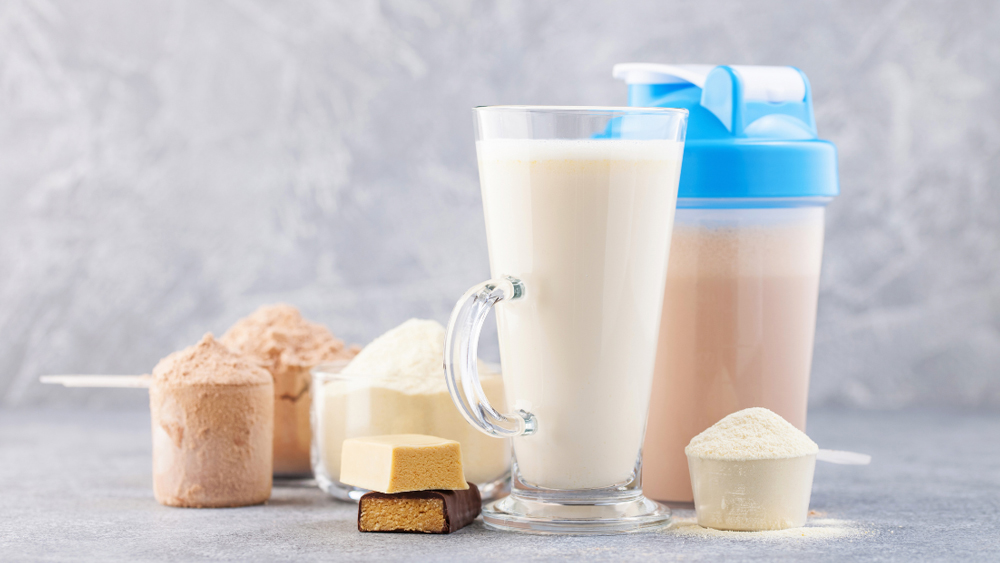
A variety of protein powder and shakes.

Everywhere I look these days people are struggling with depression and anxiety. Teenagers, mom’s, older people, even in young kids! Mental health was already reaching a crisis point prior to the pandemic, and following this it has become at an all-time high, even though life has gone back to (relative) normal. By 2030, experts report that major depressive disorder (MDD) will become the main contributor to disease burden globally, and The Lancet-World Psychiatric Association Commission on depression states that depression is already a global health crisis.

According to the World Health Organization (WHO) 5% of adults (300 million people) worldwide live with depression, but about 75% of people with depression don’t get the treatment they need. About half of individuals diagnosed with depression also have a history of one or more anxiety diagnoses. So often people are dealing with multiple mental health problems.

The first course of action is for people to go to their family doctor and be put on antidepressants. But those can often come with many side effects and do not always work effectively. There can be a number of underlying reasons for depression and these are rarely explored by your doctor. It is important that these should be looked at to determine potential underlying issues and subsequently the best treatment approach.


Vitamin and Mineral deficiencies can cause or contribute to depression

Vitamins and minerals, although needed in smaller amounts in the body, are crucial for our body and brain to function effectively. Research shows that deficiencies in vitamins B6, B12, folate, vitamin D, zinc and magnesium can all contribute to depression. Research also shows that low levels of B6, B12 and folic acid are excellent predictors of low mood.


Depression and Methylation

There is a process in our body called methylation, which is responsible for keeping thousands of neurotransmitters, hormones and other essential biochemicals in balance. Methylation is an important factor in determining your mood, motivation, concentration and ability to deal with stress. If you have problems with methylation this can contribute to high homocysteine levels.

Homocysteine is a toxic amino acid, so we always want to keep homocysteine levels in the body low. That’s where vitamins B12, B6 and folate come in. They help to break down homocysteine to create other chemicals your body needs. Without treatment, elevated homocysteine increases your risk of depression. Research shows that the higher your homocysteine levels the more likely you can feel depressed and demotivated. (1)

Studies have shown that over half of people with severe depression were found to have high homocysteine levels and high levels of homocysteine can double the risk of having depression. (1) High homocysteine levels are common in individuals with a folate or B12 deficiency and in those suffering from depression who have a poor response to anti-depressants. (2,3) So you may want to consider as part of your treatment to get blood work done and have your homocysteine levels as well as your B6 and B12 tested.


Folic Acid and Depression

Poor folic acid intake is found in up to 38% of people with diagnosed with depression and many notice improvements when they increase their intake of folic rich foods. (5) Folic acid is essential for nerve cell growth and maintenance as well personality and mood. Depressed patients who are folic acid deficient may be less responsive to antidepressant medications.

Research in men showed that men who had the highest blood levels of folic acid had half the risk of developing depression. (4) Another study of 15,000 people showed that the lower the persons folate levels in the blood the greater their risk of depression. (5)

Folic acid is found in dark leafy greens, nuts, seeds, and beans but is easily destroyed when food is cooked too long, reheated or cooked in large amounts of water such as boiling instead of the preferable method of light steaming.

Try our pesto baked eggs recipe which is loaded with folic acid as well as vitamin D.


Vitamin B6 and Depression

Vitamin B6 plays an important role in mood regulation. Several studies have shown that depressive symptoms are associated with low blood levels of B6 and a diet low in B6. (6) B6 is necessary for creating neurotransmitters that regulate emotions, including serotonin (that makes us happy), dopamine (that helps us feel motivation and the sense of pleasure) and gamma-aminobutyric acid (GABA) (that helps us feel calm and relaxed). Therefore, it plays a crucial role in managing our moods and feelings. (7)

Vitamin B6 may also play a role in decreasing high blood levels of the amino acid homocysteine, which have been linked to depression and other psychiatric issues. (8,9) Although the research doesn’t necessarily show that supplementing with B6 can help with depression, this might mean that a more collaborative approach of taking a B complex with B12 and folic acid might be a more effective strategy. It also gives you better bang for your buck in terms of cost with taking all the B vitamins at once.

Loaded in B6, Folic acid and zinc try this simple spinach scramble recipe.


Vitamin B12 and Depression

Researchers found that a decrease in the vitamin B12 levels in the blood correlates with an increase in depression and that high vitamin B12 status may be associated with better treatment outcomes of depression. (10) One possible connection is the effect of vitamin B12 on the levels of serotonin in your brain, in addition to other chemicals. B12 is an important nutrient needed in the methylation process. Vitamin B12 is naturally found in animal products so vegetarians, people with digestive disorders such as celiac disease or Crohn’s disease or people who have low stomach acid are more at risk of a deficiency. Stomach acid naturally diminishes as we age (over 40) so older people are also at greater risk of a B12 deficiency. For example, in a study of 700 elderly women, those with vitamin B12 deficiencies were twice as likely as others to be severely depressed. (11)

Vitamin B12 supplementation in conjunction with antidepressants has been shown significantly improve depressive symptoms. (12) So, this might be a great option to enhance the effects of your medication.

Looking for a delicious meal that is high in B12, try our classic beef roast recipe!


Vitamin D and Depression

There are Vitamin D receptors found in the areas of the brain that are linked to the development of depression. Canadian researchers reviewed 14 studies, consisting of over 31,000 participants and found a strong correlation between depression and a lack of Vitamin D. The lower the Vitamin D level, the greater the chance of depression. (14)

Vitamin D can be obtained through foods, but this is limited. Most of our vitamin D comes from the sun and our skin’s ability to make Vitamin D. For some individuals obtaining adequate amounts of vitamin D through exposure to UV light throughout the year is nearly impossible. The best way to get the vitamin D that you need is to supplement. Ideally it is best to get your vitamin D levels checked as you may require significant higher doses if you are low.

Ideally supplementing between 1000-3000 IUs a day is a good starting point. Try our delicious Vitamin D rich rosemary walnut crusted salmon recipe.


Zinc and Depression

Zinc is important for helping to balance blood sugars, stabilise your metabolism, and make serotonin. In one study low zinc levels in the blood were strongly linked with increased risk for depression and this might be one nutrient that you need to increase in your diet. (16)

One study showed that supplementing with 25 mg of zinc improved recovery in people with depression that did not respond to anti-depressants. (17) If you are low in zinc, you may experience frequent colds and flu, loss or diminished sense of smell and taste, lack of appetite and of course depression.

Loaded in zinc, try our yummy coconut yogurt clusters.


Magnesium

Magnesium helps to make serotonin which can help combat depression. Research shows that there is a significant link between low magnesium intake and depression in adults. (18)

Studies are also showing that over-the-counter magnesium may be a safe and effective way to treat mild to moderate depression and comparable to prescription SSRI treatments in effectiveness as well as for individuals that have not seen any improvements with taking antidepressants. One study showed that magnesium was just as effective as an anti-depressant in treating depression in diabetics with the added of bonus of not having any of the side effects of the antidepressants and in other studies it has shown that in conjunction with an antidepressant the benefits of the antidepressant was stronger. (19,20)

Food processing, taking antacids and diuretics, as well as caffeine, stress and alcohol can decrease our ability to absorb magnesium. Try our quick and easy broccoli mushroom fried quinoa recipe loaded in B6, magnesium, zinc and folic acid.


Summary

If you or your loved one struggles with depression, make sure you explore potential underlying causes of depression that could be contributing to your low mood. This might help provide you with better or more specific treatment options that can give you a lot of success in helping to boost your mood.

Make sure if you visit your doctor you get blood work to check vitamin B12, folic acid, B6, vitamin D, magnesium, and zinc. Increasing your intake of food high in these nutrients and possibly supplementing might help to give you that added boost to your mood and help get you out of that funk.

References

1. H. Tiemeier, et al. Vitamin B12, folate and homocysteine in depression: The Rotterdam study, American Journal of psychiatry, 2002:159 (12): 2099-101, T. Bottiglieri, et al., Homocysteine, folate, methylation and monamine metabolism in depression, Jounral of neurology, neurosurgery and psychiatry, 2000;69;228-32; M. Fava and T. Bottiglerri, et al Folate, vitamin B12 and homocysteine in major depressive disorder. American Journal of Psychiatry 1997;154;426-8

2. BMC Psychiatry. 2003;3:17–22. 16. Tiemeier H, vanTuijl HR, Hofman A, Meijer J, Kiliaan AJ, Breteler MM.

3. Vitamin B12 folate and homocysteine in depression the Rotterdam Study. Am J Psychiatry. 2002;159(12):2099–01. 17. Sachdev PS, Parslow RA, Lux O, et al. Relationship of homocysteine folic acid and vitamin B12 with depression in a middle aged community sample. Psychol Med. 2005;35(4):529–38.)

4. A. Nanri, et al., Serum folate and homocysteine and depressive symptoms among Japenese men and women, European Journal of Clinical Nutrition, March 2010;64 (2):289-96

5. S. Gilbody, et al., Is low folate a risk for depression? A meta-analysis and exploration of heterogeneity, Journal of Epidemiology and Community health, July 2007;61 (7): 631-7

6. https://pubmed.ncbi.nlm.nih.gov/15479988/ https://pubmed.ncbi.nlm.nih.gov/20519557/

7. https://lpi.oregonstate.edu/mic/vitamins/vitamin-B6 https://pubmed.ncbi.nlm.nih.gov/18494537/

8. https://pubmed.ncbi.nlm.nih.gov/17541043/

9. https://pubmed.ncbi.nlm.nih.gov/17729191/

10. https://pubmed.ncbi.nlm.nih.gov/15671130/

11. https://www.webmd.com/mental-health/guide-to-psychiatry-and-counseling.

12. https://www.ncbi.nlm.nih.gov/pmc/articles/PMC3856388/

13. Spedding, S. (2014). Vitamin D and Depression: A Systematic Review and Meta-Analysis Comparing Studies with and without Biological Flaws. Nutrients, 6(4), 1501–1518. doi: 10.3390/nu6041501

14. Department of Psychiatry and Behavioral Neurosciences, St Joseph’s Hospital, Hamilton, Ontario, Canada.

15. https://onlinelibrary.wiley.com/doi/full/10.1111/j.1365-2796.2008.02008.x,

16. Rafalo, A., Sowa-Kucma, M., Pochwat, B., Nowak, G., & Szewczyk, B. (2016). Zinc Deficiency and Depression. Nutritional Deficiency. doi: 10.5772/63210

17. M. Siwek, et al., Zinc supplementation augments efficacy of imipramine in treatment resistant patients: A double blind placebo controlled study, Journal of Affective Disorders, November 2009;118(1-3): 187-95, Department of Psychiatry, Jagiellonian University, Poland

18. Tarleton EK, Littenberg B. Magnesium intake and depression in adults. The Journal of the American Board of Family Medicine. 2015;28(2):249-256. doi:10.3122/jabfm.2015.02.140176

19. Tarleton EK, Littenberg B, MacLean CD, Kennedy AG, Daley C. Role of magnesium supplementation in the treatment of depression: A randomized clinical trial. Song Y, ed. PLoS ONE. 2017;12(6):e0180067. doi:10.1371/journal.pone.0180067

20. 1.Tarleton EK, Kennedy AG, Rose GL, Crocker A, Littenberg B. The association between serum magnesium levels and depression in an adult primary care population. Nutrients. 2019;11(7):1475. doi:10.3390/nu11071475

5 Weight Loss Hacks To Shed That Winter Weight Gain

5 Weight Loss Hacks To Shed That Winter Weight Gain

Mental Health Gut Article

Every year, weight loss is one of the top new year’s resolutions. But before you sign-up for that expensive gym membership, check out these 5 awesome weight loss hacks we’ve put together to help shed those winter lbs.

#1 DRINK LOTS OF WATER

Yeah, yeah – we all hear and know that we have to drink more water – but do we? And do we really know why drinking water is so important apart from everyone telling us to?

Our bodies are made up of 60-65% of water so we need water to help support our metabolism and all the various functions in the body. Water helps to metabolize fat as well as help you feel full. Often people mistake feeling hungry when, in fact, they are thirsty. So instead of grabbing a water bottle people will often grab food instead.

Research shows that drinking water before meals results in an average reduction of 75 calories per meal which can equate to a whopping 27,000 fewer calories per year. (WebMD). Ideally you want to minimize drinking during the meal as this can dilute your digestive juices and make it more taxing on your digestive system. Try our refreshing keto lemonade recipe loaded in electrolytes if you struggle to drink just plain water.

Just remember if you are thirsty, you are already 5% dehydrated and will be experiencing a 25-30% loss in energy!  When fatigued this might leave you more inclined to look for something sweet to give you that energy burst, when really you need fluids. Mild dehydration can also cause your metabolism to slow down by 3%. So there are a number of reasons why drinking adequate amounts of water can help you feel and look your best.

Health Canada recommends that women should consume on average 2.7 liters per day and men 3.7 liters per day. But if you work out, go in a sauna, steam rooms, or in hot weather you may need more than this.

#2 INTERMITTENT FASTING

This has definitely been growing as a popular weight loss strategy and this is not surprising.  There is no mess, no fancy recipes to follow, it helps to save money as you are missing meals and it has been proven to help successfully lose weight.

Intermittent fasting (IF) is not a diet but an eating pattern and involves restricting your eating window during the day. This can include a 4, 8, or 12 hour window to eat.

Intermittent fasting has been proven to help people lose weight for a number of reasons. Not only are you reducing calories by reducing the amount of opportunity to eat but, intermittent fasting has been shown to lower insulin levels and increase growth hormone levels, which assists with fat loss and muscle gain. It also increases the release of the fat burning hormone, norepinephrine (noradrenaline) and can increase your metabolic rate by 3.6–14% which means while you are sitting here reading this article you are burning more calories that what you would before.

People often experience less anxiety, depression, and feel happier than usual when doing IF. This might help people who struggle with emotional eating and over eating. For more information on intermittent fasting, go to our article.

#3 THERMOGENIC FOODS

Thermogenic foods are foods that can help increase metabolism and calorie burning. This is a process in which the body burns calories to utilize the foods you have just eaten. Each time you eat, the muscles in your gastrointestinal tract start working faster, your stomach starts to produce digestive juices and every nutrient requires a different amount of energy to be broken down and absorbed.

There are thermogenic foods and negative calorie foods – which means, that your body uses more energy to help digest the calories in food, resulting in a calorie deficit. Approximately 10% of calories are burned through diet-induced thermogenesis.

Scientists from University Hospitals Coventry and Warwickshire NHS Trust and the University of Warwick looked at the energy required to digest celery. Raw celery contains 53 calories, but it took 72 calories to digest the raw celery so it actually ran a calorie deficit.

Examples of thermogenic foods include: almonds, apples, berries, citrus fruits, cruciferous vegetables (broccoli, cabbage, cauliflower), cucumber, green leafy veggies, mushrooms, cinnamon, ginger, Turmeric, hot spices, coffee and hot peppers.

#4 GREEN TEA

Who knew that sipping on green tea can do wonders for your waistline! Research shows that habitual tea drinkers had an average of 19.6% less body fat, and had slimmer waists, than people who didn’t drink tea regularly. Most of these tea drinkers chose green tea (Journal of Obesity Research). Check out our delicious .

The great thing about green tea is that it contains a flavonoid called EGCG, which helps burn fat and reduce diet-induced obesity and research shows that it also helps to keep the weight off afterwards (Obesity Research, June 2005). EGCG, can help inhibit an enzyme that breaks down the hormone norepinephrine (1). When this enzyme is inhibited, the amount of norepinephrine increases, promoting fat breakdown and weight loss (2).

Also, green tea contains L-theanine, a calming amino acid which can help decrease cortisol, a stress hormone linked with anxiety (12). Excess cortisol is responsible for that nice tire around our belly so managing cortisol can really help to slim down waistlines.

#5 HOT PEPPERS

Jalapenos contain a compound called capsaicin. Capsaicin can increase your body’s fat burning ability, which promotes weight loss. Jalapenos are found in salsa and research from Oxford University showed that salsa can stimulate the metabolism by 20-25%.

Salsa is a great alternative to ketchup for a number of reasons. Ketchup is heavily loaded in sugar. 2 tablespoons of Ketchup have 40 calories and 7.5 teaspoons of sugar, while 2 tablespoons of Salsa are less than 10 calories and 2 teaspoons of sugar.  Add on the fat burning properties of the capsaicin in the salsa and you have a great weight loss condiment. Add salsa to your eggs, on burgers, as a dip or with your chicken.

TRY OUR FAT BURNING WEIGHT LOSS DRINK BELOW!

To get more bang for your buck try our weight loss virgin bloody mary which is loaded with fat burning properties. This is a great option when entertaining or out with friends, without feeling the pressure of drinking.

References

1. https://www.ncbi.nlm.nih.gov/pmc/articles/PMC4872453/
2. https://www.ncbi.nlm.nih.gov/books/NBK519049/
3. https://pubmed.ncbi.nlm.nih.gov/30274327/
4. https://pubmed.ncbi.nlm.nih.gov/24117885/
5. https://pubmed.ncbi.nlm.nih.gov/29539647/
6. https://pubmed.ncbi.nlm.nih.gov/24117885/
7. https://pubmed.ncbi.nlm.nih.gov/16546266/
8. https://pubmed.ncbi.nlm.nih.gov/30764679/
9. https://pubmed.ncbi.nlm.nih.gov/26691768/
10. https://pubmed.ncbi.nlm.nih.gov/29662448/
11. https://pubmed.ncbi.nlm.nih.gov/29695122/
12. Keservani RK, Sharma AK, Kesharwani RK. Medicinal Effect of Nutraceutical Fruits for the
Cognition and Brain Health. Scientifica (Cairo). 2016;2016:3109254. doi:10.1155/2016/3109254
13. Al-Dujaili E, Smail N. Pomegranate juice intake enhances salivary testosterone levels and
improves mood and well being in healthy men and women. Endocr Abstr. 2012;28:313.
14. https://www.ncbi.nlm.nih.gov/pubmed/16176615
15. https://www.ncbi.nlm.nih.gov/pubmed/17299107
16. https://www.ncbi.nlm.nih.gov/pubmed/1790619z
17. https://www.ncbi.nlm.nih.gov/pubmed/20372175
18. https://www.ncbi.nlm.nih.gov/pubmed/23979220
19. https://www.ncbi.nlm.nih.gov/pubmed/16321601
20. https://www.ncbi.nlm.nih.gov/pubmed/10584049


How to Save Money on Groceries When Budget is Tight (especially over the winter holidays!)

How to Save Money on Groceries When Budget is Tight (especially over the winter holidays!)

A variety of protein powder and shakes.

Times are hard right now! Mortgage rates and gas prices are through the roof, after surviving covid for 2 years with so much financial uncertainty we are now facing a recession and of course you must all have noticed your grocery bills have skyrocketed as well. With Christmas fast approaching it may be tough to budget all the extra costs involved this time of the season.

So, how do you manage Christmas festivities and celebrations when the budget is tight?

We are here to provide some helpful money saving tips to help stretch that dollar over the winter holidays. To help reduce the stress that comes with the excess spending and allow you to get more bang for your buck so you can sit back and enjoy your time with loved ones.

15 Tips to Save Money with Your Groceries

  1. Start stocking up on food items needed for Christmas now with a couple of extra items in the grocery cart each week so you are not left with 1 whopping bill right at holiday time.
  2. Inventory your cupboards, freezer and fridge before grocery shopping and think creatively about using food that you have for meals before stocking up on new products. You will be amazed how food gets hidden and forgotten in the back of the freezer or cupboard, and this will help stop buying excess food that you may already had but didn’t know.
  3. Once you have done a stock take of what you have make a meal plan for the week and the grocery list to match and stick to it. This will reduce wastage.
  4. Do your due diligence with checking prices. Sometimes we overlook how much something has gone up in price and if we had checked we might have avoided putting that specific item in the cart. You may also want to look at price comparisons as there can be huge differences between brands.
  5. Think frozen and canned vegetables as a cheaper option to fresh.
  6. Buy in season as this is where food is cheaper since you are not paying for the excess travel costs to get the “out of season” food to the store.
  7. Bake your desserts and sweet treats instead of buying them.
  8. Don’t need to get fancy – shop at the cheap grocery stores such as no Frills, Walmart, Dollar store and Bulk Barn.
  9. If hosting the Christmas festivities, you may want to consider delegating parts of the meals to others, so you are not ladened with purchasing and preparing entire meals on your own.
  10. Collect coupons and check out weekly grocery flyers and buy on sale items.
  11. Make bone broth and soups with the leftover Turkey and food so you are not wasting anything, and this can help push your grocery budget for more meals throughout the week. Also, soups are cheap this might be a great starter meal that can fill people up before dinner and therefore less is being eaten at dinner (therefore the amount of food needed to be purchased can be reduced).
  12. Do your due diligence to plan out appropriate quantities of food for the meal. So, you are not throwing out excess food and dollars.
  13. Don’t grocery shop when you’re hungry that is when you are more likely to buy the “bad food” and more food than needed.
  14. Do a cookie exchange with friends – you may want to package these out as gifts at Christmas. There is a great selection of boxes and packages at the Dollar Store to make it look pretty.
  15. Explore grocery apps such as Flipp and Checkout 51 that can help find the best price for the food items that you are looking for. This might mean shopping at a couple of different stores, but you could end up saving quite a bit with taking that extra time to find the best deal. But use the apps to help.

Hopefully by implementing some of these strategies you can help save money and reduce your stress over the winter holidays!!

Happy Holidays everyone. Stay safe and warm!


    How Do You Choose the Right Protein Powder?

    How Do You Choose the Right Protein Powder?

    A variety of protein powder and shakes.

    A lot of people are looking for the next best thing to help them lose weight, bulk up or to optimize their nutrition for their own health and well being.

    Protein powders come up a lot in this regard and the question is do they work and are they good for us and which one is going to best for me?

    Protein powders originated back in the 1950’s and 60’s and has grown in popularity over the years, especially as part of a post workout meal, bulking up or as a healthy breakfast option. Protein powders have a number of different benefits.

    The reasons why we like using protein powders are for the following:

    1. Quick and easy to prepare for those with busy lives, athletes and teenagers that don’t have time to prepare meals or will just skip them altogether. They are great if you are on the go. You can take it with you in the car, subway, to work or to school.
    2. Provides a vehicle in which to incorporate more fruits and vegetables into the diet especially if someone is not consuming enough or doesn’t like to eat them. They can be hidden in a smoothie!
    3. Many protein powders include other nutrients in the formula such as vitamins, minerals, healthy fats and fiber so you can get more bang for your buck.
    4. Easily digestible since the food and protein has been broken up so less taxing on your digestive system.
    5. Can incorporate other healthy foods and super foods into the shake such as flax seeds, chia seeds, nut and seed butters, ginger, turmeric, coconut oil, spirulina, matcha green tea powder etc.
    6. If people have a hard time taking or swallowing medication and supplements – if it is in capsule or powder form these can be opened and put in shakes so easier to take.
    7. Great way to increase protein intake if a person is not getting enough in their diet (animal and vegetarian sources), or protein demands are higher such as people who are ill, older adults and some vegetarians or vegans.
    8. Help with muscle growth and facilitate muscle repair for body composition, weight loss and adding lean muscle.
    9. Help with blood sugar balance since protein can help with satiety especially if you add other foods such as nuts and seeds/butters, good fats such as coconut oil, etc.

    What do you need to look for when purchasing a protein powder?

    Sweeteners

    You want to make sure your protein powder is sweetened with stevia, monk fruit or an alcohol sugar such as xylitol and stay away from artificial sweeteners such as dextrin and maltodextrin, aspartame and aceulfame potassium. Research, has linked these artificial sweeteners to increased appetite and cravings for sugar and sweet foods, resulting in overeating and excess calorie consumption.

    While the amount of sweetener in protein powder can vary one scoop of protein powder typically contains 1-2 grams of sugar. This may not seem like a lot, but if you are having multiple shakes a day this can add up. Try to stick with unflavoured, unsweetened or naturally sweetened protein powders.

    Types of Protein

    1. Whey Protein
      Whey protein is quickly digested, providing a rapid rise in amino acids that can help increase muscle mass and strength. It may also reduce appetite and promote fat loss. For muscle gain this is the most effective protein powder. It is best to choose whey isolate as opposed to whey concentrate as this has more protein (although is more expensive) (1)
    2. Casein Protein
      Casein is digested and absorbed much more slowly than whey. However, one study demonstrated that men who were overweight and restricting their calories, casein may be a better option than whey in improving body composition by reducing muscle protein breakdown and promote muscle mass growth and fat loss during resistance training. (2)
    3. Soy Protein
      Research has shown that soy protein can help reduce high cholesterol and can manage symptoms of menopause for some women. It can also help with osteoporosis by helping build bone mass. Copper and iron found in soybean are essential for the formation of red blood cells or hemoglobin. This may help to maximize metabolic activity and increase energy levels. This protein powder is best for women. (3)
    4. Egg protein
      Egg-white protein has not been studied as much as whey or casein. Egg-white protein is high in quality and easily digested — though it may not keep you feeling as full as other protein powders and should be avoided if have allergies to eggs.
    5. Pea Protein
      Pea protein powder is especially popular among vegetarians, vegans and people with allergies or sensitivities to dairy or eggs. Research has shown that pea protein may promote fullness and increase muscle growth as effectively as animal-based proteins. (4)

    When is the Best Time to Take a Protein Powder?

    • To recover after exercise, you should consume protein within 60 minutes of a workout. That’s when your muscles are most responsive to the use of protein for the repair and growth process.
    • Breakfast, taking a high protein breakfast such as a protein shake is a great way to rev up the metabolism, balance blood sugars and help reduce energy slumps and cravings later in the day.
    • To support weight loss, it is best to consume protein at each meal and snack to help keep you satiated. So having a protein shake as a mid afternoon snack or as a lunch meal is a great option.
    • You do not want to be consuming protein shakes for all your meals as this will limit your access to other whole nutrient dense foods that your body also needs

    What Can I Put in My Protein Shake?

    As mentioned earlier protein shakes are a great way to consume foods that you might not be that keen on consuming it on it’s own. So here are a bunch of options to help boost your nutrient intake and get more bang for your buck.

    1. Good fats: frozen avocado, coconut oil, MCT oil, milled flax seeds, chia seeds
    2. Fruits: berries, banana, melons, apples, peaches, dragon-fruit
    3. Vegetables: dark leafy greens, cauliflower, asparagus, cucumber, celery
    4. Herbs and spices: mint, ginger, turmeric, himalayan Sea salt
    5. Sweeteners: honey, stevia drops, natural maple syrup, Fruit
    6. Fluids: unsweetened almond milk, coconut milk, water, green tea

    Summary

    Protein shakes are a great on and go option for people with various health goals and for those that need more protein in their diet. There are various protein powders out there so best to do the research to find out the best quality brands and which is going to best serve your health needs.

    References —

    1. https://pubmed.ncbi.nlm.nih.gov/21367943
    2. https://pubmed.ncbi.nlm.nih.gov/10838463
    3. https://drhealthbenefits.com/food-bevarages/health-benefits-of-taking-soy-protein-powder
    4. https://pubmed.ncbi.nlm.nih.gov/25882536


    What and When to Eat to Optimize Performance and Recover from your Sports Event or Workouts

    What and When to Eat to Optimize Performance and Recover from your Sports Event or Workouts

    Optimize Performance and Recover

    Proper nutrition is crucial in optimizing results and performance, facilitating recovery, increasing muscle mass and reducing risk of injury.

    It can be overwhelming on what to eat and when to eat and how much to eat. Whether it is optimizing your workouts at the gym, enhancing your performance in a sport such as soccer or hockey or in preparation for a long-distance running event – no matter what you do you need to eat properly.

    What, when and how much will be dependent on what you are doing and how often you are training for example a weightlifter trying to bulk up and get strong will have very different nutrition needs than a long-distance marathon runner.

    We have included below some simple tips and strategies to help guide you in best practices for pre and post nutrition workouts.

    What should I eat before a sports competition, game or sporting event?

    This is not just the last meal before your event or game that matters but proper nutrition comes from at least a couple of days of eating right leading up to the event! You need to make sure your energy stores are packed and ready for you to access when you compete or workout, so you need to build this up!

    It takes anywhere from 24hrs to a few days for your glycogen stores (or energy stores) to fully replenish after a hard workout or training. Your body can store about 12-14 hours worth of it for your daily activity, but a hard workout lasting 2hrs+ can deplete all of it. Therefore, it is important to keep in mind that what you eat the day before is what is fueling your energy before the competition.

    What do I eat the day of the event or workout?

    An athlete should aim to consume a combination of carbohydrate and protein in their pre-event/game meal. This means that they should consume 3-4 hours before a competition or 60-90 minutes before a training event.

    You want to make sure that you give enough time for your meal to digest especially as closer you get to the competition the more likely your stress hormones have increased with the anticipation of the event, and this may interfere with your digestion and your food not get properly absorbed. Also, when you eat blood diverts away from your muscles to the digestive tract to support digestive processes so you need to make sure you give enough time to ensure that the blood has time to return back to your muscles so that they are pumped and ready for action! Choose foods that are easy to digest, especially if your workout starts in one hour or less.

    The meal should not be spicy as this can cause gastrointestinal problems and it should not contain too much fat as this will slow the rate of digestion and your body may not have had enough time to process these foods before the competition (blood is still focused on digesting and not on the muscles).

    You want to include a protein as part of your pre-workout meal as this will create a better anabolic response (muscle growth), improved muscle recovery, increased strength, support lean body mass and increase muscle performance (1)

    Your pre-nutrition should include some carbohydrates, and this is for both short- and high-intensity exercise. This is because your glycogen stores are your muscles’ main source of energy (2). Carb loading, which involves consuming a high-carb diet for 1–7 days, is a well-known method to maximize glycogen stores. (3) But having carbs in the day of your event will help to have a fuel source ready to go before starting to tap into glycogen stores.

    What should I eat after a sports event, game or competition?

    During physical activity, energy stores (glycogen) deplete, muscle tissue damage occurs, and fluids and electrolytes get lost through sweat. Therefore, post workout refueling becomes imperative and is probably the most important meal of the day even more so than breakfast!

    After a workout or a sporting event the muscle cells have increased capacity to take in and absorb nutrients so this another reason why refueling the body after physical activity is so important.

    30 minutes following exercise an athlete remains in a catabolic state this is when the body is breaking down muscle and tissue. The body at this state has low levels of insulin and high levels of cortisol and glucagon. Too offset this catabolic state an athlete should consume a high carbohydrate food and protein within the first 30-60 minutes following their game/event or workout. This is when the body is primed to refuel and replenish itself.

    Post workout nutrition is important as this helps to:

    • Decrease muscle protein breakdown
    • Increase muscle protein synthesis (growth)
    • Restore glycogen stores
    • Enhance recovery

    If you want to get technical you ideally want to be consuming carbohydrate and protein at 1 to 3 ratio this will help to increase glucagon (glucose stores) as well. Some foods that support such a ratio include chocolate milk (which contains 30 grams of carbs and 9 grams of protein) or a breakfast cereal (which can contain approximately 42 grams of carbs and 14 grams of protein).

    One thing that often gets overlooked is that any kind of exercise or physical activity creates free radicals, so any post workout or post event meal/food intake needs to contain antioxidants which can easily be found in fresh fruits and vegetables.

    The post-workout meal doesn’t have to be complicated, nor does it require expensive shakes or supplements. Some great post workouts or post sports game meals include:

    • Scrambled eggs with vegetables and a sweet potato
    • Grilled chicken with roasted vegetables and rice
    • Salmon with sweet potato
    • Tuna salad sandwich on whole grain bread
    • Tuna and crackers
    • Oatmeal, whey protein, banana and almonds
    • Cottage cheese and fruits
    • Pita and hummus
    • Whole grain toast and peanut butter
    • Cereal with milk
    • Greek yogurt, berries and granola
    • Protein shake and banana
    • Quinoa bowl with sweet potatoes, berries, and pecans

    As mentioned earlier you also want to replace the fluids that you lost through sweat. Ideally an electrolyte drink is a great option. Check out this refreshing home-made electrolyte drink.

    Summary

    Proper nutrition is extremely important in optimizing results and performance, facilitating recovery, increasing muscle mass and reducing risk of injury. Whether it is optimizing your workouts at the gym, or your performance in sports– no matter what you do you need to eat and drink properly! This includes what you eat on a regular basis as well as leading up to the event and especially after the event. What, when and how much will be dependent on what you are doing and how often you are training. But you need make sure that you are fueling the body to help with recovery and repair of muscles and glycogen storages as risk of injury and ability to recovery quickly can easily be compromised if proper nutrition is overlooked.

    References —

    1. https://pubmed.ncbi.nlm.nih.gov/16988909
    2. https://pubmed.ncbi.nlm.nih.gov/6571232
    3. https://pubmed.ncbi.nlm.nih.gov/12111292