Comparing Current Common Diets

Comparing Current Common Diets

Mental Health Gut Article

There are so many diets out there, that it can be completely overwhelming. You can’t turn on the TV, listen to the radio, or use social media without being subjected to advertising or discussions about the latest diet craze. It is hard to know where to start, and what the right diet is for you.

So, we are here to provide some guidance and insight to some of the current common diets. The 4 diets we are exploring today:

  1. Mediterranean Diet
  2. Vegetarian
  3. “Flexitarian” Diet
  4. “Paleo”

The Mediterranean Diet

The Mediterranean diet is one of the most researched diets in the world, as it has been around for centuries. In short, the Mediterranean Diet is based on the traditional foods eaten in Mediterranean regions such as Italy and Greece. The Mediterranean diet is considered to be the “best overall diet” by US News & World Report and many others in the nutrition and health world. Plus, the Mediterranean Diet is known to be beneficial for heart health and diabetes, plus it’s super easy to follow!

What Is The Mediterranean Diet

A traditional Mediterranean Diet is rich in plant-based foods including fruits,

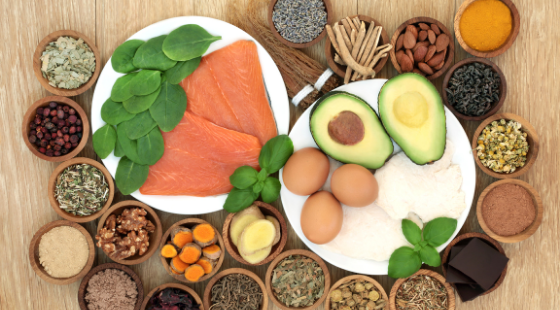
vegetables, whole grains, legumes, nuts and seeds, and moderate amounts of red wine (yes, wine!); as well as plenty of good quality fats, with the main dietary fat being extra virgin olive oil; as well as fish, poultry, fresh dairy, and eggs. Red meat is used sparingly, and on a traditional Mediterranean Diet there is avoidance of added sugars, refined grains and oils, and other highly processed foods.

The Mediterranean Diet is flexible, simple to follow, and delicious! Plus, individuals typically feel satisfied and satiated thanks to the high-fibre content of the various plant-foods and goods fats being consumed.

Pros

  • Nutritionally sound/well researched
  • Diverse foods and flavours
  • Promotes heart health
  • Better diabetes prevention and management
  • Mental health benefits
  • Weight management
  • Reduced inflammatory markers
  • Cancer prevention
  • Environmentally friendly

Cons

  • Some foods are costly
  • Additional guidance may be necessary for certain conditions
  • Some dietary restrictions may be challenging
  • Concerns with it including alcohol intake
  • May fall short on some nutrients
  • No specific guidelines to follow
  • Can be time consuming

Specific Health Benefits of the Mediterranean Diet

As a result of the high fibre intake from whole foods, and the avoidance of refined sugars and grains, the Mediterranean Diet can help prevent blood sugar fluctuations and may improve cholesterol levels (1).

The Mediterranean Diet can also positively affect physical and mental well-being. It is associated with decreased risk of heart disease, Alzheimer’s and Parkinson’s diseases (2,3,4,5).

Multiple studies have determined that the Mediterranean Diet can assist with weight loss, help prevent heart attacks and strokes, reduce the likelihood of developing type 2 diabetes, and decreases premature death (6). One long term study showed that the risk of combined heart attack, stroke, and death from heart disease was 31% lower and appeared to reduce the risk of developing type 2 diabetes by 52% (6).

What We Think?

The societal movement back to more traditional diets is a positive dietary trend. The Mediterranean Diet offers loose guidelines for overall healthy eating that the average person consuming a standard Western diet would benefit from, especially if care is given to moderate alcohol intake.

Vegetarian Diet

Vegetarian Diets have been followed for centuries, maybe millennia, in regions the world over – from Israel to India. In modern day, it’s a common misconception vegetarians are generally healthy, but this sometimes is not the case. A healthy vegetarian will focus on whole foods, but nowadays there are many vegetarians that will fill up on refined grains and sugars, which in combination with the avoidance of meat and seafood, puts individuals at high risk of nutrient deficiencies.

What Is A Vegetarian Diet?

While following a Vegetarian Diet, individuals avoid meat products. However, there are several versions of vegetarian diets:

  • lacto-ovo vegetarians eat both eggs and dairy products
  • lacto vegetarians eat dairy products but not eggs
  • ovo vegetarians eat eggs but not dairy products

Ideally focussed on whole foods such as fruits, vegetables, nuts and seeds, fresh dairy, eggs, legumes, lentils and whole grains. Vegetarians need to take special care to ensure they are consuming adequate vitamin B12, calcium, iron, and zinc. The Academy of Nutrition and Dietetics warns of the risk of vitamin B12 deficiencies in vegetarians.

Pros

  • Possible reduced risk of disease
  • May boost longevity
  • May increase food variety
  • Improved weight control compared to a standard Western diet
  • Reduced food costs
  • Less environmental impact
  • Ethical treatment of animals

Cons

  • Possible nutrient deficiencies
  • Fewer food choices
  • Reduced satiety
  • Less convenient
  • Not always healthy
  • Difficult if eating out or dining at others homes

Specific Health Benefits of the Vegetarian Diet

There is ample research on the vegetarian diet. In a large cohort study evaluating vegetarian diets, researchers found that the group experienced a reduced risk of cardiovascular diseases, cardio-metabolic risk factors, and some cancers (7).

Vegetarians may be up to one-third less likely to die or be hospitalized for heart disease (8) and had half the risk of developing type 2 diabetes compared with non-vegetarians (9).

Osteoporosis rates are also lower in countries where people eat mostly vegetarian diets (10).

Several studies have shown that people who follow a plant-based diet may lose more weight than those who do not (11). A review of studies including over 1,100 participants determined those consuming a vegetarian diet for 18 weeks lost 4.5 pounds (2 kg) more than participants who weren’t (12). However, there are many other diets that provide even more effective weight loss and weight management, so vegetarianism may not be the optimal weight loss diet.

What We Think?

Vegetarianism, done well, can be a therapeutic diet for those addressing cardiovascular conditions or some forms of cancer. Additionally, for individuals particularly concerned with their environmental impact and/or the ethical treatment of animals, the vegetarian diet addresses many of those concerns without the elevated risk of nutritional deficiencies associated with a vegan diet (where eggs and dairy products are avoided in addition to meat and seafood).

The “Flexitarian” Diet

The diet was developed by nutritionist Dawn Jackson Blatner. She believes that eating a vegetarian diet is healthiest, but recognizes that giving up meat isn’t something everyone is willing to do. Plus, it enables individuals to get some of those key nutrients found in meat such as B12 and iron. She designed a balance that keeps meat in the diet but consumed at a reduced amount and consists of healthy foods to help lose and maintain a healthy weight.

What Is The “Flexitarian” Diet?

The Flexitarian Diet is a meal plan focuses on a vegetarian based diet with consumption of some meat and fish on occasion. Flexitarians limit processed foods and eat more whole foods.

Pros

  • Emphasizes nutritious foods
  • Easy to accommodate personal preferences or needs
  • Budget-friendly and sustainable
  • Supports weight loss
  • May reduce risk of diabetes

Cons

  • May be difficult for daily meat-eaters to follow
  • Potentially low iron intake
  • Additional guidance may be necessary for those with diabetes

Specific Health Benefits of the “Flexitarian” Diet

Since “Flexitarian” diets are relatively new, there limited evidence addressing it specifically, but it is expected to offer many of the same benefits as a vegetarian diet while offsetting some of the negatives with adhering strictly to vegetarianism or veganism.

What We Think?

There are no specific rules to follow on a “Flexitarian” Diet, making it an appealing option for many individuals and allowing the space to tap in to what your body is feeling day-to-day or week-to-week and adjusting accordingly. A “Flexitarian” Diet can easily be tailored to suit your own nutritional needs and health goals, which we love.

“Paleo”

The “Paleo” Diet also referred to as the Paleolithic Diet, Stone Age diet, hunter-gatherer diet and caveman diet has become increasingly popular over the past decade. It is based on eating the way our early ancestors did.

What is the Paleo Diet?

The basic Paleo Diet consists of whole foods including: animals (meat, fish, reptiles, insects, etc.) with a focus on “nose to tail” eating consuming almost all parts of the animals, including organs, bone marrow, and cartilage; animal products such as eggs or honey; vegetables and fruits; and nuts and seeds that can be eaten raw. While following the Paleo Diet foods that became common when farming emerged about 10,000 years ago are avoided including: dairy products, legumes, grains and, of course, processed foods.

 Specific Health Benefits of the Paleo Diet

There are many health benefits to following a Paleo Diet. In 2017, when researchers compared people whose diets most closely matched the attributes of a Paleo Diet to those whose diets least matched, they found a lower risk of all cause mortality, cancer  mortality, and cardiovascular disease mortality in those that followed the Paleo Diet (13).

Research has shown that participants that followed the diet had improved body composition. One study, in which participants followed the diet for just 3 weeks lost an average of 5lbs per person, as well as experiencing slight reductions in their waist circumference and systolic blood pressure (14).

There is emerging research on possible benefits for patients with MS, and other autoimmune conditions.

Pros

  • Rich in nutrient-dense foods
  • Helps some people lose weight
  • May promote heart health
  • Linked to longevity
  • Avoids many common food allergens/triggers

Cons

  • Eliminates entire food groups
  • Unclear impact on gut health
  • Small risk of iodine deficiency
  • Costly and time-intensive
  • Difficult to follow long term

In Summary

Bottom line, everyone’s biochemistry is different. The ideal diet for one person might not necessary be the best approach for the next. It really is true that there is no one diet out there that fits everyone.

Your health goals are, what disease or health conditions that you are struggling with, along with your individual genetics and biochemistry – all must be considered together to determine what dietary strategy is best for you.

We would love to help you on your health journey by creating an effective dietary plan that fits for your goals and lifestyle! To find out what is the best approach for you, please reach out to us at Koru Nutrition or book with us today!


References

1.Mediterranean diet adherence is related to reduced probability of prodromal Parkinson’s disease (2019, ncbi.nlm.nih.gov)

2. Mediterranean diet: A heart-healthy eating plan (2019, mayoclinic.org)

3. Role of Mediterranean diet on the prevention of Alzheimer disease (2017, ncbi.nlm.nih.gov)

4. The Mediterranean Diet and Cardiovascular Health (2019, ahajournals.org)

5. https://www.healthline.com/nutrition/5-studies-on-the-mediterranean-diet

6. Le, L., Sabaté, J. (2014). Beyond Meatless, the Health Effects of Vegan Diets: Findings from the Adventist Cohorts. Nutrients, 6(6), 2131–2147. doi:10.3390/nu6062131

7. https://academic.oup.com/ajcn/article/97/3/597/4571519

8. https://www.healthline.com/health/type-2-diabetes

9. https://www.pcrm.org/veganstarterkit

10. https://www.healthline.com/nutrition/maintain-weight-loss#TOC_TITLE_HDR_2

11. https://pubmed.ncbi.nlm.nih.gov/26138004/

12. Whalen KA, Judd S, McCullough ML, Flanders WD, Hartman TJ, Bostick RM. Paleolithic and Mediterranean Diet Pattern Scores Are Inversely Associated with All-Cause and Cause-Specific Mortality in Adults. J Nutr. 2017;147(4):612–620. doi:10.3945/jn.116.241919

13. Osterdahl M, et al. Effects of a short-term intervention with a paleolithic diet in healthy volunteers. Trusted Source European Journal of Clinical Nutrition, 2008.
 

Green Tea Banana Ice Cream

Green Tea Banana Ice Cream

Smoked Salmon Avocado Toast

Have you been searching for a sweet treat you can enjoy without any guilt? Hear your sweet tooth calling but don’t want to derail your nutrition and health goals?

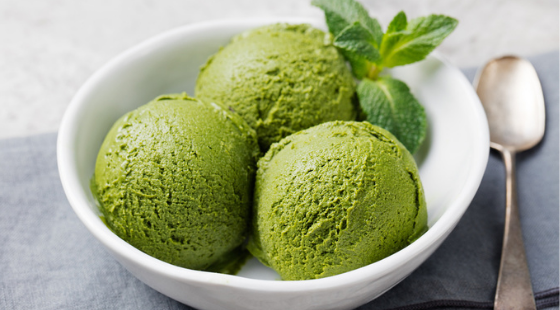
This Green Tea Banana Ice Cream comes to the rescue! With only two ingredients, and in less than five minutes in the kitchen, this creamy dessert can be in your bowl.

Did you know bananas are a good source of potassium? An imbalance of potassium can cause many different symptoms, including weakness, fatigue, muscle cramps, and mood changes such as anxiety. Low levels of potassium can increase mental fatigue and reduce your body’s ability to handle stress.

Green tea is known for it’s antioxidant effect, but it is also a great source of amino acid theanine. According to the research, theanine can increase feelings of relaxation and calm. One study found that participants who drank green tea showed “improvements in mood, cognition and a reduction of stress and anxiety-like symptoms”.

If you are like most folks and have a bunch of frozen bananas in the freezer for that banana bread you’ve been meaning to make, try this instead! It’s way fewer dishes too!


 References

https://pubmed.ncbi.nlm.nih.gov/31758301/


Green Tea Banana Ice Cream

Green Tea Banana Ice Cream to the rescue! With only two ingredients, and in less than five minutes in the kitchen, this creamy dessert can be in your bowl.
Prep Time 5 minutes
Total Time 5 minutes
Servings 2 servings

Ingredients
  

  • 2 Banana sliced and frozen
  • tsps Matcha Green Tea Powder

Instructions
 

  • Add frozen bananas and Matcha green tea powder to the bowl of a food processor with an S-blade and process. Scrape down the sides of the bowl as needed to ensure even processing. Continue to process until smooth approximately 2-3 minutes.
  • For soft serve consistency: Scoop into serving bowls and enjoy.
  • For firmer ice cream consistency: Place in an airtight, freezer-safe container and freeze for at least 1 hour before serving.

Notes

Nutritional information per serving:
Calories: 110
Carbs: 27g
Fibre: 3g
Sugar: 15g
Protein: 3g
Fat: 0.5g

Loaded Sweet Potato

Loaded Sweet Potato

Smoked Salmon Avocado Toast

We’ve all been tempted by comfort foods at some point in our lives.

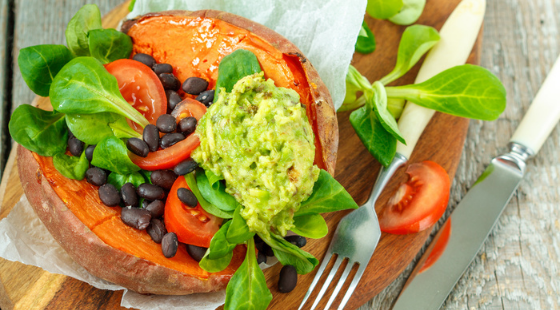
With these Loaded Sweet Potatoes, you get the comfort food feeling and flavour, while still maintaining solid nutrition that helps you feel satisfied and energized!

This recipe is easy to prepare, and one the whole family is sure to enjoy. Whether you’re putting together a quick weeknight meal after a long day of work, a fun weekend dinner for the family, or a game day treat for some friends—this recipe is sure to impress. Try it yourself tonight!

Beans are a powerhouse food when it comes to satiety. Beans are loaded with soluble fibre that helps maintain healthy blood sugar levels. Beans are also a good source the B-vitamin, folate. Folate is the natural form of Vitamin B9, while folic acid is the man-made form of B9 that we use to fortify foods. There is solid link between folate or folic acid and mood. One such paper states that “The incidence of folic acid deficiency is high in patients with various psychological disorders including depression, dementia and schizophrenia.”[1]

Sweet potatoes are complex-carb rock stars here. They are high in beta-carotene, which is what gives them their beautiful orange colour. Beta-carotene is an antioxidant that helps to protect the cells of the body, including the brain, and our DNA from oxidative stress. Oxidative stress can be used as a biomarker for many psychological disorders, including depression and anxiety. So, sweet potatoes are not just feeding our bellies, but our brains too!

References

[1] https://pubmed.ncbi.nlm.nih.gov/2682787/

Loaded Sweet Potato

With these Loaded Sweet Potatoes, you get the comfort food feeling and flavour, while still maintaining solid nutrition that helps you feel satisfied and energized!
Prep Time 10 minutes
Cook Time 30 minutes
Total Time 40 minutes
Servings 4 servings

Ingredients
  

  • 4 Small Sweet Potatoes
  • 1 tbsp Olive Oil
  • 2 cups Black Beans cooked, from the can
  • ½ cup Water
  • 1 Red Bell Pepper diced
  • ½ cup Vadalia Onion chopped
  • 1 tbsp Chilli Powder
  • 1 tbsp Cumin ground
  • 1 tsp Garlic Powder
  • ¼ tsp Sea Salt
  • 1 Avacado mashed
  • 1 Lime juiced
  • 2 cups Spinach
  • 2 Tomatoes sliced
  • Salt and Pepper to taste

Instructions
 

  • Preheat oven to 375°F (190°C).
  • Place sweet potatoes on a baking sheet and bake for approximately 20 - 30 minutes, until fork tender.
  • While sweet potatoes are baking, warm olive oil in a small pan. Add black beans, peppers, onion, chili powder, cumin, garlic and sea salt. Stir well to combine.
  • Add ½ cup of water, cover and simmer for 15 minutes over medium-low heat.
  • While beans are simmering, in a small bowl use a fork to mash avocado with lime juice. Set aside.
  • Slice tomatoes. Set Aside.
  • When sweet potatoes are ready, remove from oven. Slice each most of the way through. Divide sweet potatoes between serving plates.
  • Top with warm bean mixture, fresh spinach, tomato slices and mashed avocado. Enjoy!

Notes

Nutritional information per serving:
Calories: 325
Carbs: 52g
Fibre: 17g
Sugar: 10g
Protein: 12g
Fat: 10g

Top 10 Foods To Reduce Anxiety

Top 10 Foods To Reduce Anxiety

Mental Health Gut Article

Current polls suggest that as many as 4 in 10 Canadians are experiencing anxiety. The mental and emotional toll anxiety can take on a person can be significant, and the physical symptoms that can come from having anxiety can also be uncomfortable and unpleasant – headaches, nausea, chest pain or shortness of breath, restlessness and insomnia, fatigue, and poor immune function are just some of the physical manifestations of anxiety. In short, many Canadians are suffering.

Thankfully, as we covered in a recent blog post, there are simple dietary and lifestyle habits that can be implemented to help reduce anxiety. In this blog post, we’ll be exploring our Top 10 Foods to potentially help you get some relief from your anxiety symptoms.

Eggs

Eggs are one of the most economical food sources of Vitamin D3, the sunshine vitamin. Optimizing Vitamin D has been shown to be effective at reducing the symptoms of anxiety (1). Plus, they are protein-packed, which can help promote balanced blood sugar levels, which in turn promotes a more even mood. If you’ve ever been “hangry”, then you’ve experiences some of the mood instability that can occur with poorly managed blood sugar levels. Consuming adequate amounts of protein-rich foods such as eggs, is one step toward controlling blood sugar levels.

Eggs also contain an important amino acid, tryptophan, used to make serotonin in the body. Serotonin is an essential neurotransmitter that regulates mood, sleep, memory and behaviour. And as if all that wasn’t enough, eggs also offer a large dose of choline, an essential nutrient that supports brain and nervous system function, including mood and memory.

Boiled eggs are an easy food to keep on hand to slice and toss on a salad, or just peel and eat for a snack when you don’t feel like cooking. Boiled eggs can be stored in the fridge, for 7 days in the fridge, so make a batch for the week and this will be a great grab and go snack. You can also use eggs in baked goods, frittatas or quiches, omelettes and more!

Salmon

Studies have shown that salmon consumption three times per week can significantly decrease anxiety. (2) Salmon is not only delicious and another good source of vitamin D, it’s also full of healthy, brain-building omega-3 fats! Consuming adequate amounts of EPA and DHA may also promote your brain’s ability to adapt to changes, allowing a person to better handle stressors that can trigger anxiety symptoms. (3) Salmon also contains Vitamin B12 which helps convert amino acids (the building blocks of protein) into neurotransmitters that send messages within our brain and nervous system and help regulate many functions including mood.

If you are not a big fan of consuming fish, take an omega-3 supplement. Researchers found that people who took high doses of omega-3s (up to 2,000 mg a day) seemed to have the most reduction in anxiety symptoms. (4)

Salmon is enjoyable baked, fried, or barbequed! Plus, we have several sources of recipe inspiration to get you cooking up more salmon, including Salmon Avocado Toast, Smoked Salmon Egg Cups, and Salmon Chowder.

Spinach

Increasing your intake of fruits and vegetables can improve feelings of wellbeing in as little as 2 weeks! (5) In one study, participants who were given three extra servings of fruits and vegetables per day for just two weeks felt improvements in their vitality and motivation, although the study authors note that longer-term intervention is necessary to impact anxiety levels. Focussing on consuming a variety of nutrient dense plant foods is a cornerstone of solid nutrition that, in turn, supports our body and mind.

Spinach is high in dietary fibre, which, along with protein and healthy fats, assists in balancing blood sugar levels. Generally speaking, with more stable blood sugar levels come more stable moods. (6) Spinach is also rich in B-vitamins, which are known to support nervous system functioning, brain health, and boost energy levels.

While spinach is a great option… don’t forget about other leafy greens such as kale, beet greens, Swiss chard, bok choy, cabbage, and collards. These leafy green vegetables have many of the same nutritional benefits!

Turmeric

Curcumin, the bioactive compound found in the culinary spice turmeric, is a powerful anti-inflammatory. In studies, curcumin has been shown to be as effective at reducing anxiety, depression, and PTSD symptoms as leading SSRI prescription medications. (7) It is believed that curcumin may help boost serotonin and dopamine, two of our “feel good” neurotransmitters.

Turmeric is well-know for it’s distinct flavour in curries, like our Coconut Chicken Curry and Zoodles, whereas, the extract curcumin, is available in many supplement forms.

Jicama

Jicama is a low calorie tuber, native to Mexico and Central America. It has all the comforting feeling of other starches (like potatoes), but without spiking blood sugar levels, which as you’ll recall from above helps maintain a more even mood!

Jicama also contains inulin, a fibre that supports gut health by feeding the good bacteria in our intestinal tract. Our gut and brain are intricately connected via a pathway dubbed the “gut-brain axis”. When attempting to reduce anxiety symptoms, it is imperative to strengthen gut health as an unhealthy gastrointestinal system can be a cause of anxiety. (8)

If jicama isn’t available in your area, other healthy, slow-digesting carbohydrate options include sweet potatoes, winter squashes, beets and turnips.

Sardines

For many of you, including sardines in your diet may mean trying something new! Like other oily fish, sardines contain large amounts of omega-3 fatty acids. You brain is made of approximately one third Omega-3 fats. So, to keep your brain functioning well, consuming Omega-3s is critical! In addition to omega-3s, sardines contain Vitamin D, Vitamin B12 and the antioxidant mineral selenium. Studies show the lower the levels of selenium in the diet, the higher the reports of fatigue and mood disorders such as anxiety and depression. (9)

Making a paté is an easy and tasty way to introduce yourself to sardines!

If you aren’t interested in sardines, other oily fish include mackerel, herring, and Arctic char.

Cashews

In addition to containing a blood sugar balancing combination of proteins, fats, and fibre; cashews also contain an important amino acid called typtophan. Tryptophan is used within our body to create the neurotransmitter serotonin, which helps boost mood in folks with both depression and anxiety.

Most nuts have brain-boosting omega-3 fats and antioxidant vitamin E. Anxiety is believed to be correlated with overall lower levels of antioxidants. (10) The vitamin E in cashews and other nuts, is the most abundant fat-soluable antioxidant in the human bodies, so optimizing our intake of this vitamin may improve our overall antioxidant status, and therefore reduce anxiety levels.

Cashews are a great snack option, because you can just grab them and go! Cashew butter is delicious as a fruit or vegetable dip, as the base of creamy sauces or salad dressings, and in granola or these Coconut Yogurt Clusters. If you don’t love cashews, you could reach for almonds, pecans or walnuts instead!

Sauerkraut

We’ve written in more depth about the connection between gut health and mood, here and here. But for the purposes of this blog post, suffice it to say, probiotics and the fermented foods that provide them, are key to the health of our digestive system – which is where we manufacture 95% of our serotonin! You may recall from above that serotonin is the neurotransmitter believed to regulate anxiety, happiness and mood, among other things.

If sauerkraut isn’t your favourite, other naturally fermented foods such as pickles, pickled carrots or beets, kimchi, and yogurt also boast probiotic benefits. We recommend trying to include some type of fermented food daily. A scoop of sauerkraut with dinner, some kefir in a smoothie, maybe a tablespoon of kimchi on your salad, or some pickle juice in a salad dressing; a little goes a long way to building a diverse microbiome, a happy gut, and a balanced mood!

Pumpkin Seeds

Pumpkin seeds are a tasty way to add some crunch to your day, even if you are nut free. These little green gems, also known as pepitas, are a rich source of protein and the minerals potassium and zinc. Zinc modulates nearly countless neurological actions in the brain, and zinc deficiency is associated with many brain disorders, ranging from anxiety to Alzheimer’s. (11)

One study noted, that raising levels of zinc in the body helped to raise GABA levels. And because GABA is primarily known as a calming neurotransmitter, increasing GABA levels in turn reduced anxiety levels (12).

Chocolate

You have likely heard of theobromine. It’s the part of chocolate that is toxic to dogs, but in humans it acts as a vasodilator, relaxing smooth muscles and enhancing blood flow to the brain. Less well known is anandamide, the “bliss chemical” which, when consumed, produces a feeling of euphoria. And perhaps even more obscure, Phenylethylamine (PEA) known as the “love chemical”. PEA increases signals to the nervous system that increase the release of endorphins, promoting alertness and focus while elevating mood and boosting memory.

In one study, individuals who consumed 74% dark chocolate twice daily for two weeks had improved levels of stress hormones commonly associated with anxiety, such as catecholamines and cortisol. (13) Eating dark chocolate has also been shown to increase levels of the neurotransmitter serotonin, which is our happy neurotransmitter and this may help reduce the stress that leads to anxiety (14, 15)

We bet we won’t have to do much convincing for you to include a little dark chocolate in your day! In recent years, chocolate avocado pudding has been popular. But, in case you need an extra little nudge, we’ve got you covered with some awesome chocolatey recipes like this Hot Chocolate Elixir, Chocolate Cauliflower Shake, JuicePlus Chocolate Bark, Cranberry Pistachio Bark, or Black Bean Brownies.

Chocolate Almond Butter Cups

Chocolate Almond Butter Cups

Smoked Salmon Avocado Toast

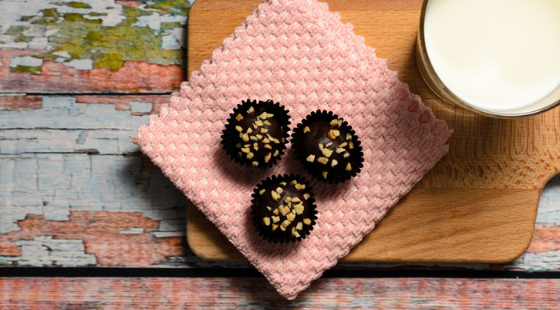
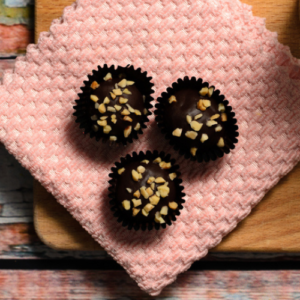
These Chocolate Almond Butter cups are so easy to put together, and are totally worth the effort.

Chock full (no pun intended) of stress-busting, mood-lifting ingredients – these are the perfect treat for almost any celebration.

In one large study of 13,000 people, those who ate dark chocolate in the previous 24 hours were 70% less likely to report depression. And it didn’t take much, just 12 grams of dark chocolate was enough to elicit this effect. That’s just 2 or 3 of these treats!

Not only are these treats potentially mood enhancing, they offer so much pleasure on the palate! The smooth velvety chocolate, the crunchy snap of the cacao nibs, and the creamy almond butter filling make for a satisfying indulgence.

We love these Chocolate Almond Butter Cups as a special Valentine’s Day treat! But, with how simple and delicious they are to put together, you may find yourself making them more often.

 References:

https://www.psychiatrictimes.com/view/dark-chocolate-depression


Chocolate Almond Butter Cups

These Chocolate Almond Butter cups are so easy to put together, and are totally worth the effort. Chock full (no pun intended) of stress-busting, mood-lifting ingredients, we think you might be making these regularly.
Prep Time 20 minutes
Cook Time 20 minutes
Total Time 40 minutes
Servings 12 servings

Ingredients
  

  • 3/4 cup Coconut Oil
  • 1/2 cup Cacao Powder
  • 2 Tbsp Maple Syrup
  • 1/2 cup Almond Butter
  • 2 Tbsp Almonds finely chopped or crushed

Instructions
 

  • Line 12 mini muffin holes with parchment paper liners. Set aside.
  • Fill one large pot with water and place a smaller pot inside. Bring to a boil then reduce to a simmer. Ensure no water is able to get in the smaller pot.
  • Add coconut oil into the smaller pot and stir continuously until melted.
  • Add cacoa powder, maple syrup and almond butter, stirring gently until well combined.
  • Using a spoon, evenly portion half the chocolate mixture between the mini muffin hole liners. Set in the fridge to harden for 5-10 minutes.
  • Remove mould from the fridge and layer a small disc of almond butter in each mini muffin hole.
  • Cover almond butter with remaining melted chocolate mixture, then sprinkle with crushed almonds to garnish.
  • Return to the fridge for 5-10 minutes to fully set the chocolate. Enjoy!

Notes

Nutritional information per serving:
 
Calories - 215
Sugar - 2g
Fiber - 3g
Carbs - 6.5g
Fat - 20g
Protein - 3.5g